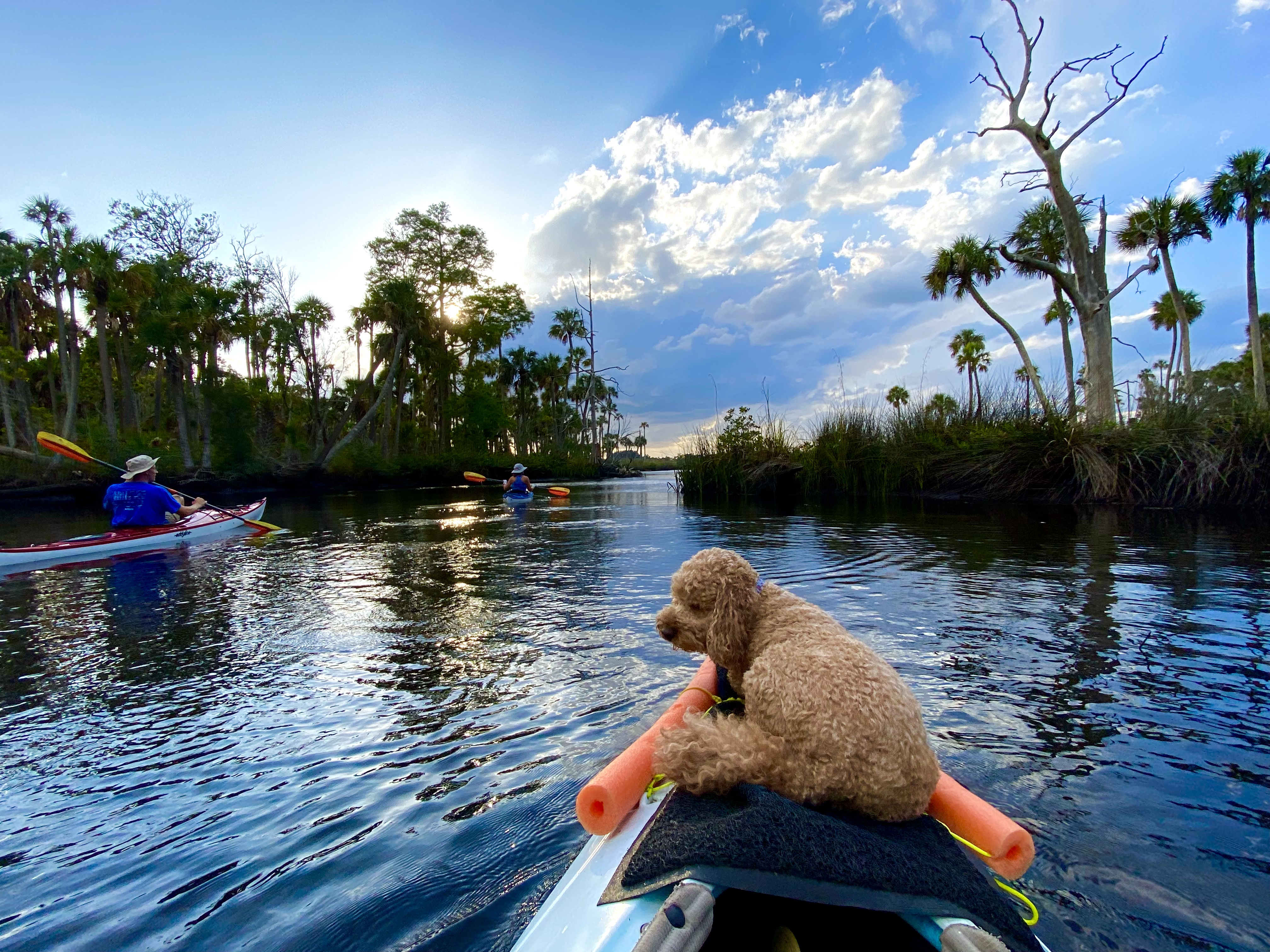
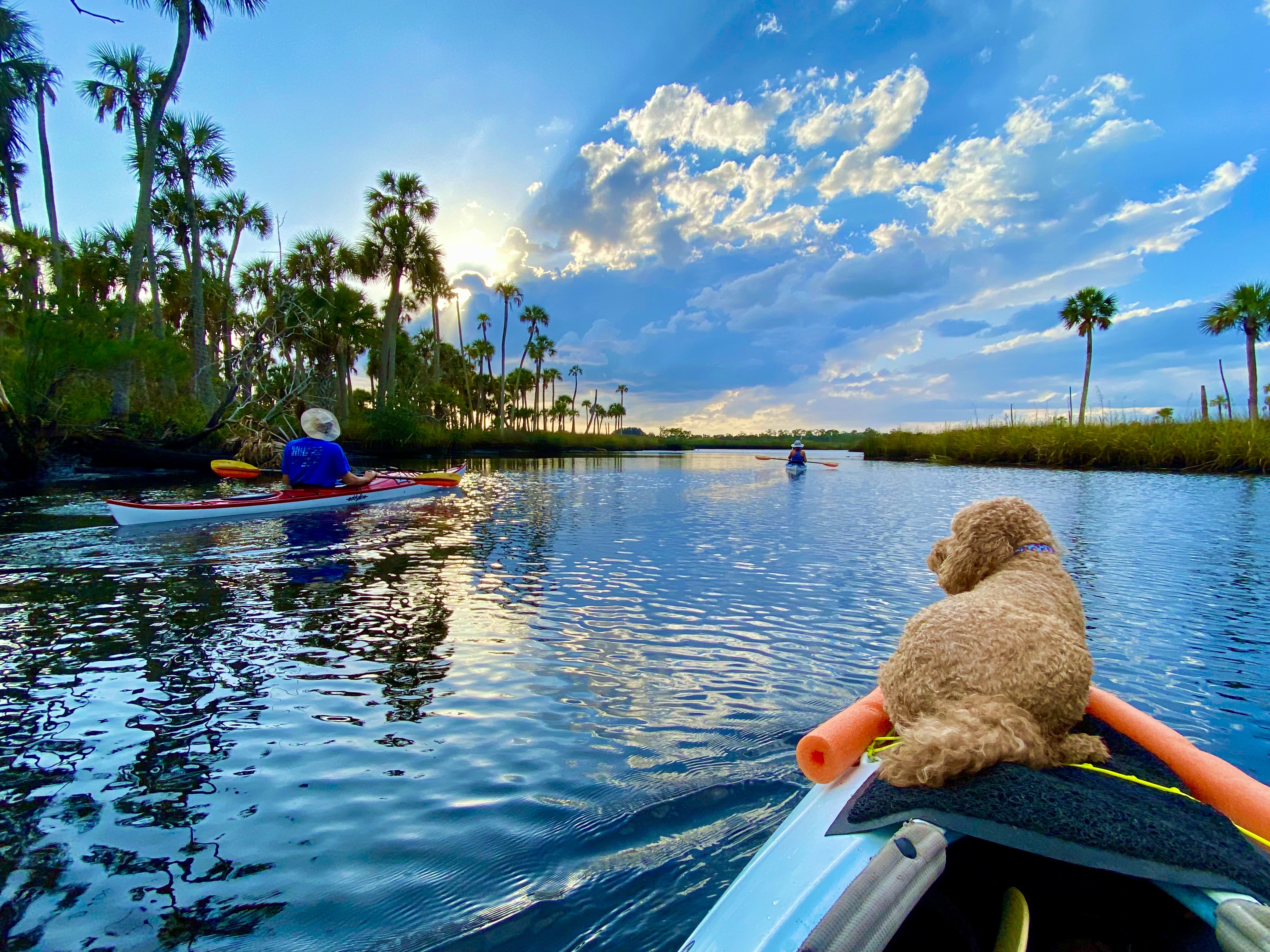
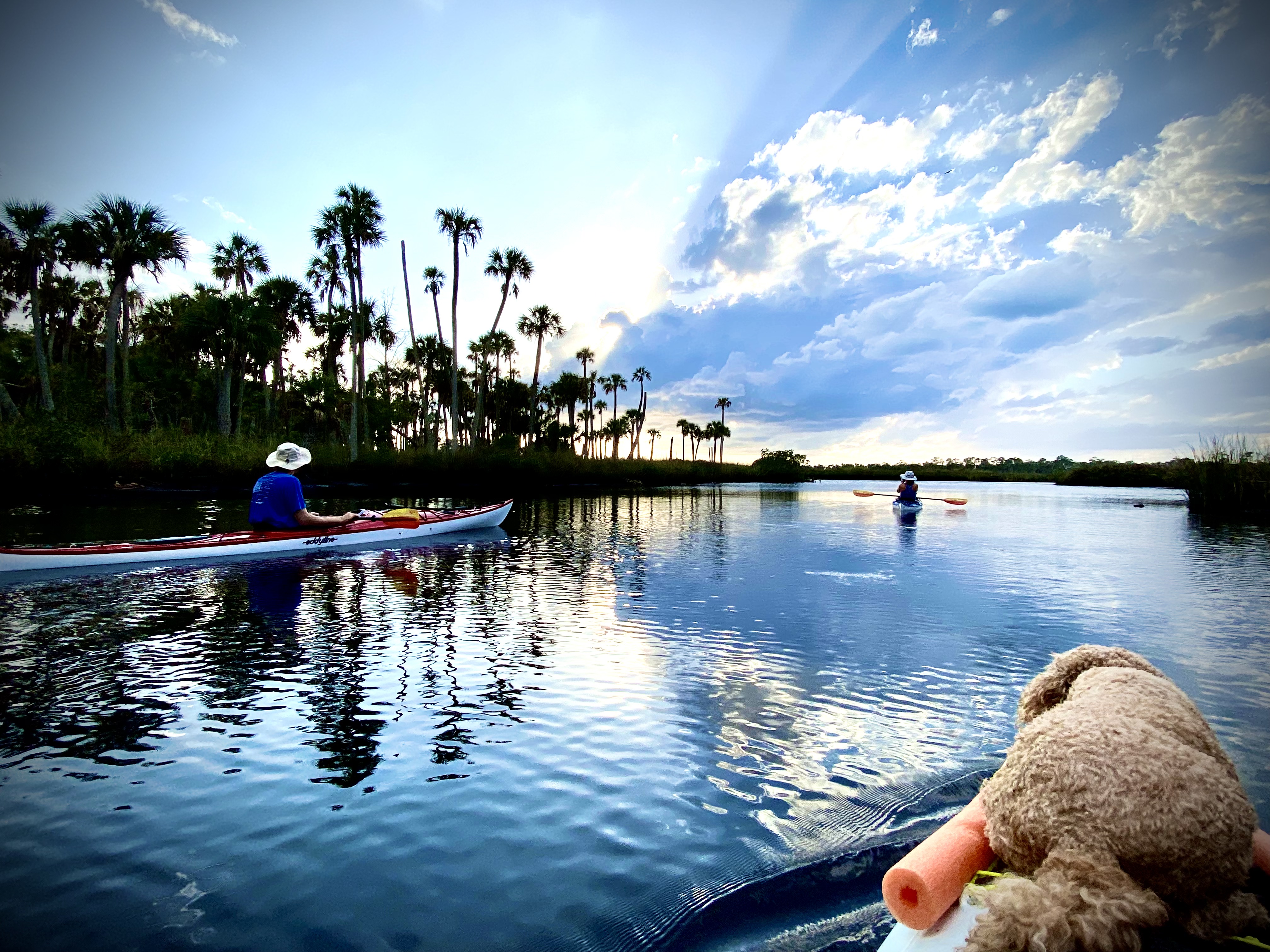
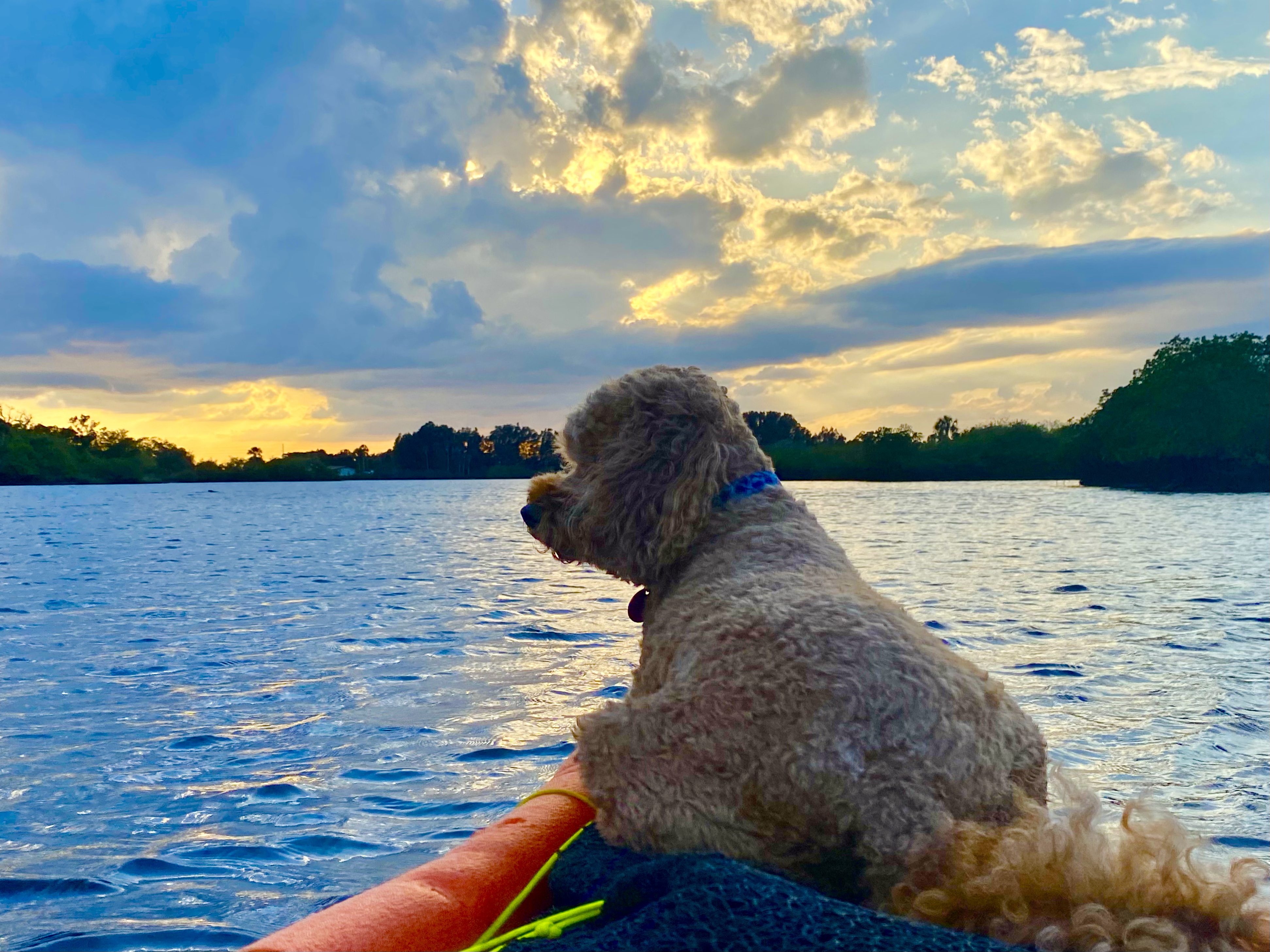
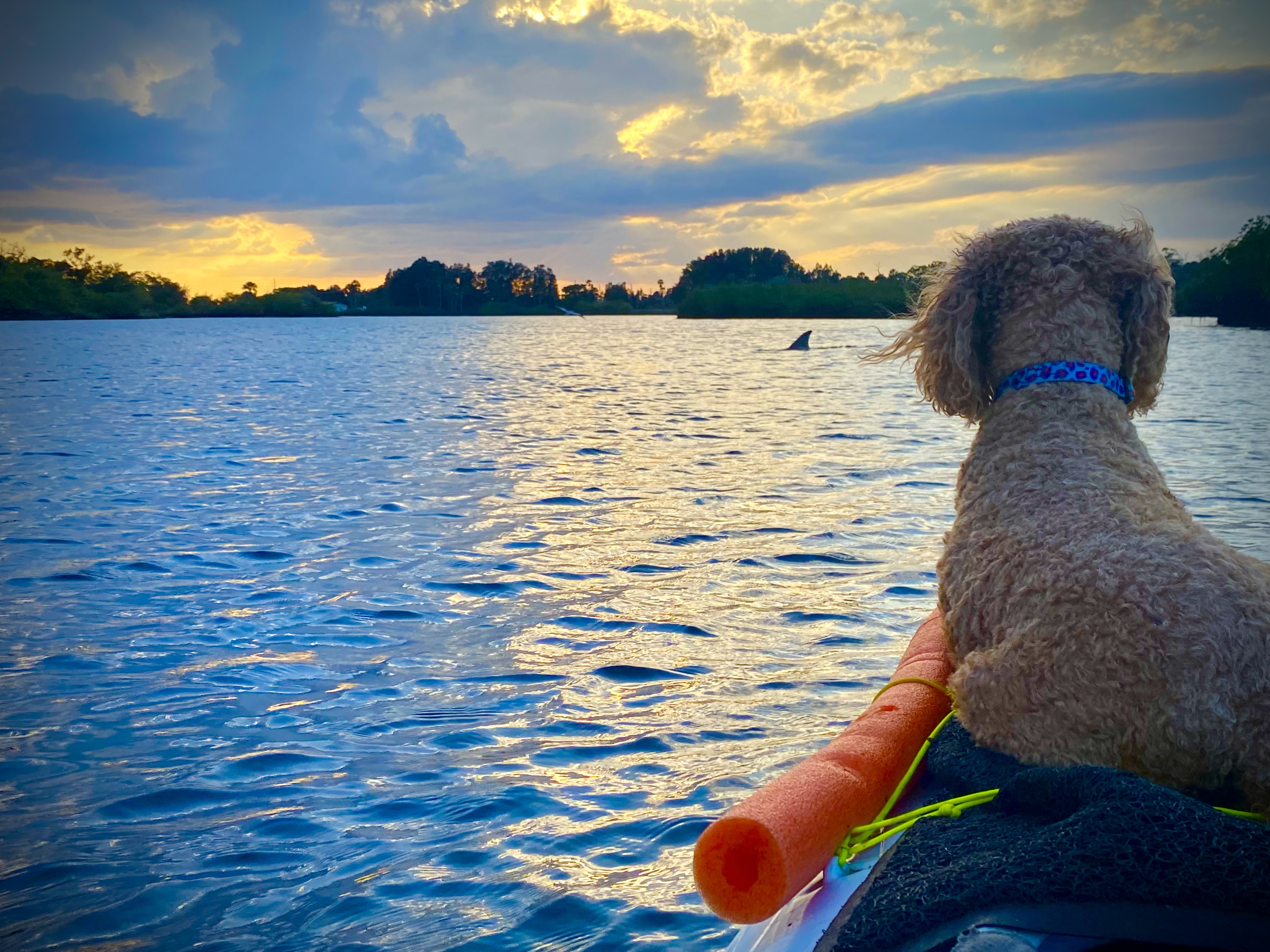
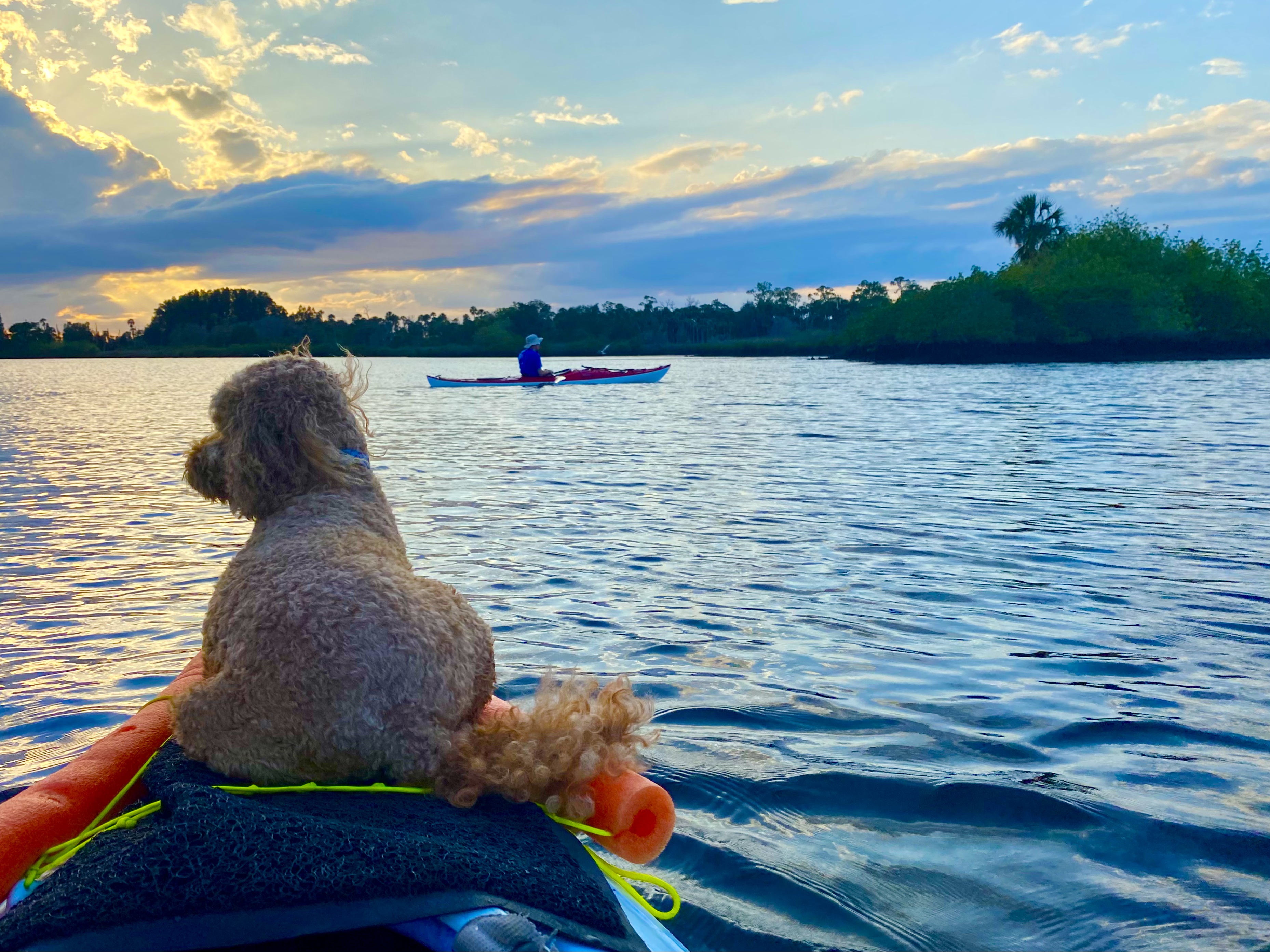
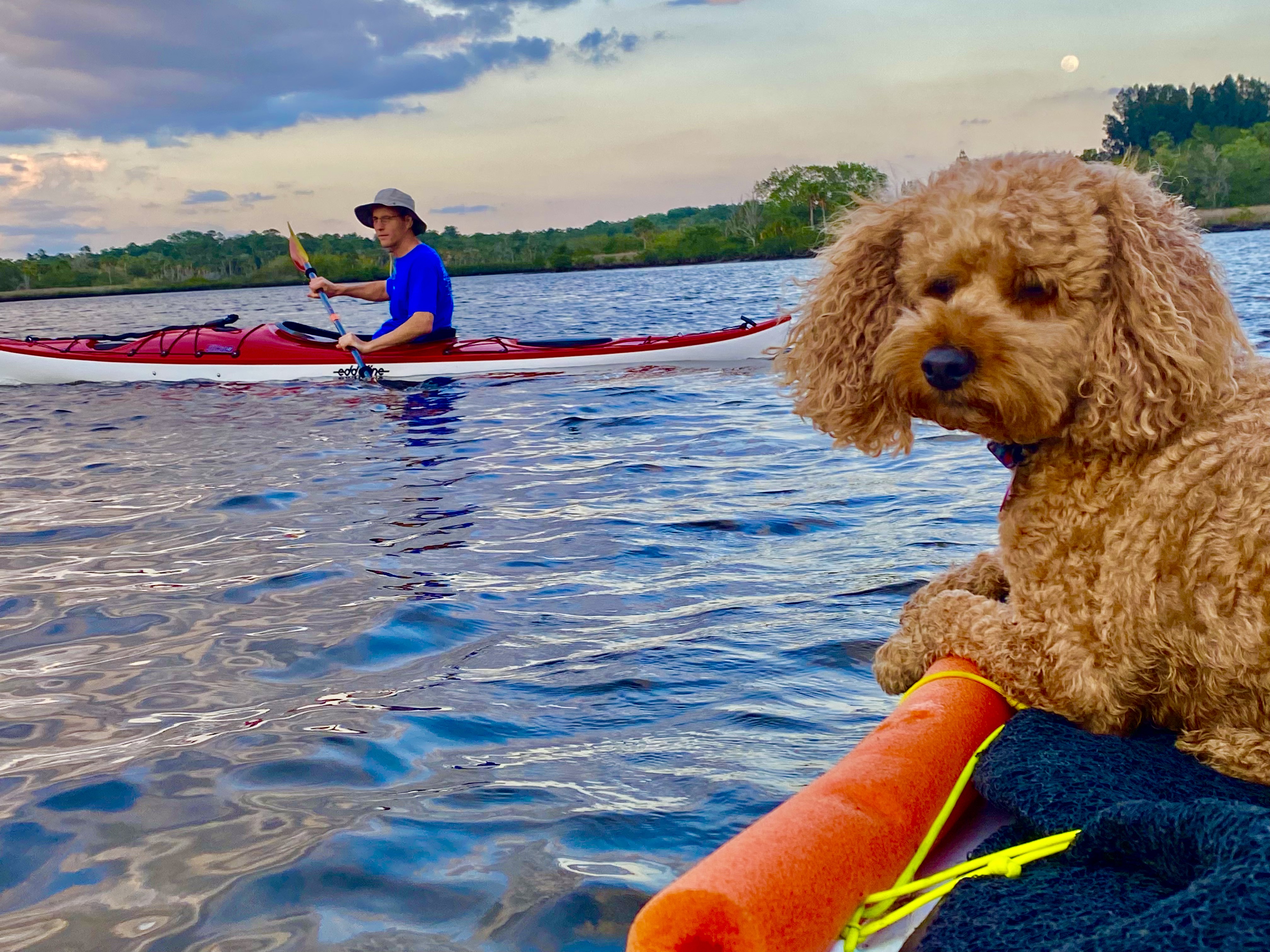
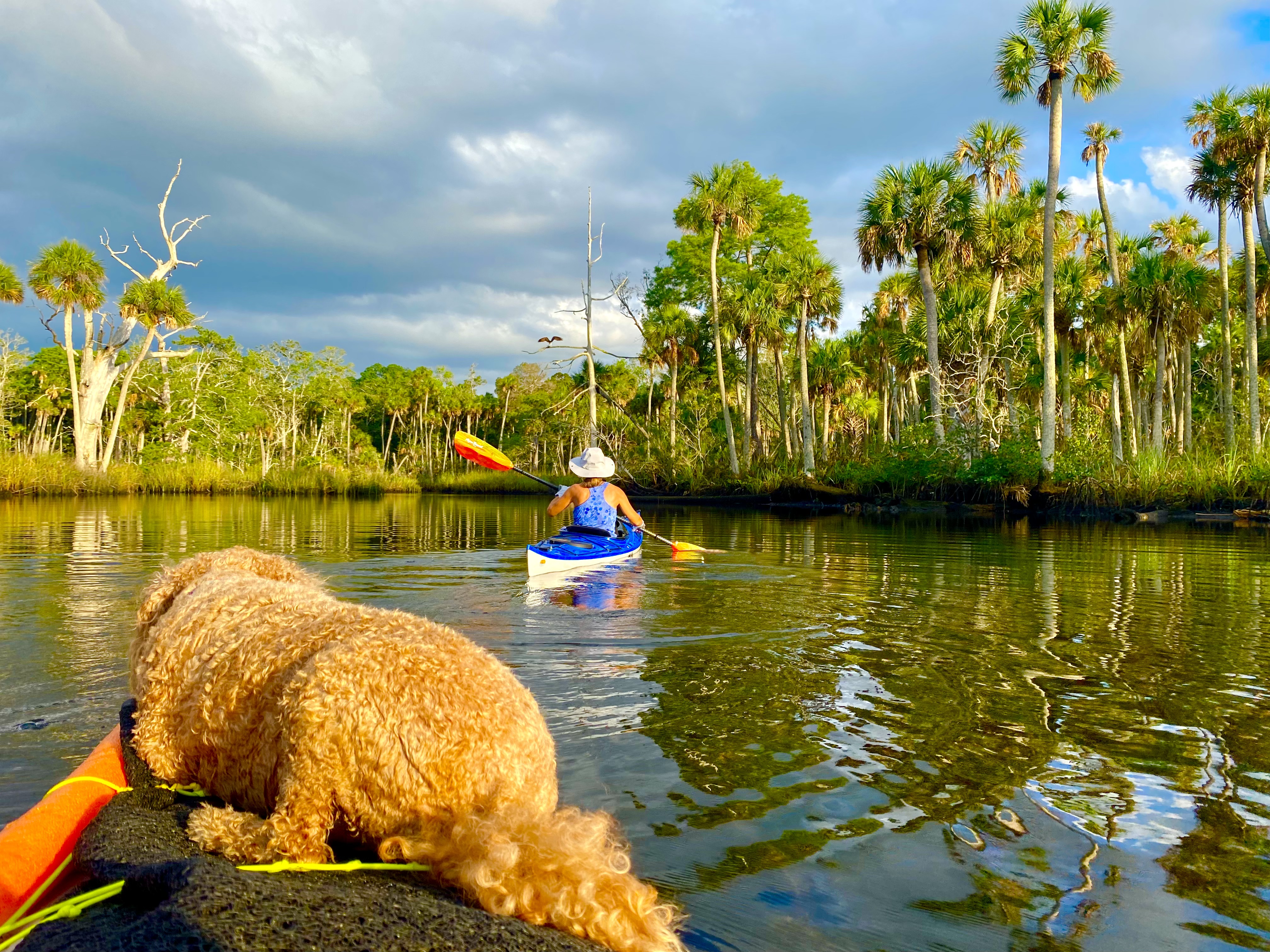
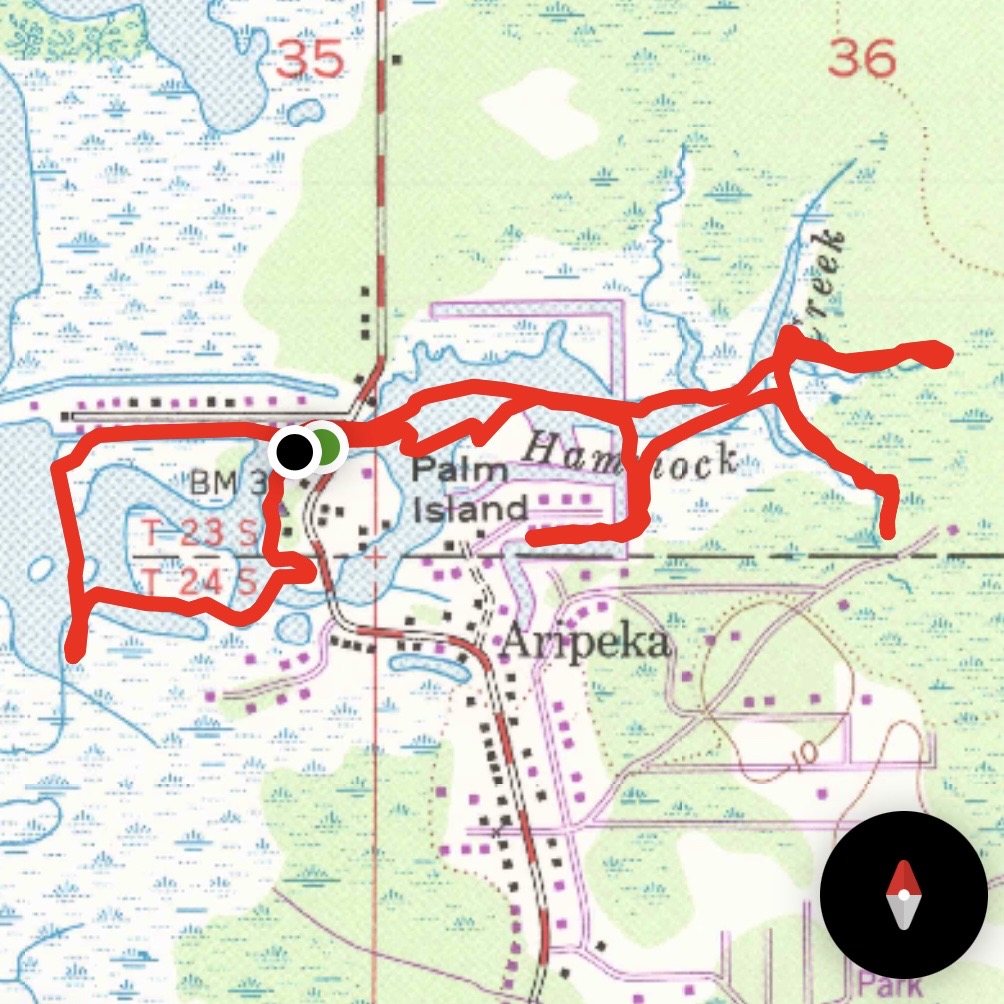
On April 15, 2022, Claudia, Brandt Boddyboy and I paddled the coastal waters around Aripeka and Hammock Cove. Aripeka is one of those small Florida communities that seems to belong as much to the water as it does to the land. Roads, bridges and modest homes occupy the higher ground, while tidal creeks, scattered islands and broad marshes spread toward the Gulf in almost every direction.
A small village surrounded by water
Aripeka sits along the Gulf Coast at the boundary between Pasco and Hernando counties. Hammock Creek winds through the center of the community, connecting a network of narrow inlets and bays with the open Gulf. It is still possible to see traces of an older coastal Florida here—fishing boats beside weathered docks, small bridges crossing tidal water and houses gathered close to the shoreline.
For paddlers, the geography is the real attraction. The shoreline continually divides into creeks, pockets and marshy passages. One moment the route feels enclosed by vegetation and the next it opens across shallow water toward a huge Gulf horizon.
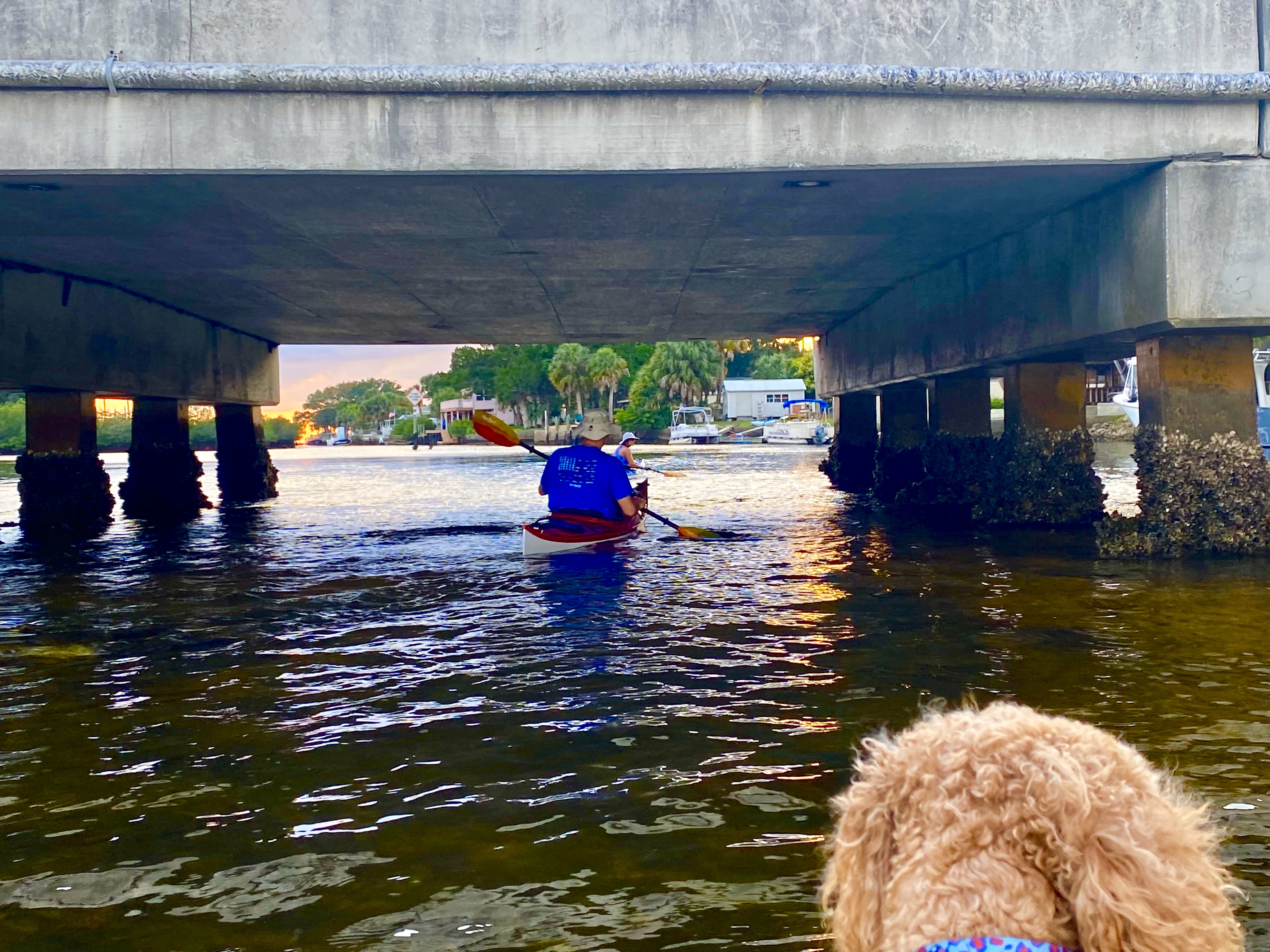
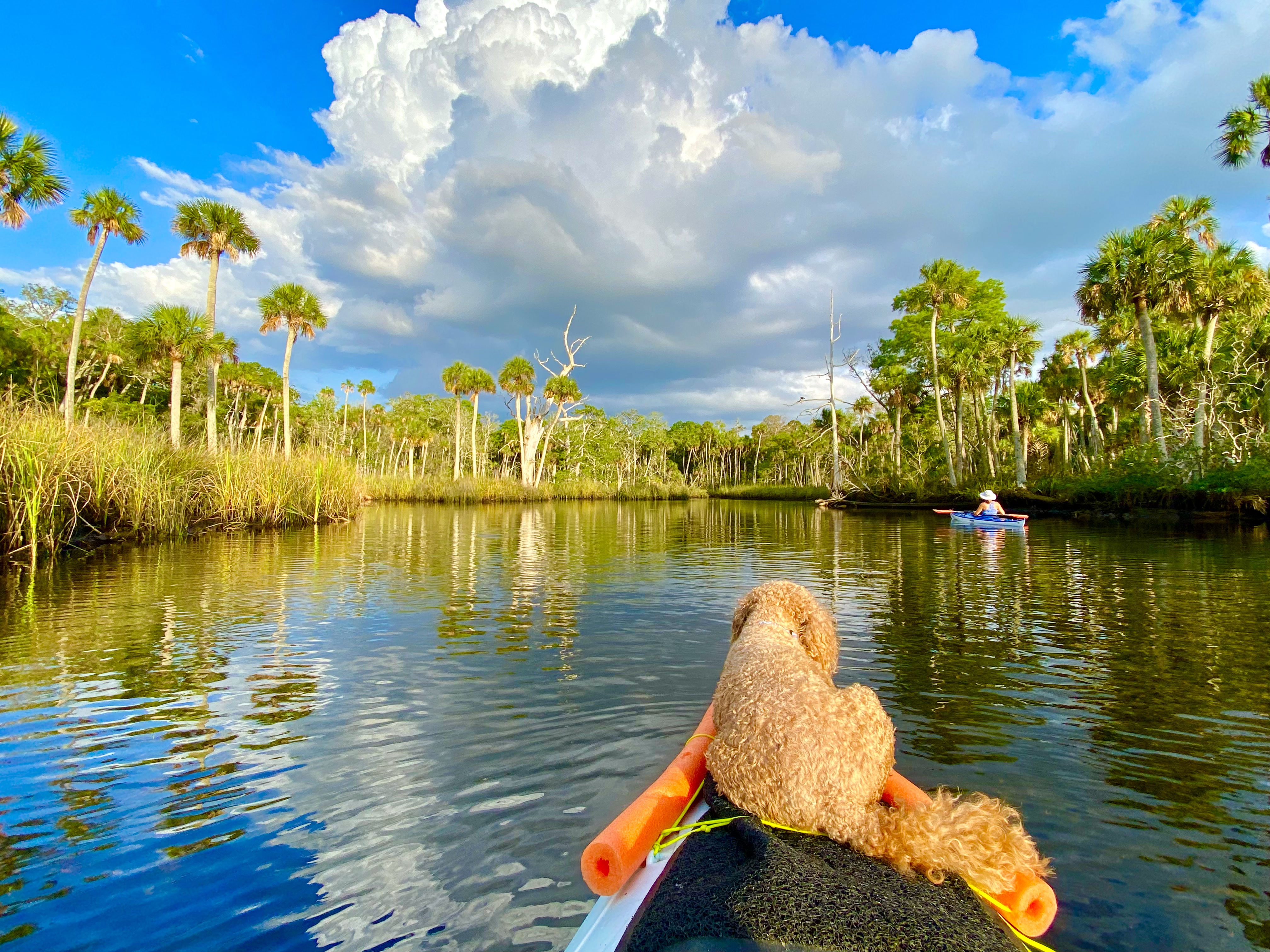
Three kayaks in the tidal creeks
With Claudia and Brandt nearby, we eased through the sheltered water and let the narrow channels lead us outward. Kayaks are ideal here. Their shallow draft makes it possible to explore places that larger boats cannot reach, and their quiet movement allows the details of the marsh to come forward—the sound of mullet jumping, birds calling from the shoreline and water sliding through the grass with the tide.
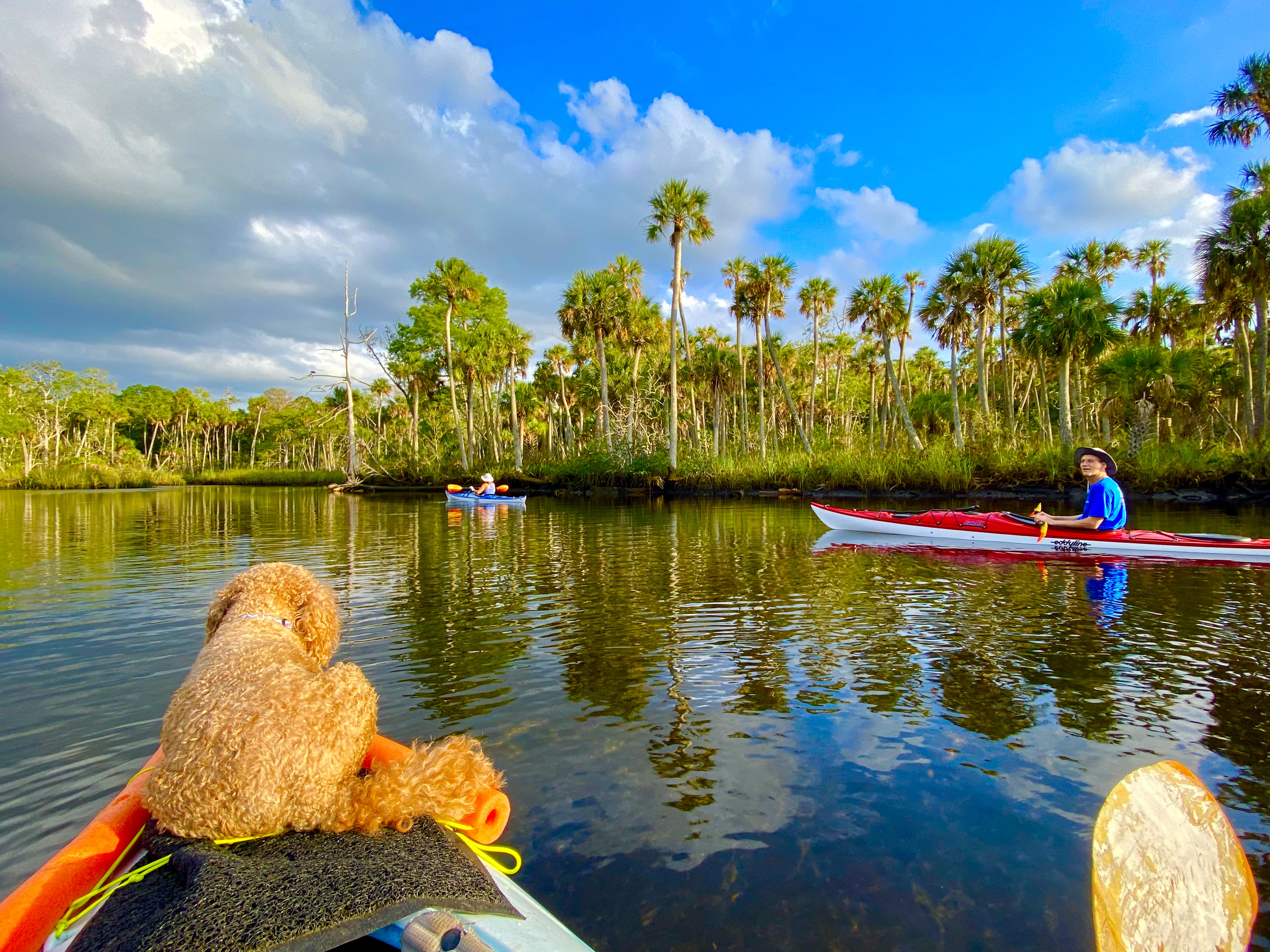
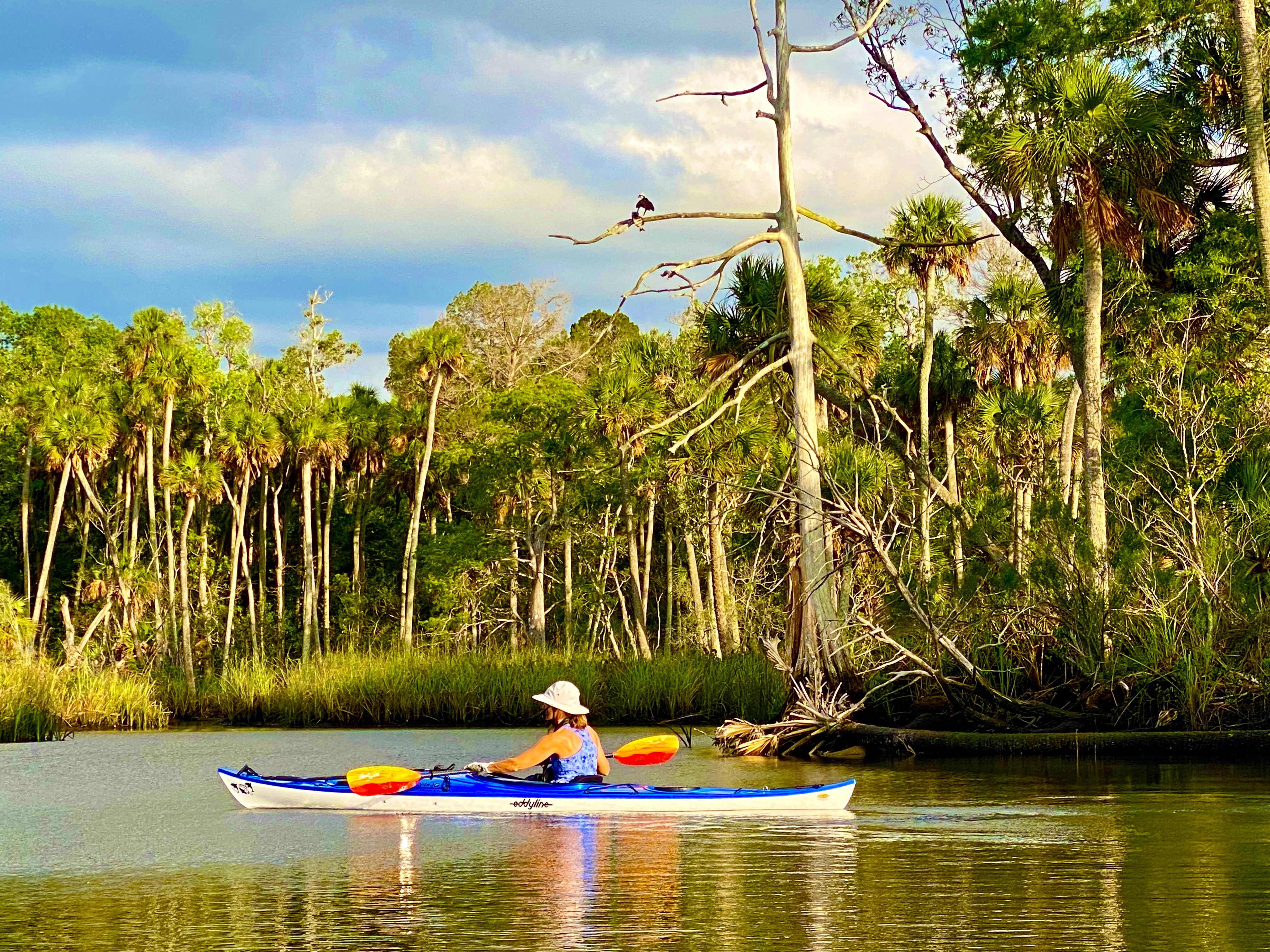
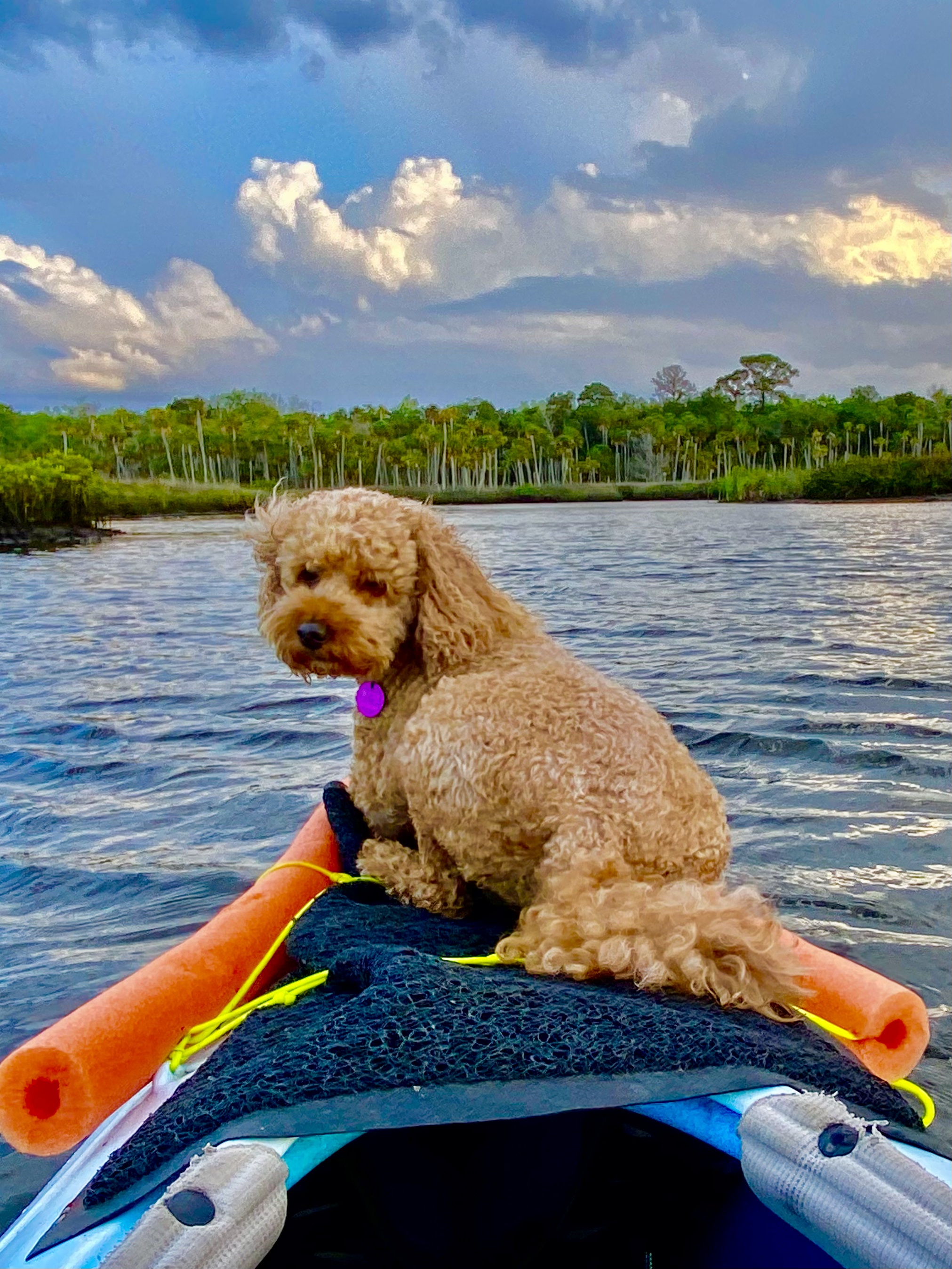
Because the surrounding land is so low and flat, the tide changes both the appearance of the marsh and the routes available to a kayak. Water that looks comfortably deep on the way out can become a broad mudflat later, while a small creek that seems nearly hidden may carry enough water to provide a beautiful passage through the grass.
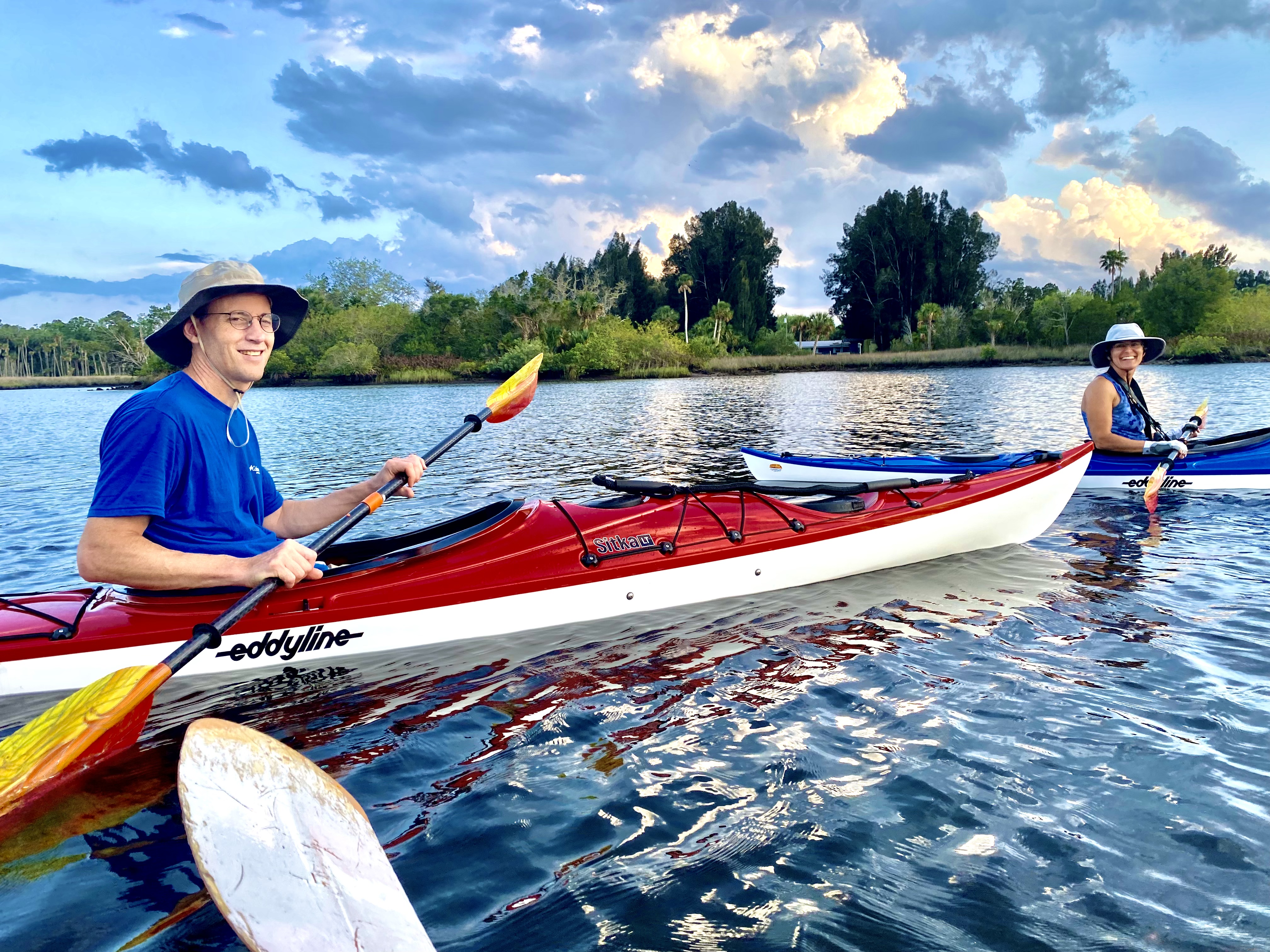
Where the marsh meets the Gulf
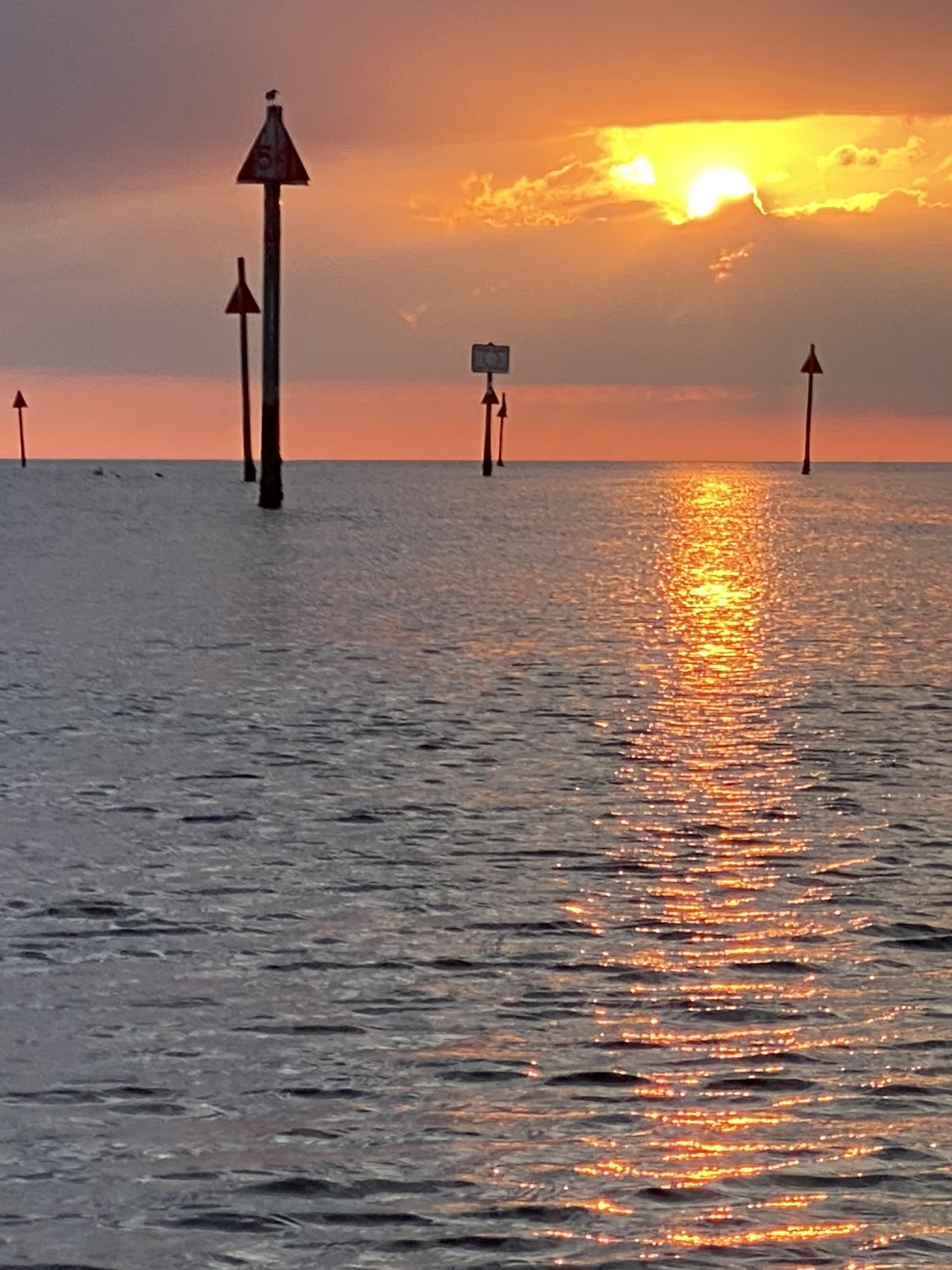
Farther from town, the buildings fall away and the coastal landscape takes over. The horizon becomes wider, the breeze more noticeable and the water more exposed. Ospreys, herons, egrets and pelicans are common companions in this part of the coast, while mullet and other fish frequently break the surface nearby.
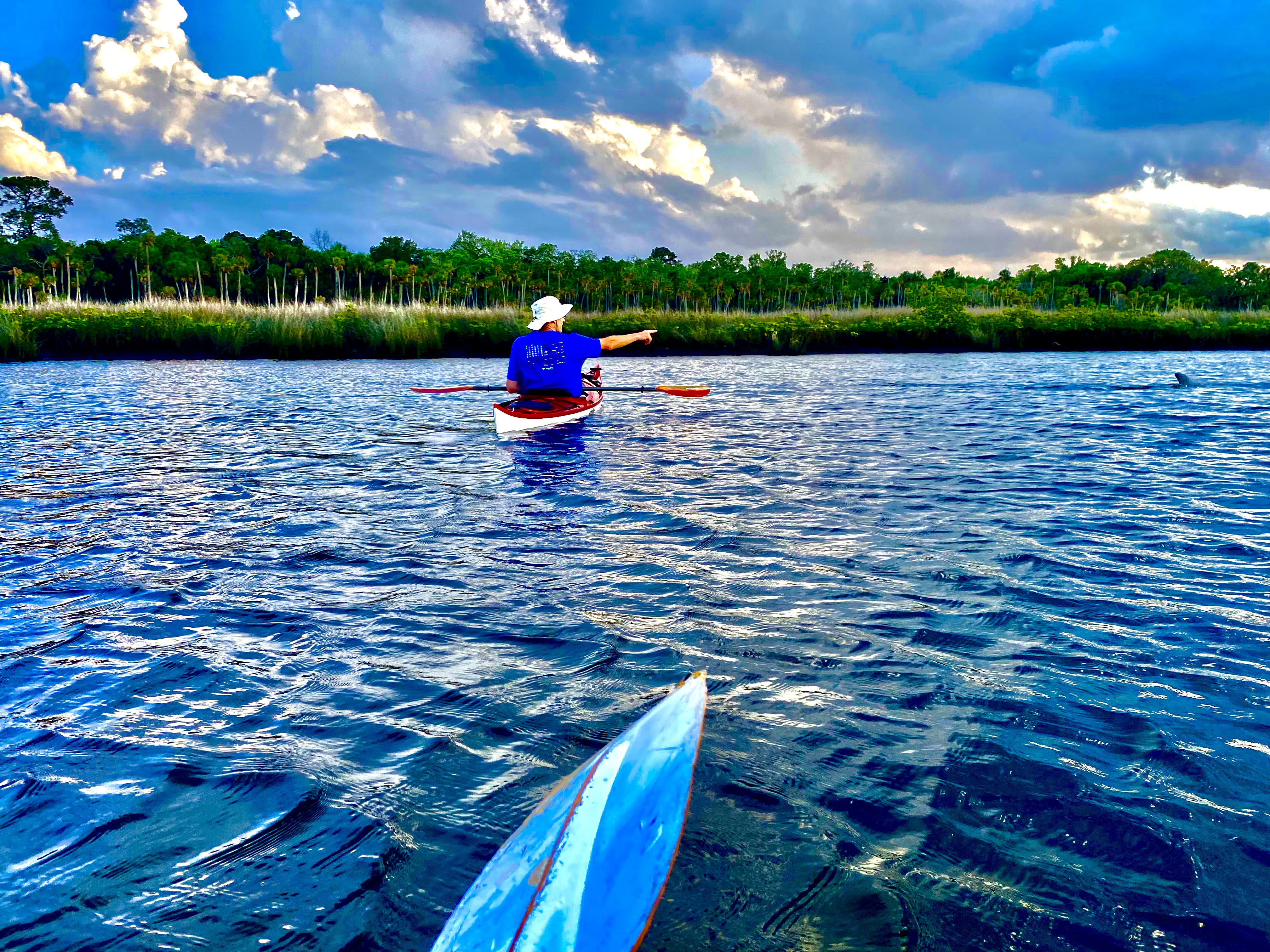
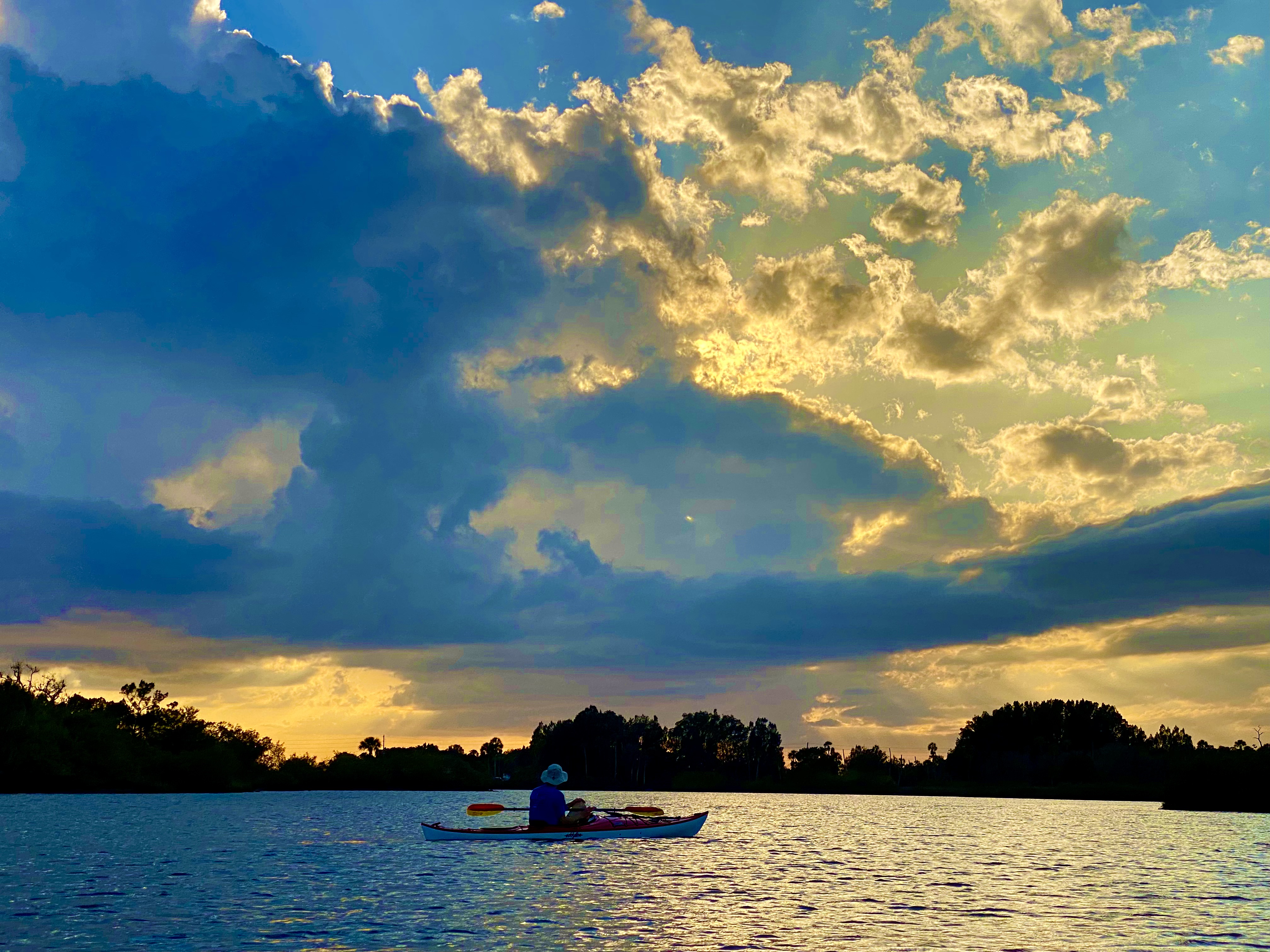
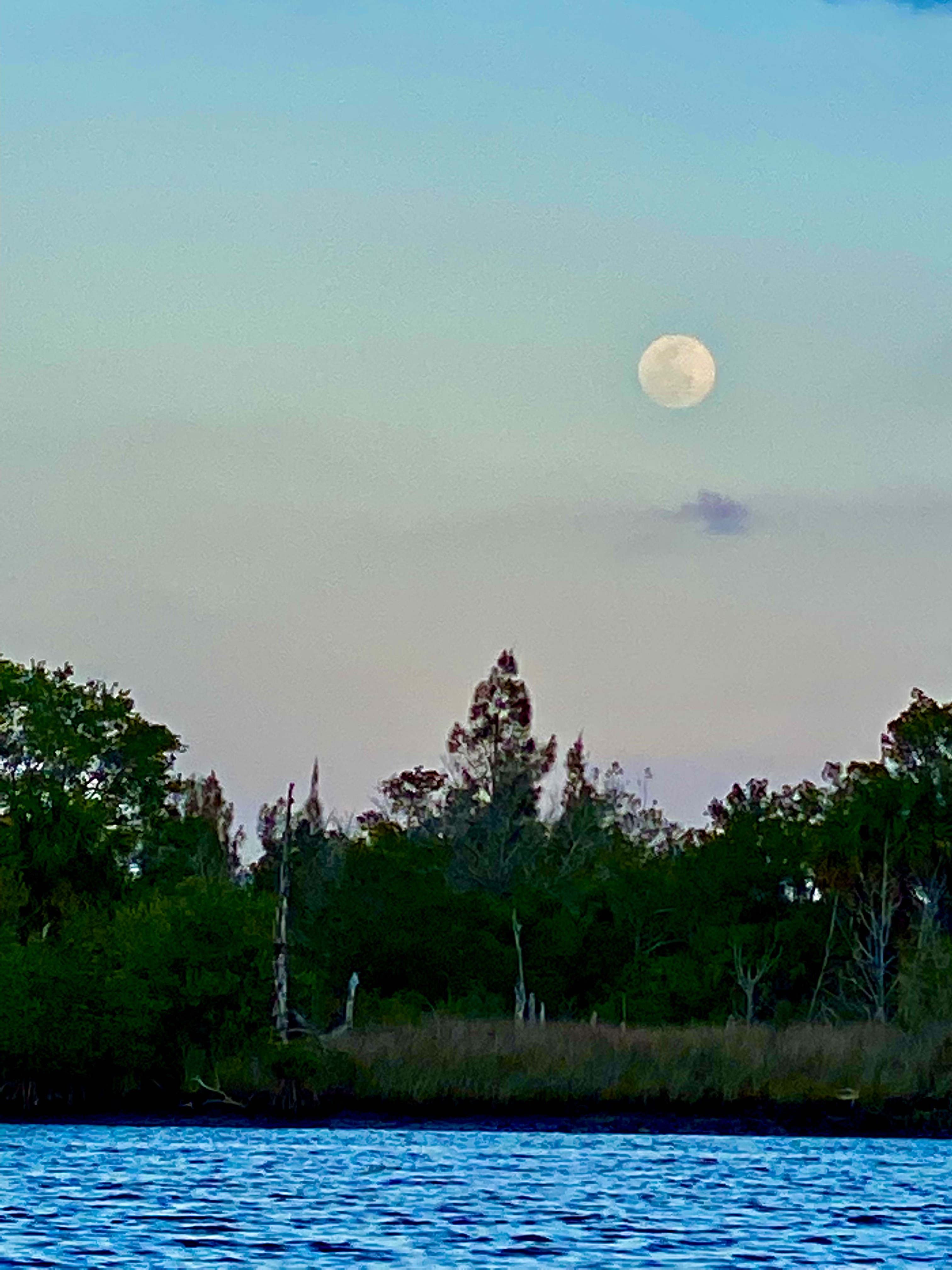
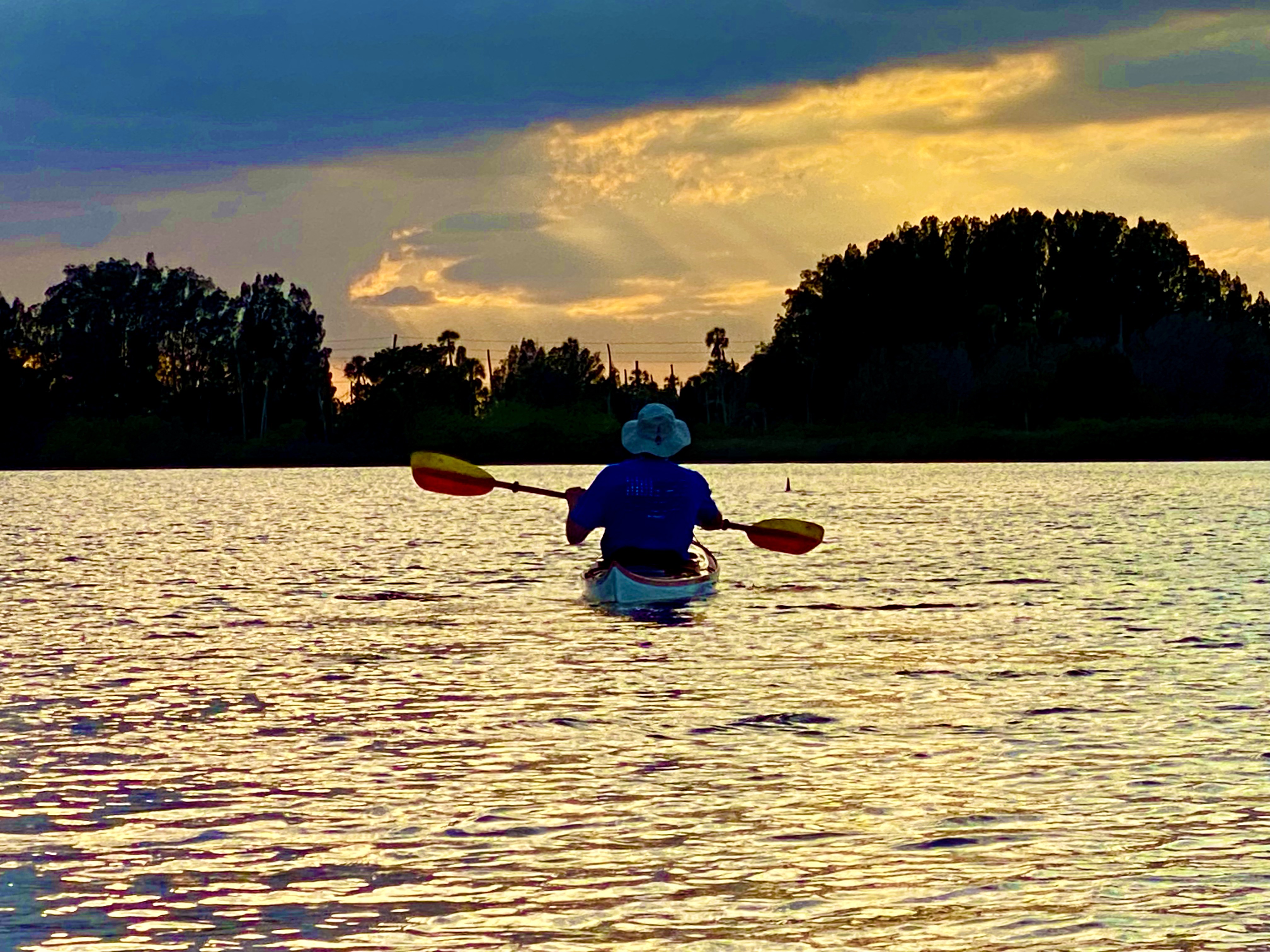
The farther we paddled into the open marsh, the more isolated the route felt. Yet the village was never very far away. Aripeka's channels twist back toward bridges, docks and homes, making the transition between community and wild coast one of the most interesting parts of paddling here.
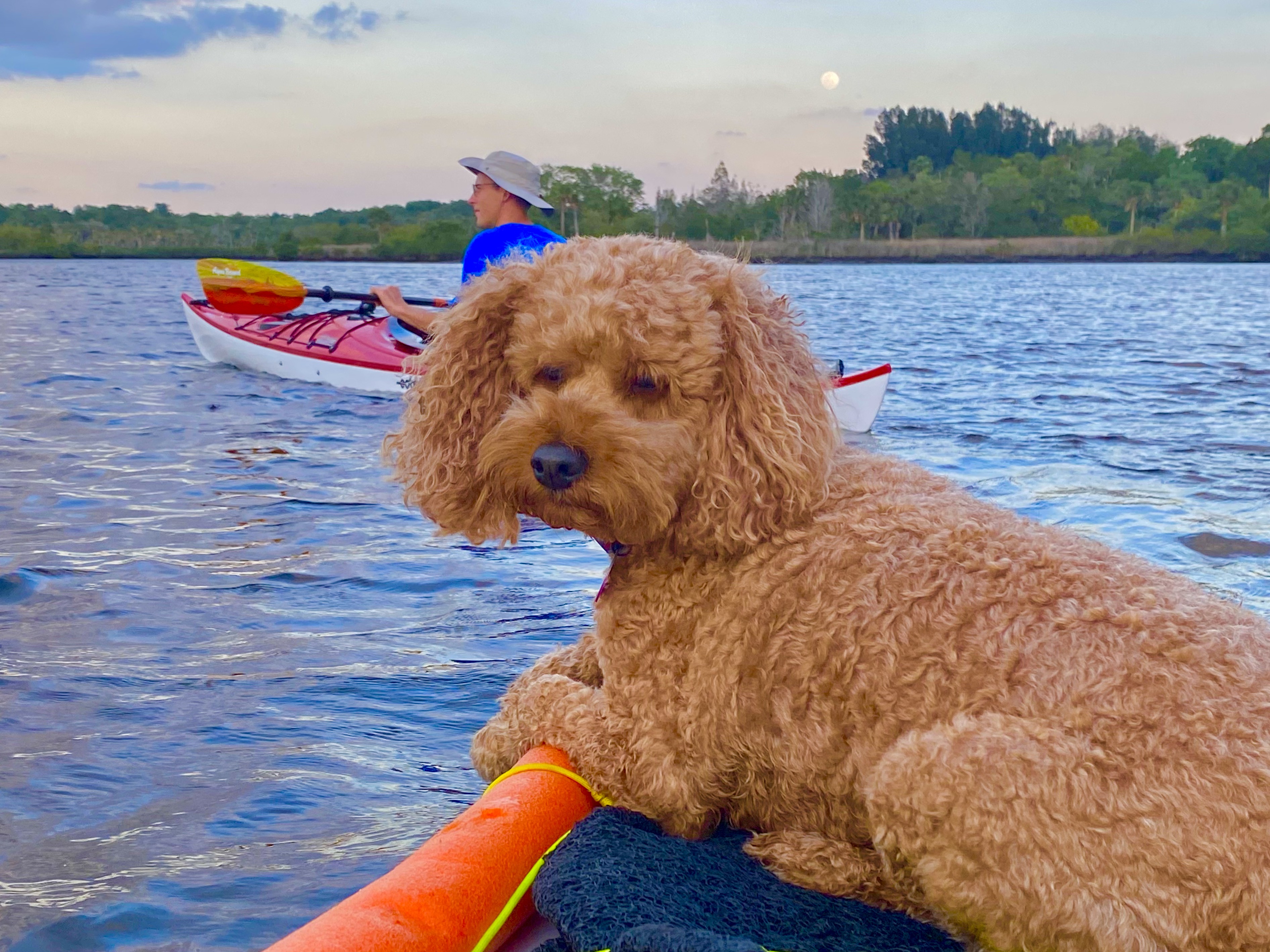
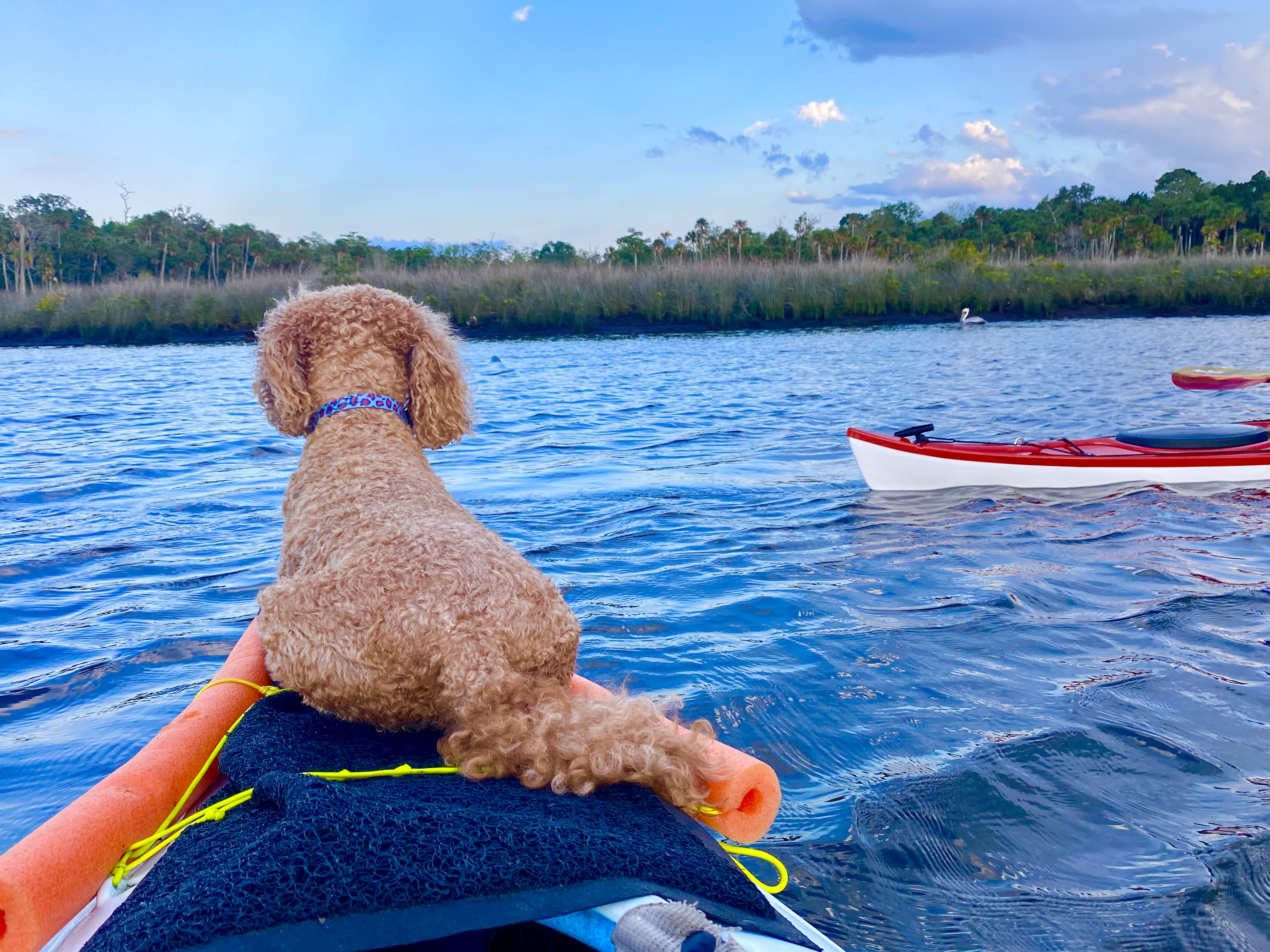
A good day with Claudia and Brandt
The best paddles are often less about mileage than about the people and the place. This April day gave Claudia, Brandt and me time to explore together, talk between the quiet stretches and follow whatever channel looked most interesting. Aripeka provided the perfect setting: small enough to feel intimate, complicated enough to keep us curious and open enough to remind us that the Gulf was always just beyond the marsh.
By the time we turned back, the changing light and tide made familiar passages look different again. We returned through the same watery landscape, but—as so often happens in a kayak—we noticed details on the way back that we had missed completely on the way out.
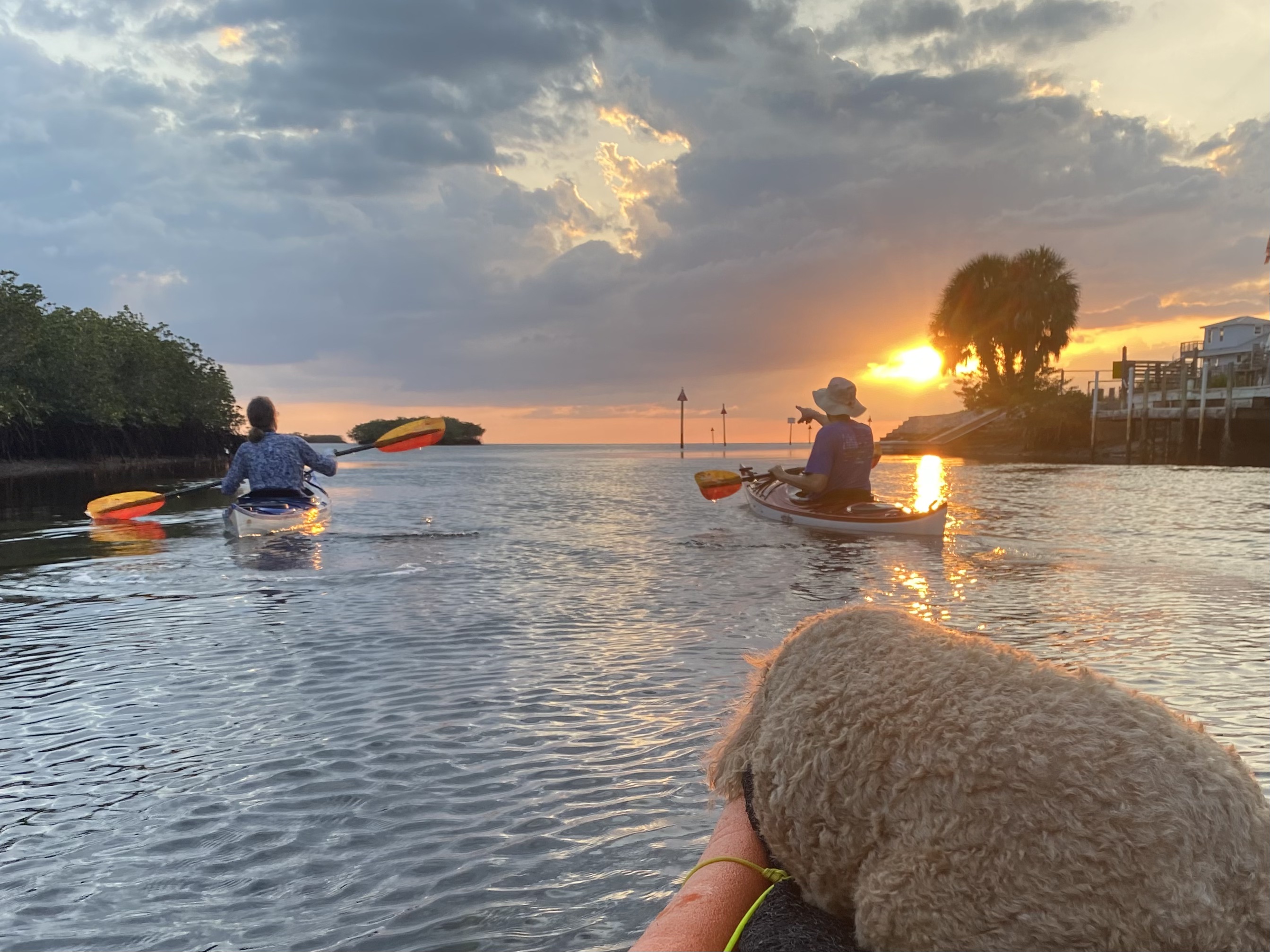
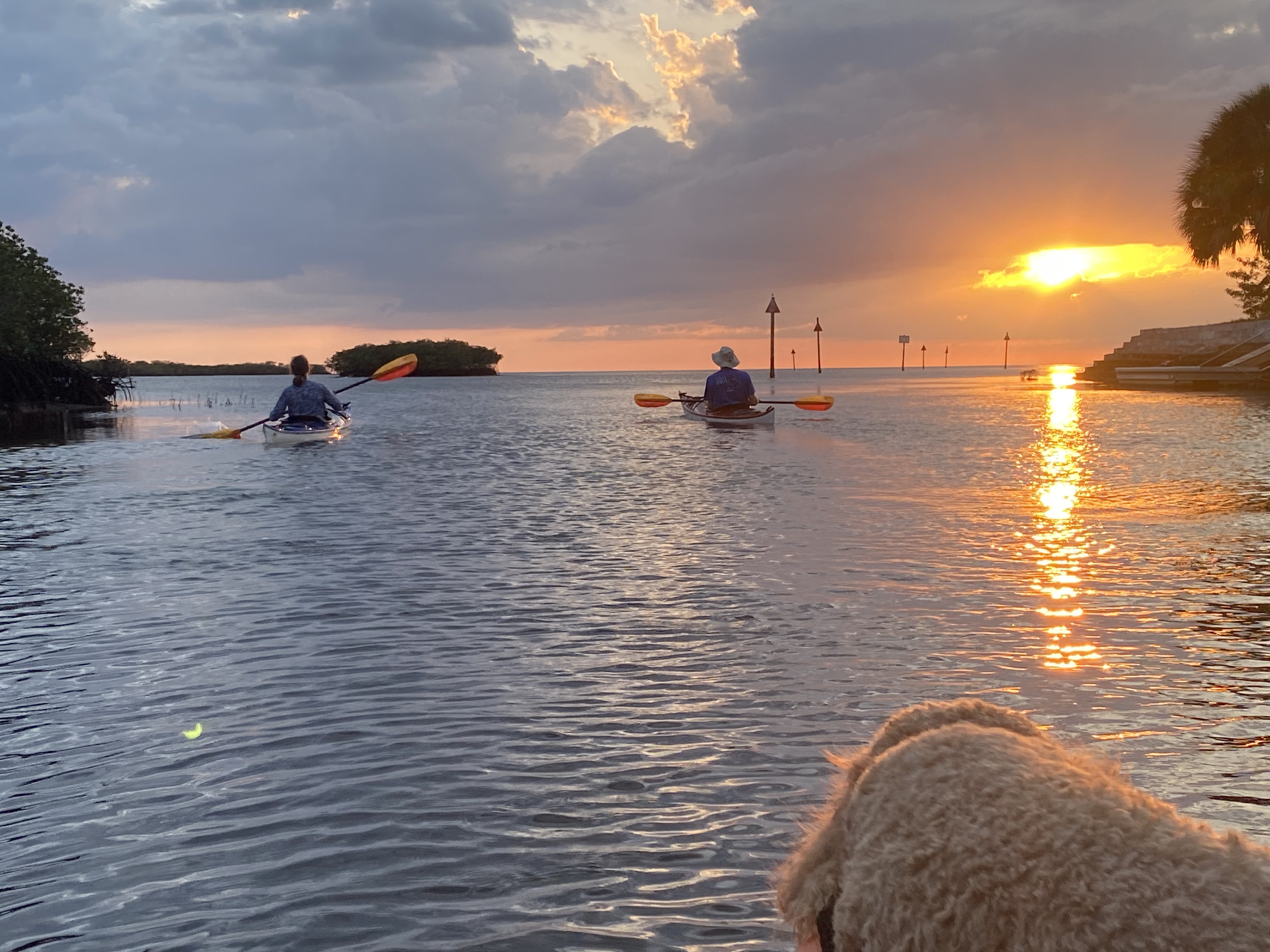
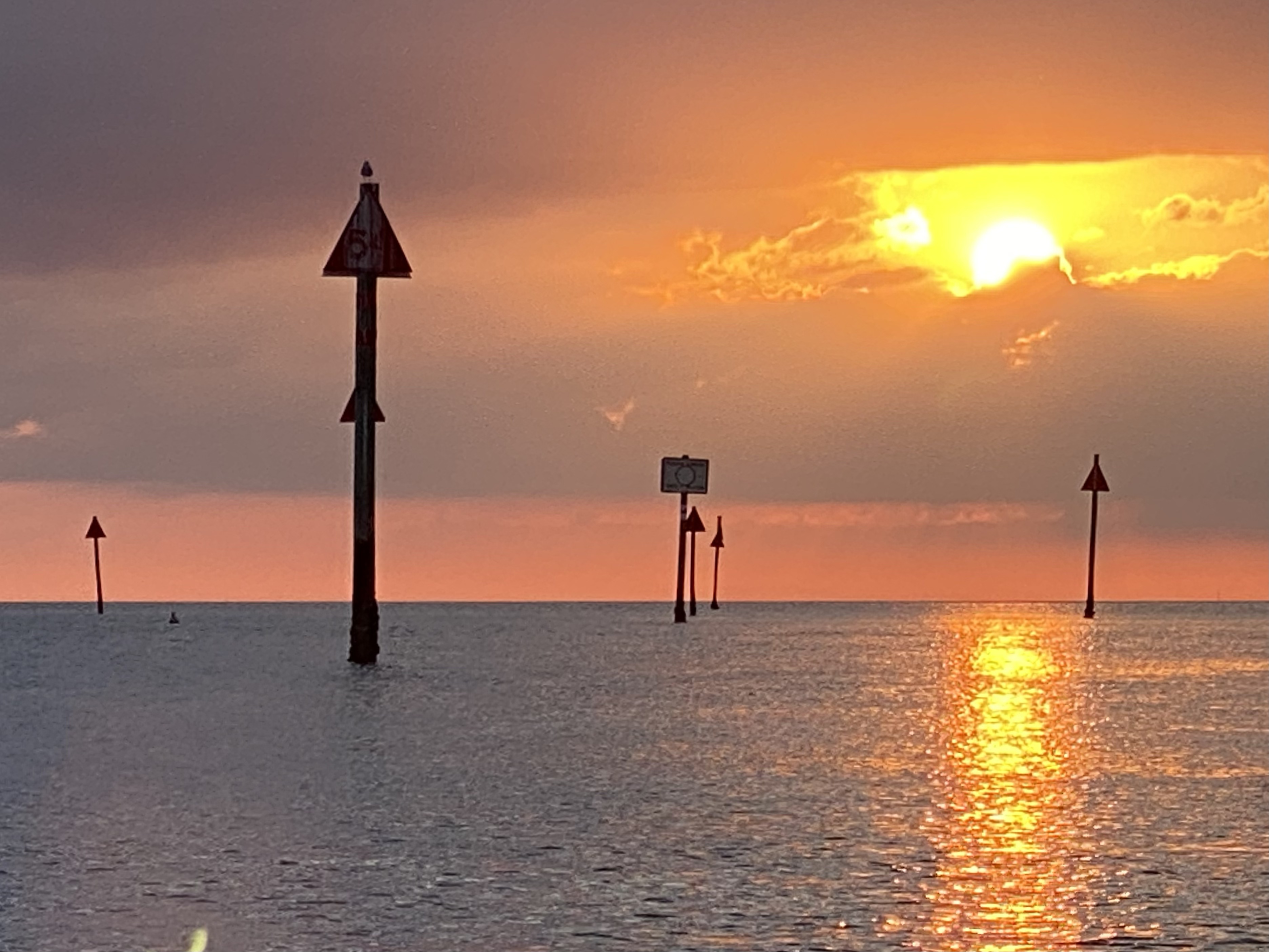
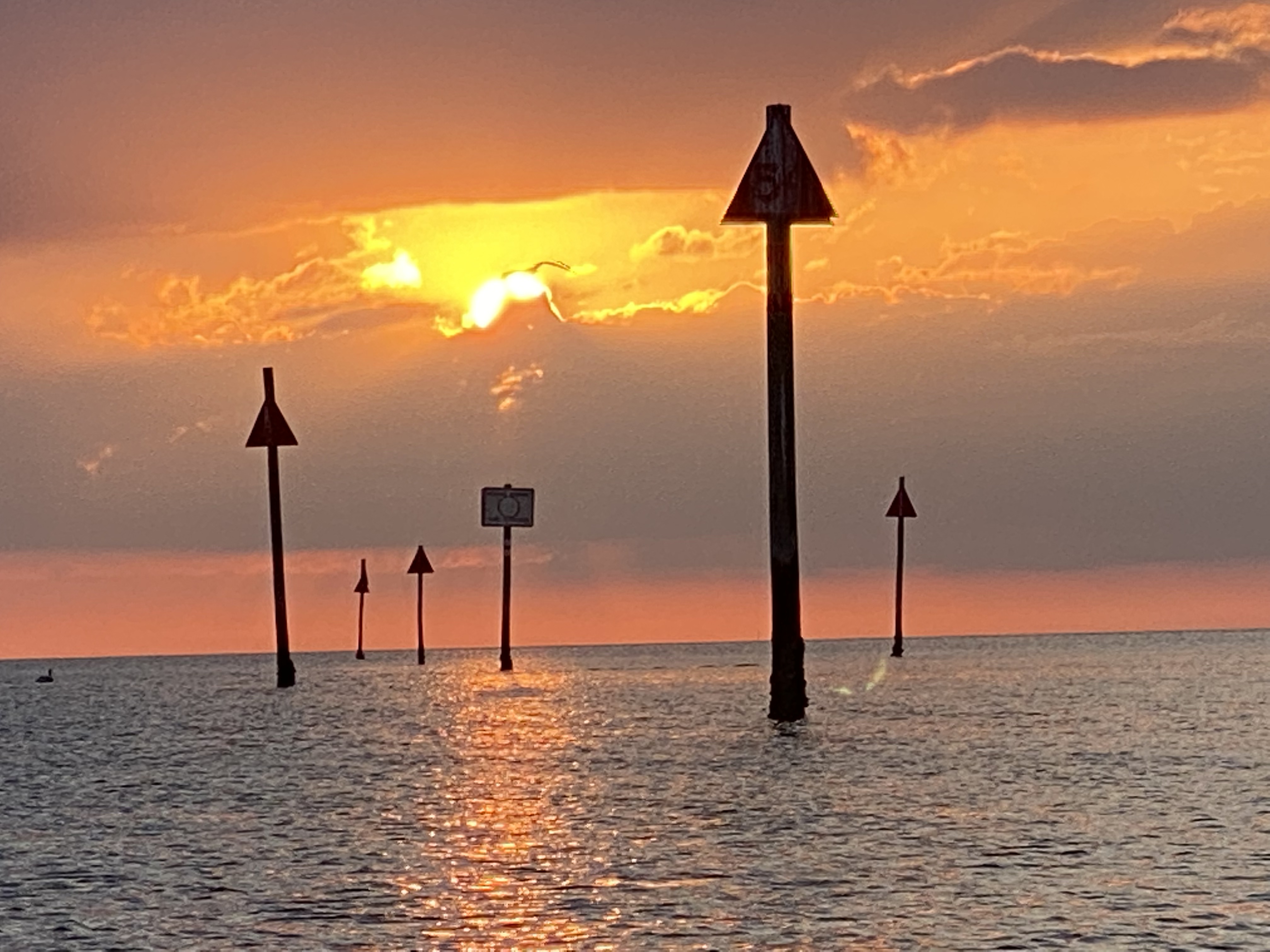
More scenes from the paddle