(Click any photograph for a full-size image.)
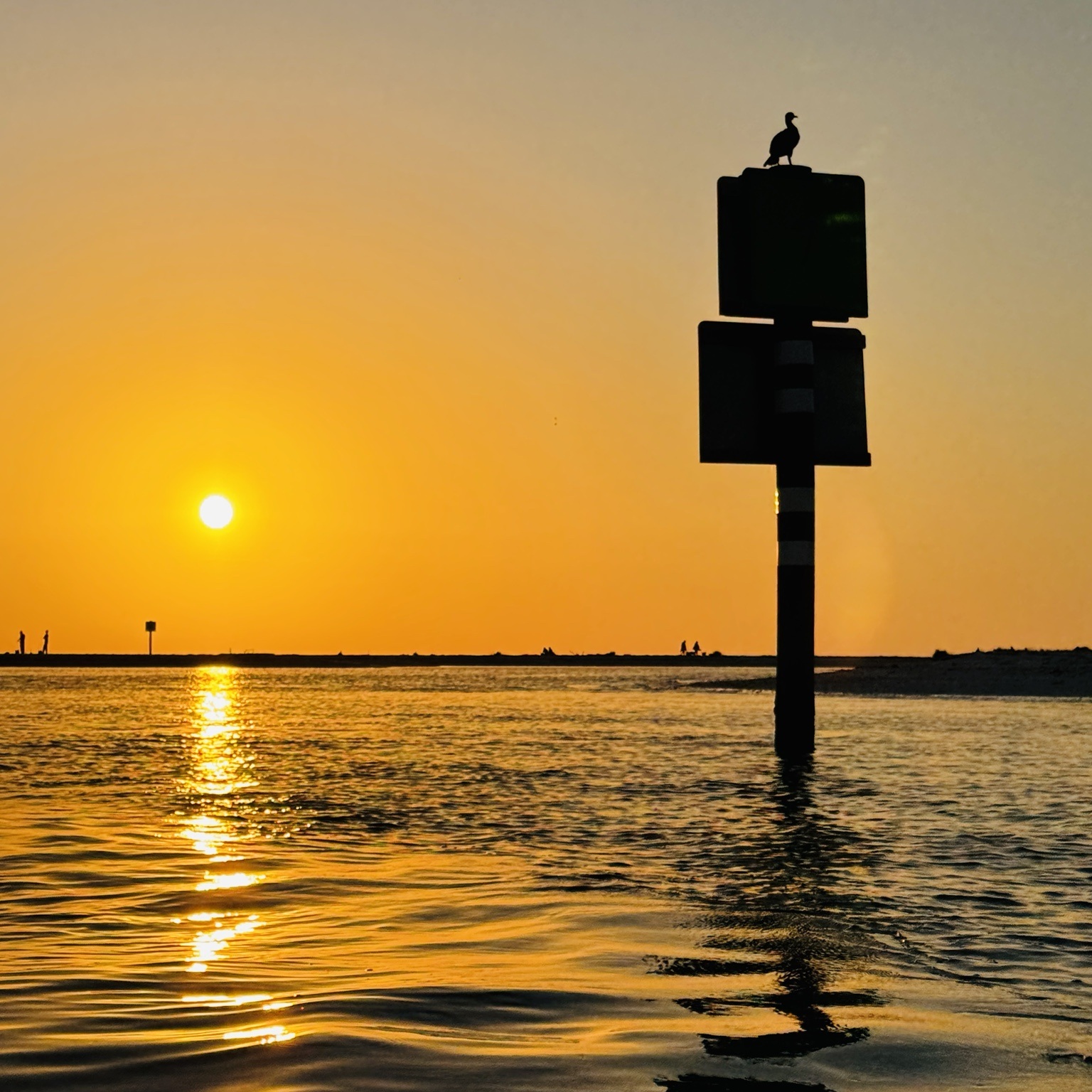
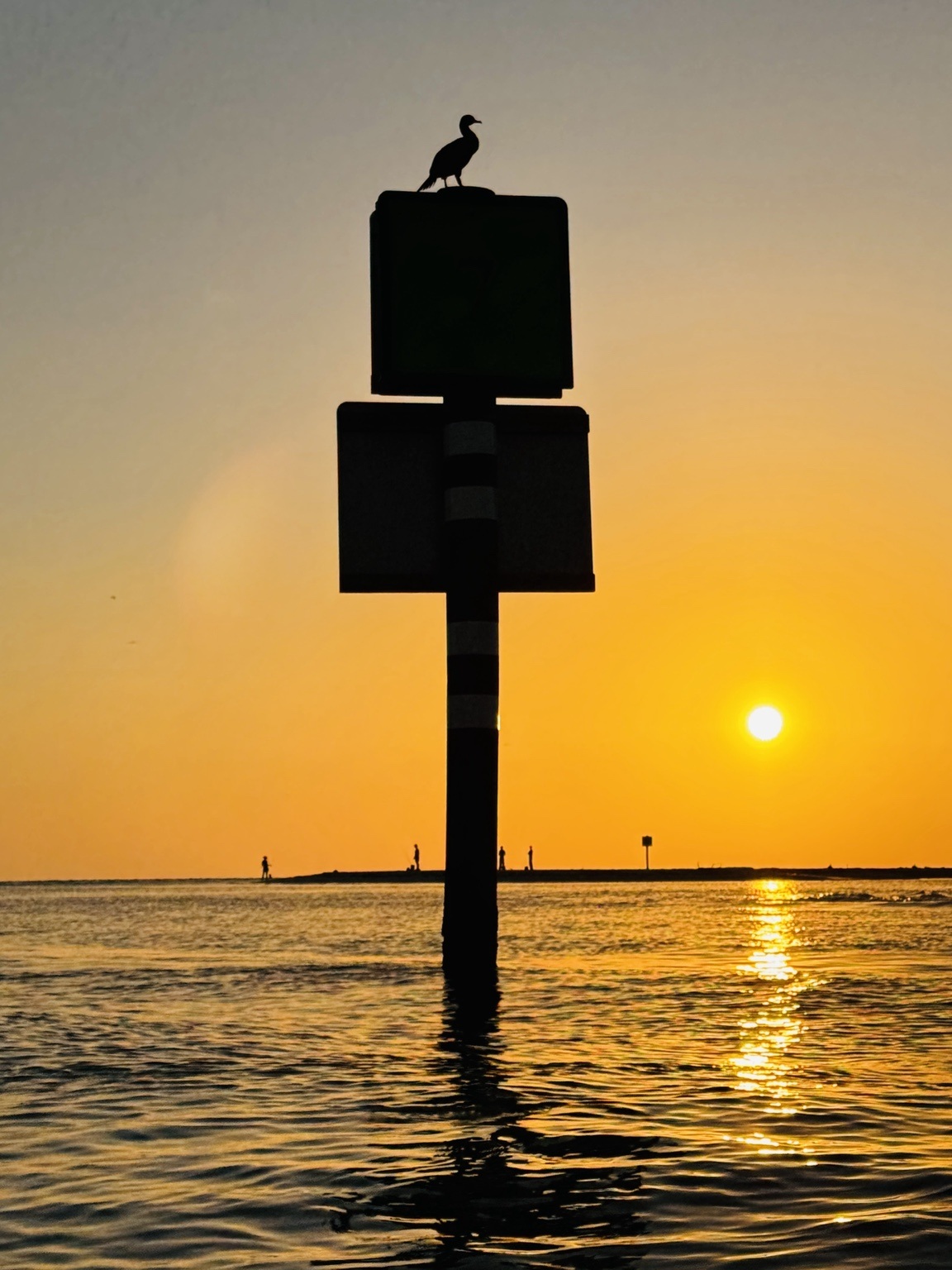
There are so many good sunsets out in Hurricane Pass, between Caladesi Island State Park and Honeymoon Island State Park, that you really cannot go wrong. The view keeps changing as the tide moves, boats pass through the channel, birds settle onto the markers, and the last light stretches across the shallow water.
A pass made by a storm
Honeymoon Island and Caladesi Island were once joined as one long barrier island called Hog Island. On October 25, 1921, the powerful Tampa Bay hurricane drove water across the island and cut a new opening through it. That opening became Hurricane Pass, separating the northern piece—today's Honeymoon Island—from Caladesi to the south.
The storm did not merely change a map. It created a living tidal doorway. Gulf water now pours through the pass on every tide, moving sand, shaping shoals, feeding birds and fish, and constantly redrawing the edges of both islands.
How Hurricane Pass Was Created
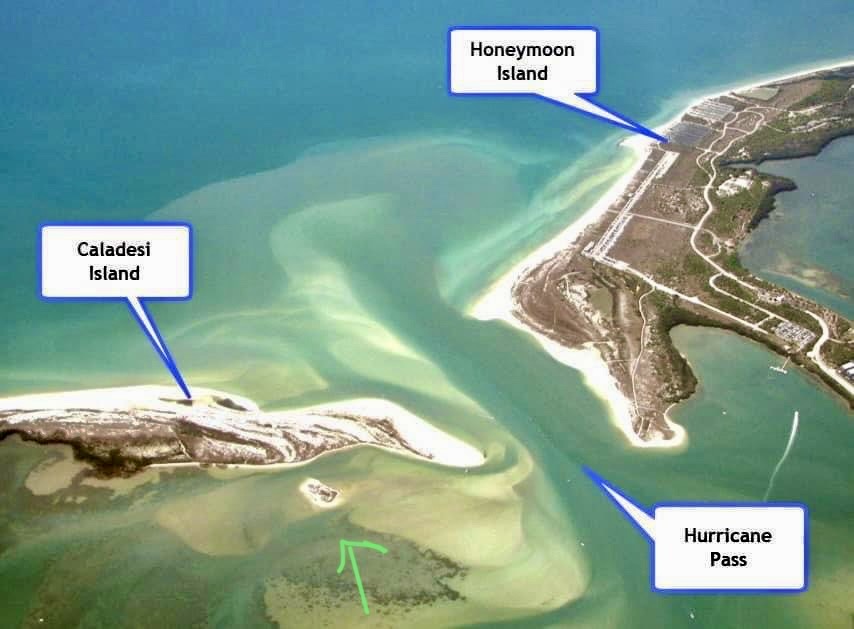
Until the great Tampa Bay Hurricane of October 25, 1921, Honeymoon Island and Caladesi Island were connected as one long barrier island known as Hog Island. The hurricane cut a new tidal inlet through the island, creating Hurricane Pass. Ever since, tides and storms have continued reshaping the sandbars and beaches around the pass.
The evening rhythm
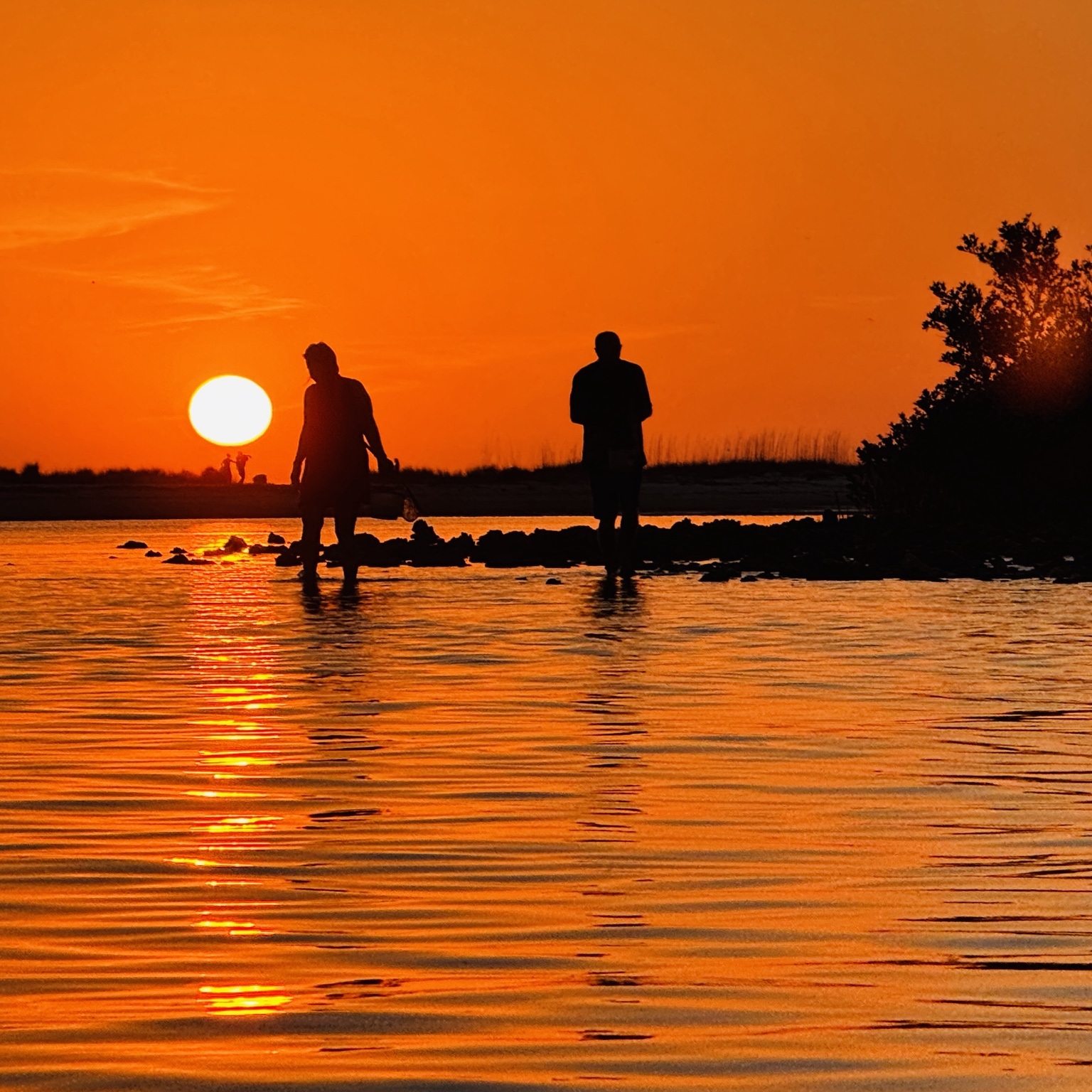
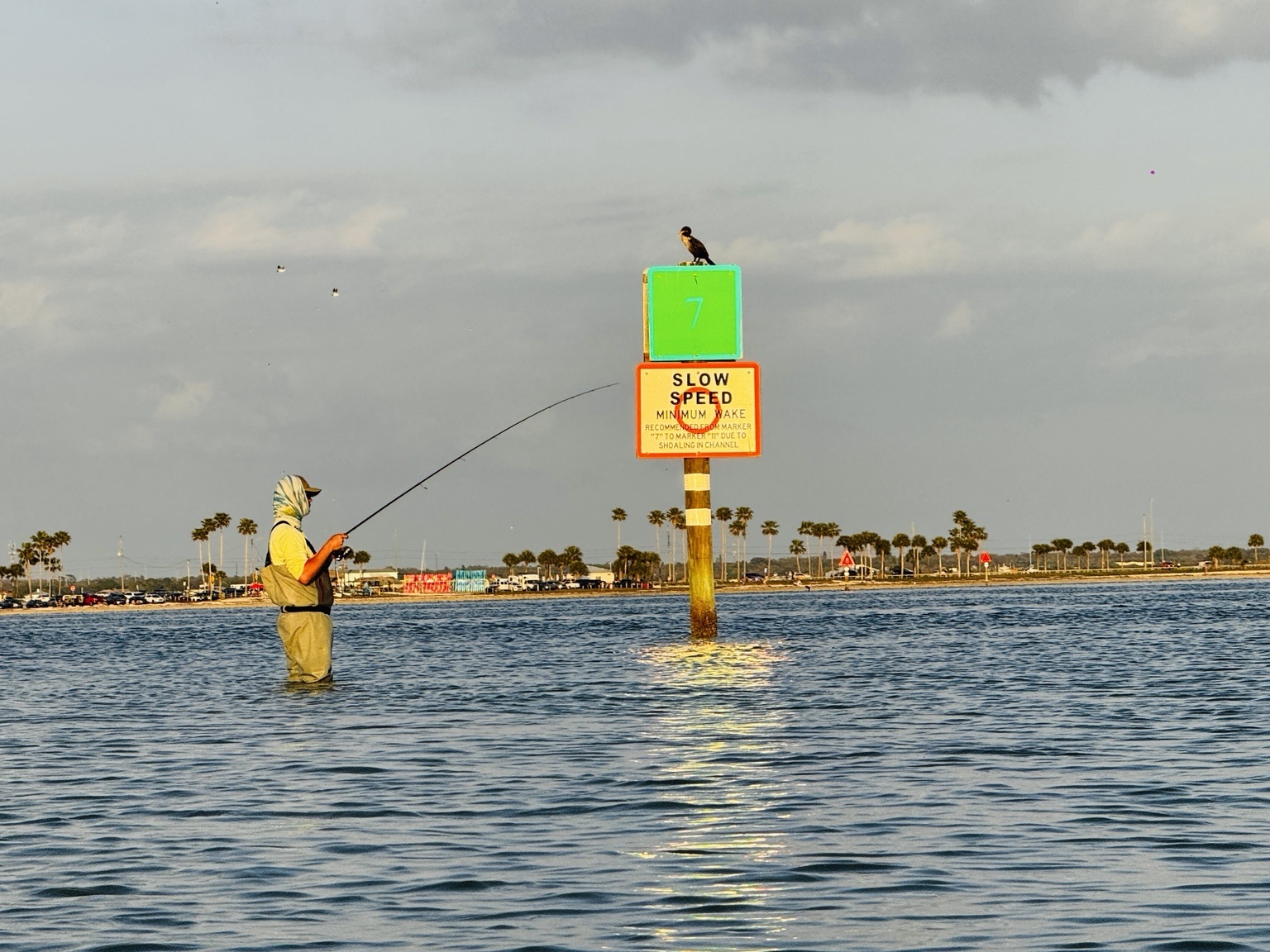
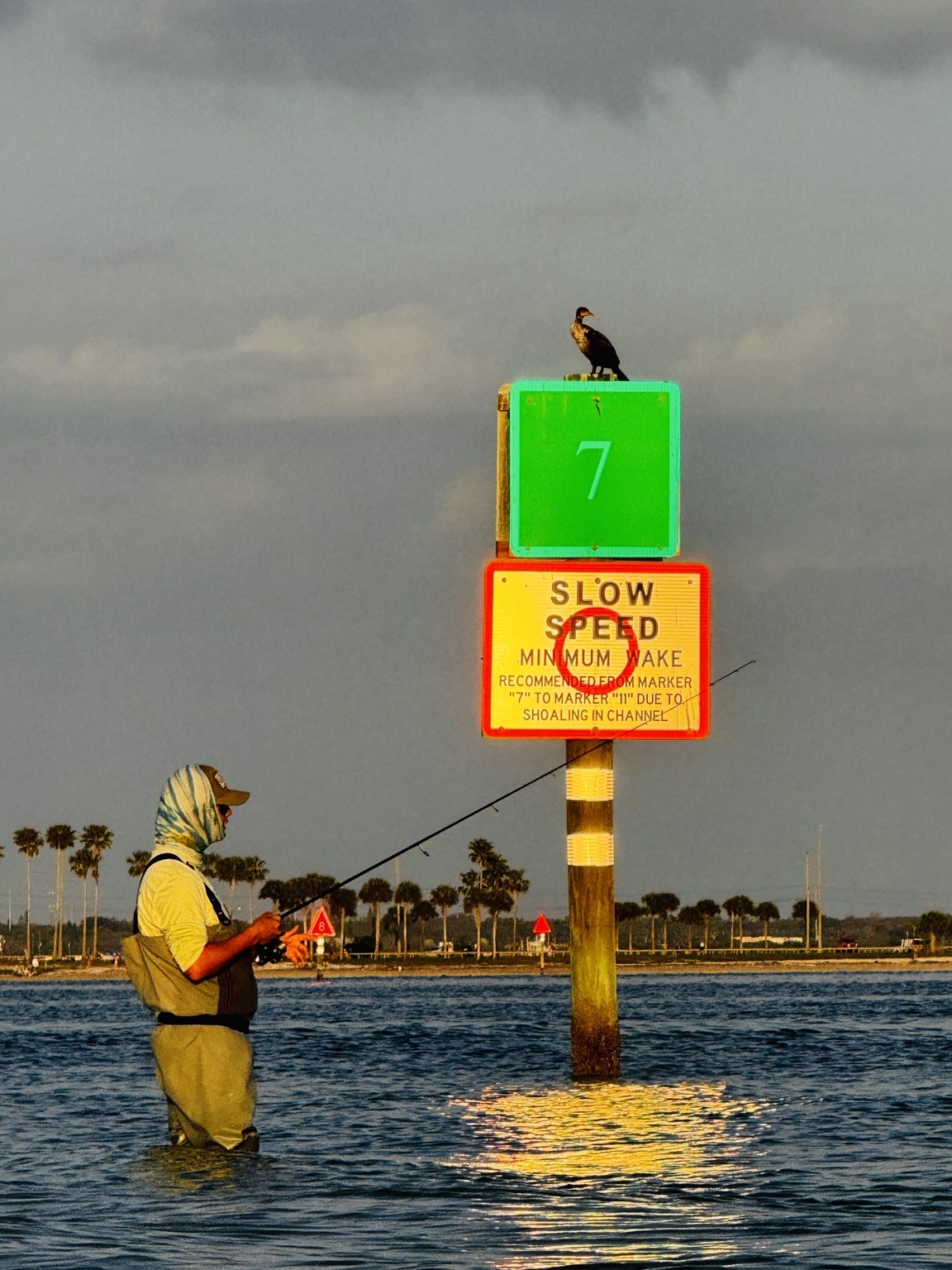
Late in the day the pass settles into its own rhythm. Fishermen stand in the shallows. People walk the exposed bars. Cormorants claim the channel signs as lookout towers. Boats that were busy all afternoon begin heading home, and the water takes on the colors of the sky.
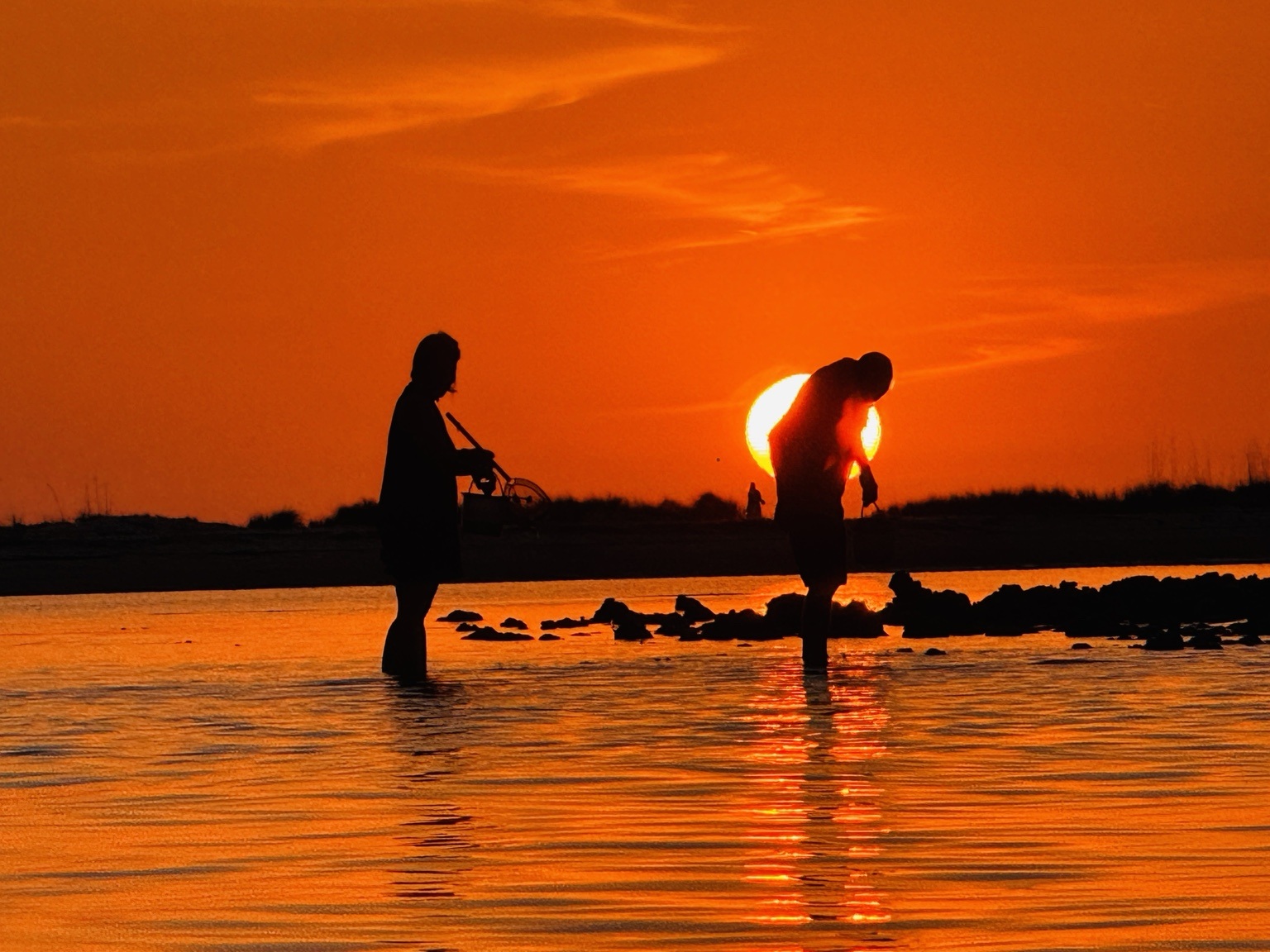
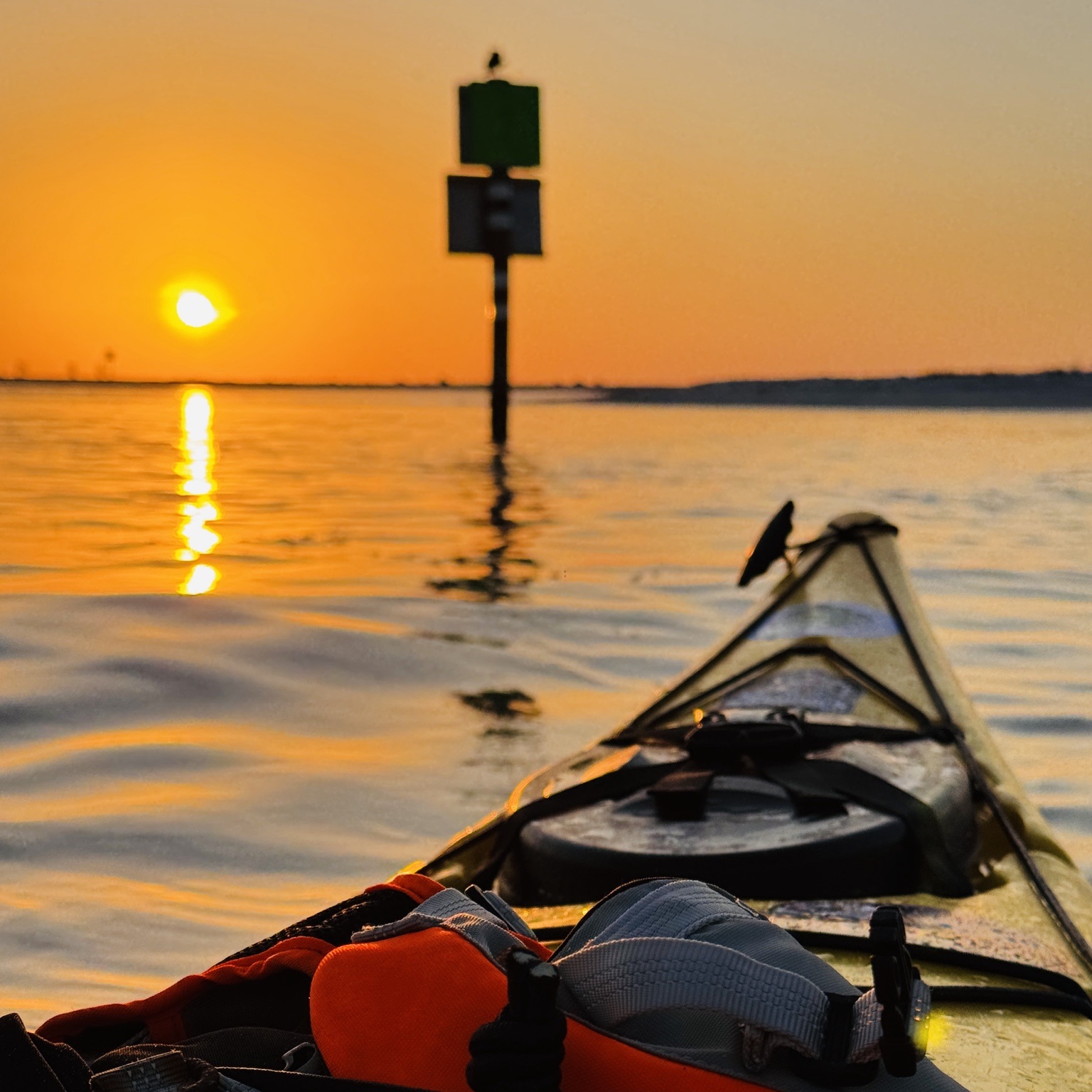
From a kayak, the horizon sits low and wide. Even an ordinary evening can become spectacular when the sun reaches the waterline and every small ripple turns orange, red and gold.
My Typical Hurricane Pass Paddle
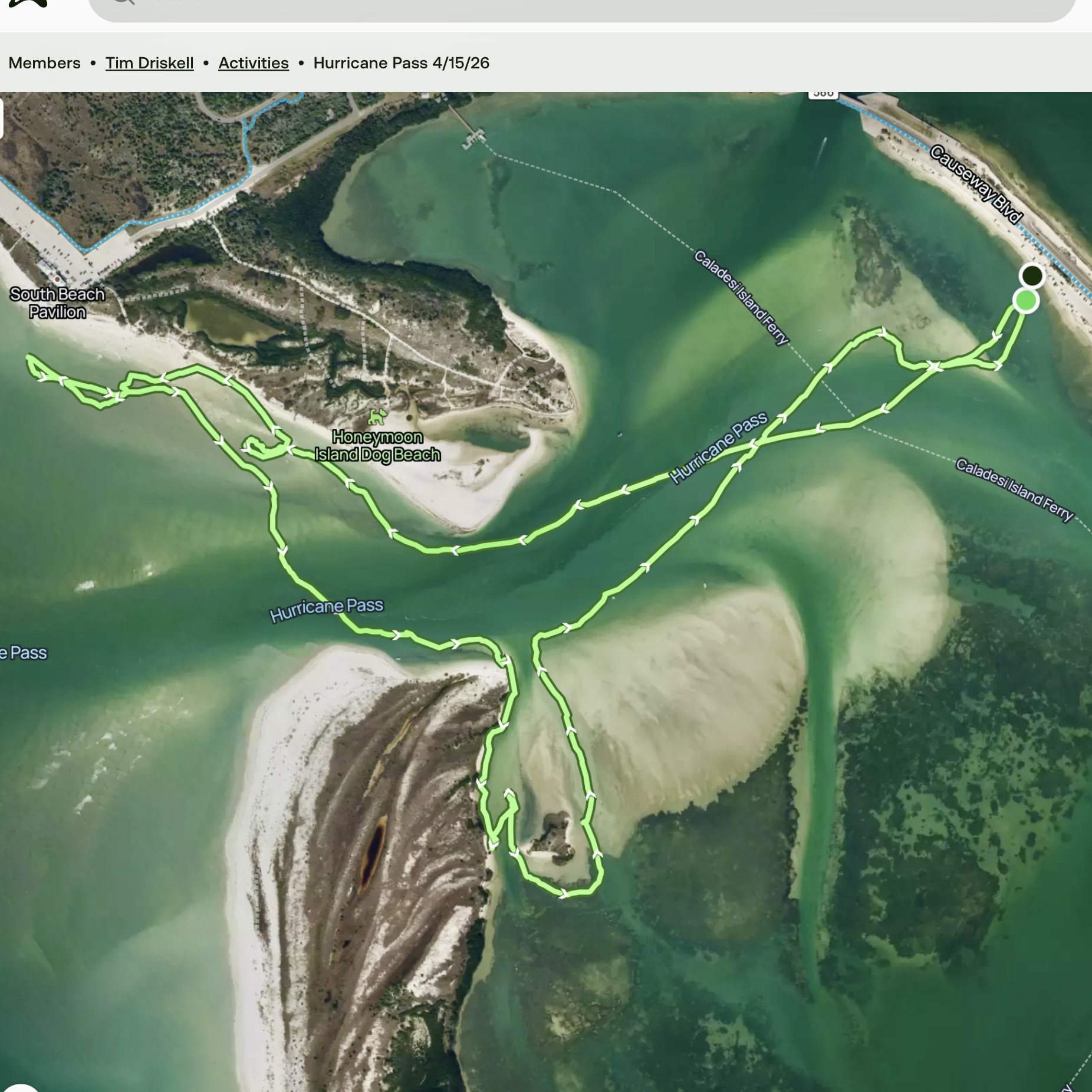
Although this GPS track is from a different day, it closely represents my usual route through Hurricane Pass. I explore both islands, paddle along the Gulf beach whenever conditions allow, and almost always stop at Honeymoon Dog Beach so Buddyboy can get out, stretch his legs, and play with the other dogs before we continue our paddle.
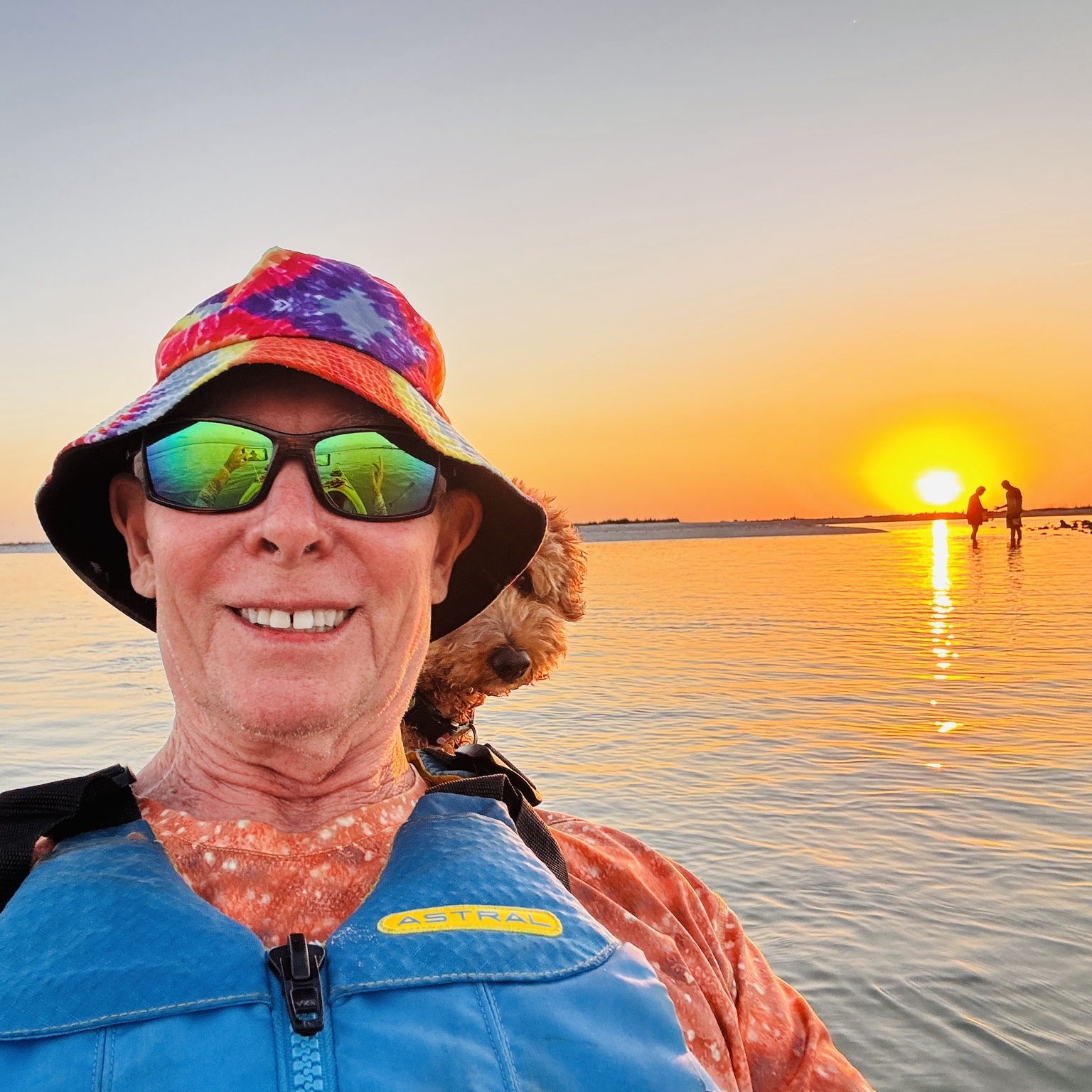
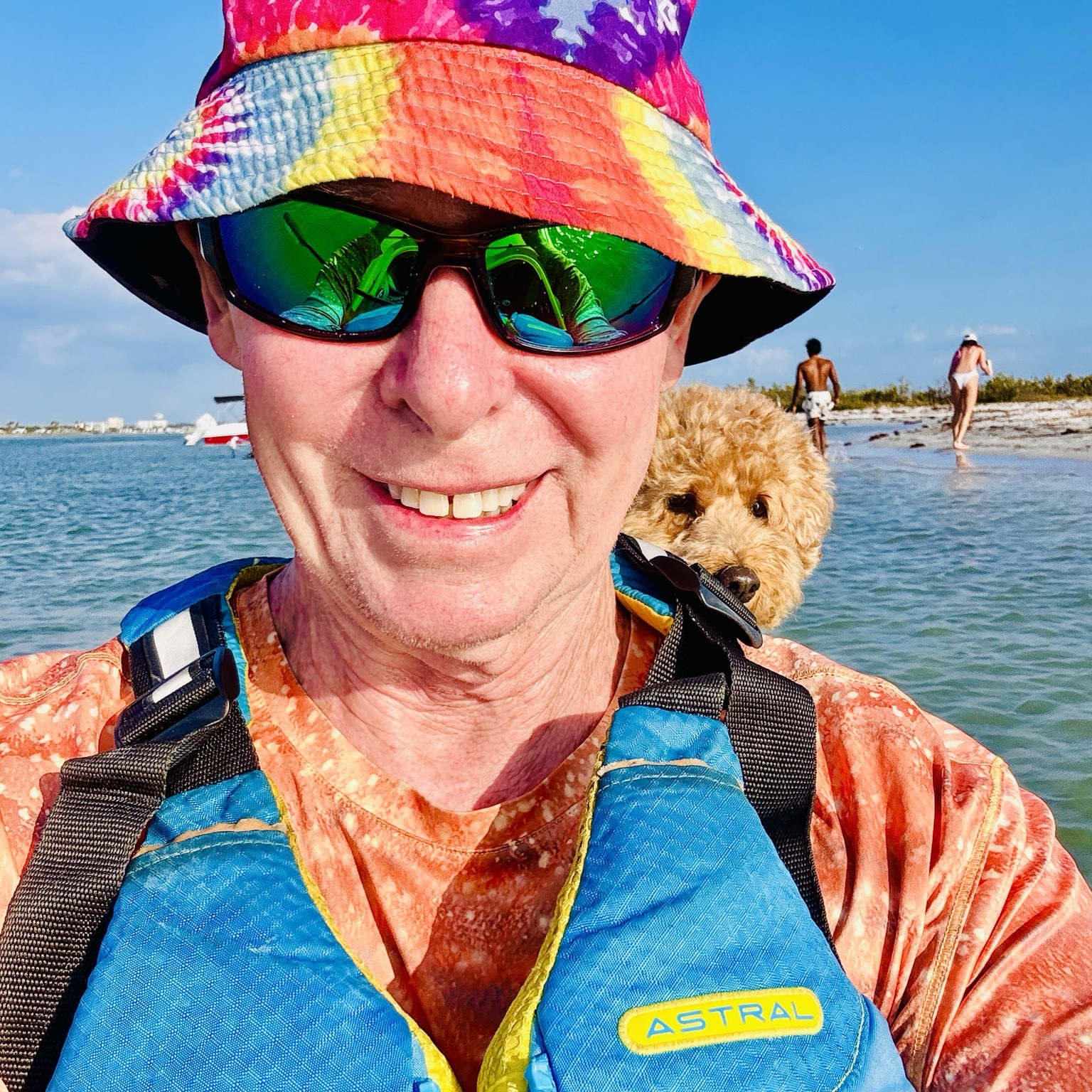
Buddyboy and me
Buddyboy has seen this view many times from the kayak. Sometimes he looks over my shoulder. Sometimes he watches the beach, the birds, or the people wading in the distance. The two of us can drift quietly and let the sunset do all the work.
This is one of those places where the trip does not need a complicated plan. Paddle toward the pass, pay attention to the tide and boat traffic, find a calm place near the edge, and wait for the light.

Always changing
Barrier islands never stay fixed for long. Waves, tidal currents and storms move their sand from one place to another. Hurricane Pass itself is part of that process: a channel born suddenly in 1921, then maintained and reshaped every day by the exchange of water between the Gulf and St. Joseph Sound.
The pass can be smooth and reflective, or fast and restless. The current strengthens near the marked channel, especially when wind and tide work together. That movement is part of what makes the place so visually alive—and why each sunset looks different from the last.
Life around the pass
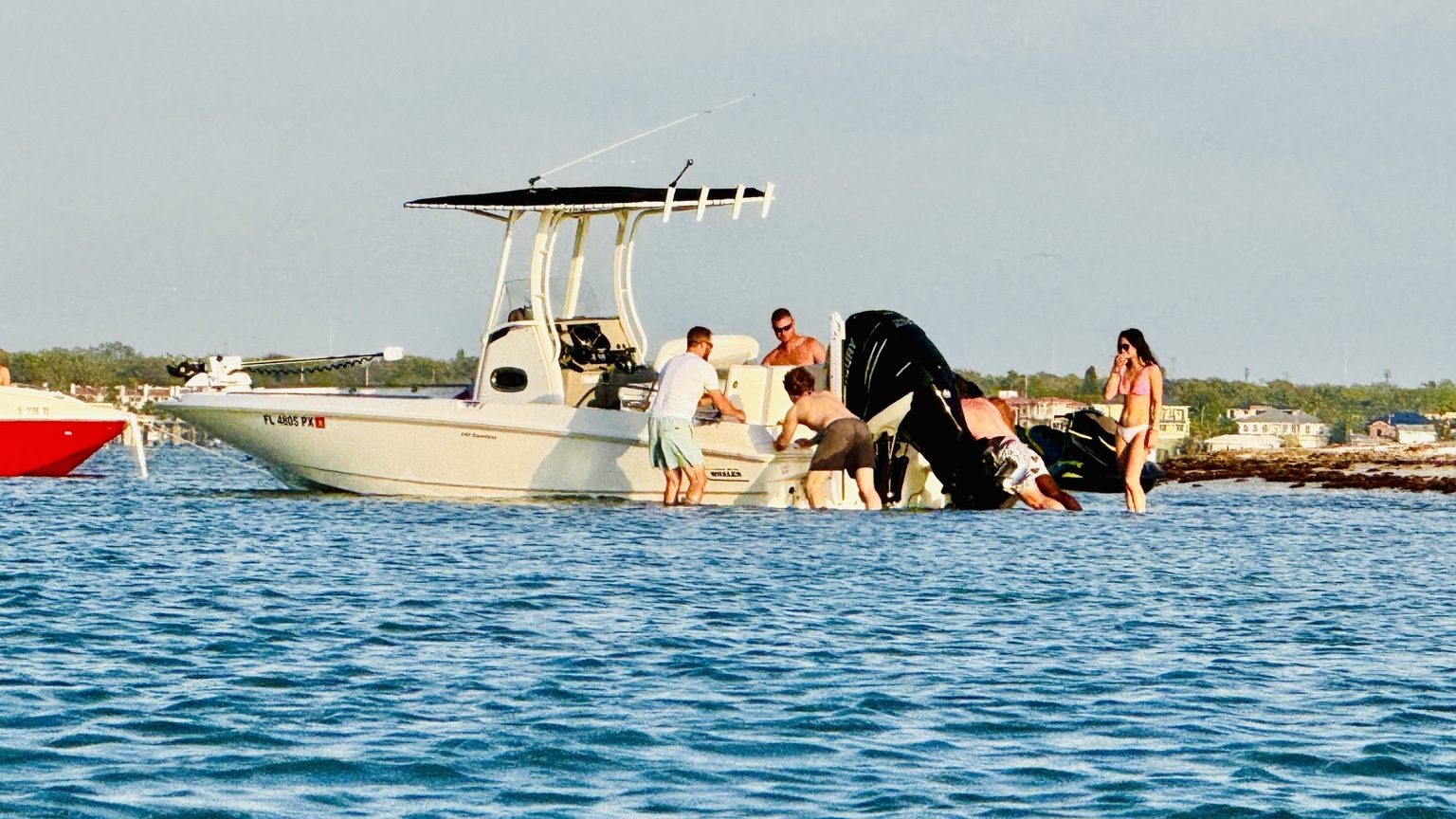
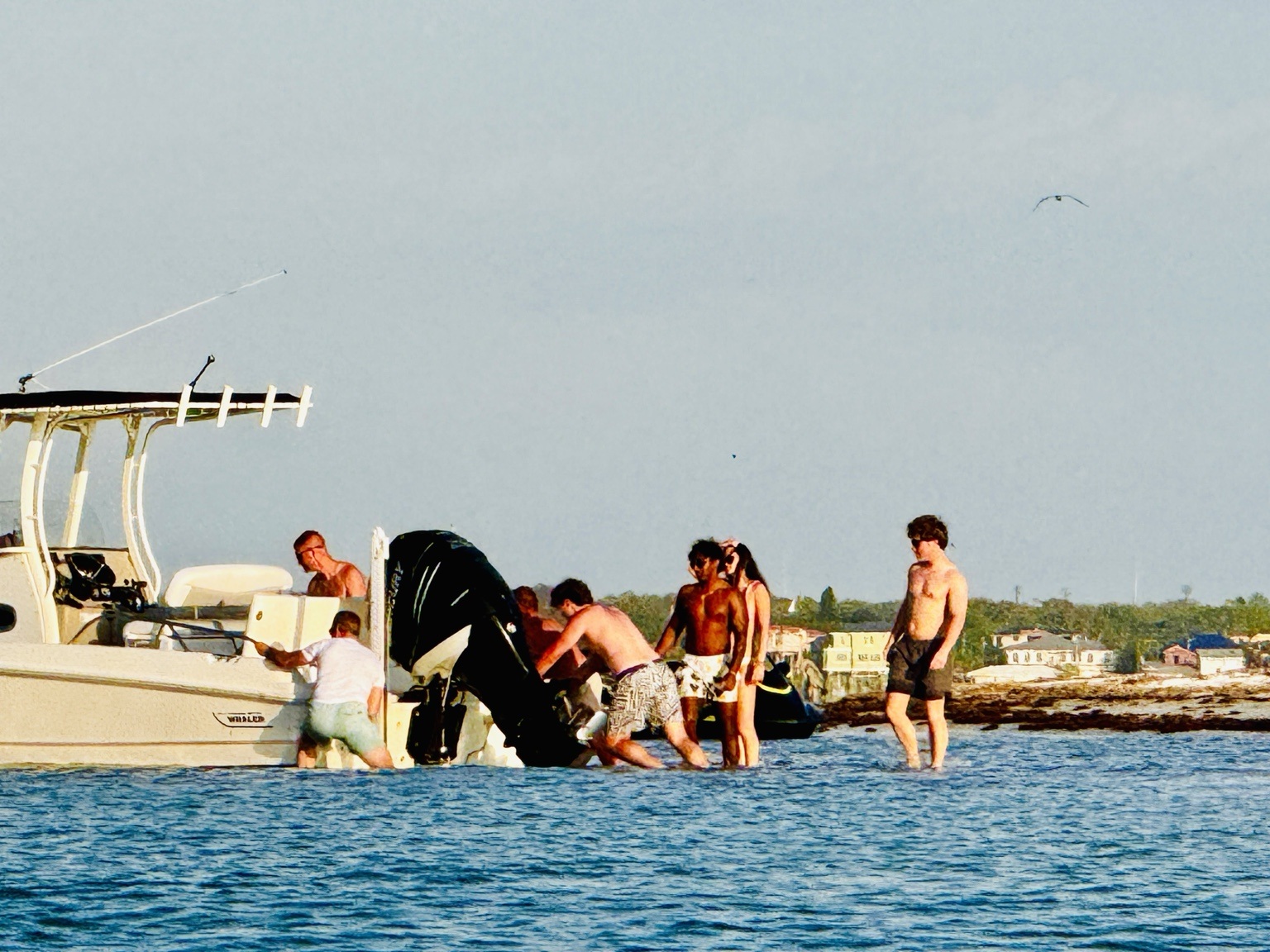
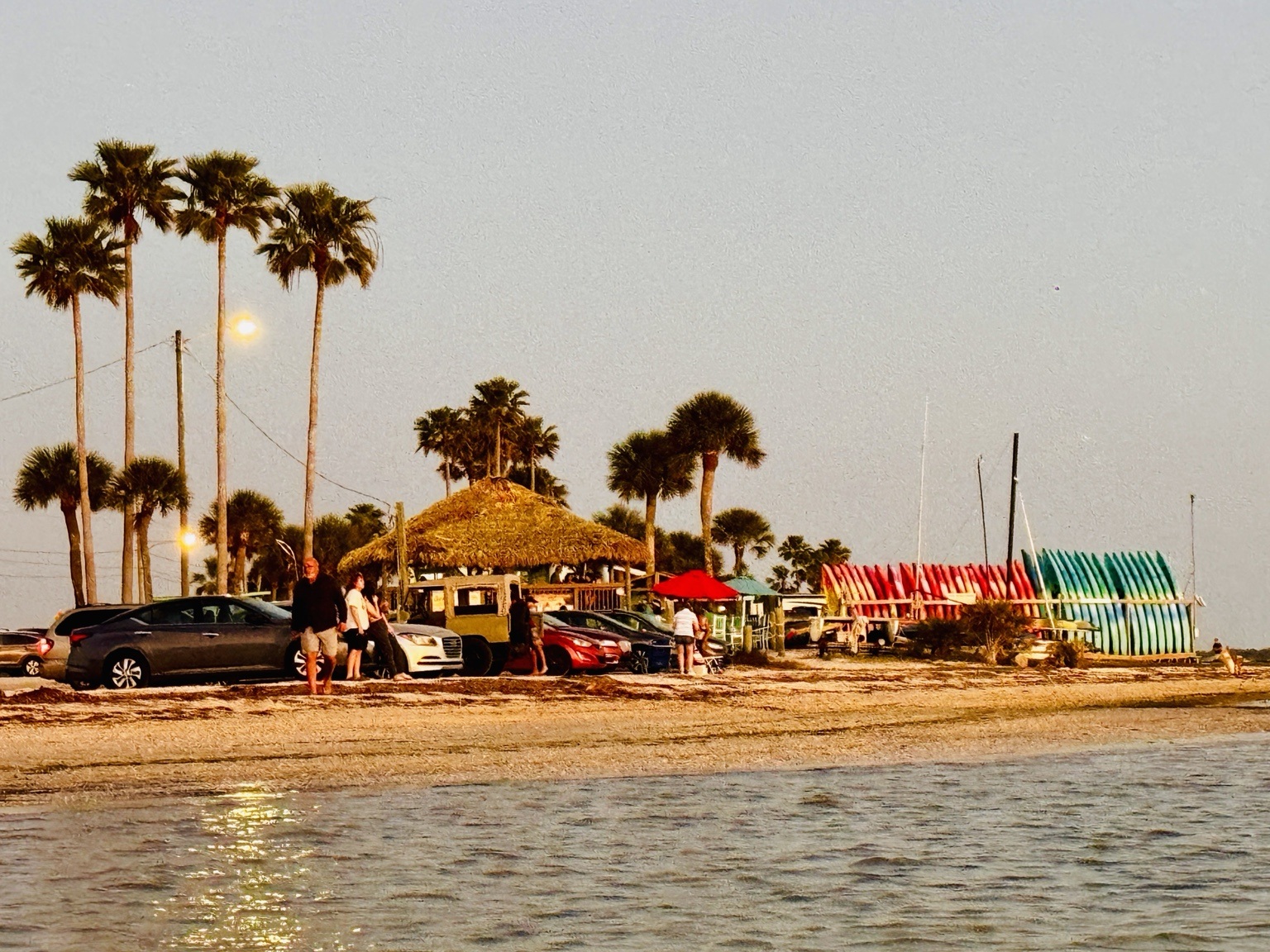
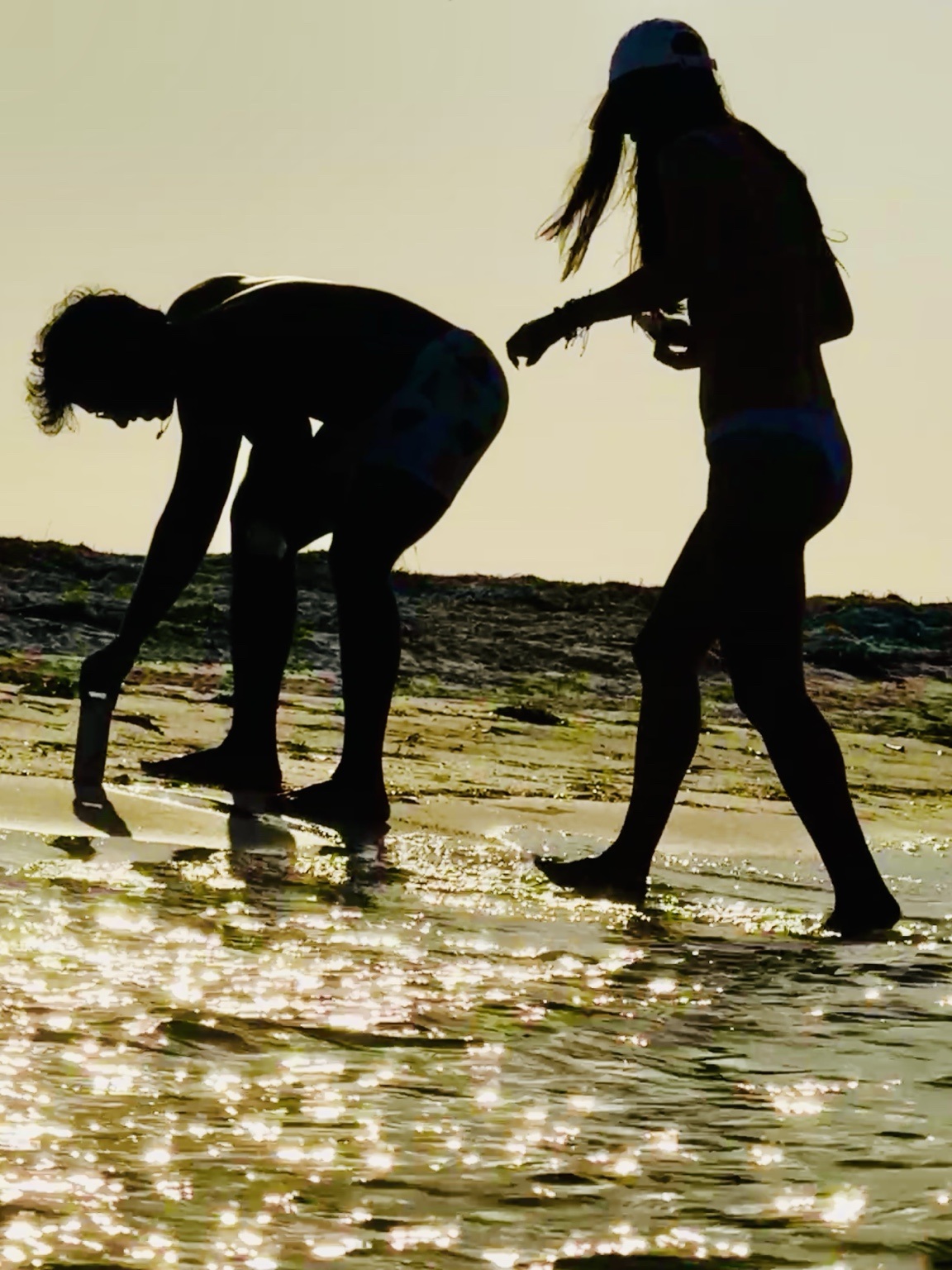
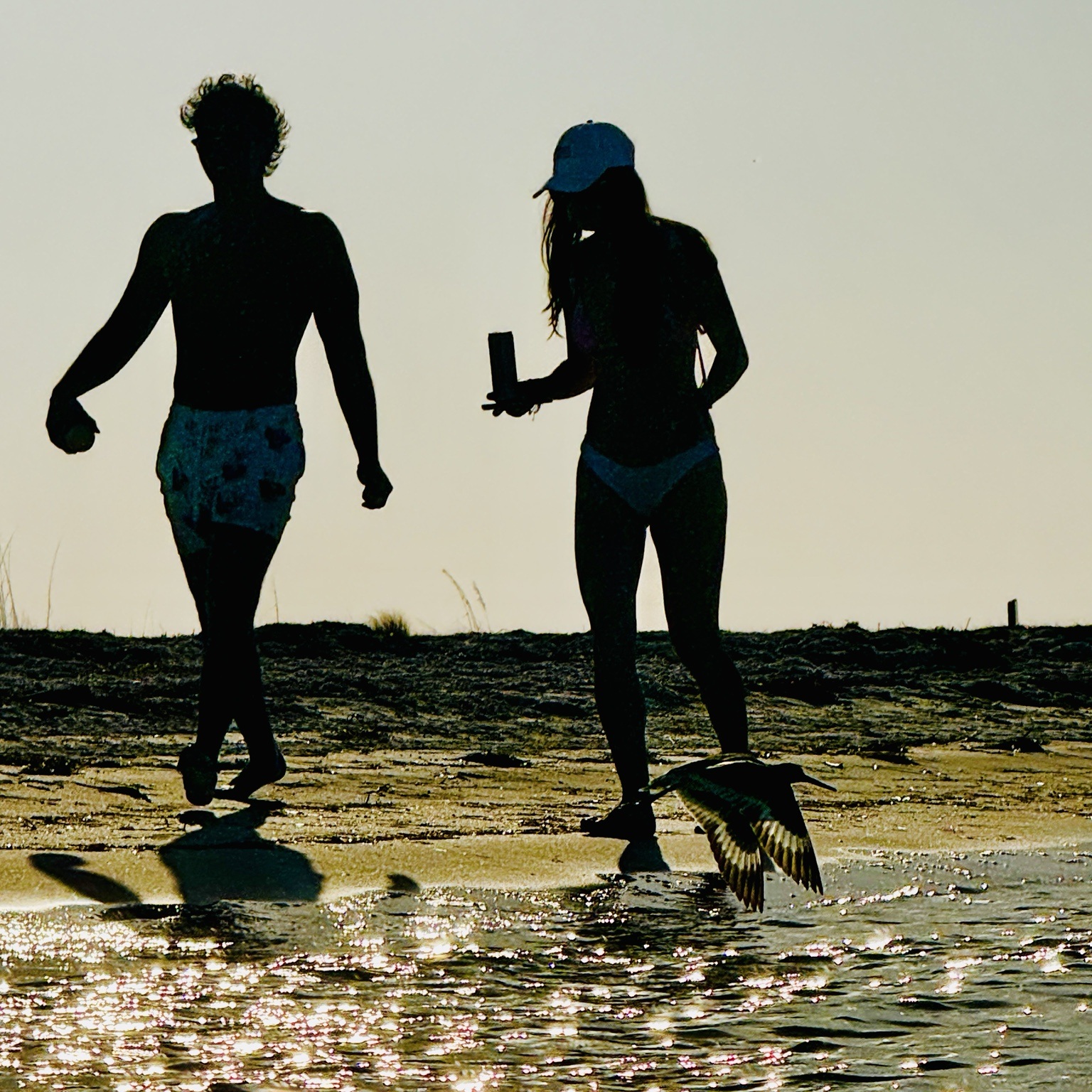
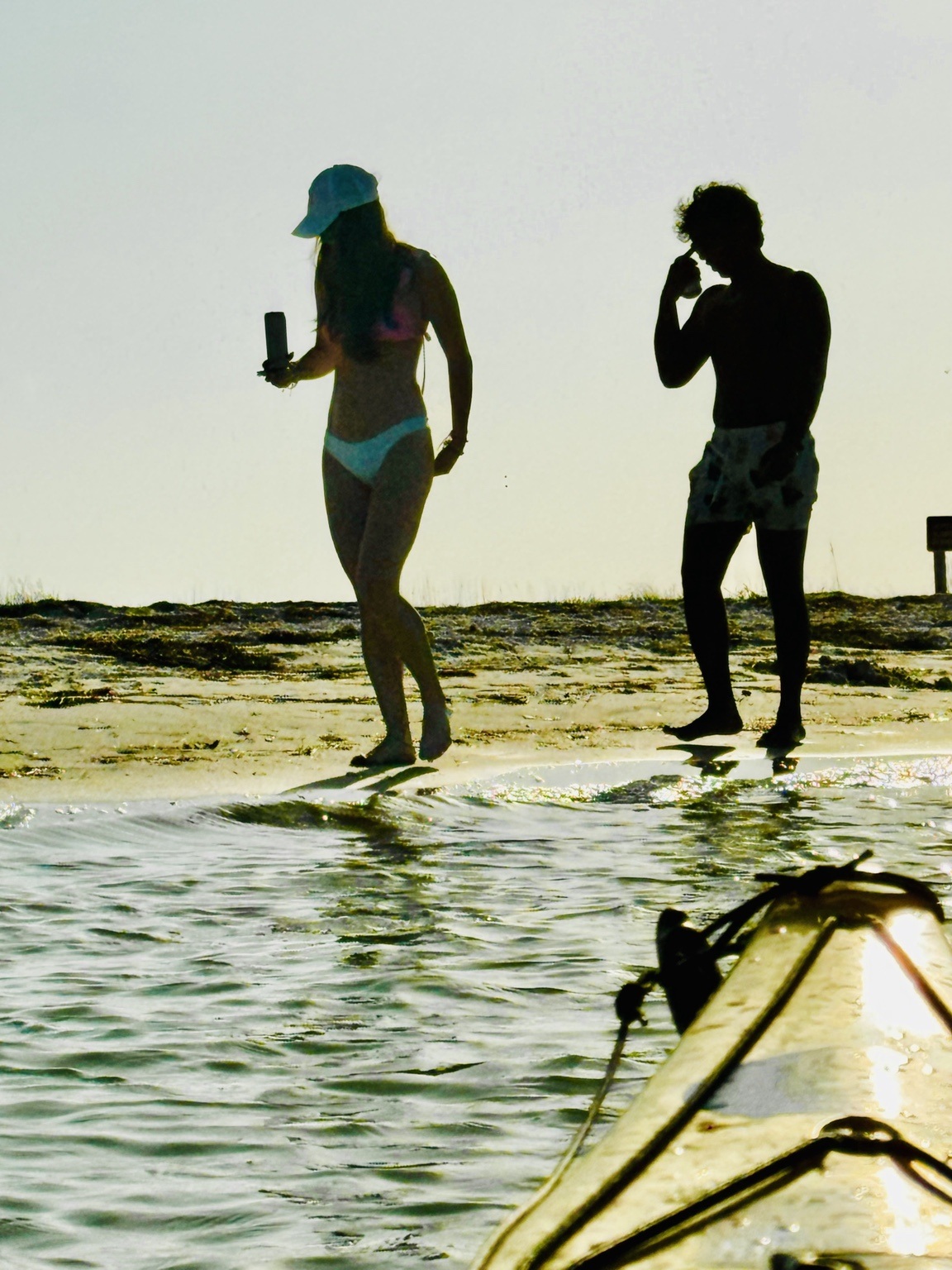
The pass is never only about the sunset. A stranded boat can draw a small crowd into the shallows. A fisherman and a bird may share the same channel marker. People shell along the exposed edge of the island while gulls skim just above the water. Onshore, palms and rows of colorful kayaks remind you that Honeymoon Island is close by, even when the view from the water feels wonderfully remote.
The final light
As the sun drops, people become silhouettes and the water turns to molten color. It is hard to take a bad photograph here. The pass supplies the foreground—markers, birds, boats, waders and ripples—while the western sky supplies everything else.
March 10, 2026 was one more beautiful evening in a place that seems to offer them endlessly.
Full gallery
Historical note: Florida State Parks records that the 1921 hurricane split the former Hog Island and created Hurricane Pass. The National Weather Service dates the destructive Tampa Bay hurricane to October 25, 1921.