After Michelle and Phil’s wedding in June 2015, Cindy and I were in no hurry to head straight home. We had already traveled a long way west, so we gave ourselves another couple of weeks to wander through Colorado, Arizona, and Utah, following the landscapes and national parks that make canyon country such an extraordinary place to explore.
After Michelle and Phil’s wedding in June 2015, Cindy and I were in no hurry to head straight home. We had already traveled a long way west, so we gave ourselves another couple of weeks to wander through Colorado, Arizona, and Utah, following the landscapes and national parks that make canyon country such an extraordinary place to explore.
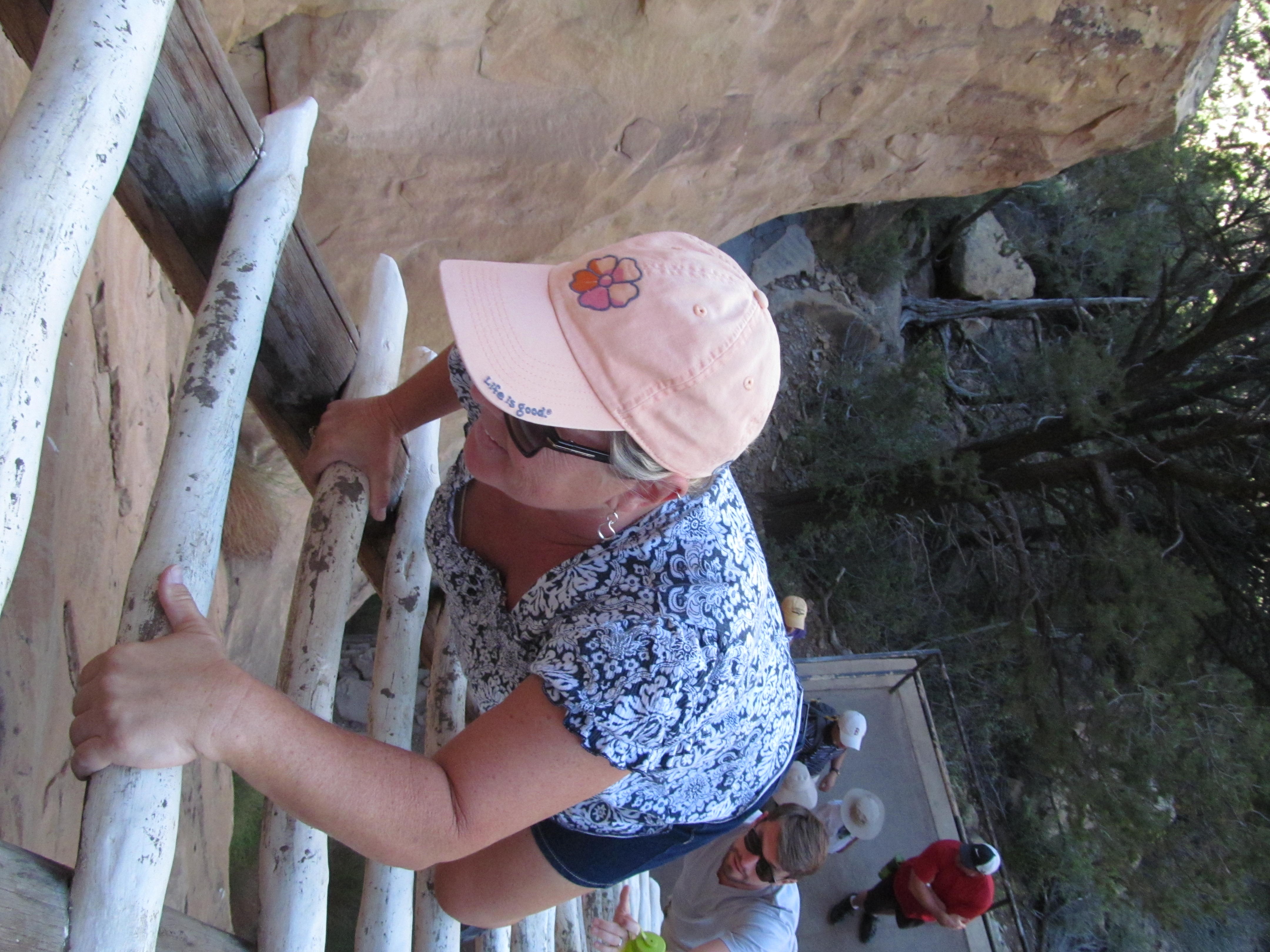
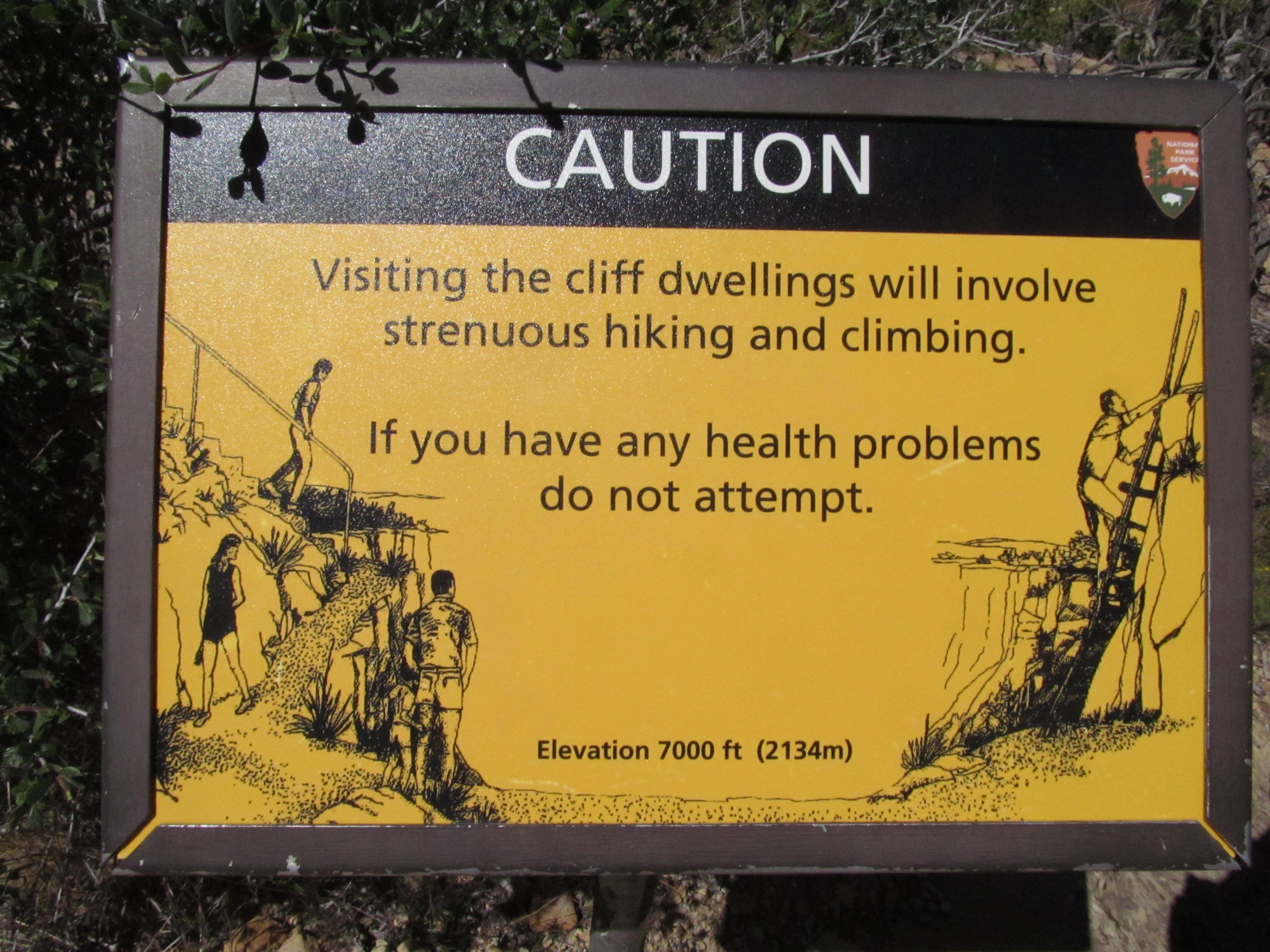
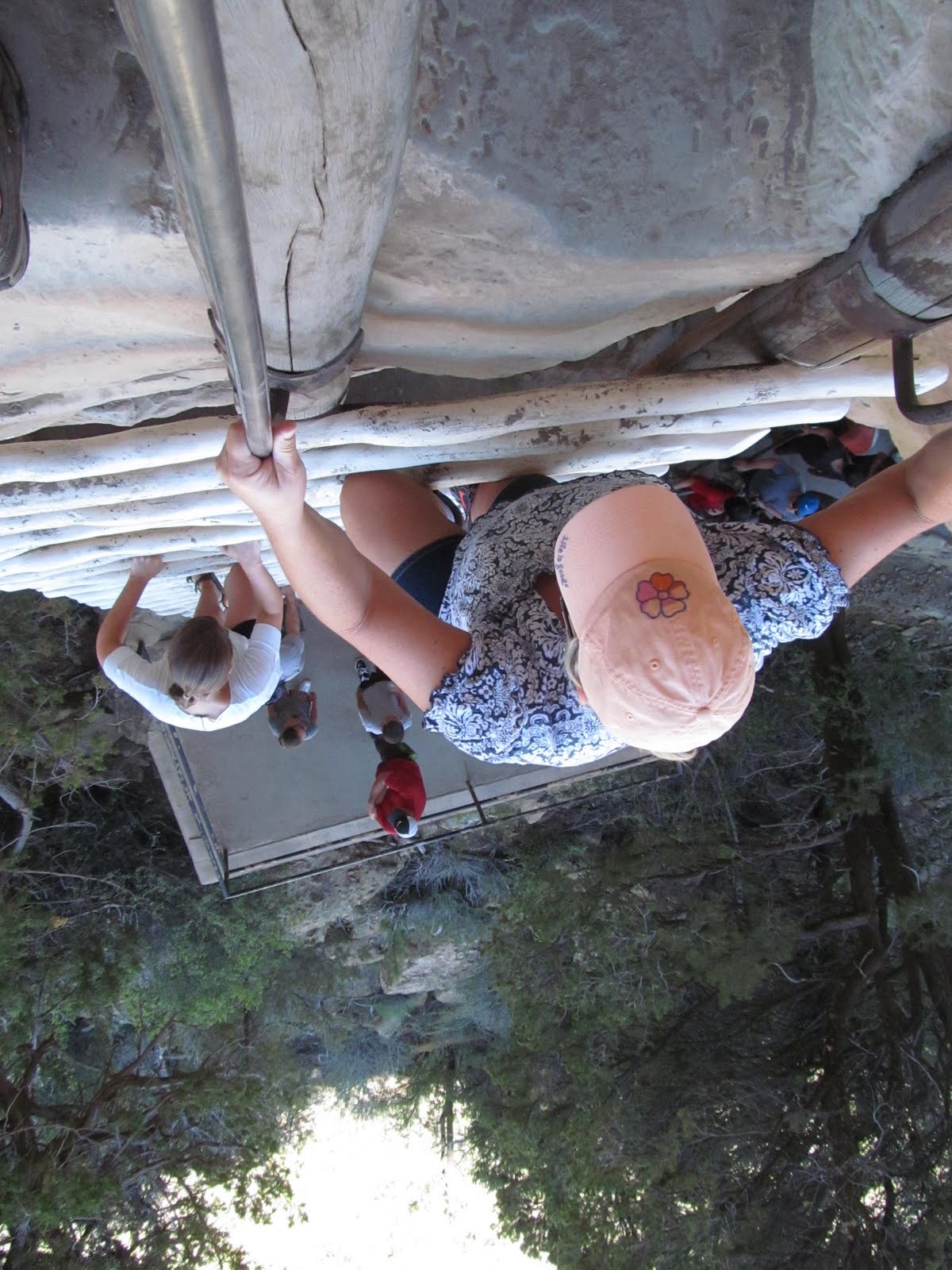
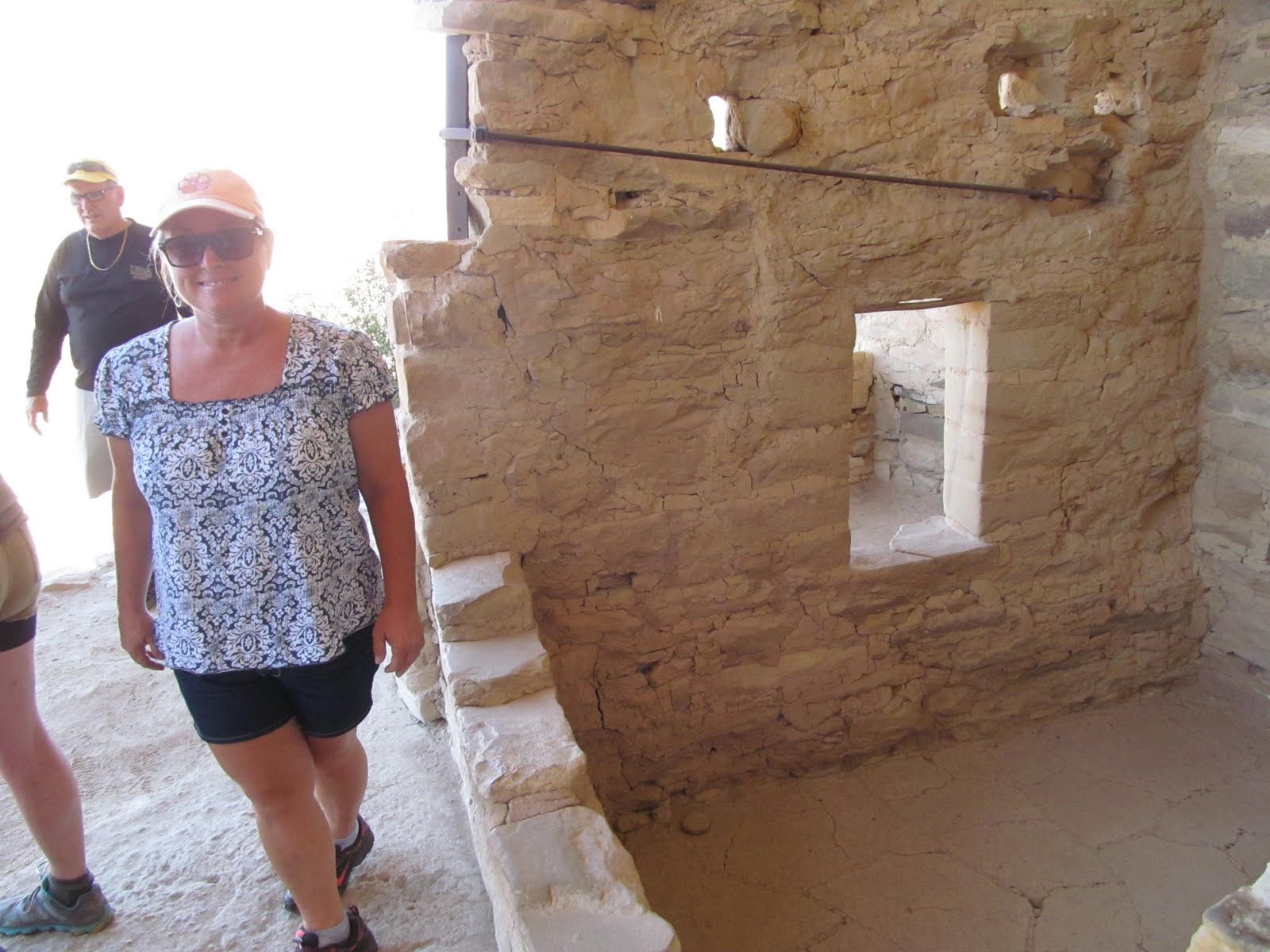
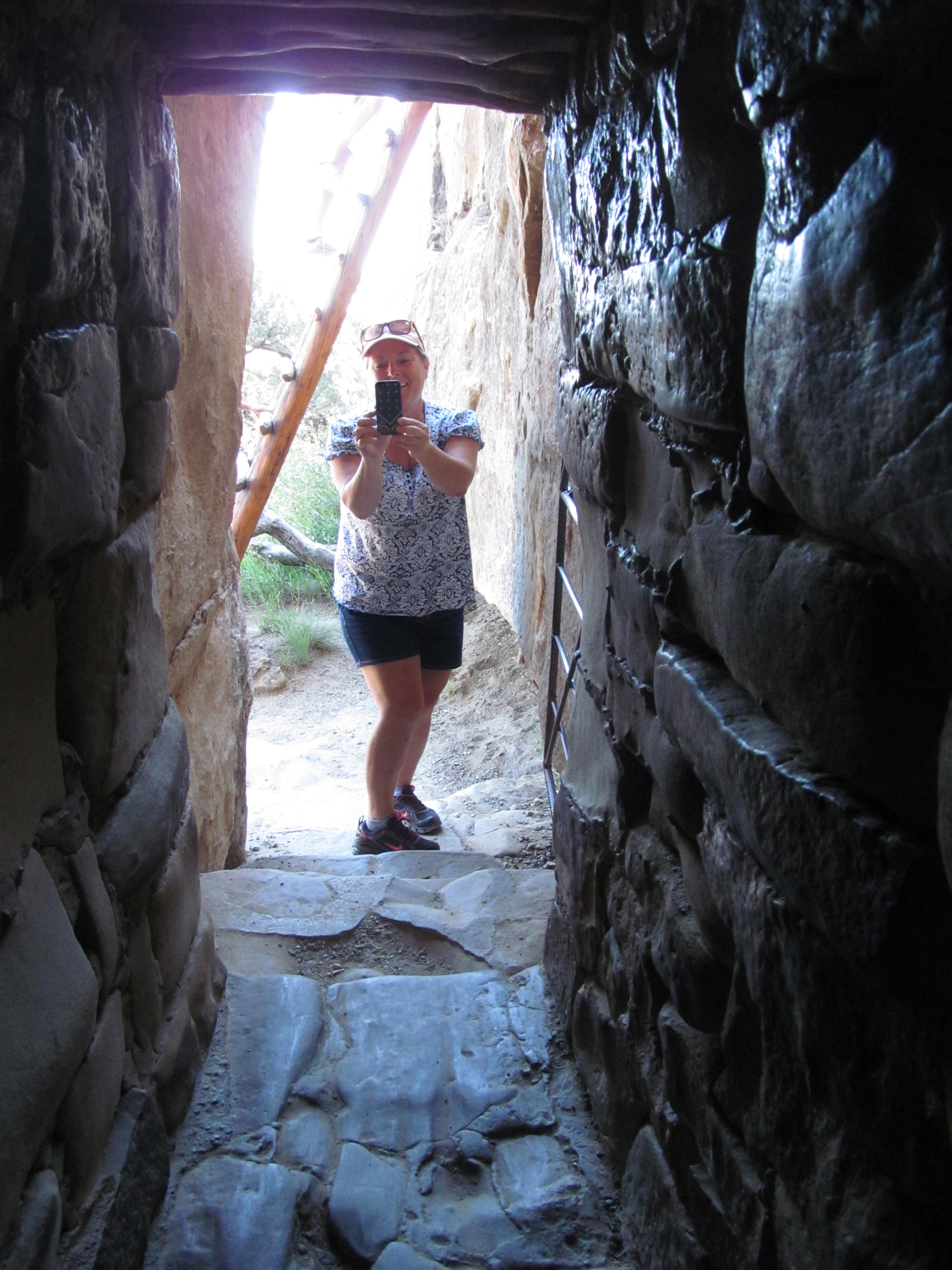
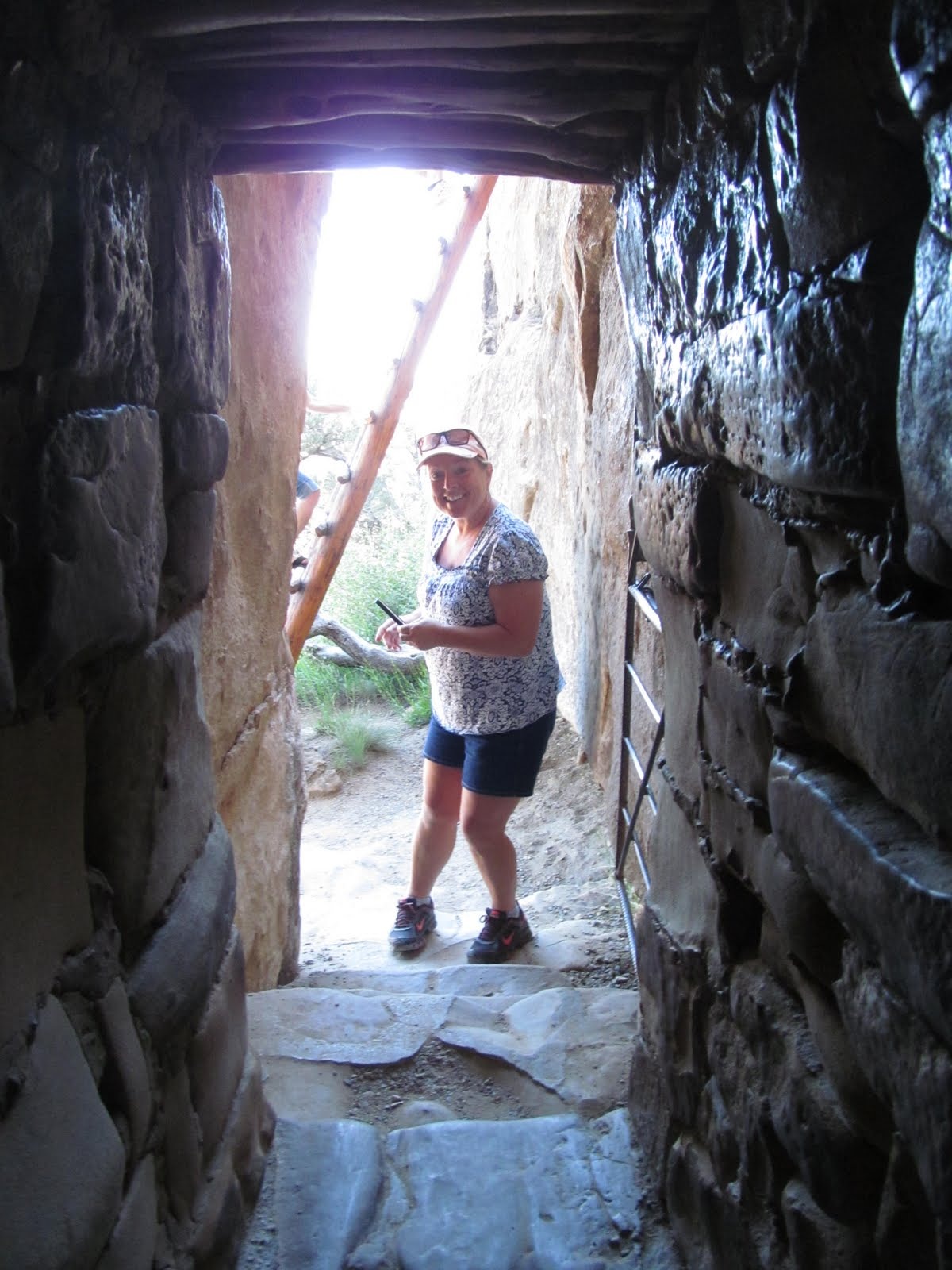
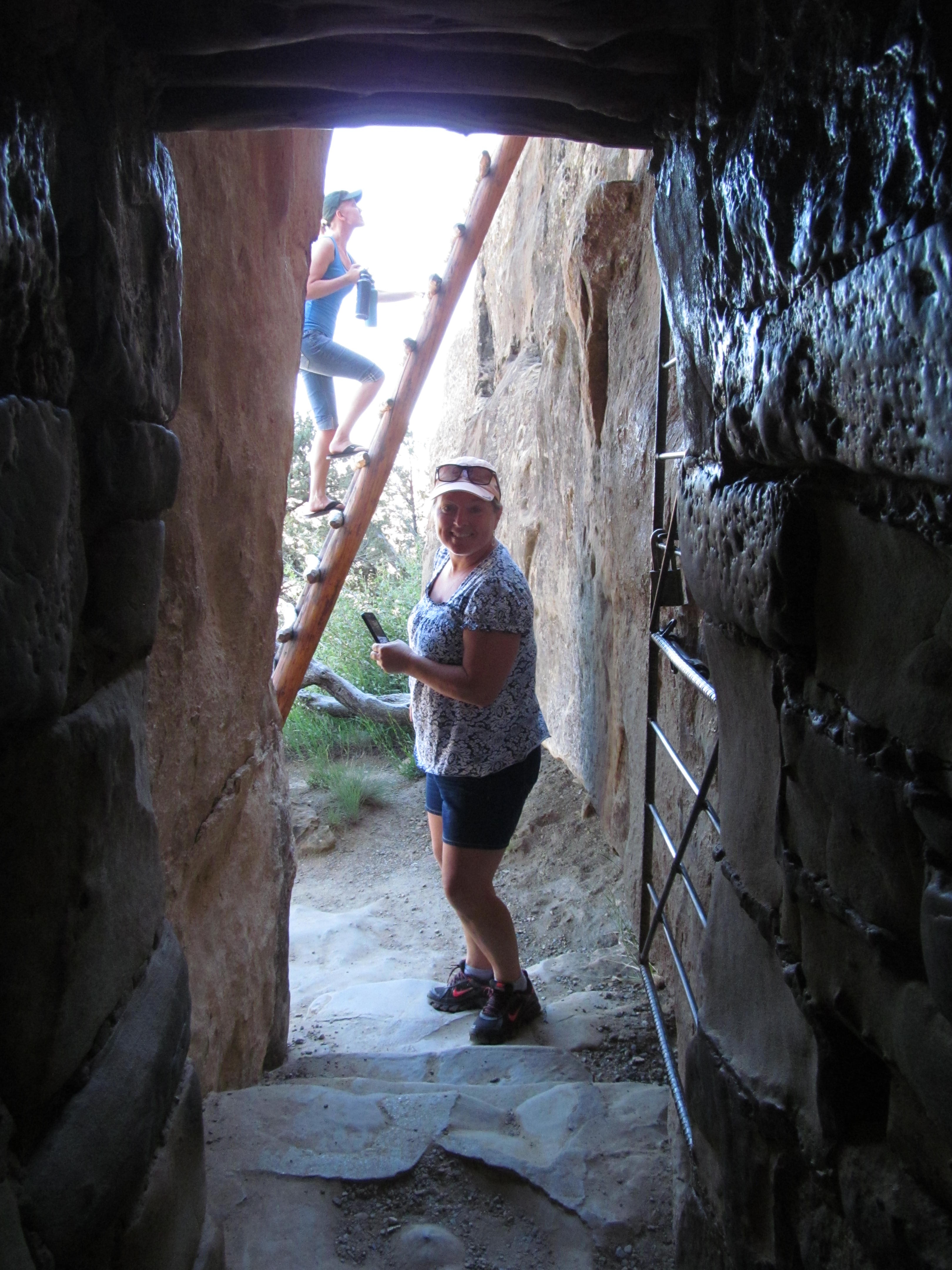
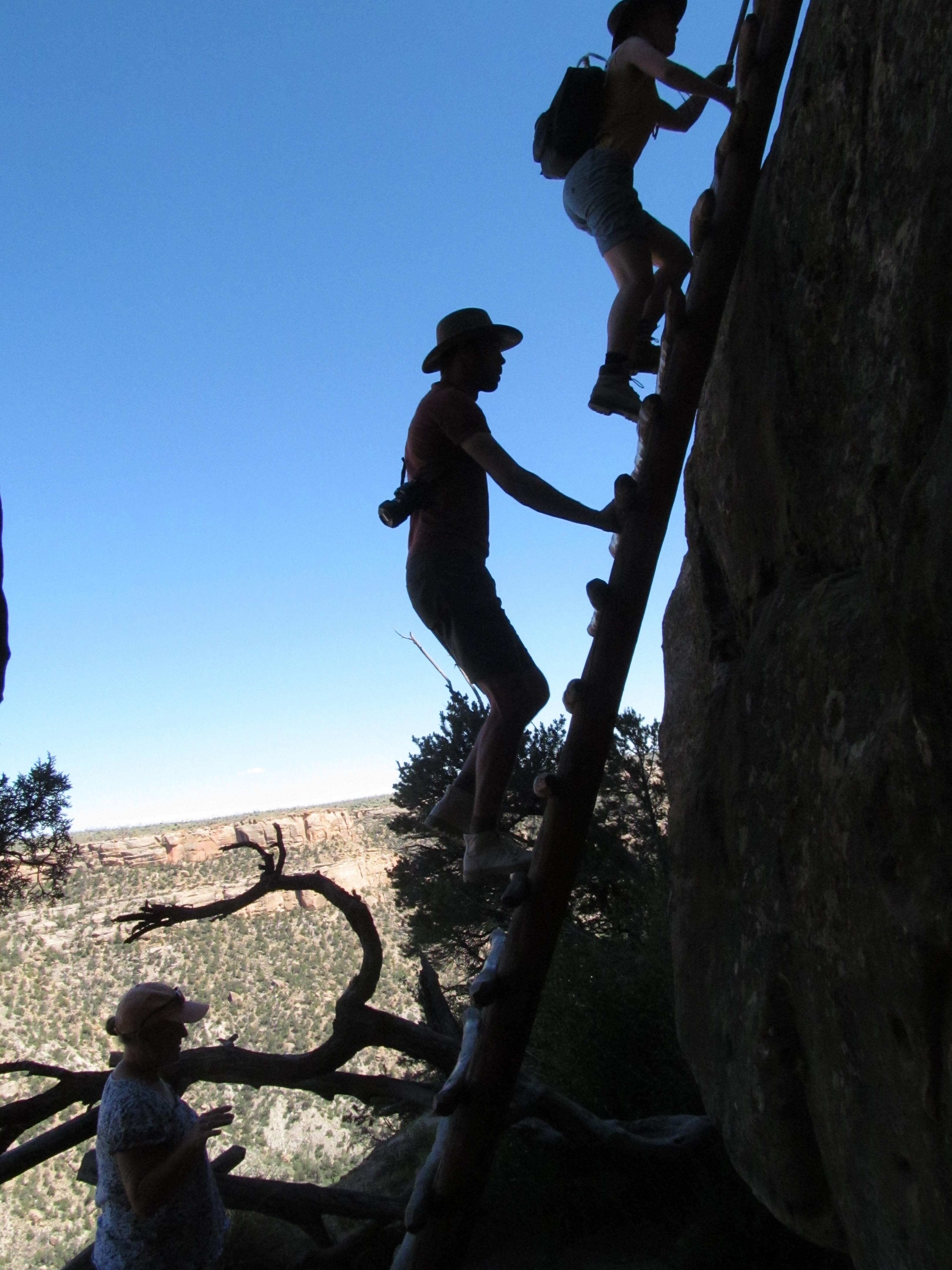
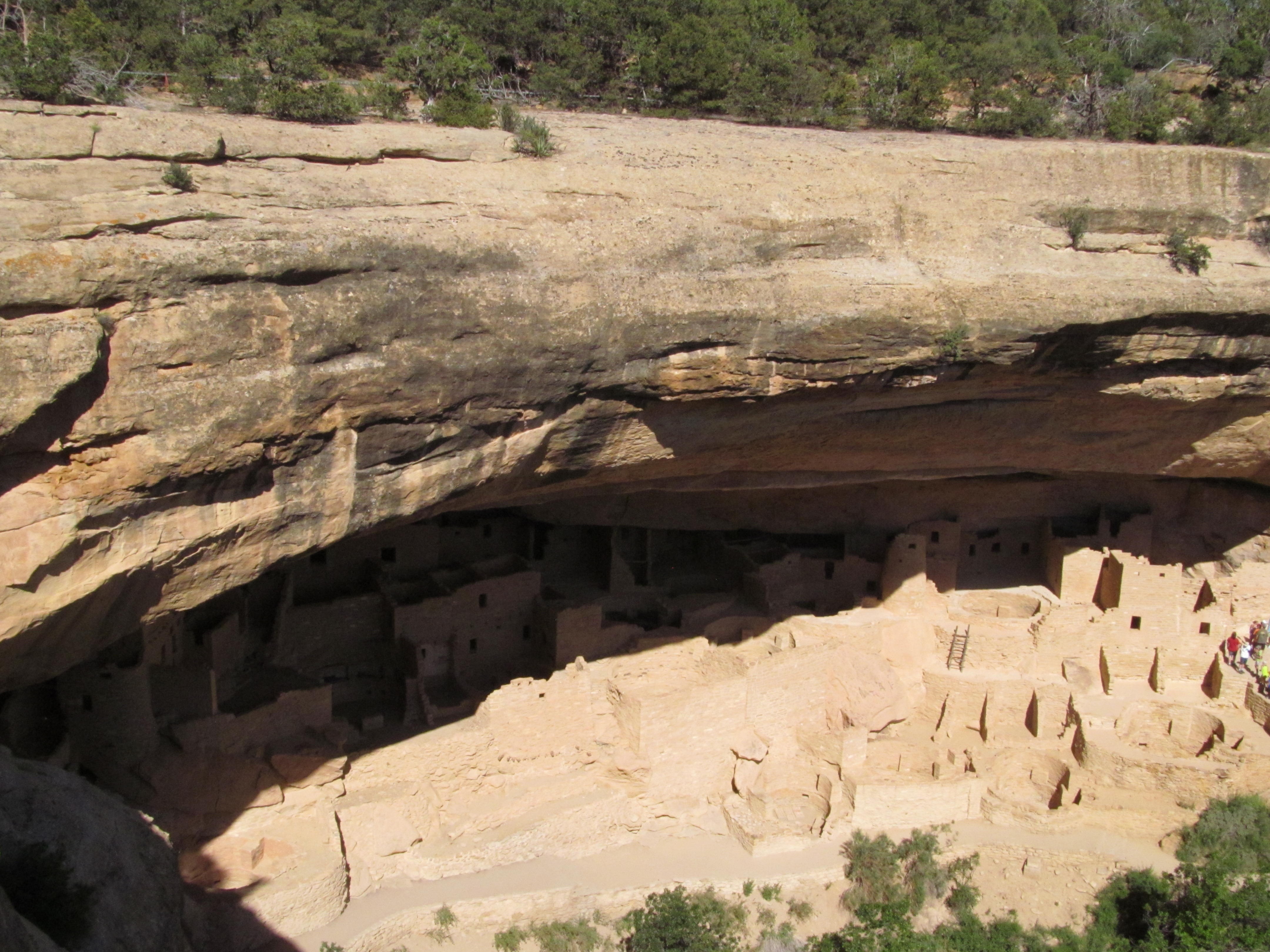
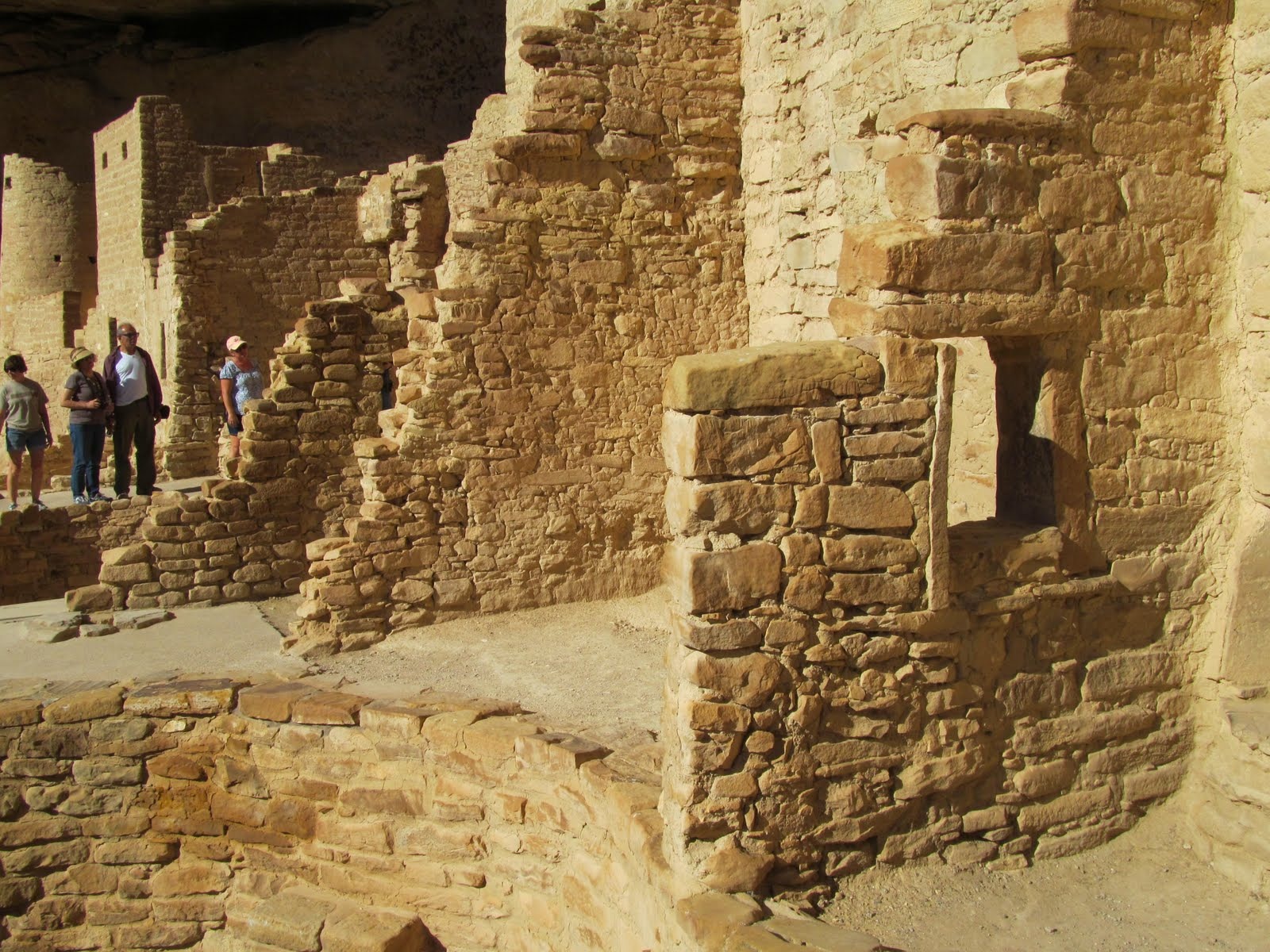
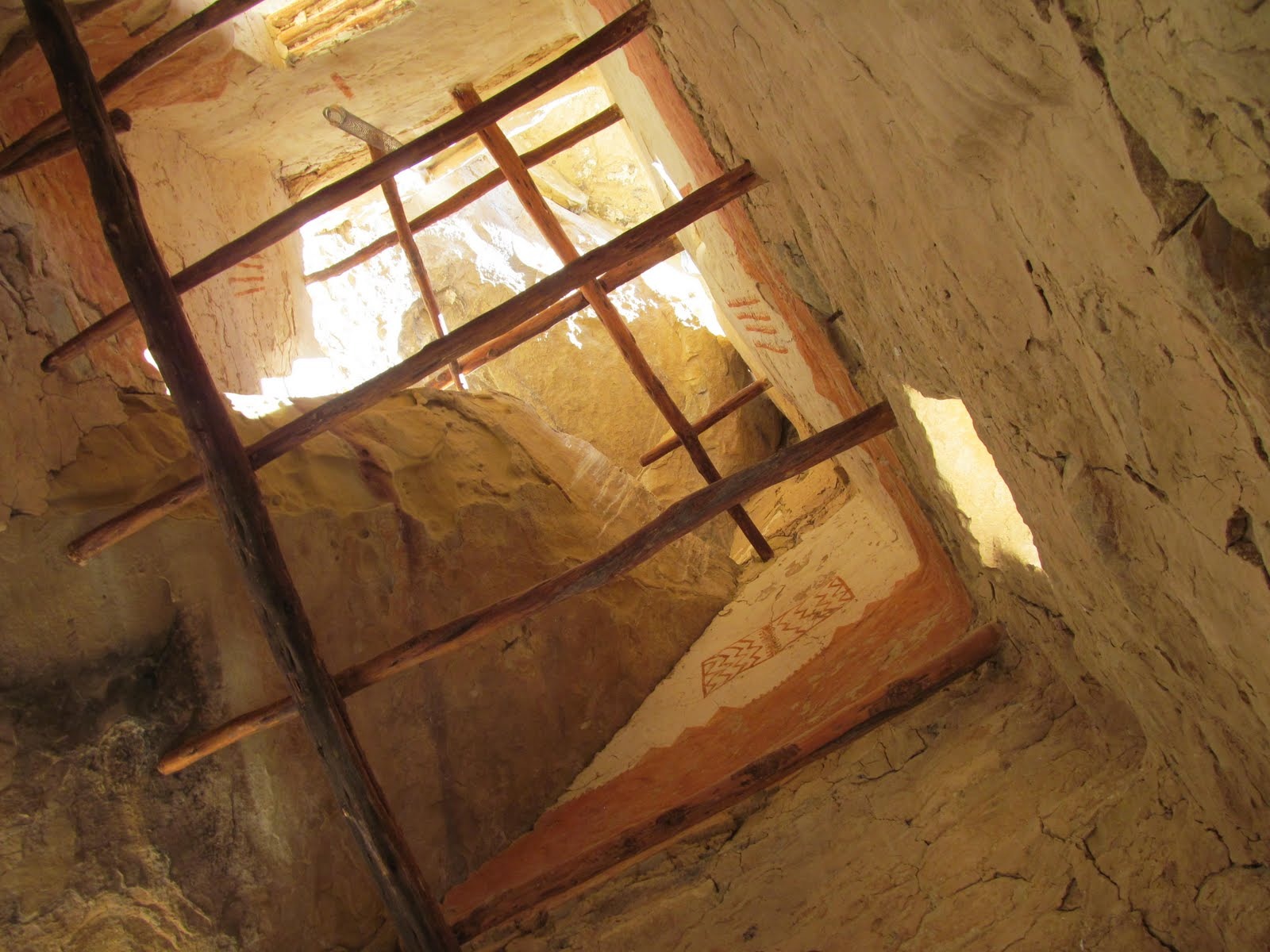
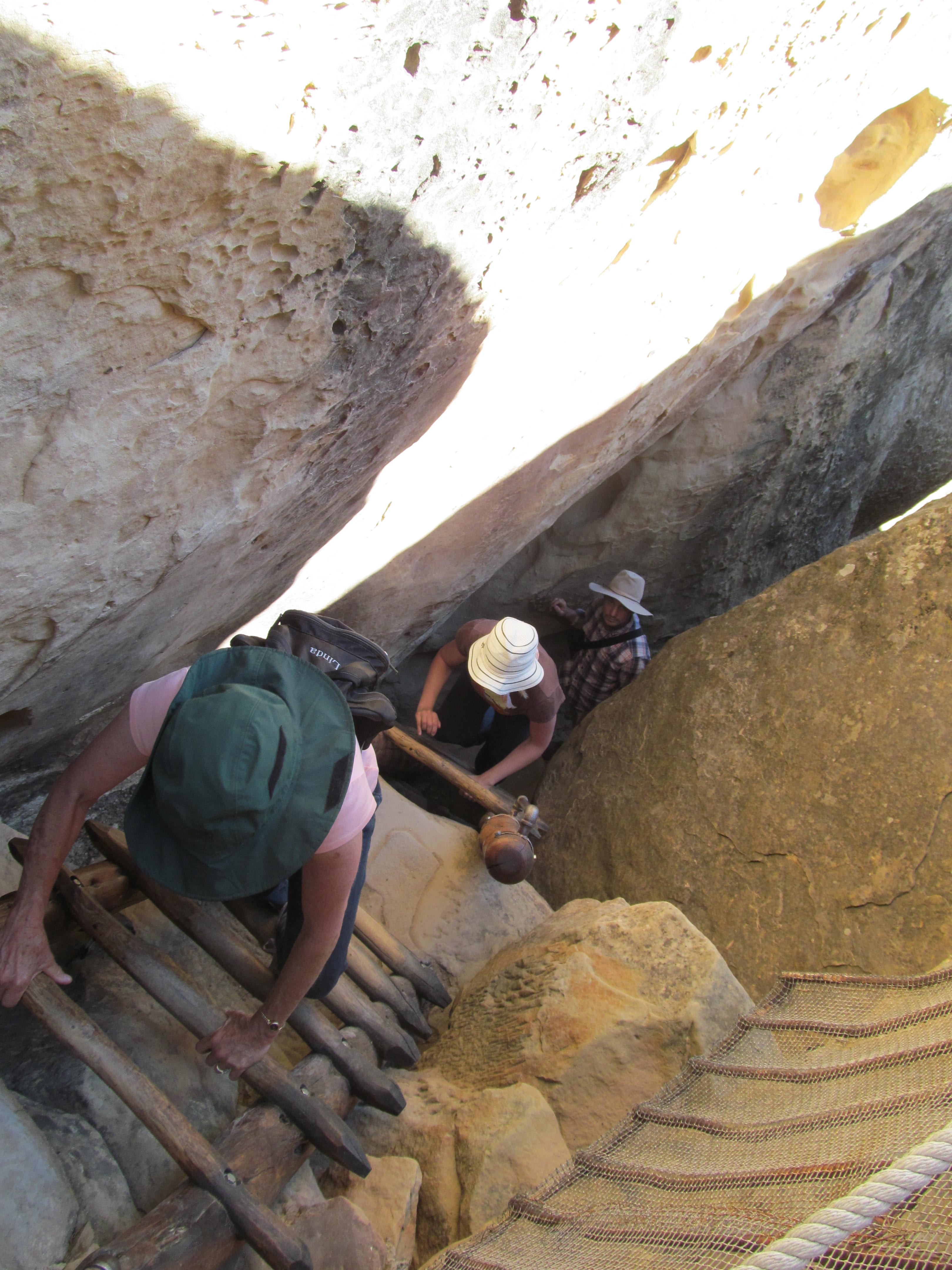
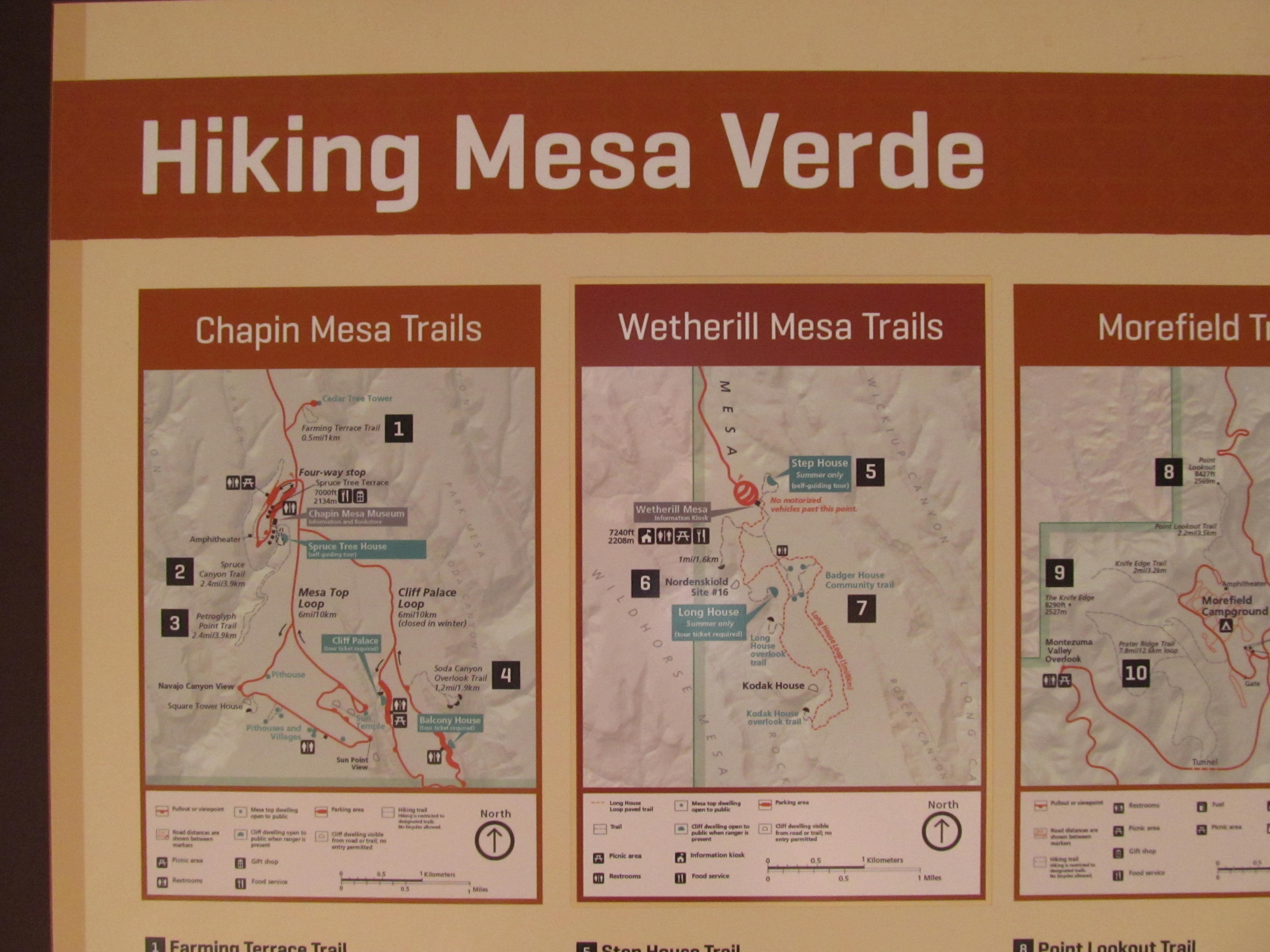
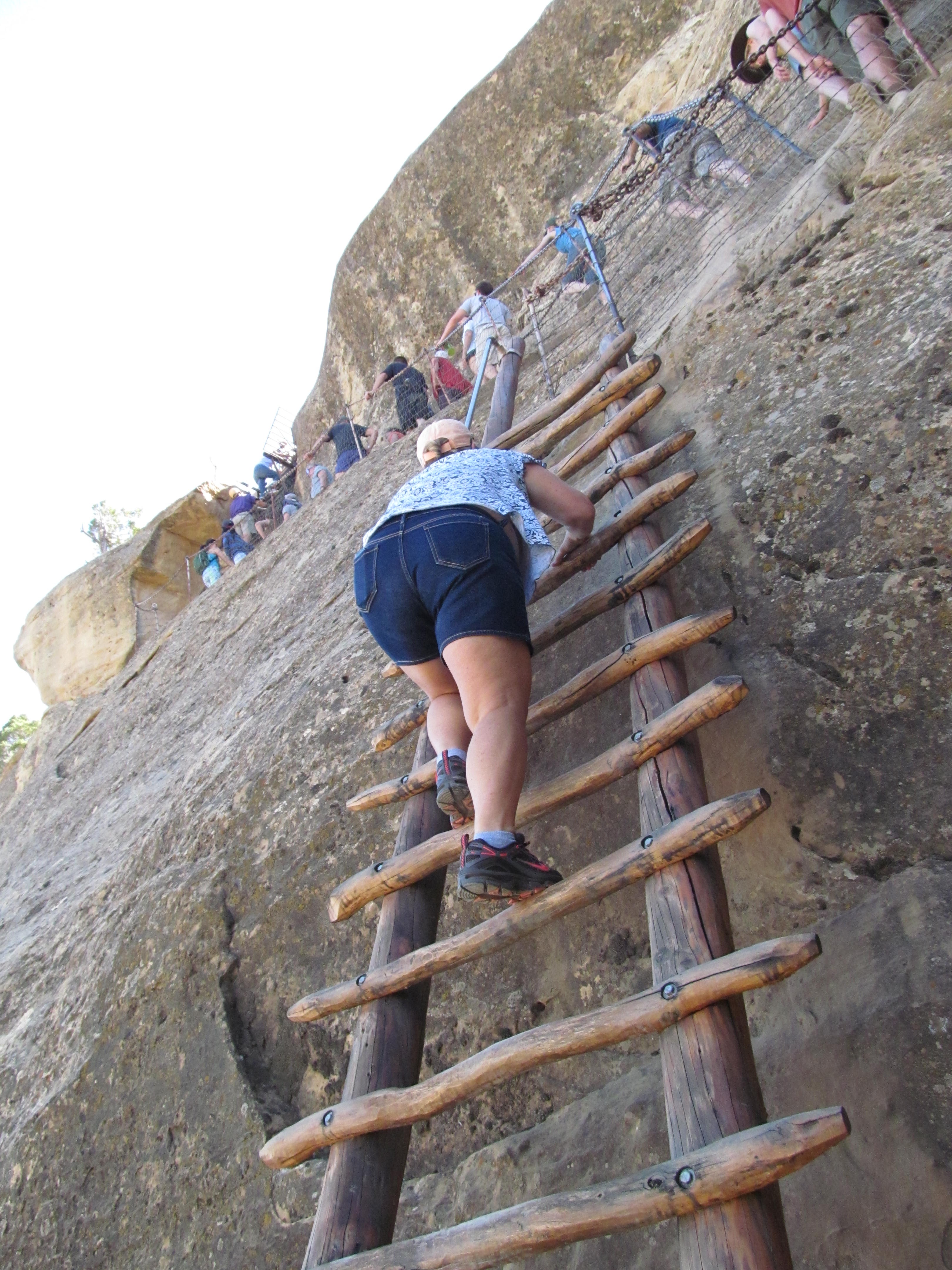
Mesa Verde National Park in southwestern Colorado was one of the first major stops. The park protects hundreds of years of Ancestral Pueblo history, and the experience is far more intimate than simply viewing ruins from an overlook. Reaching some of the cliff dwellings requires ladders, narrow passages, and steep stone steps.
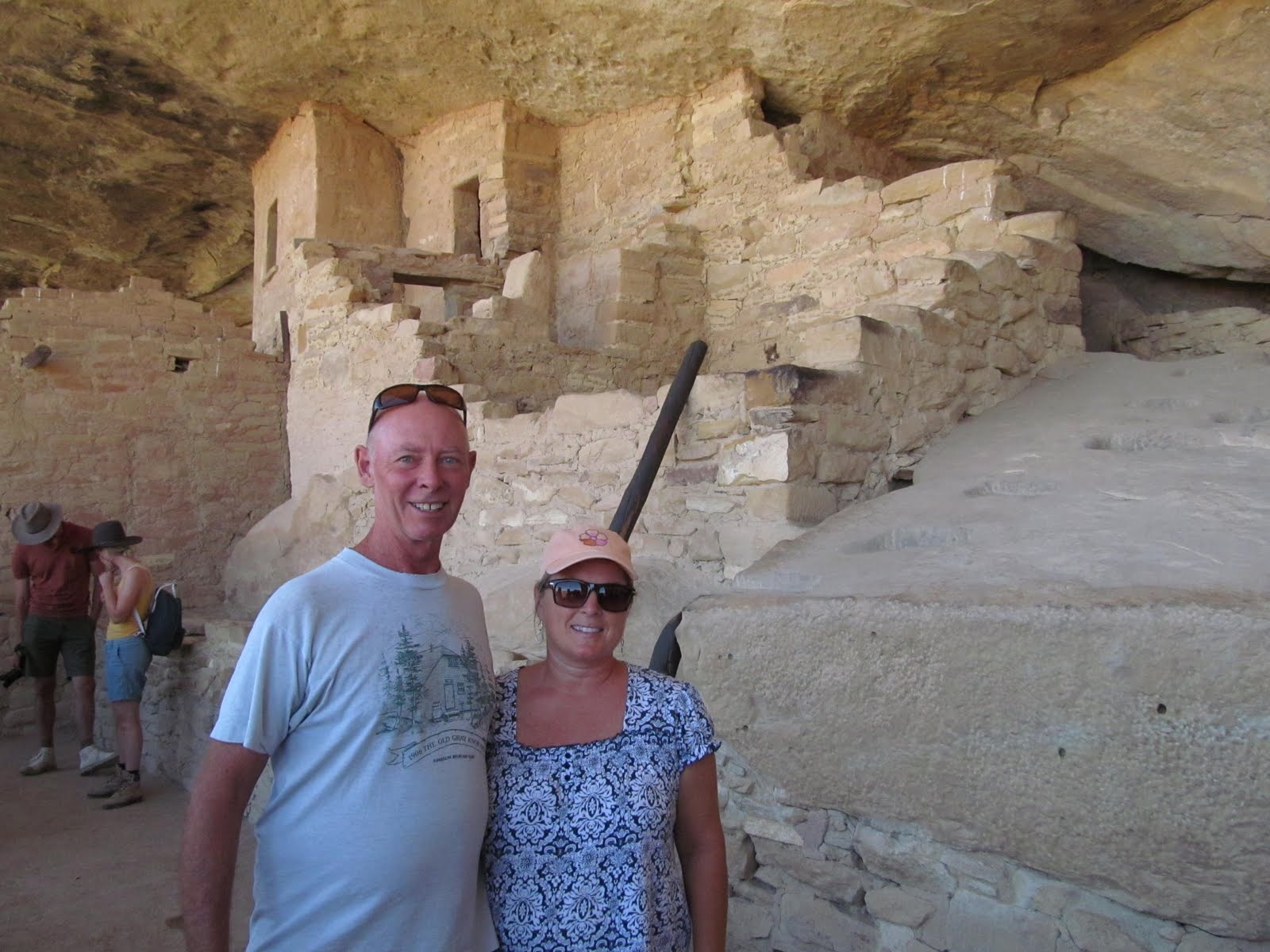
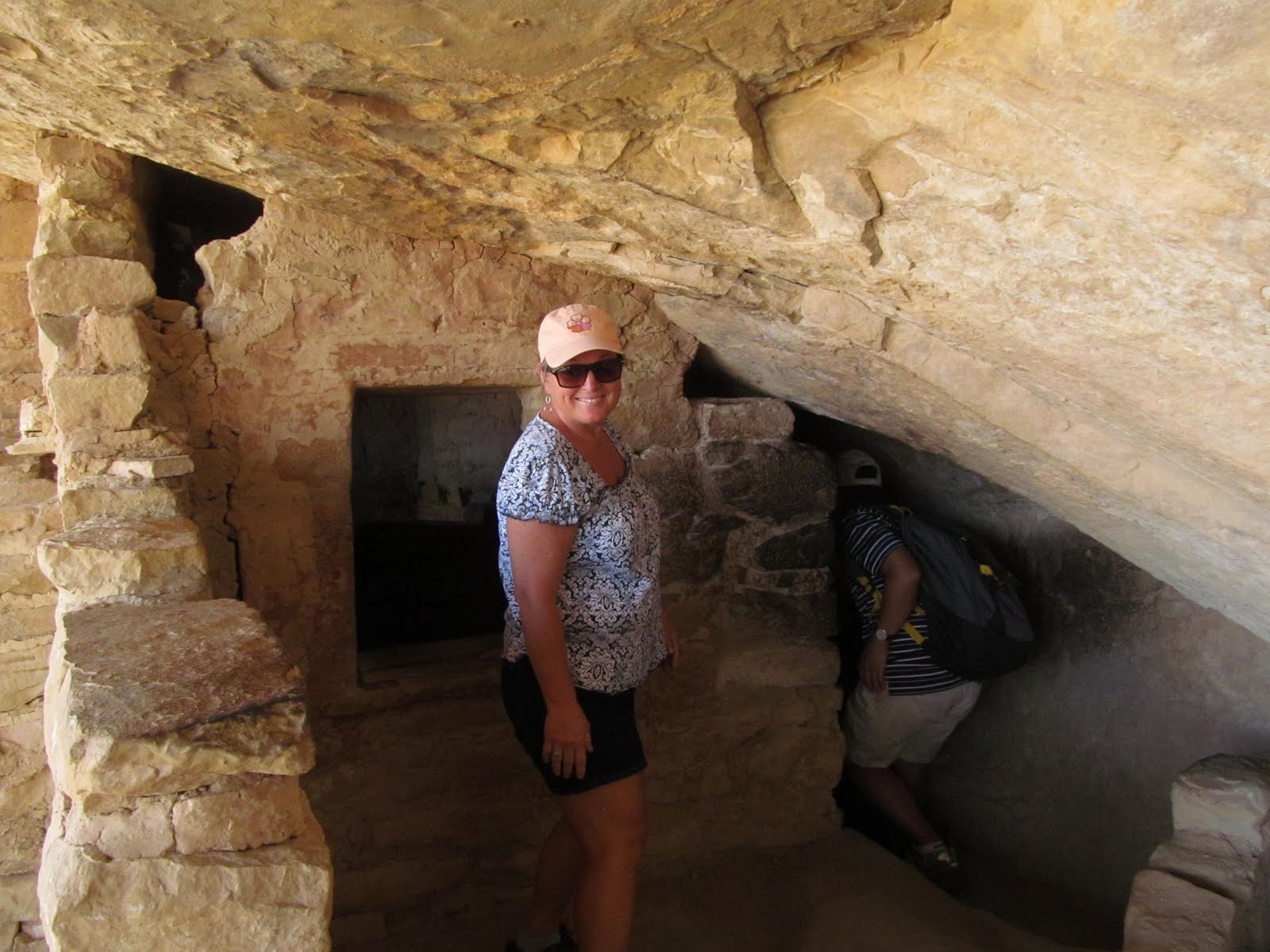
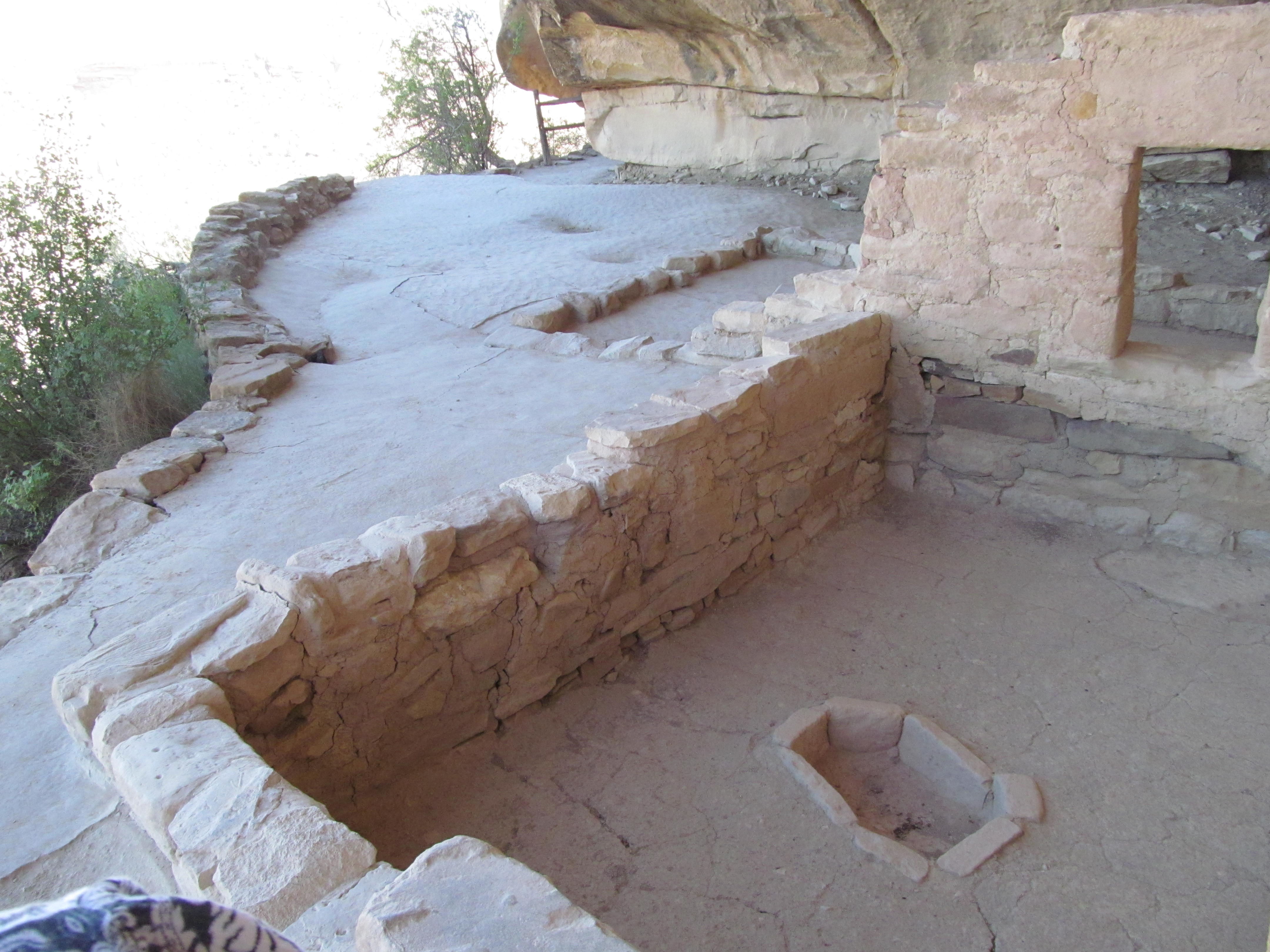
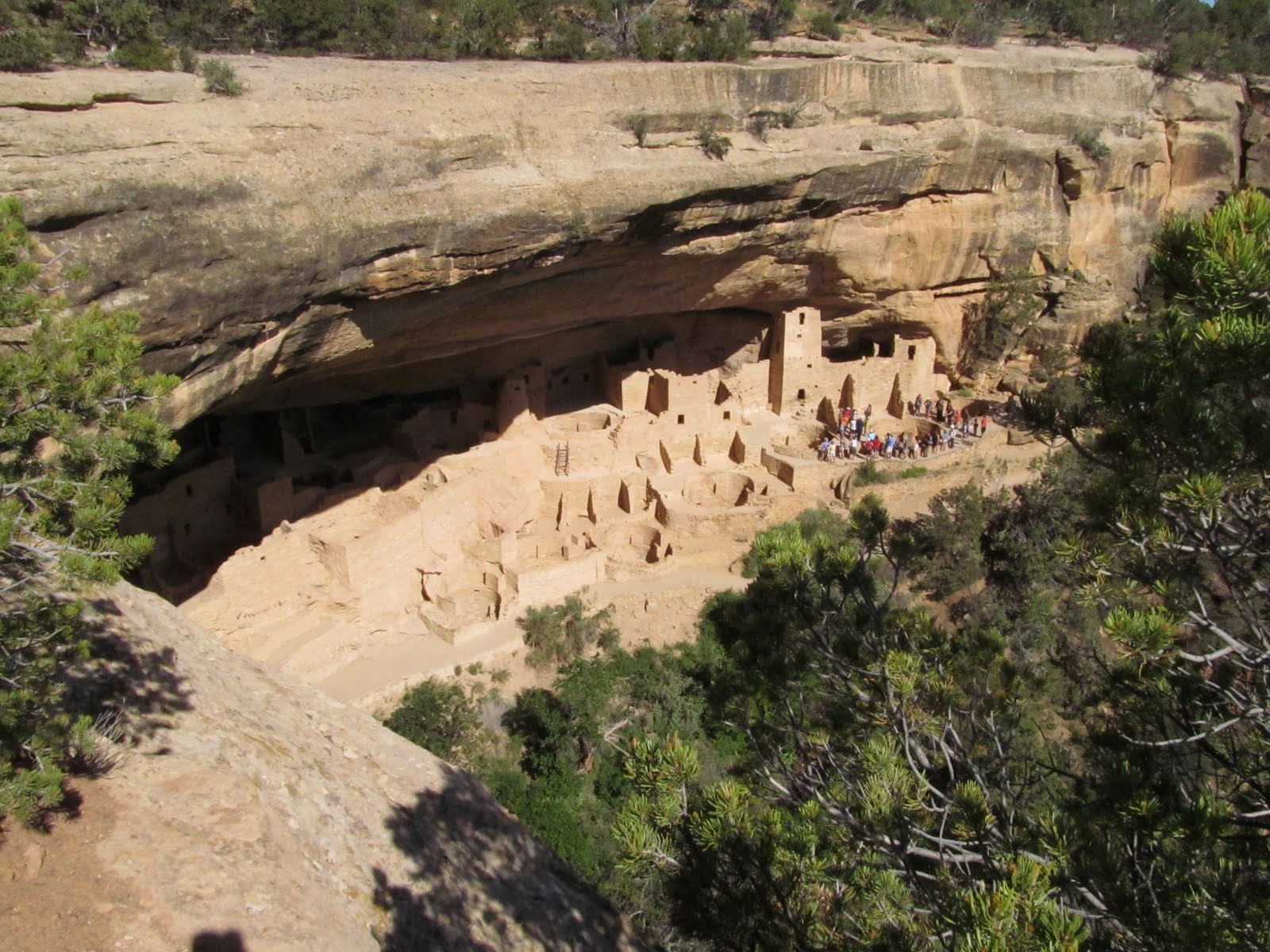
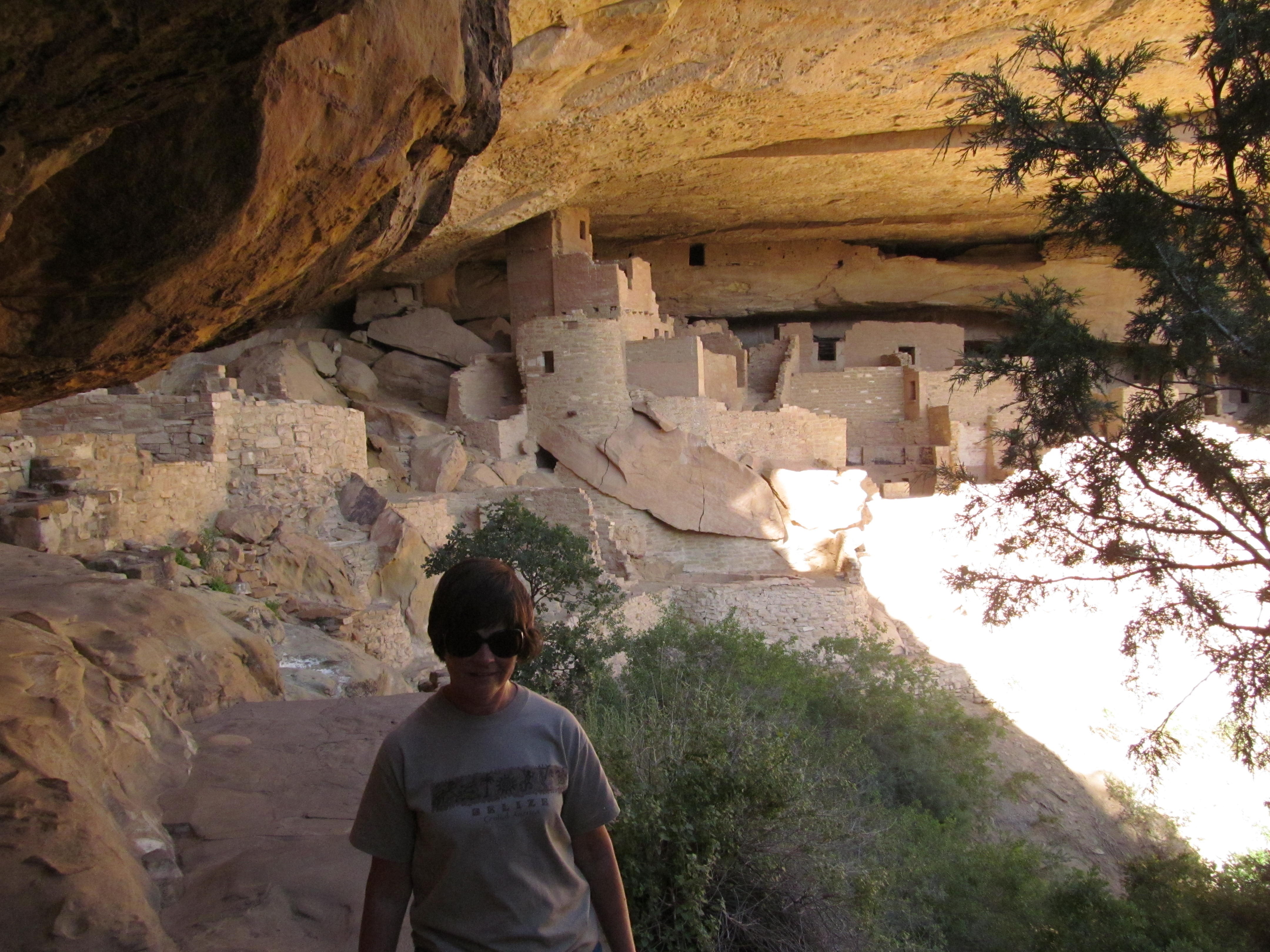
The cliff dwellings were built into natural sandstone alcoves that offered shelter from the weather while opening toward the canyon below. Standing inside those spaces made it easier to appreciate that these were once functioning communities filled with families, work, ceremony, storage, and everyday life.
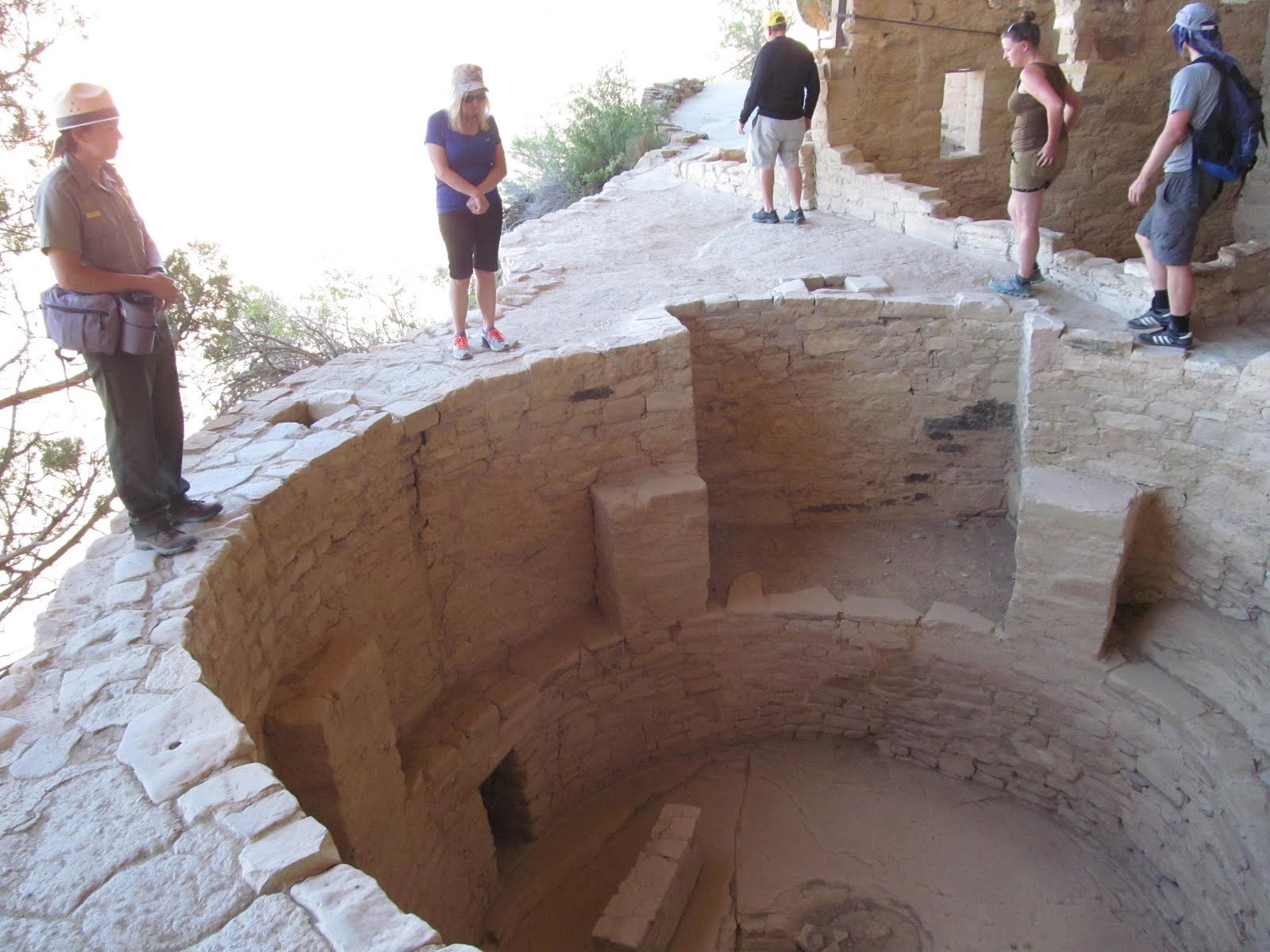
The cliff dwellings were built into natural sandstone alcoves that offered shelter from the weather while opening toward the canyon below. Standing inside those spaces made it easier to appreciate that these were once functioning communities filled with families, work, ceremony, storage, and everyday life.
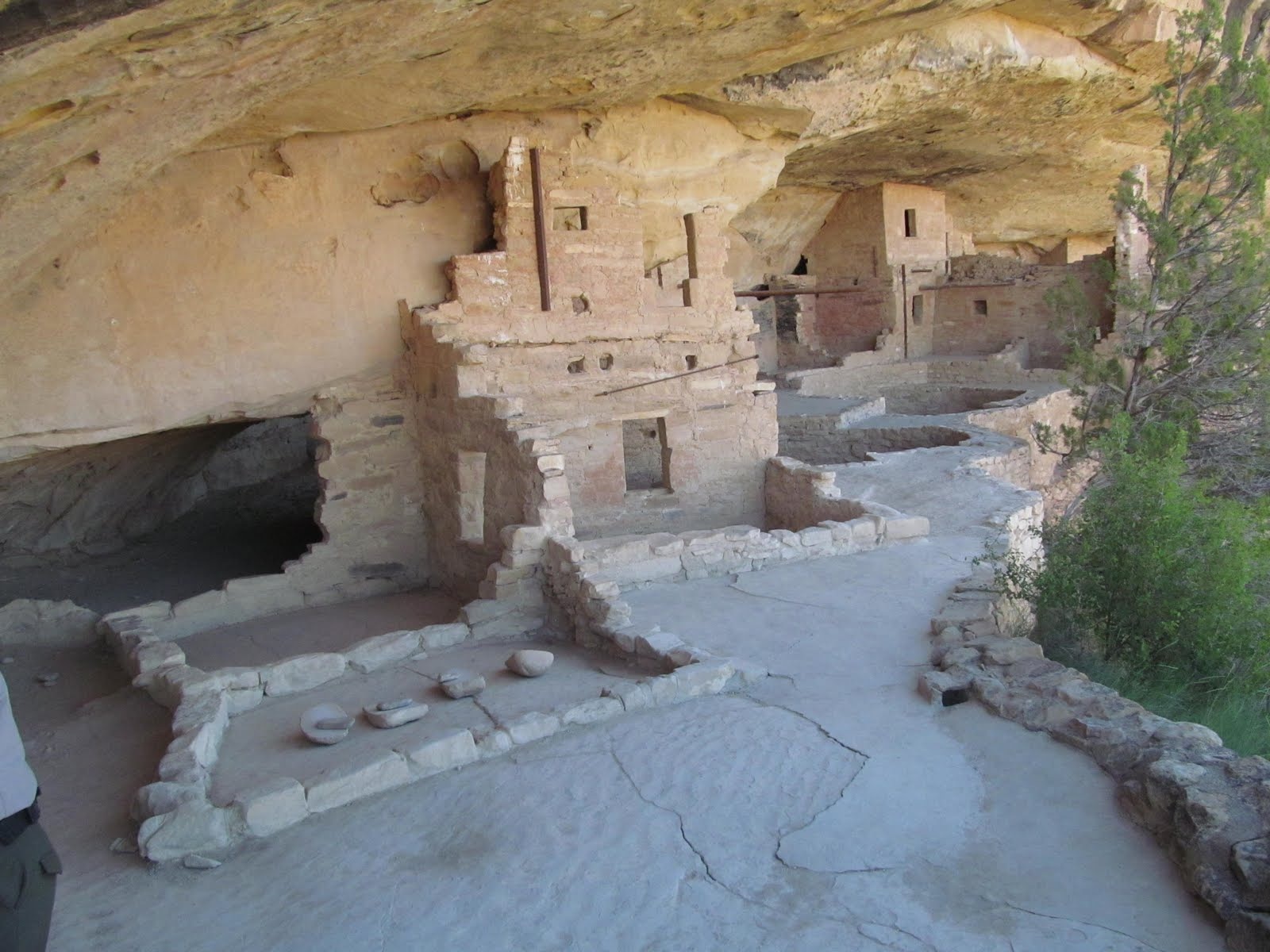
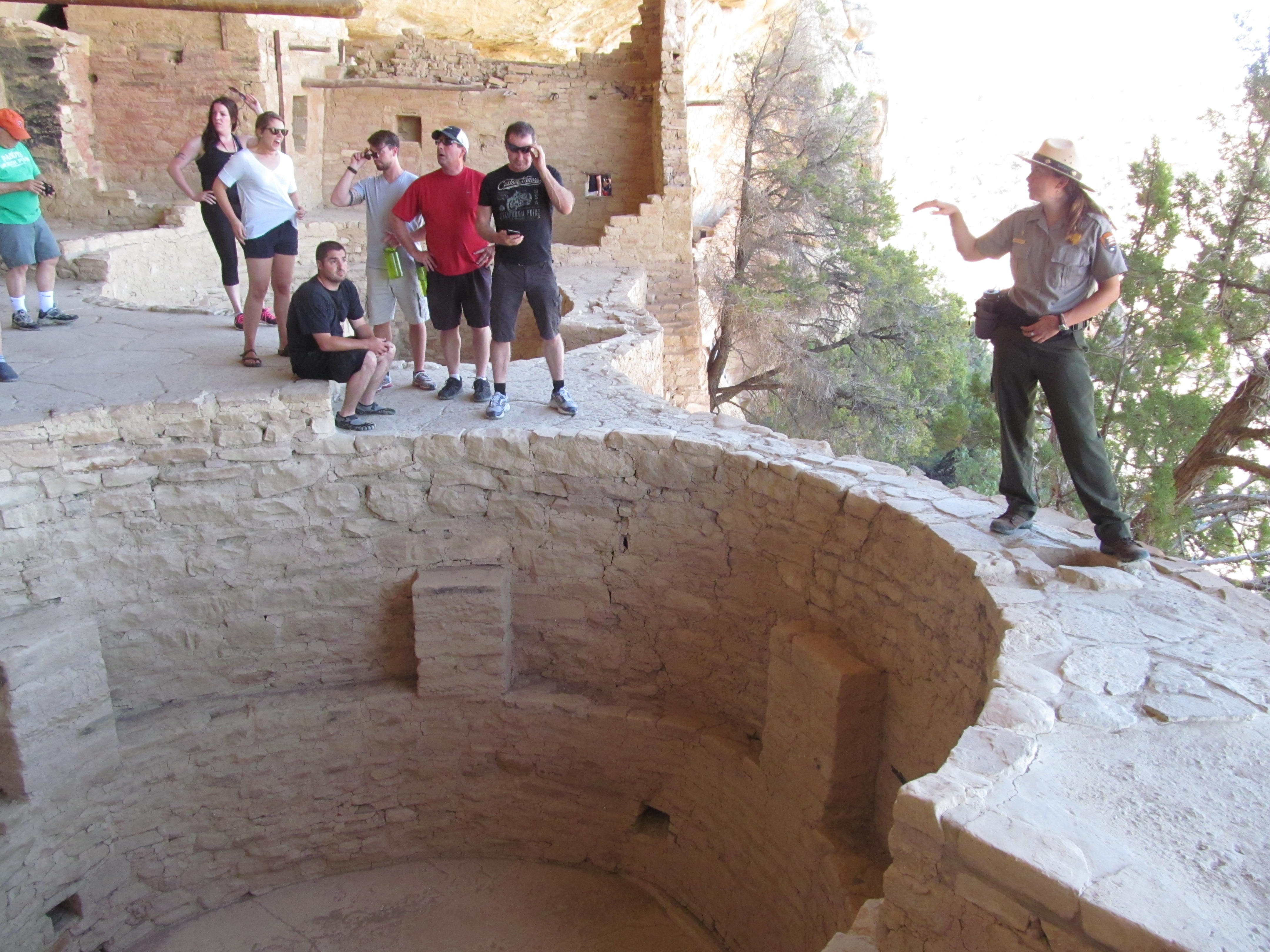
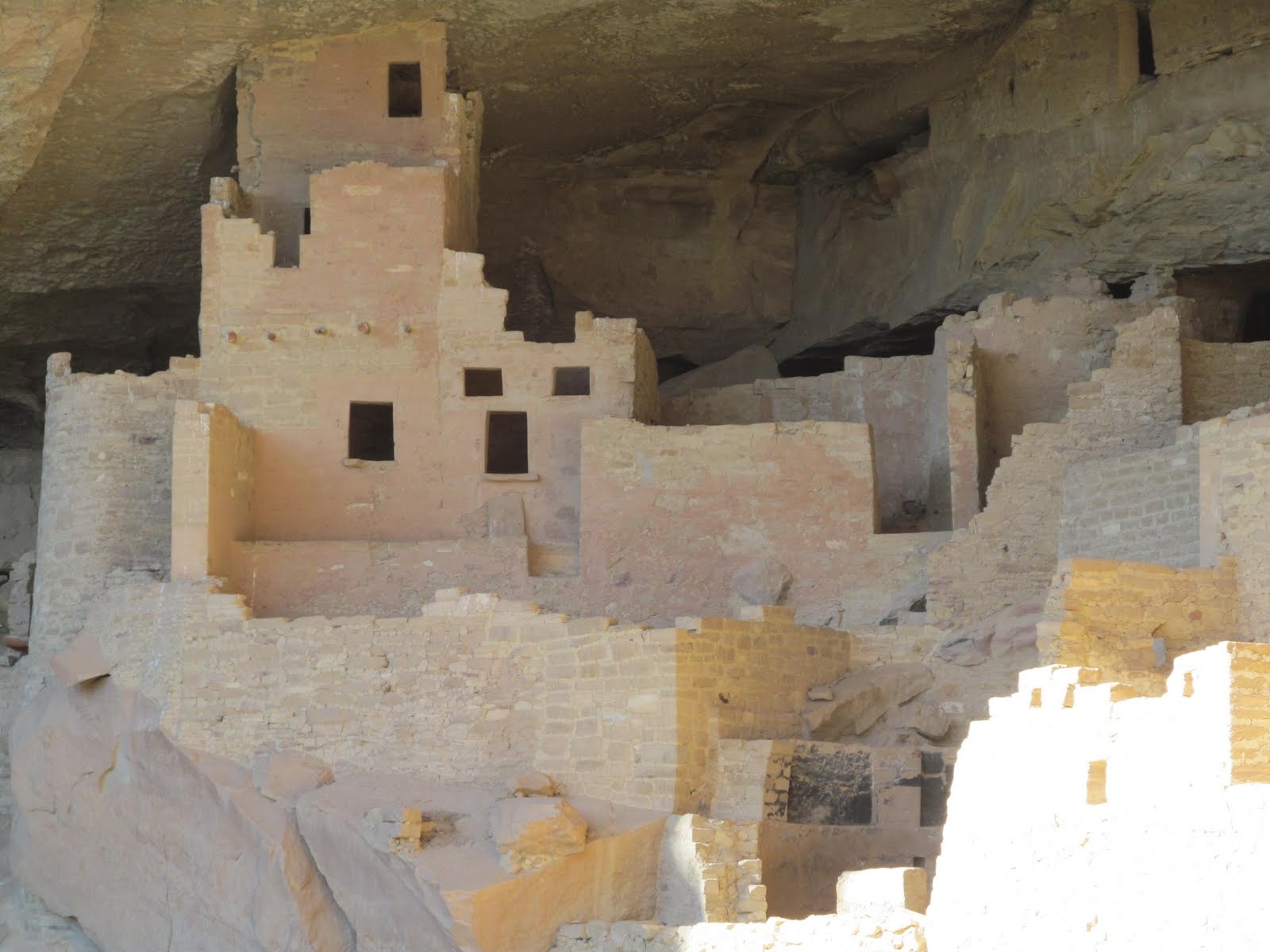
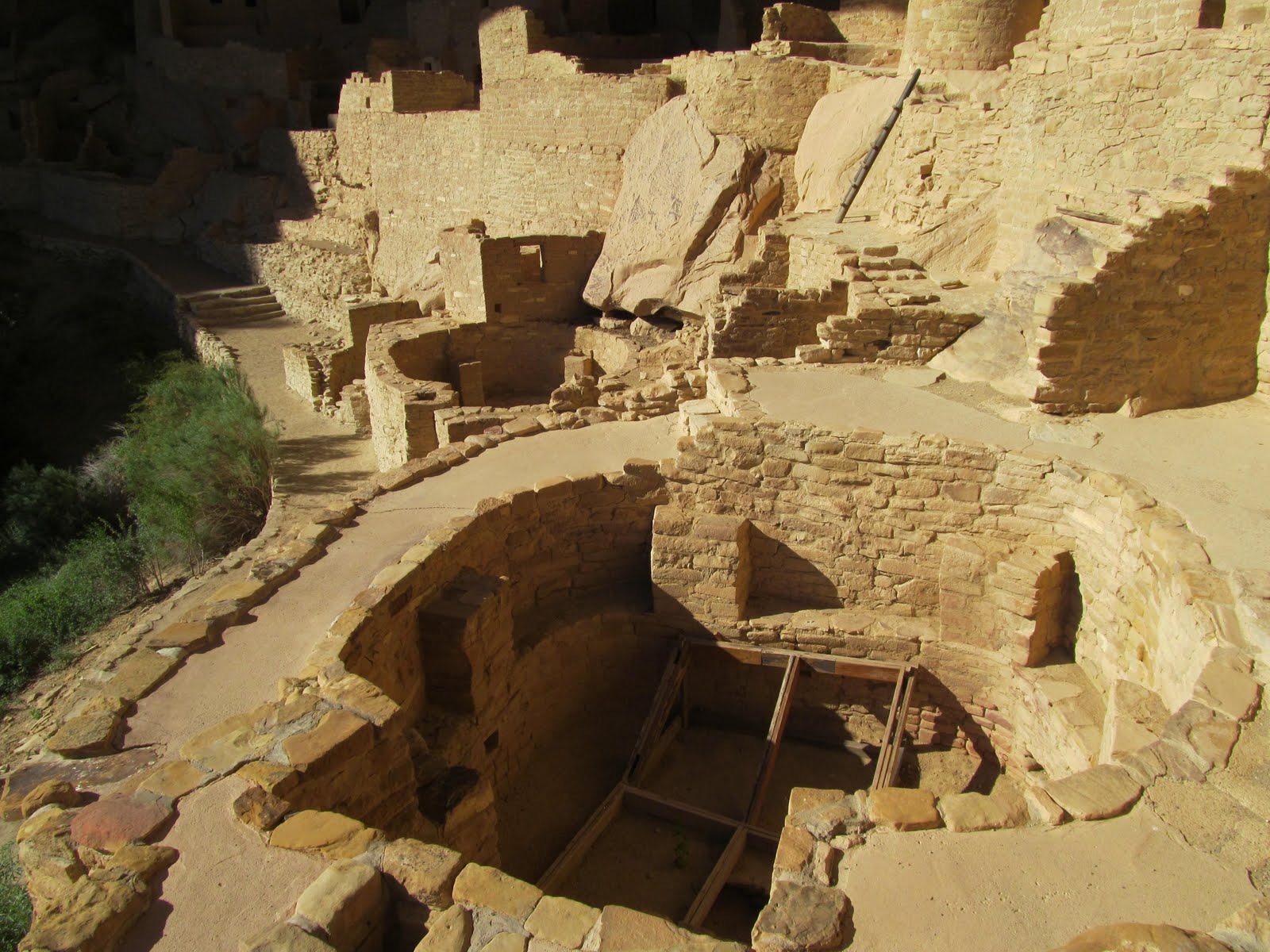
The circular kivas were among the most memorable features. Their careful construction and central placement showed how important communal and ceremonial life was to the people who lived here long before the park existed.
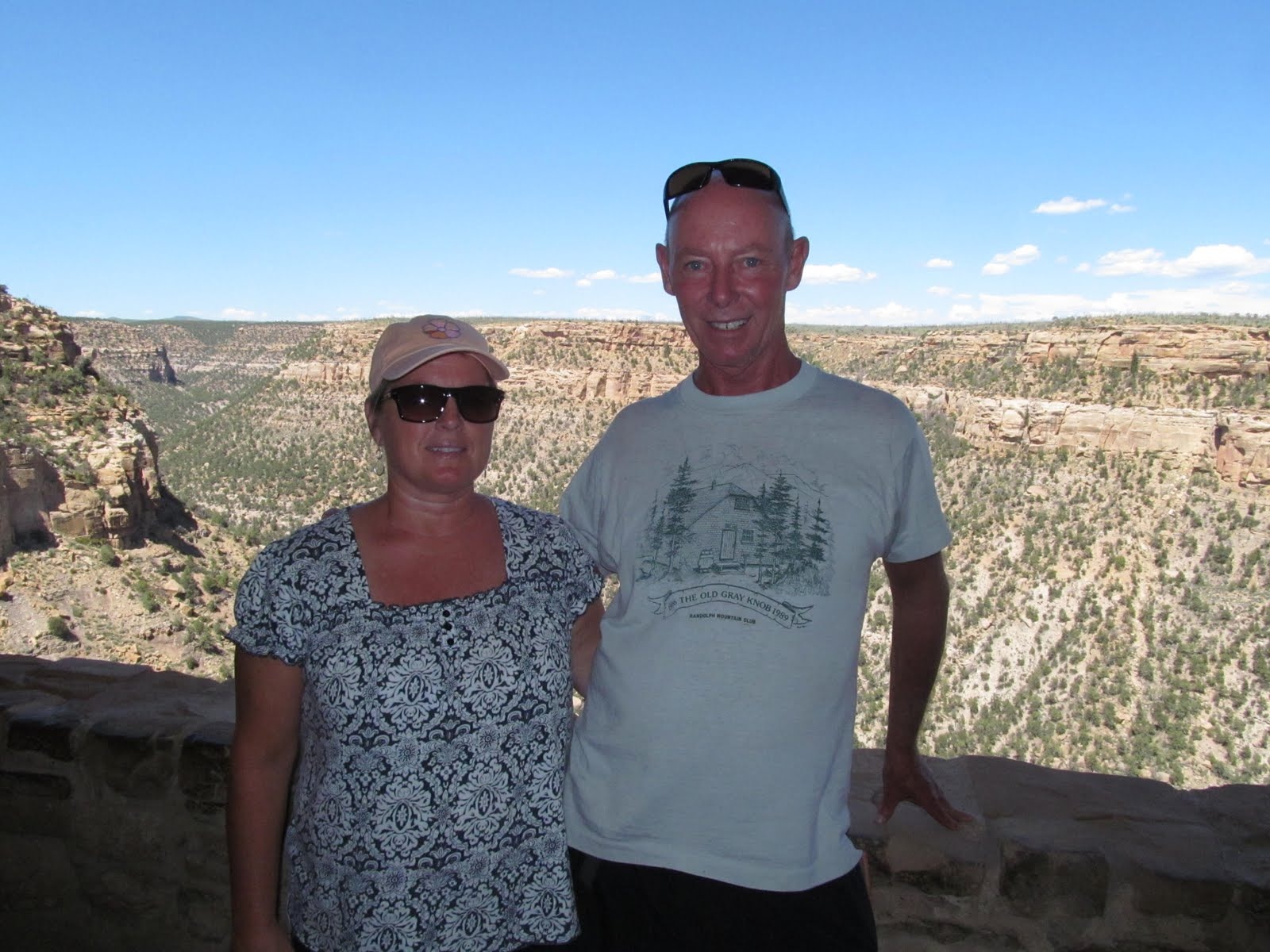
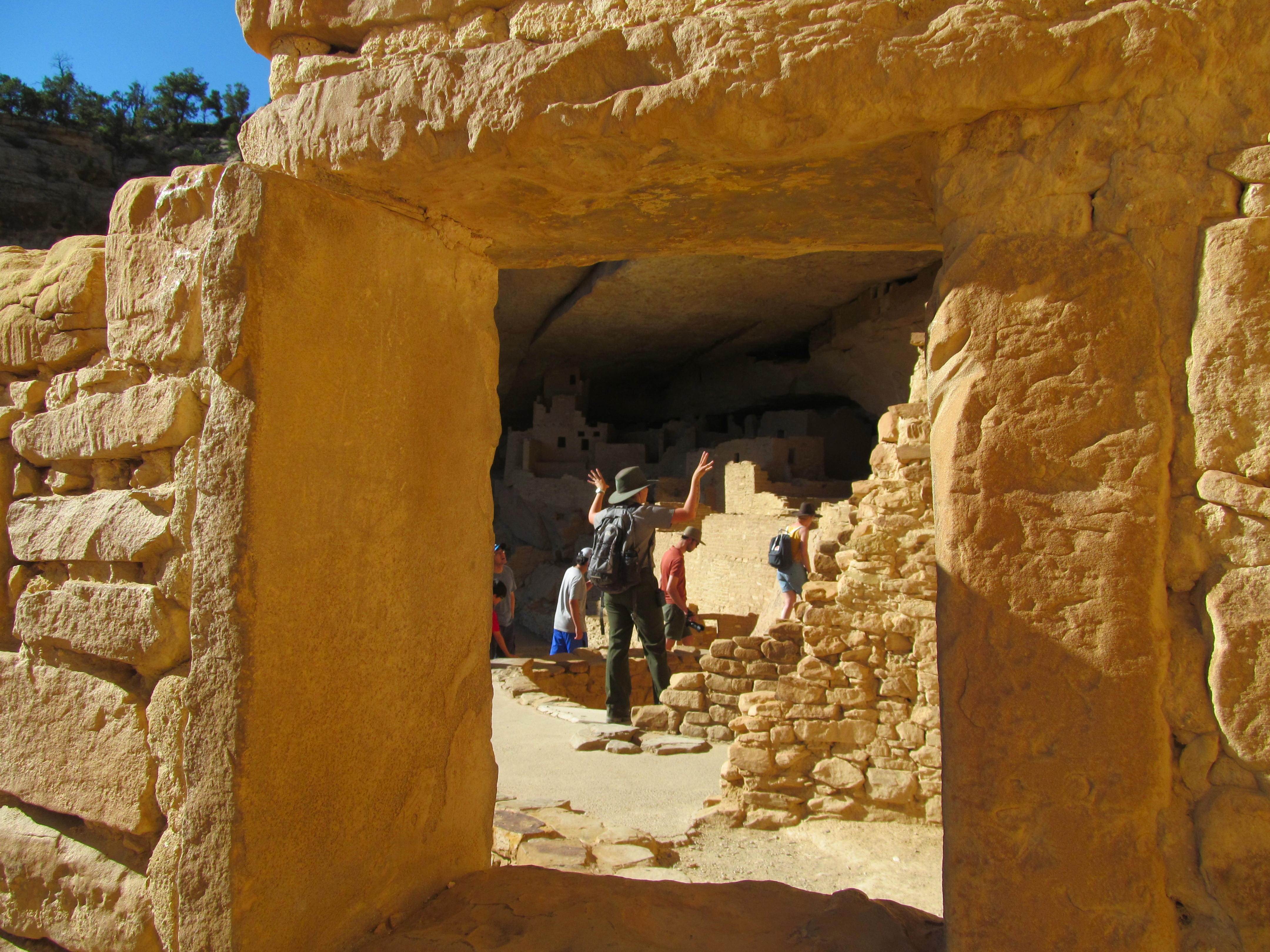
As we moved through the rooms and courtyards, every doorway and wall revealed another detail. Some spaces felt compact and enclosed, while others opened toward broad views across the mesa and canyon country.
As we moved through the rooms and courtyards, every doorway and wall revealed another detail. Some spaces felt compact and enclosed, while others opened toward broad views across the mesa and canyon country.
The ladders and steep exits also made the visit feel like a genuine physical journey. It was easy to imagine how naturally the original residents must have moved through this vertical world, while modern visitors took each rung and narrow passage much more cautiously.
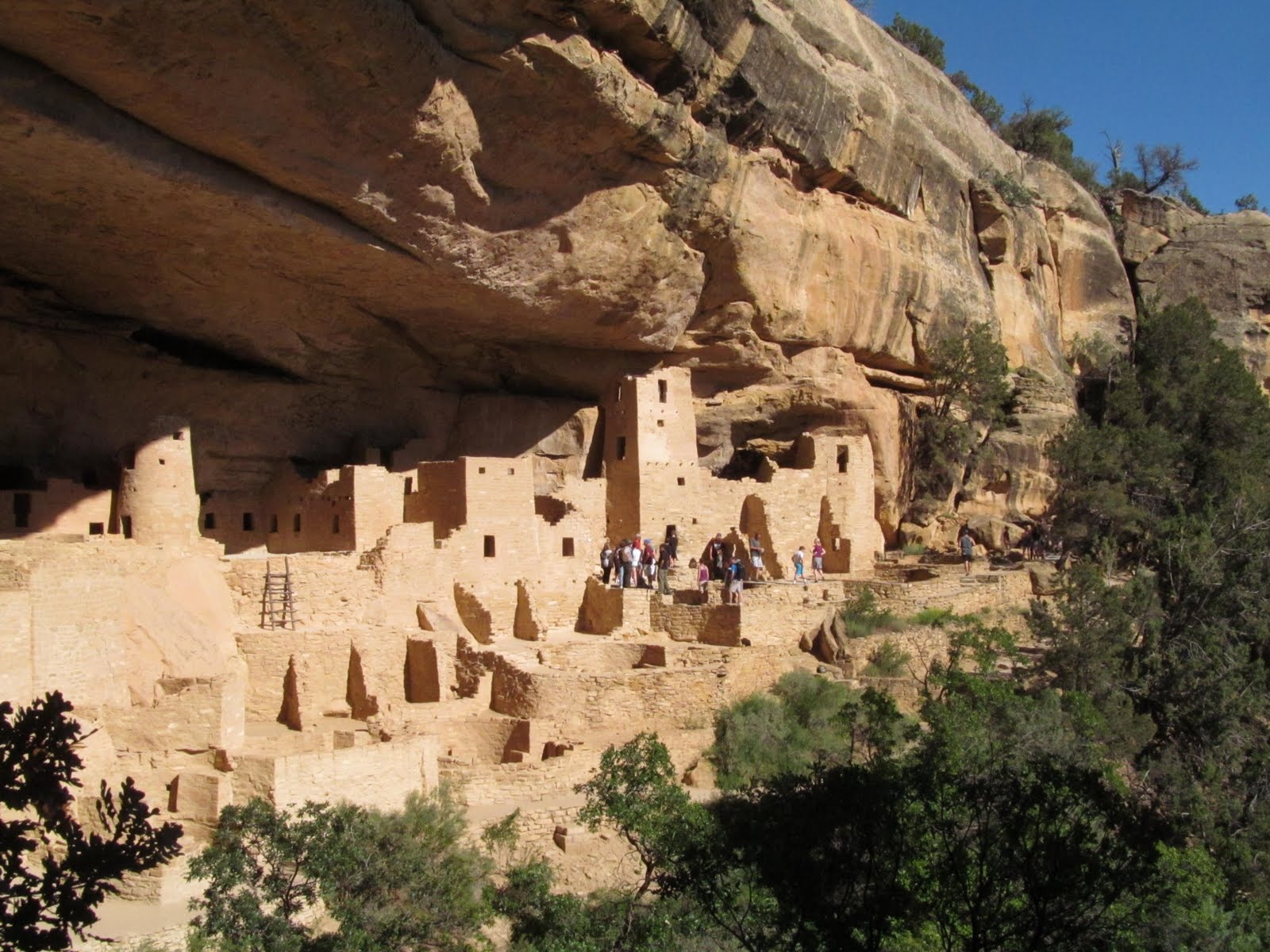
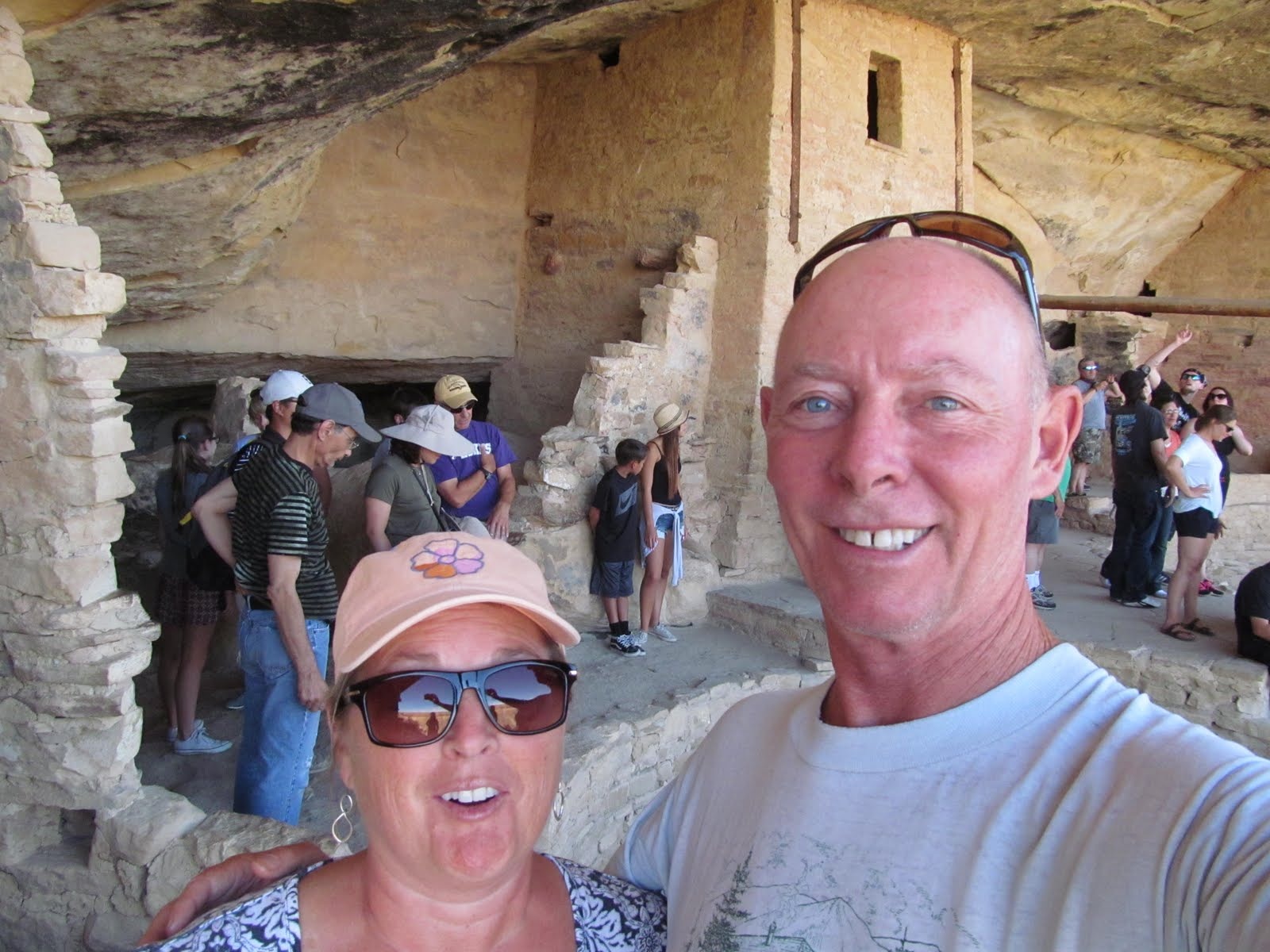
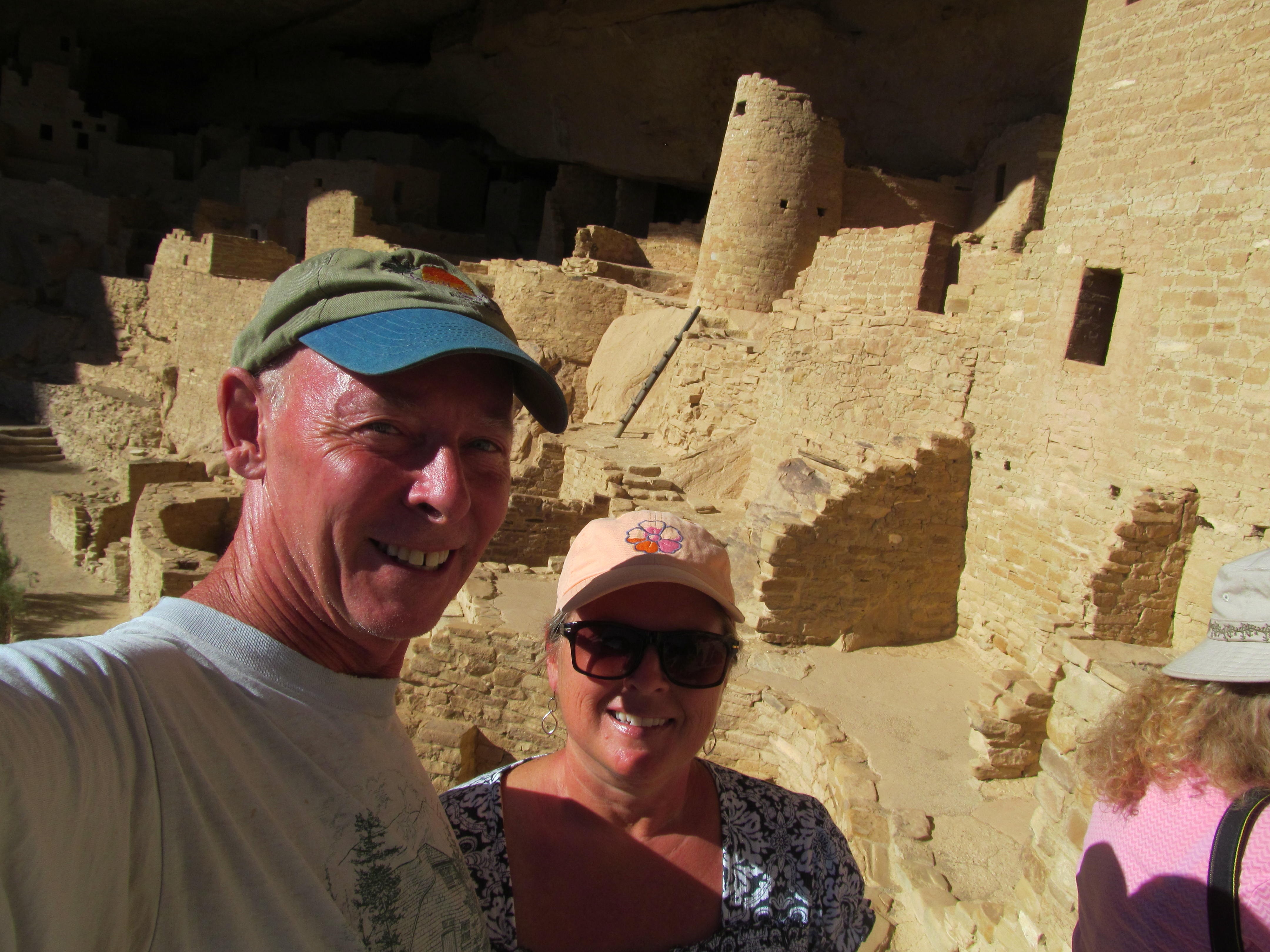
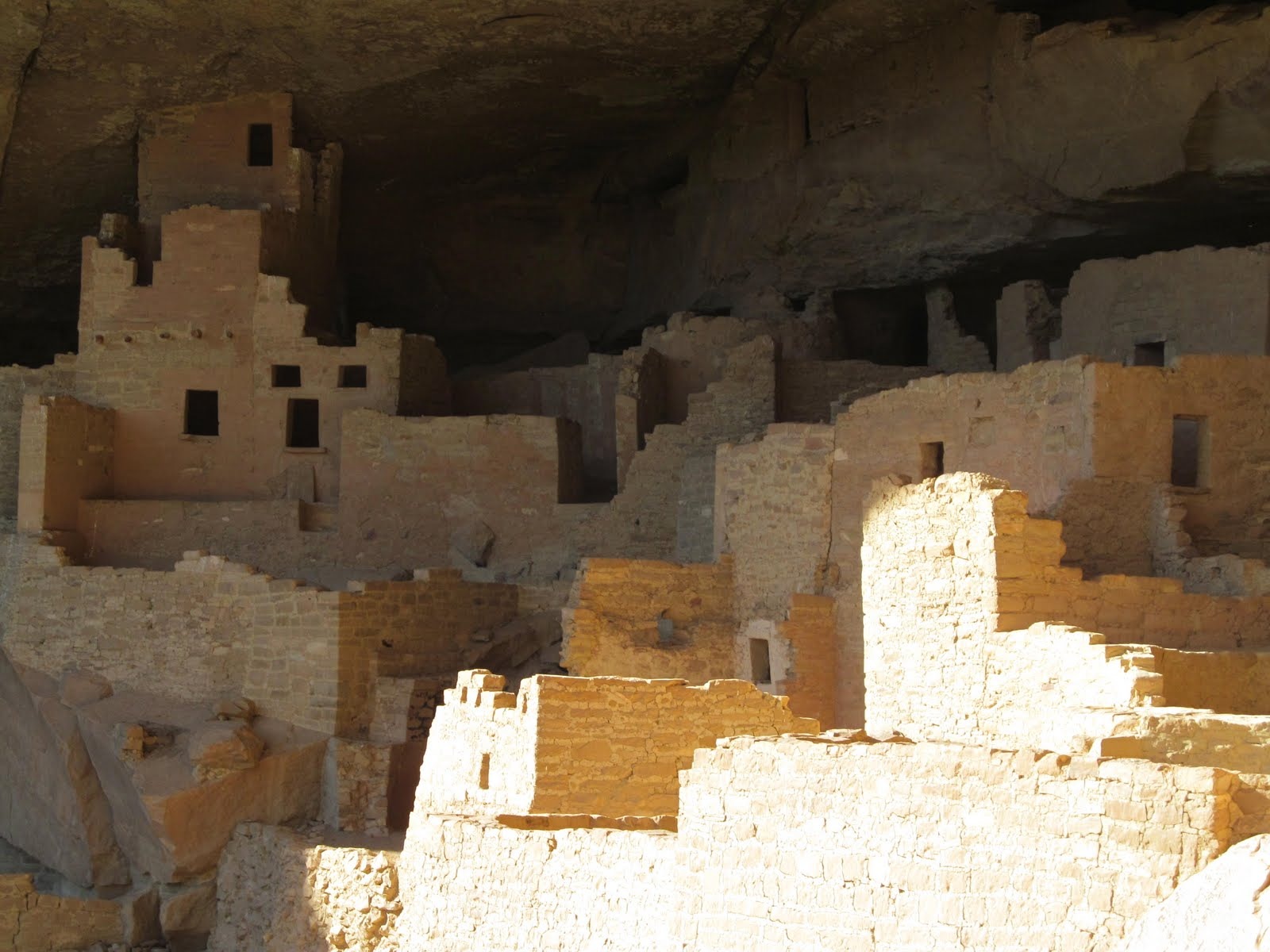
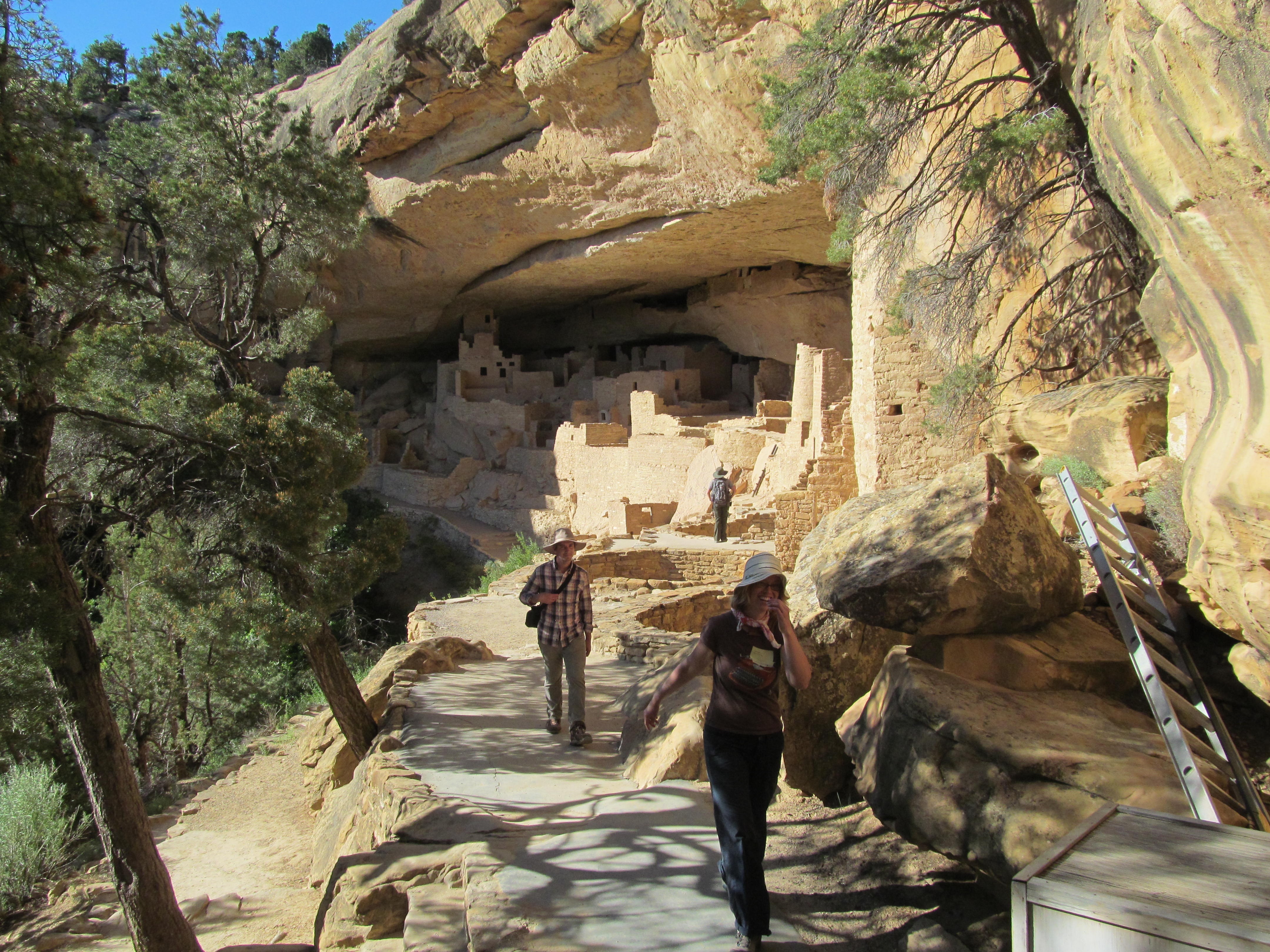
Cliff Palace was the most spectacular of the Mesa Verde sites we visited. From across the canyon, the settlement seemed to fit perfectly beneath its immense sandstone ceiling, almost as if the alcove and architecture had been designed together.
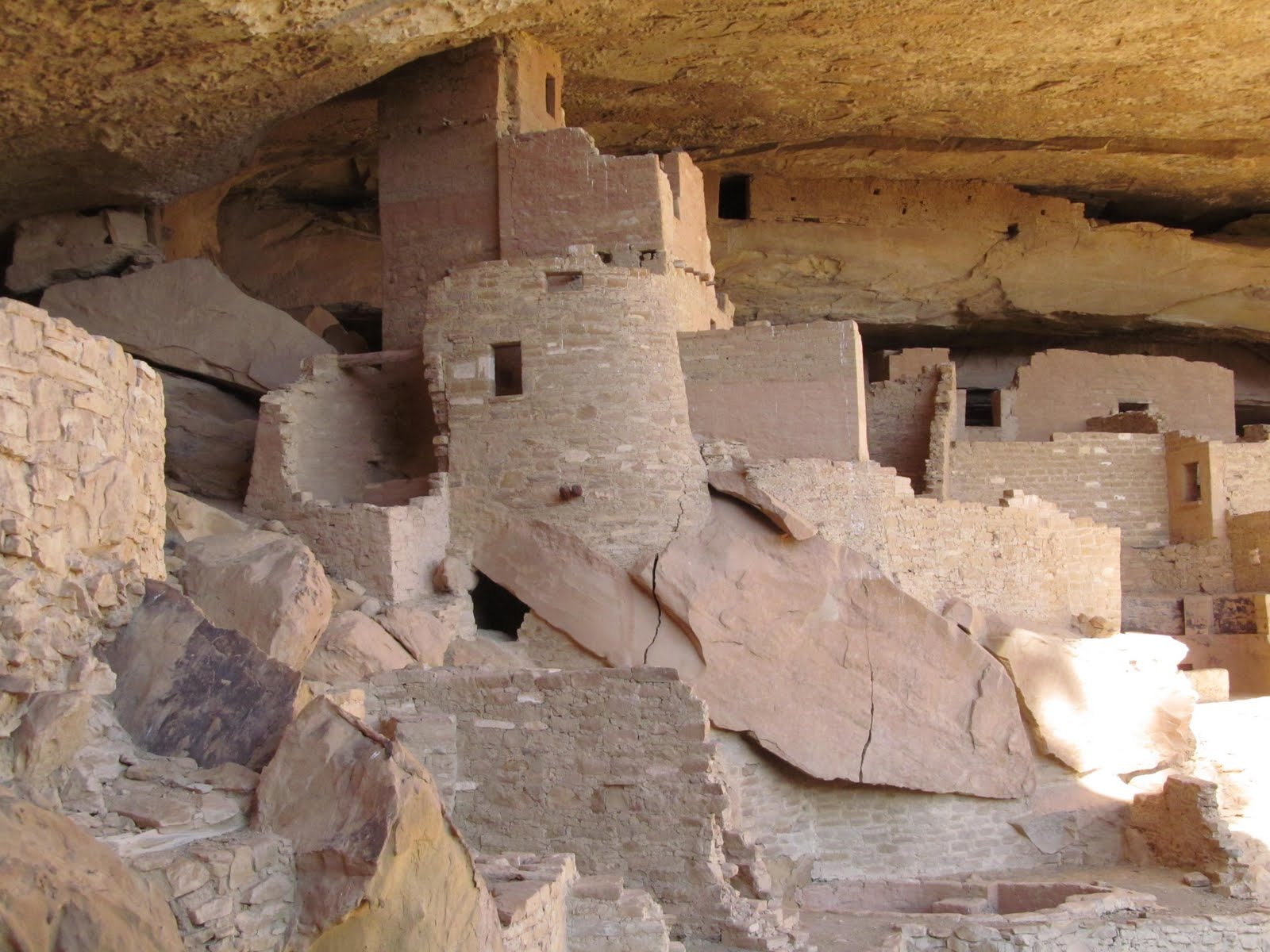
Cliff Palace was the most spectacular of the Mesa Verde sites we visited. From across the canyon, the settlement seemed to fit perfectly beneath its immense sandstone ceiling, almost as if the alcove and architecture had been designed together.
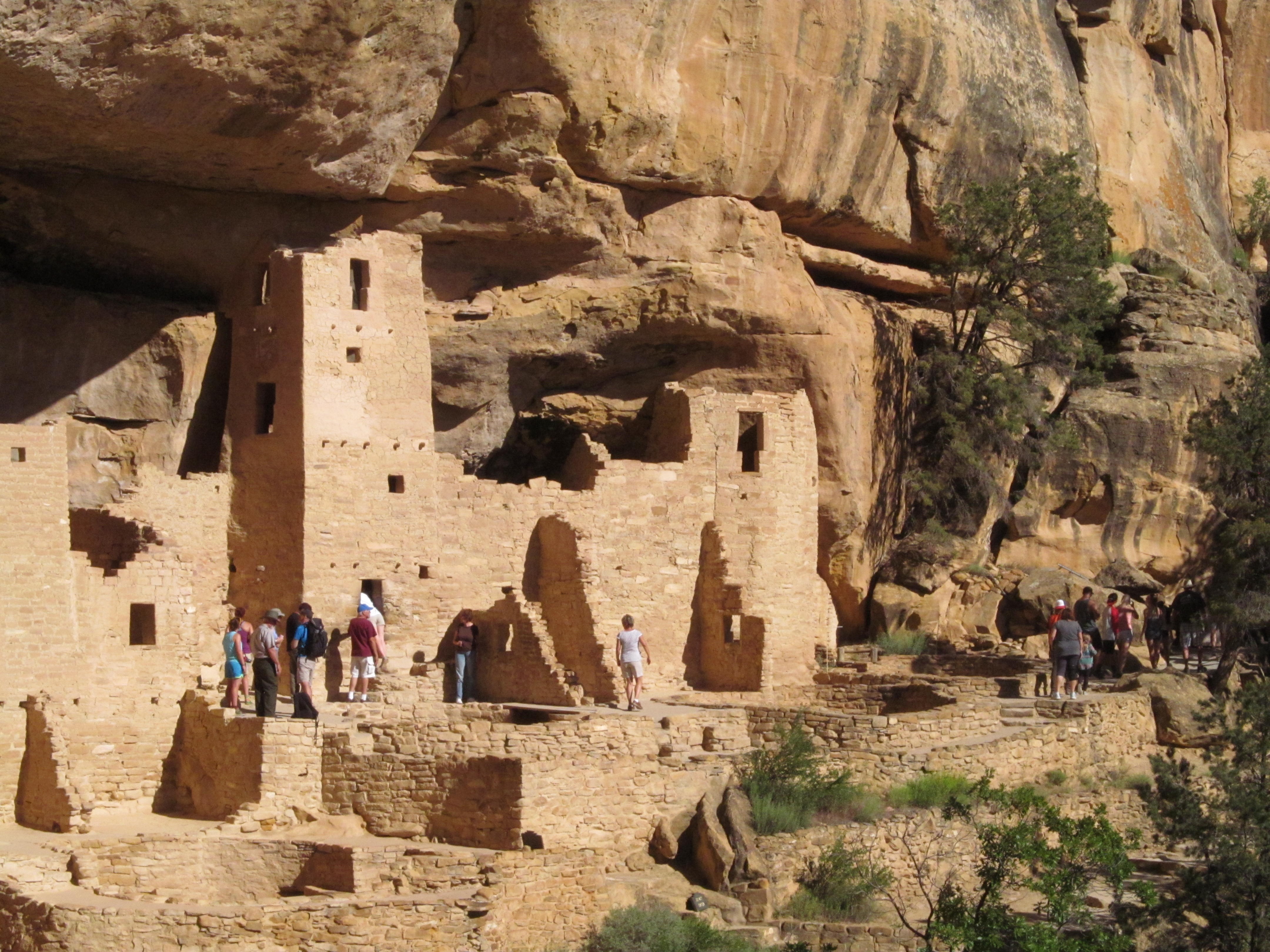
The closer we came, the more impressive the masonry became. Towers, rooms, kivas, and plazas were fitted into every available part of the alcove, creating a settlement that still feels remarkably complete after centuries of exposure and change.
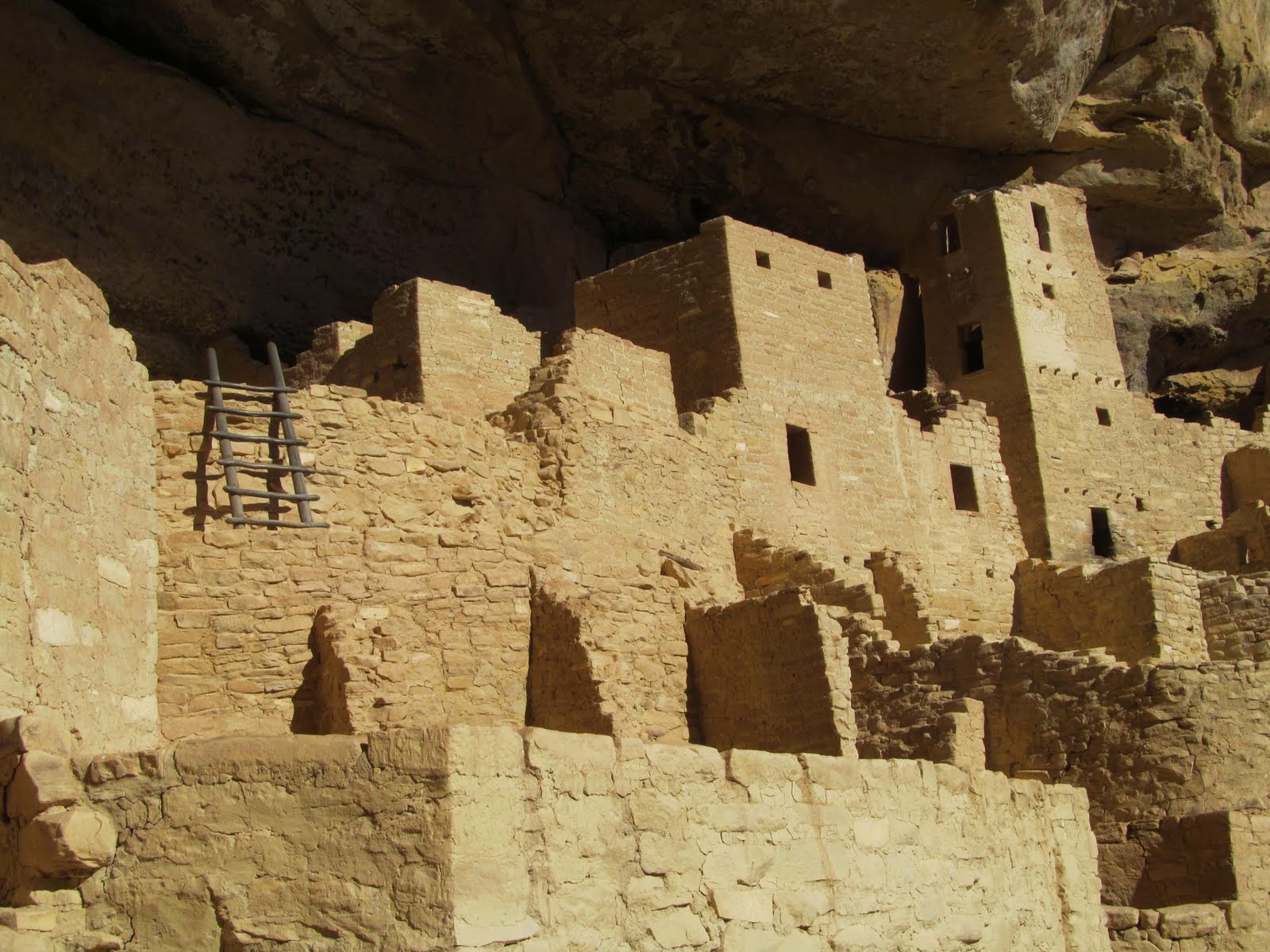
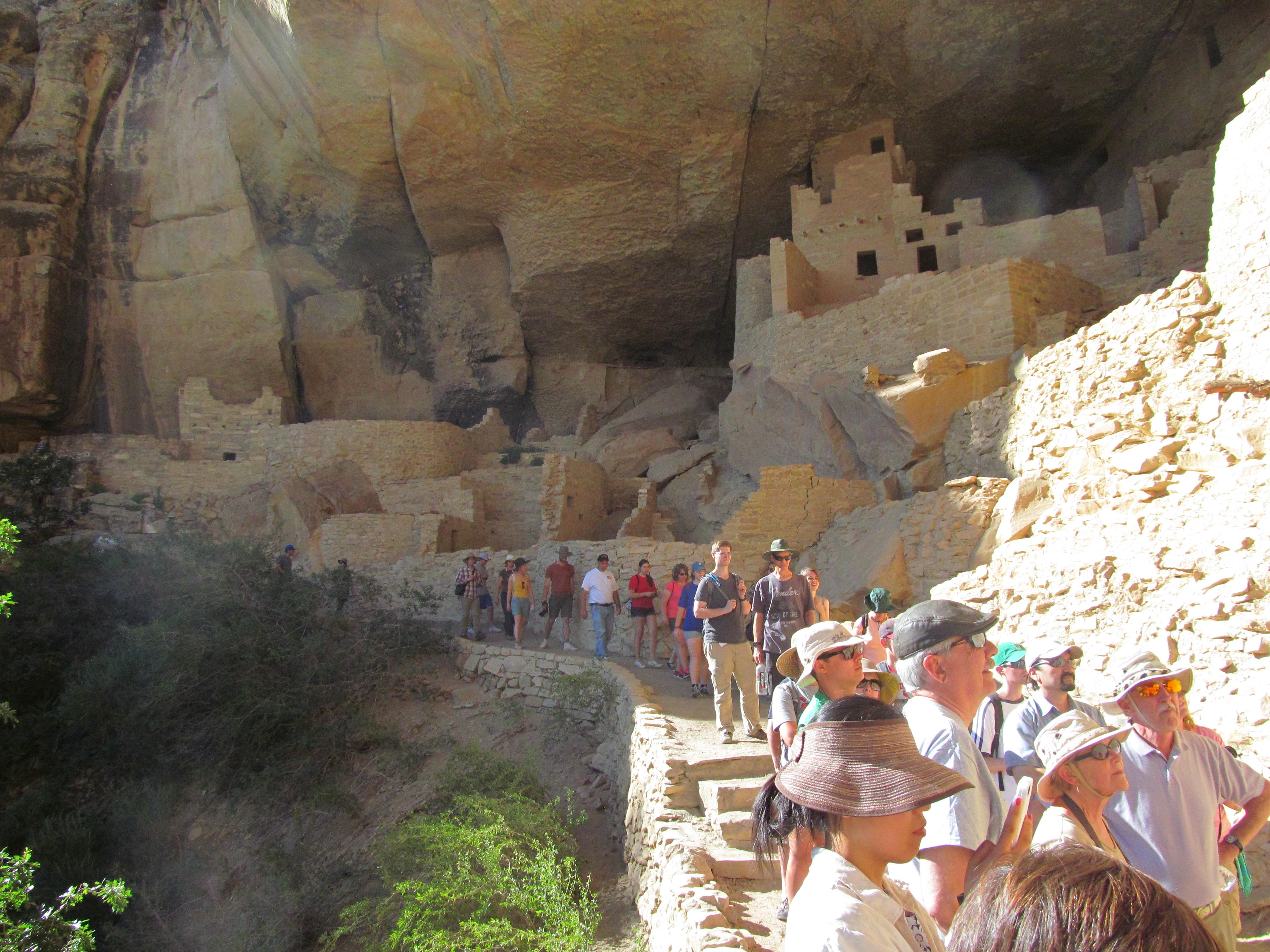
The warm afternoon light brought the walls to life. Pale stone glowed beneath the dark overhang, and the people walking through the site gave a sense of the scale of the buildings and towers.
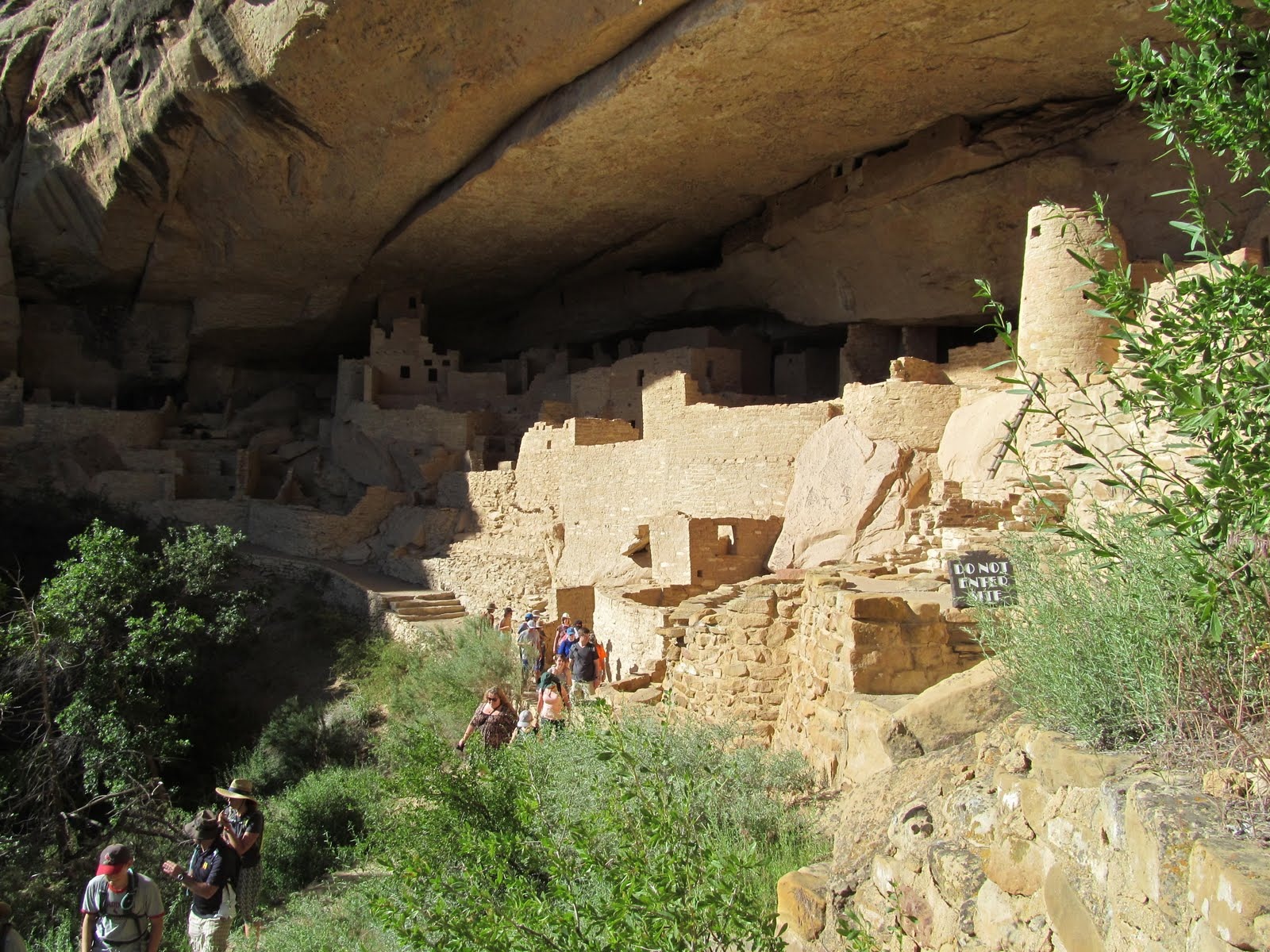
The warm afternoon light brought the walls to life. Pale stone glowed beneath the dark overhang, and the people walking through the site gave a sense of the scale of the buildings and towers.
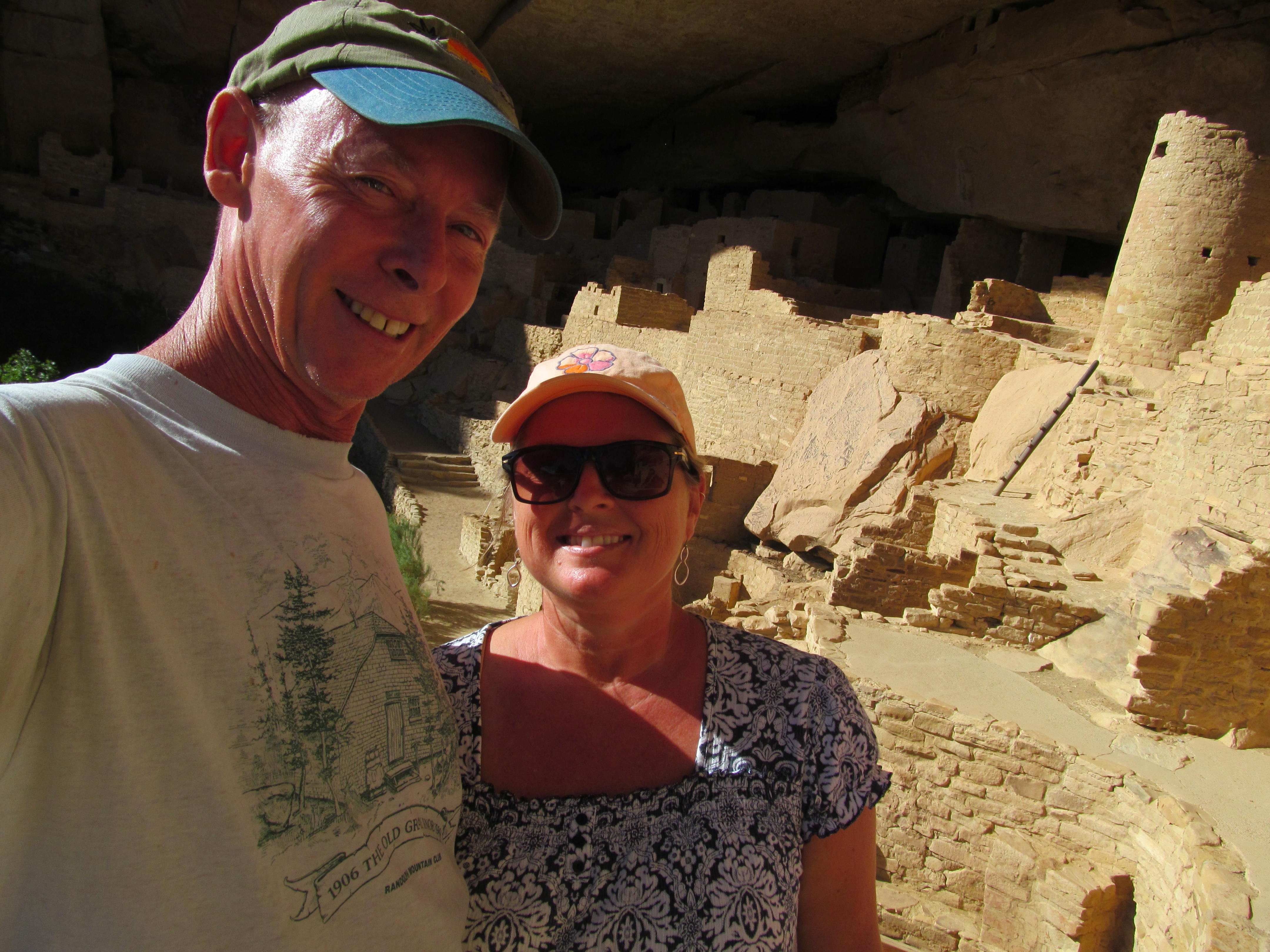
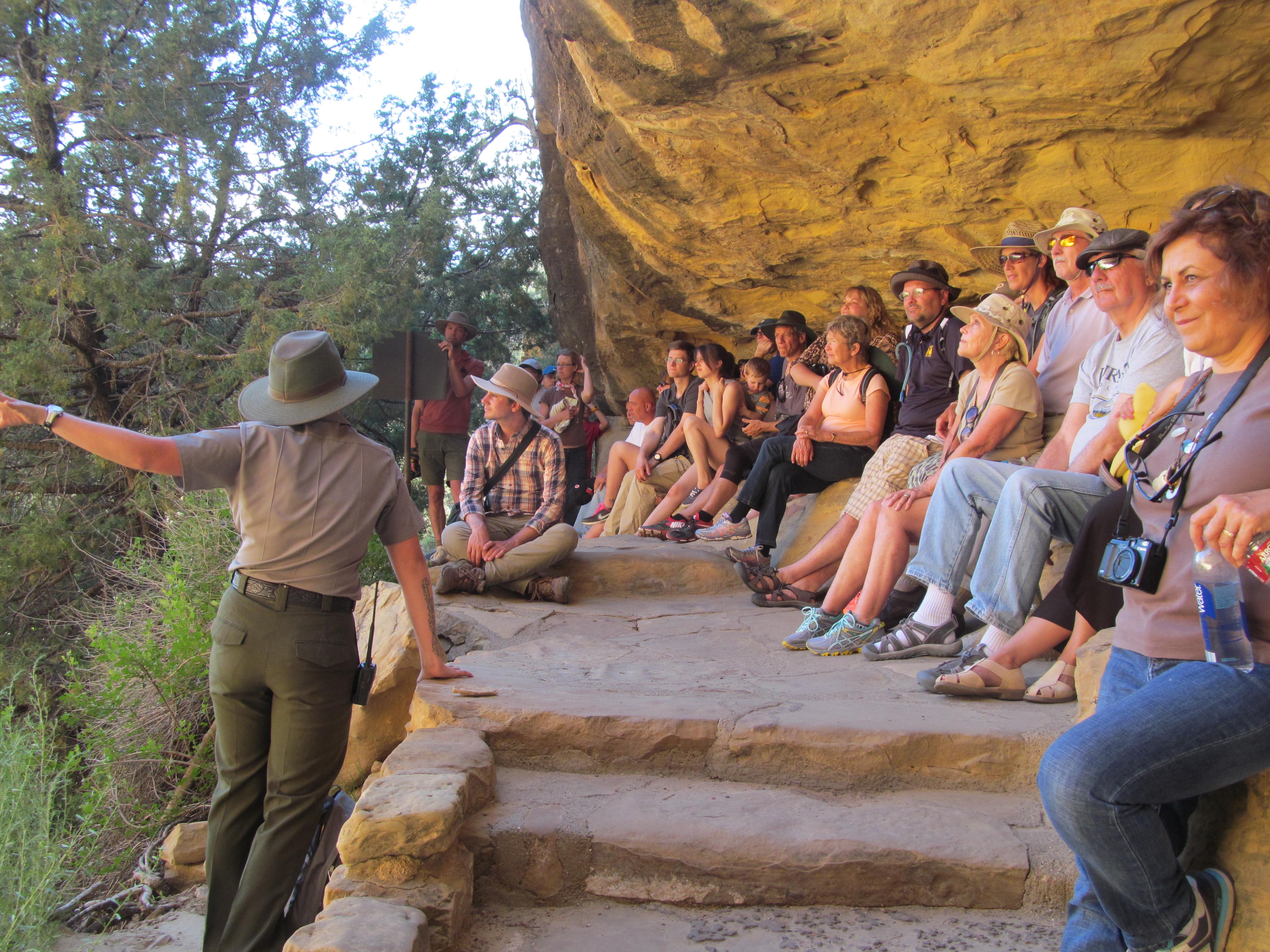
A ranger-led tour helped connect the architecture with the people who built it. The site is beautiful, but its real importance is the human story—generations adapting to the mesa, farming above, and building protected communities beneath the cliffs.
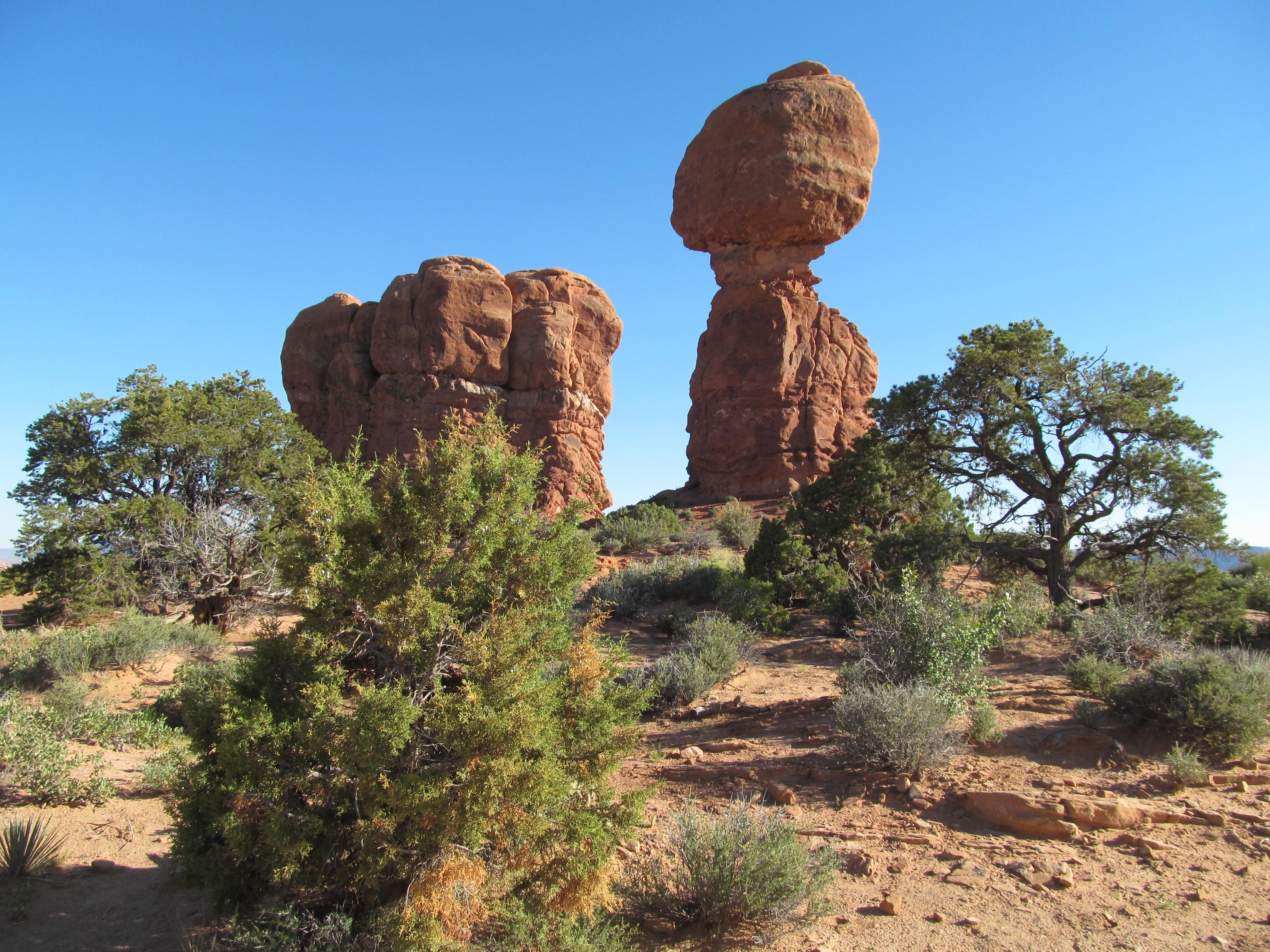
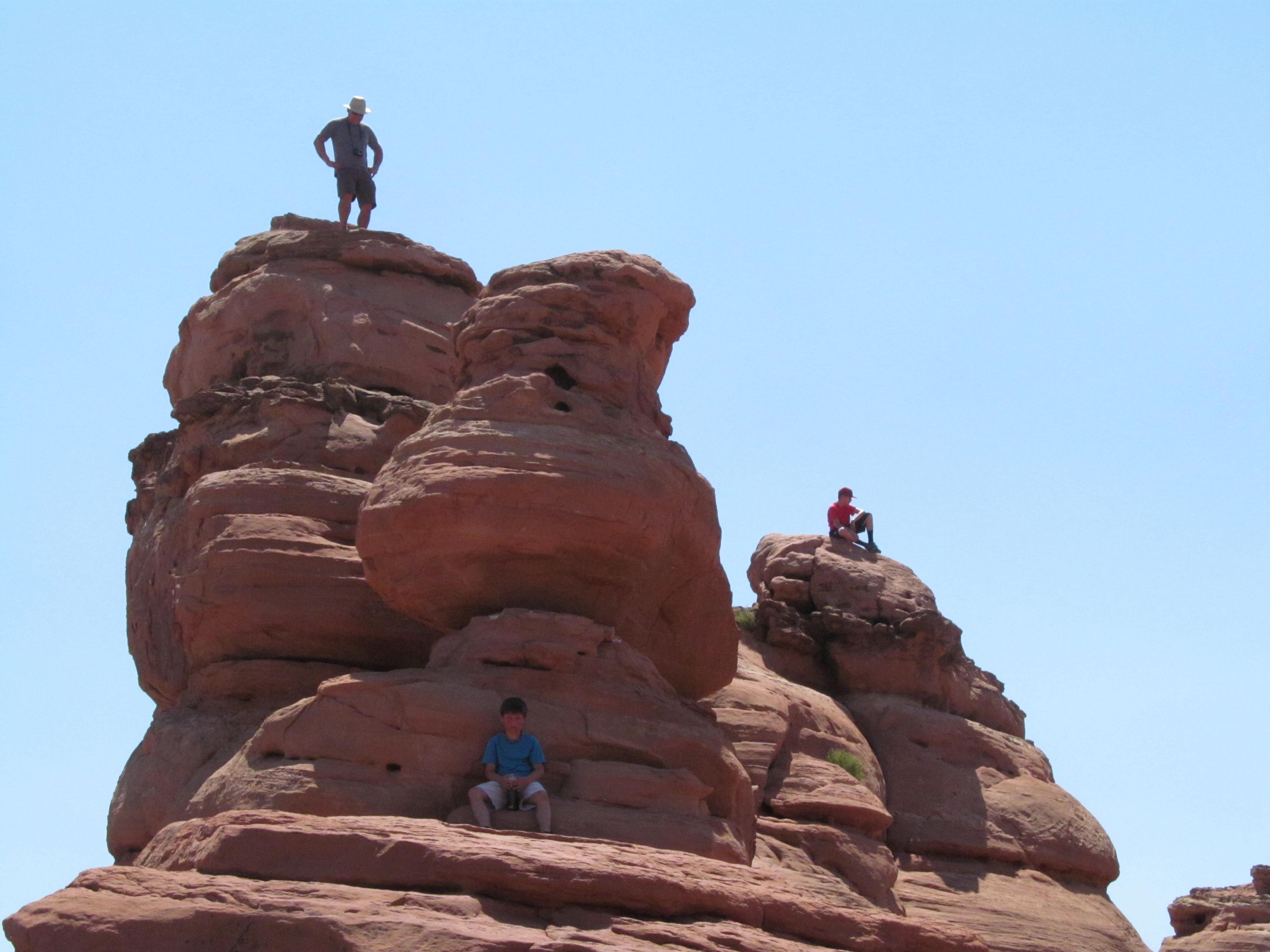
From Mesa Verde we continued into Utah and the red-rock country around Moab. Arches National Park is a landscape where every turn reveals another fin, tower, balanced boulder, or opening carved through sandstone.
From Mesa Verde we continued into Utah and the red-rock country around Moab. Arches National Park is a landscape where every turn reveals another fin, tower, balanced boulder, or opening carved through sandstone.
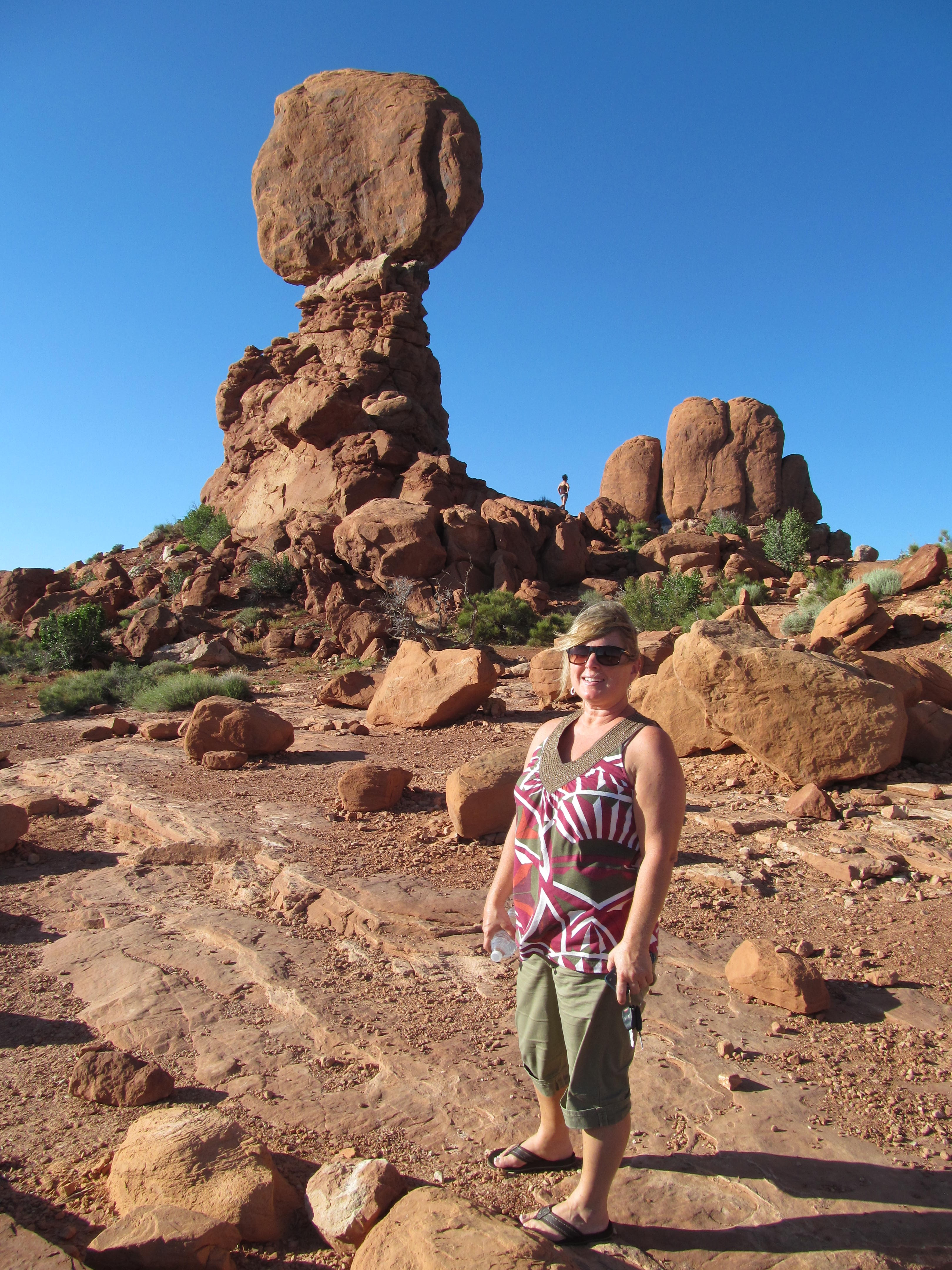
Balanced Rock is one of the park’s most recognizable formations, but seeing it in person makes its improbable shape feel even stranger. The enormous upper boulder seems ready to move even though erosion has left it standing for ages.
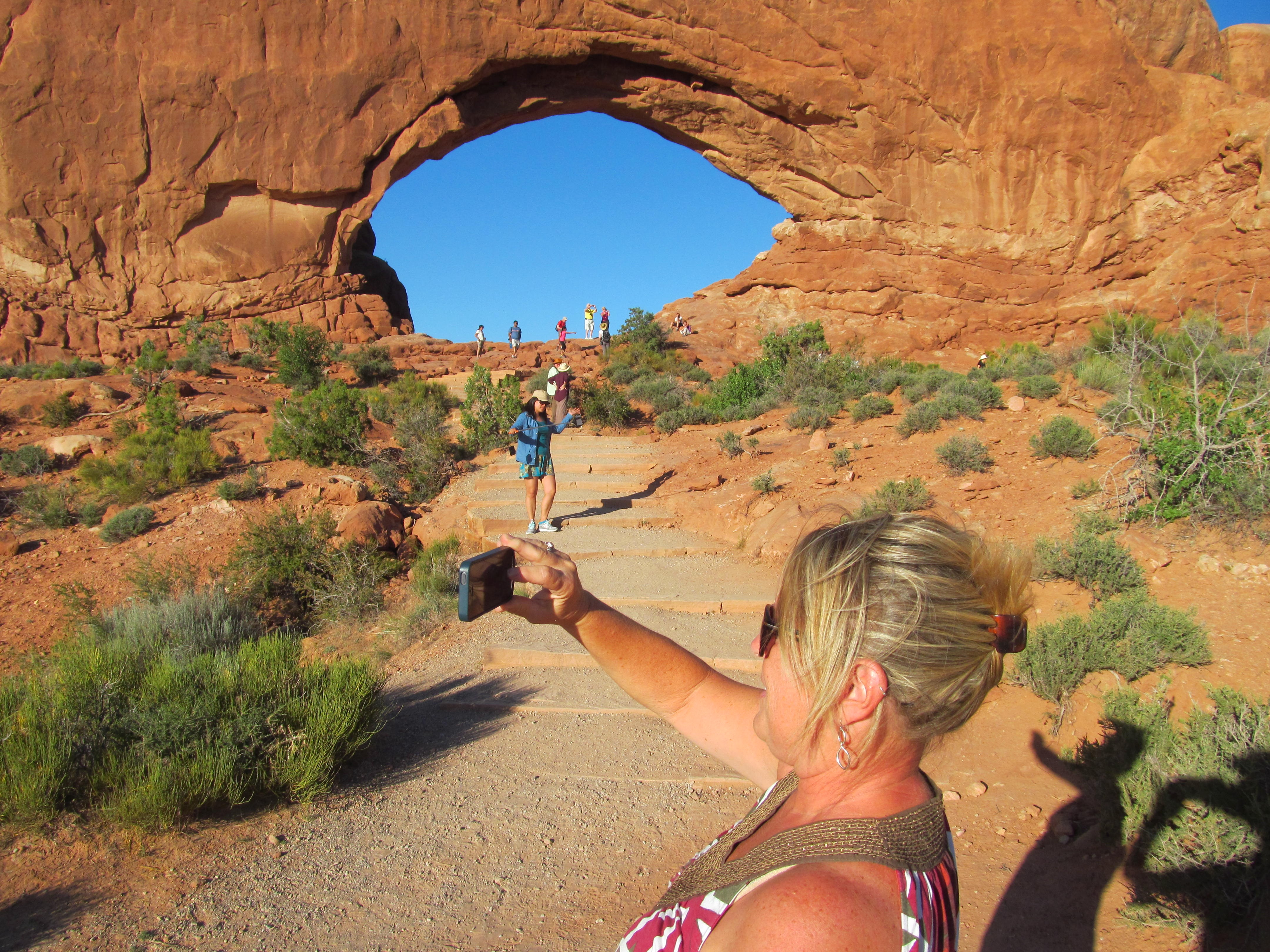
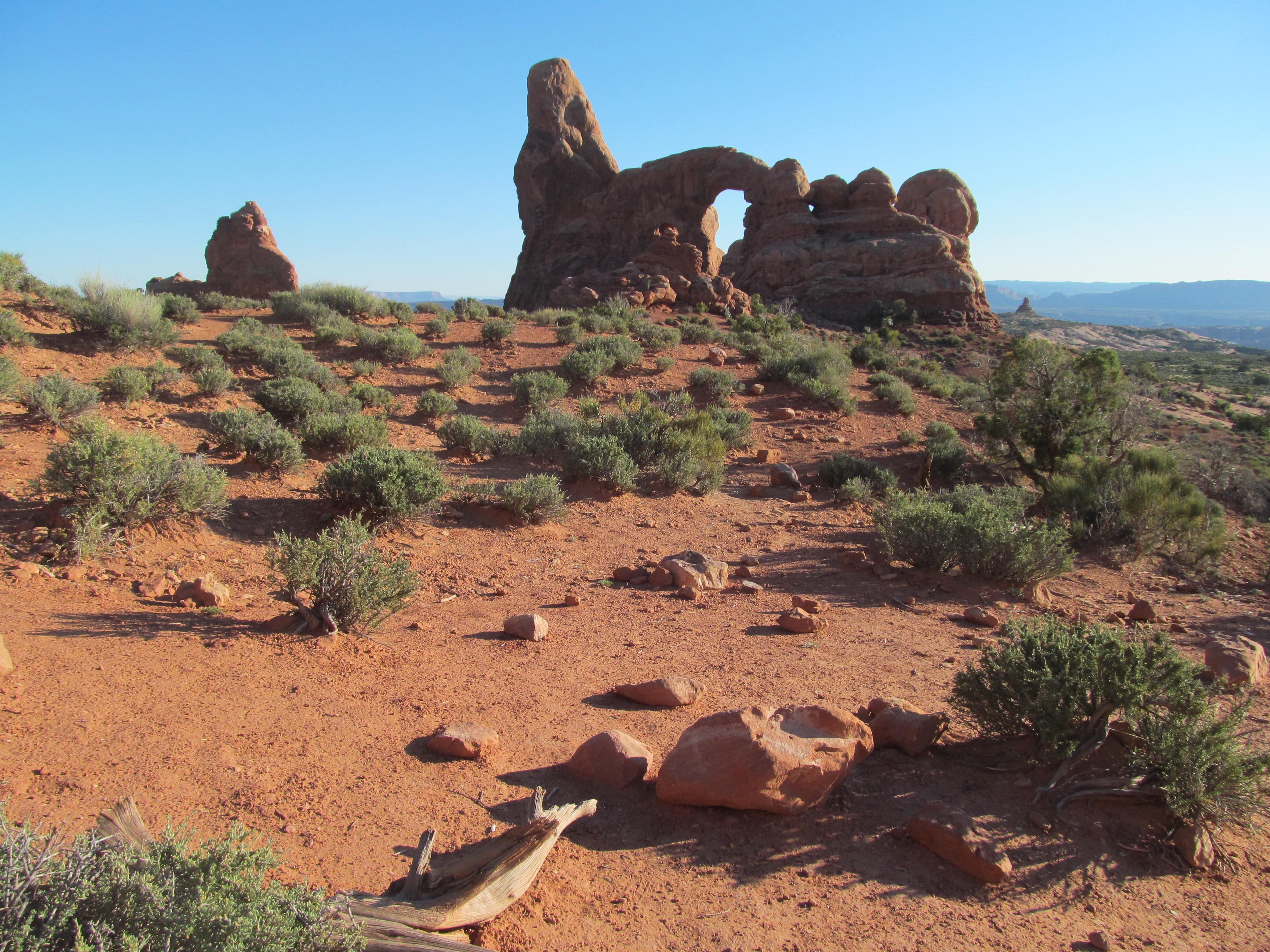
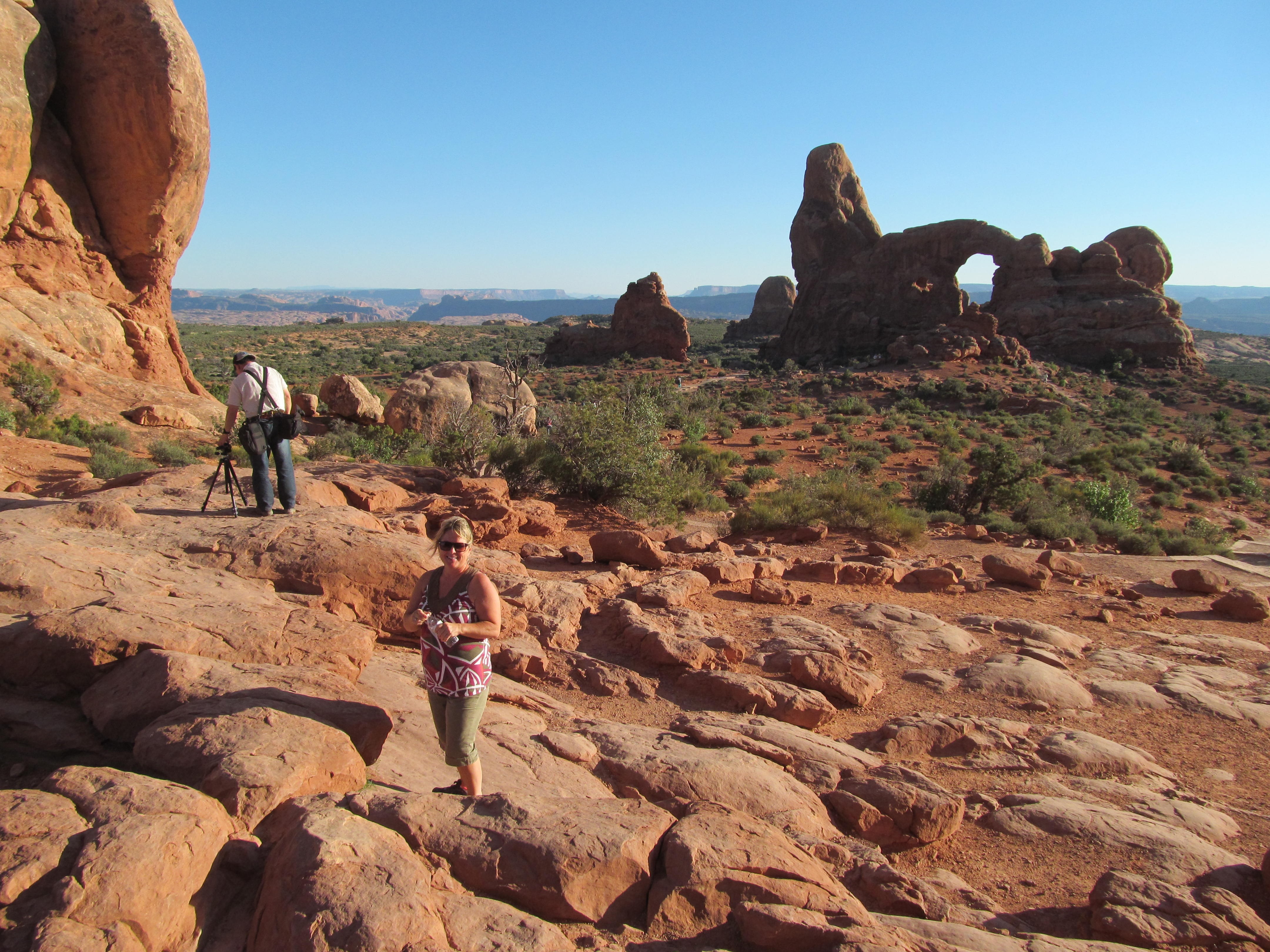
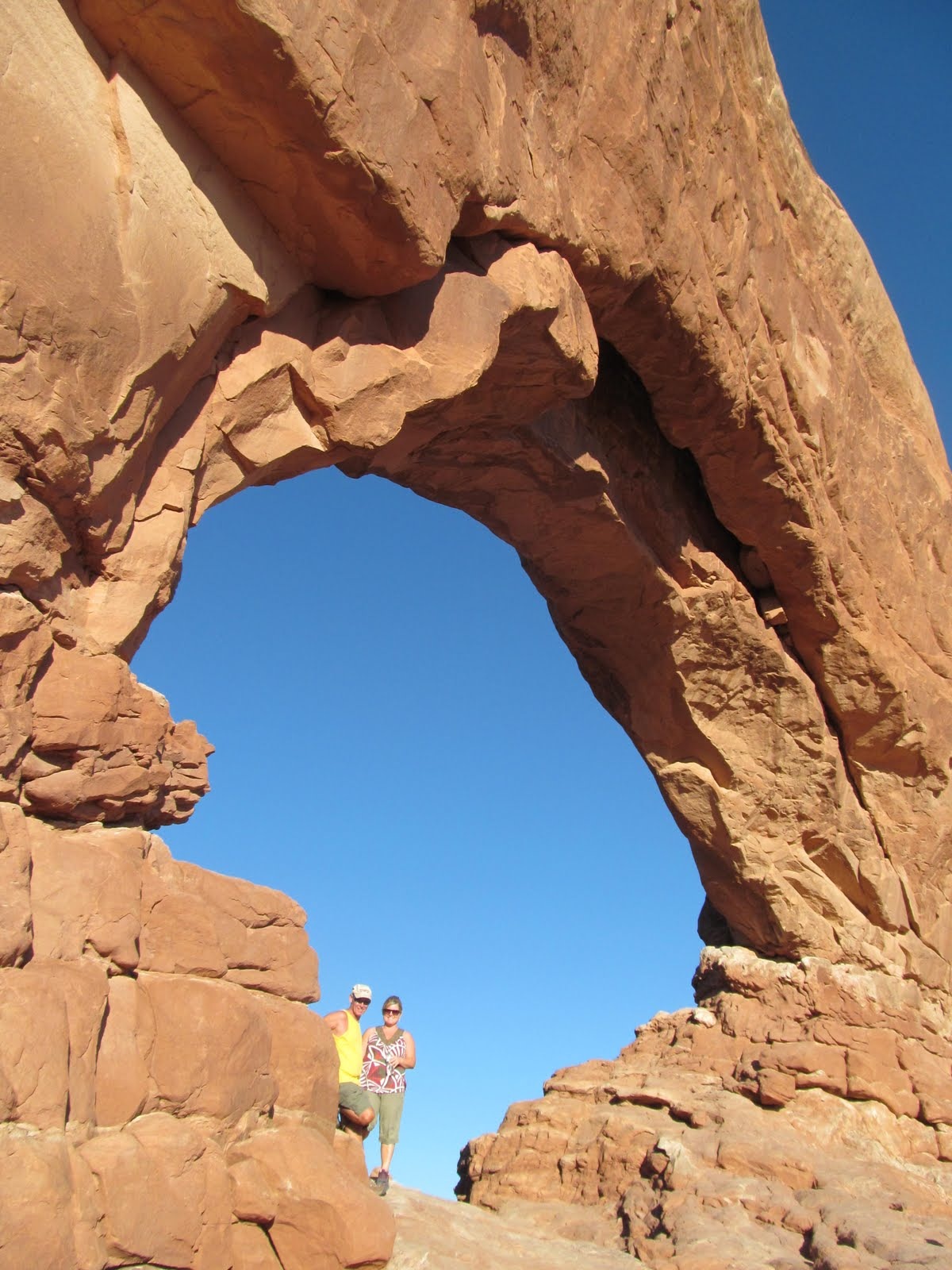
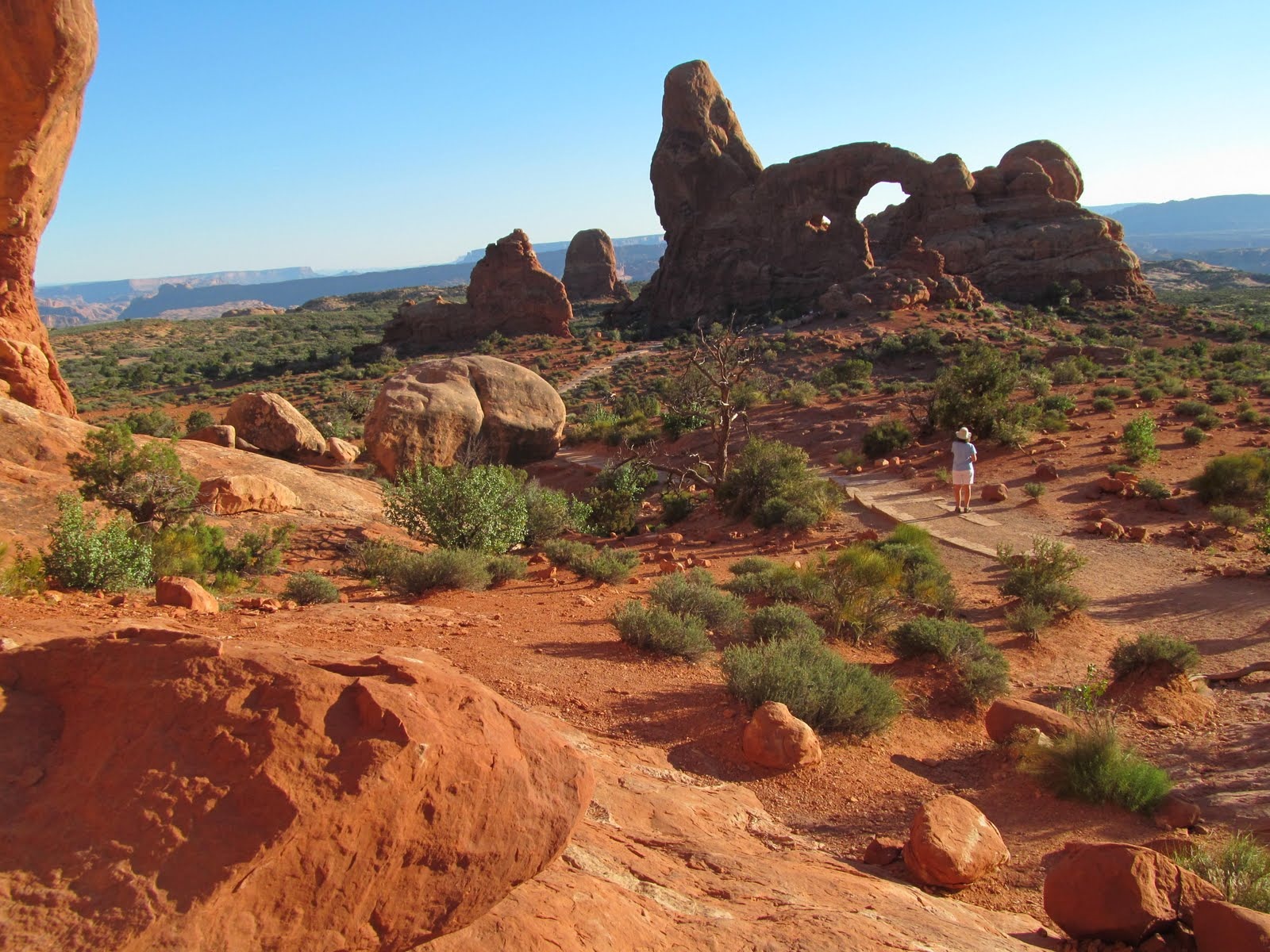
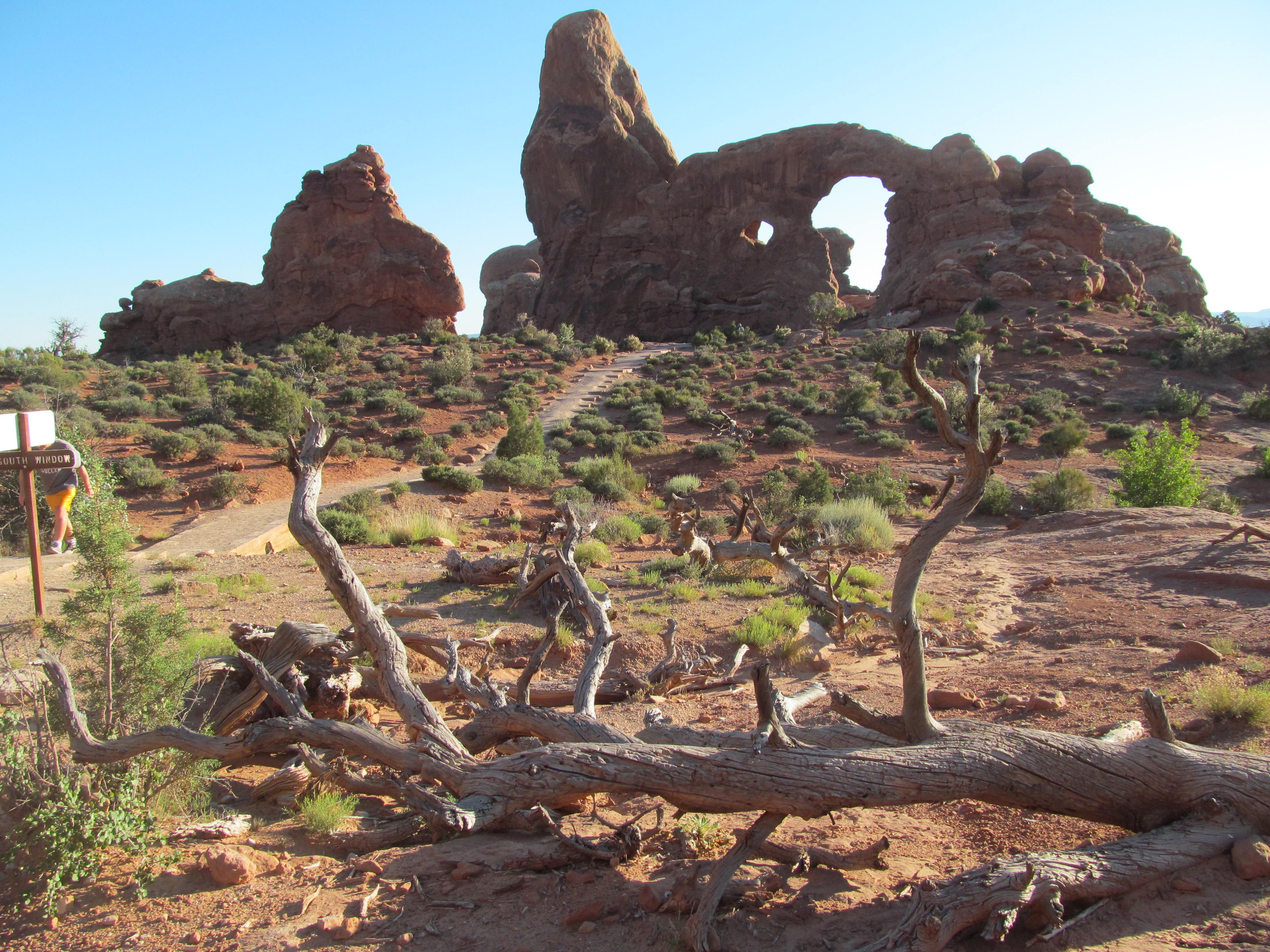
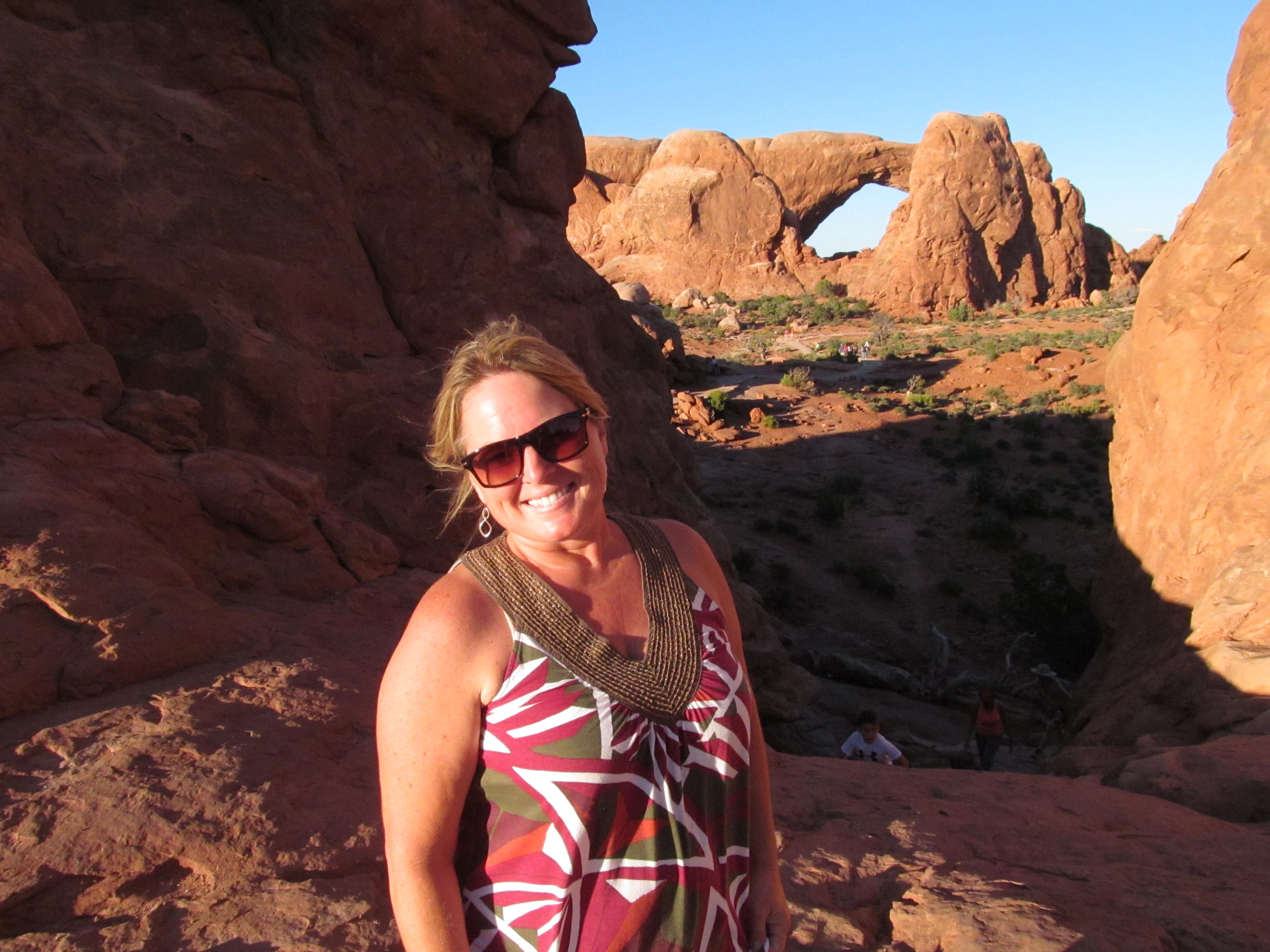
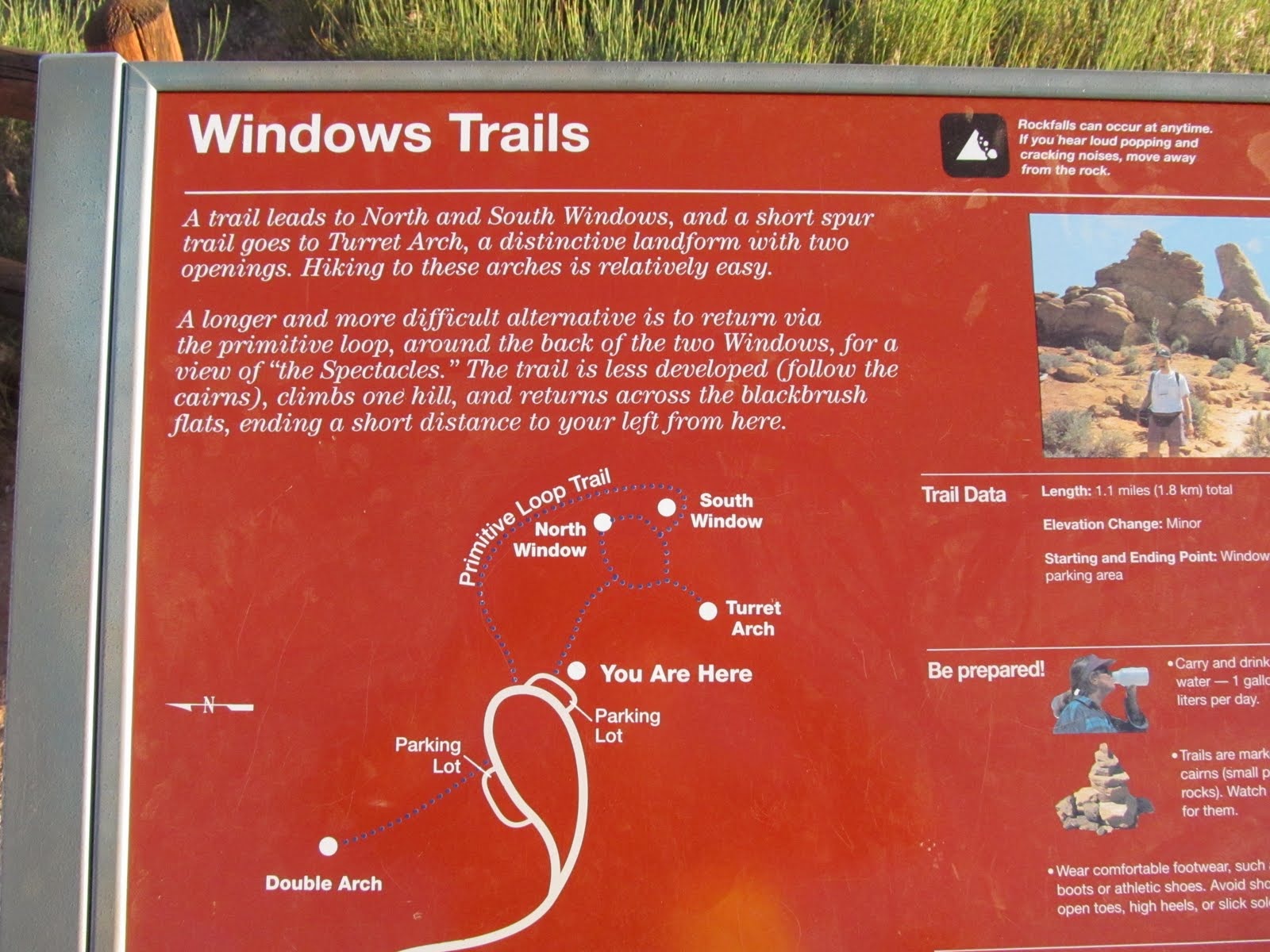
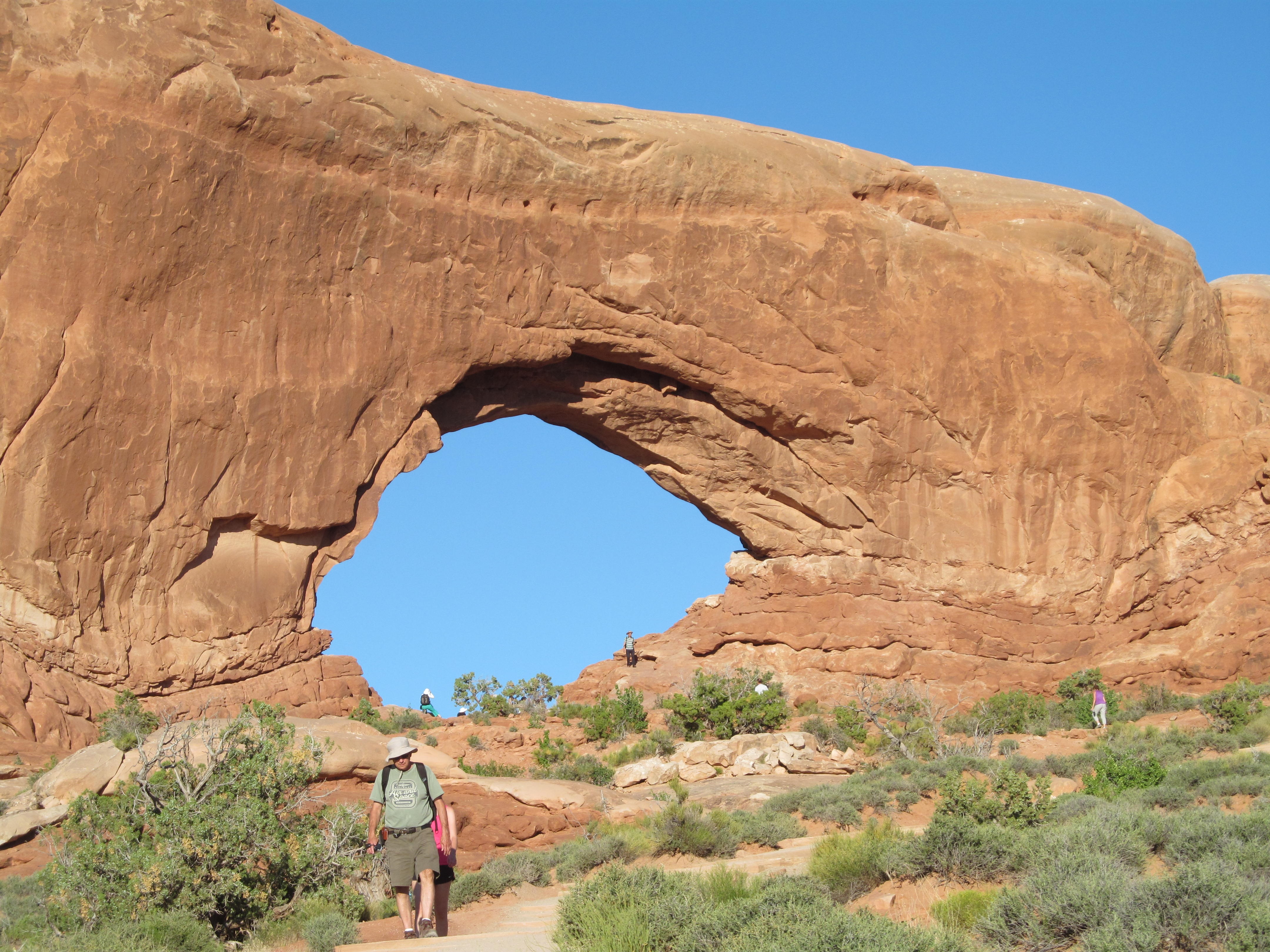
The Windows area gave us an easy way to walk directly among several enormous arches. The openings are so large that photographs barely convey their scale until a person is visible beneath them.
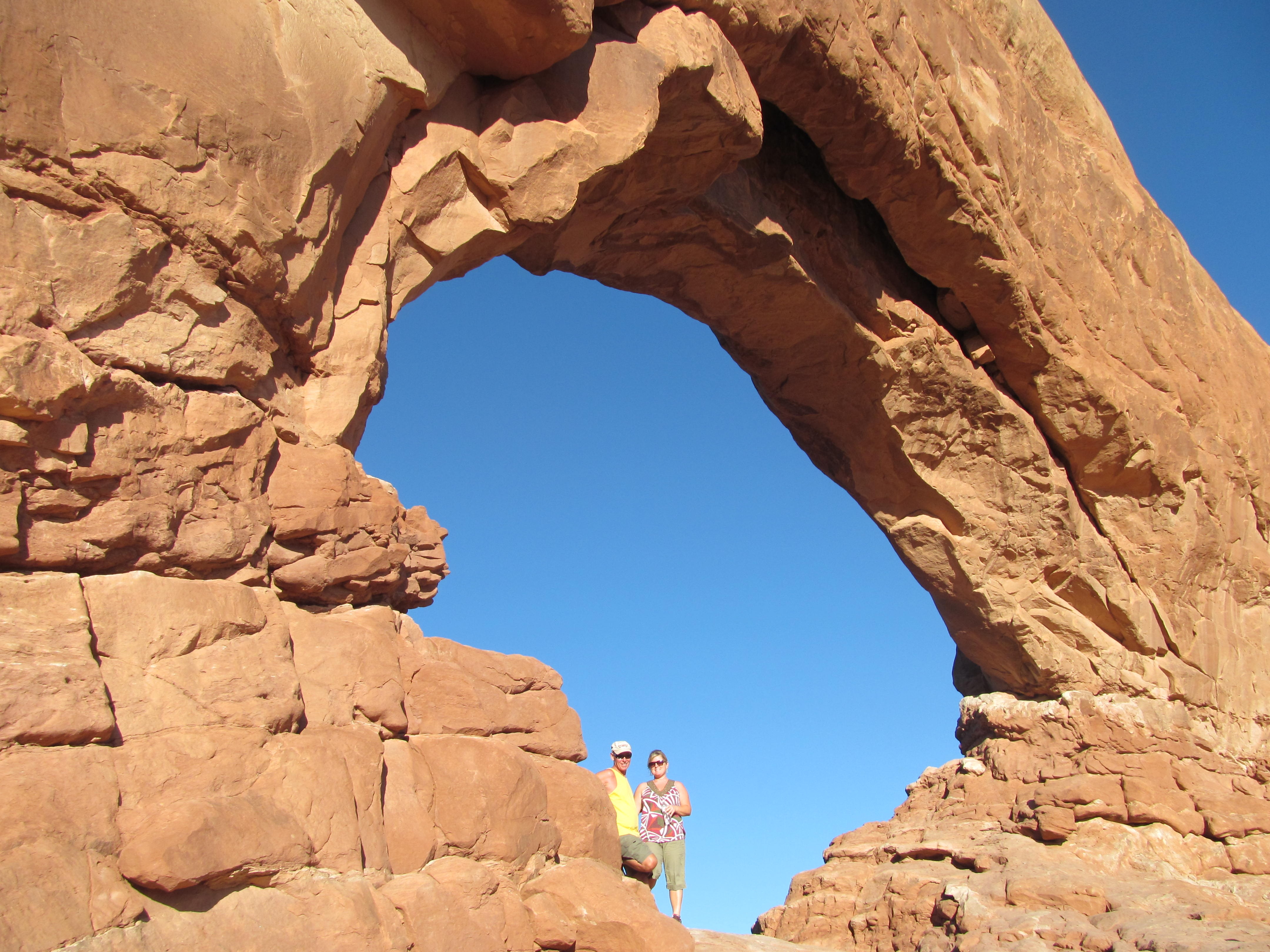
The Windows area gave us an easy way to walk directly among several enormous arches. The openings are so large that photographs barely convey their scale until a person is visible beneath them.
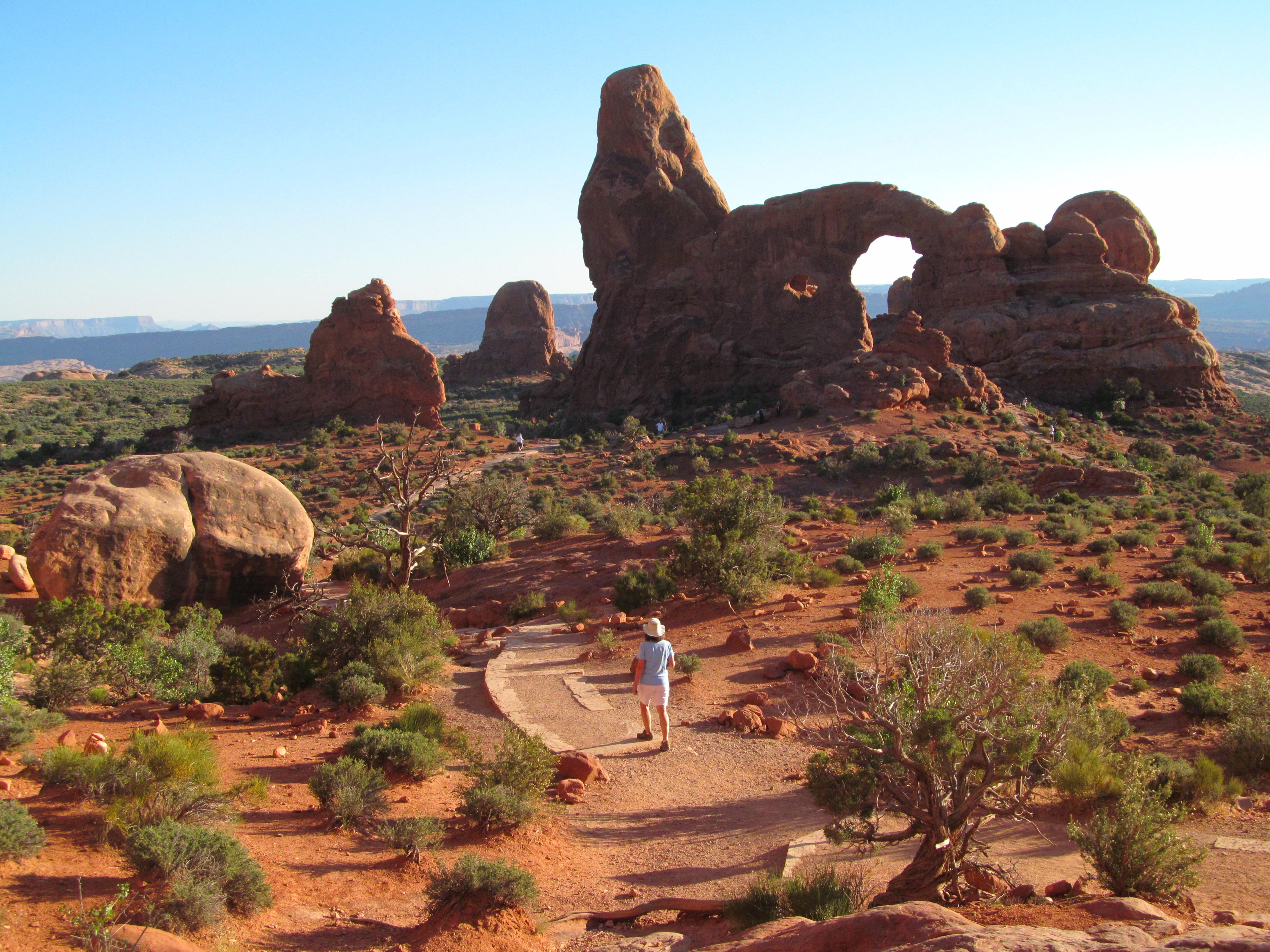
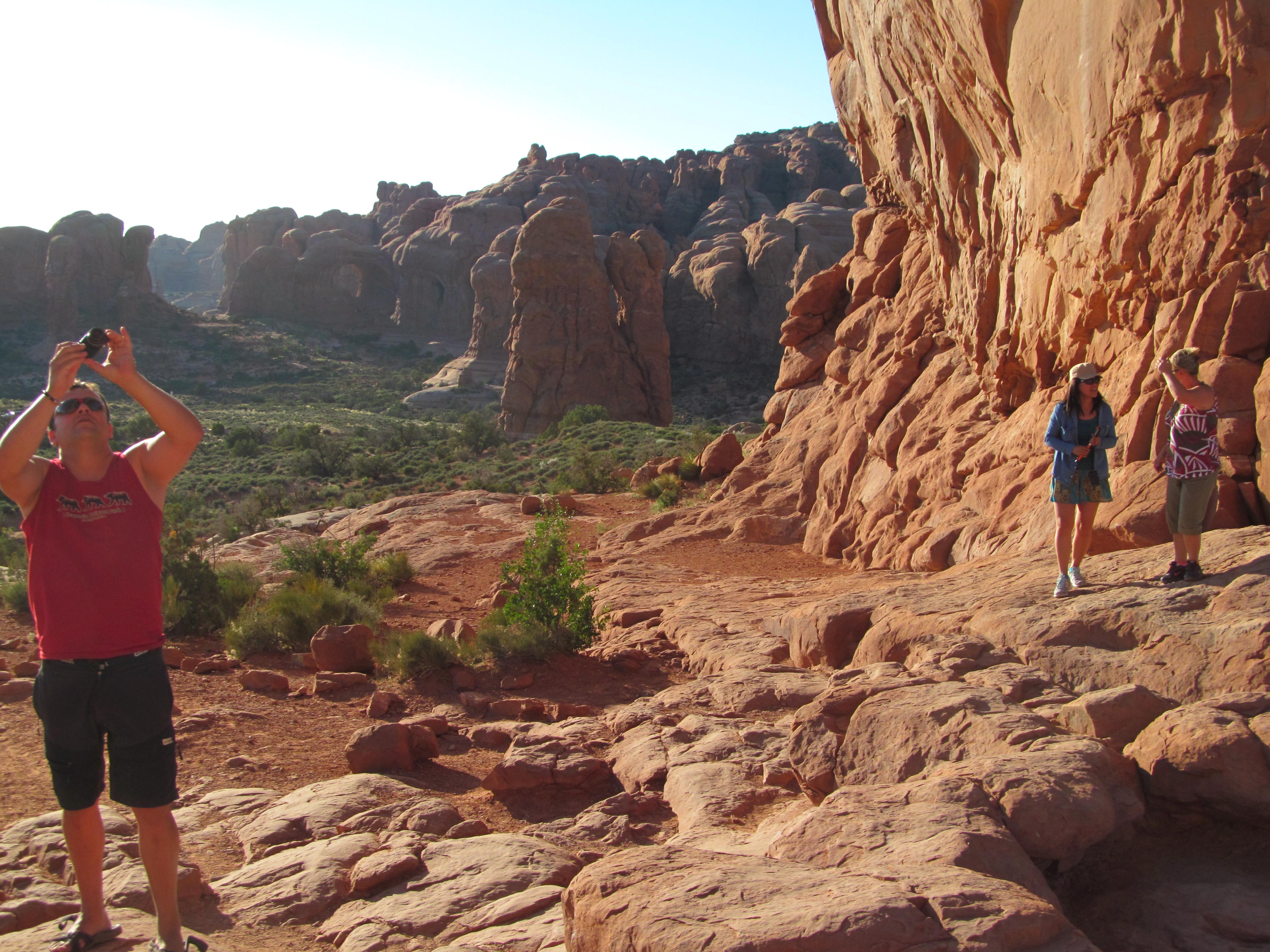
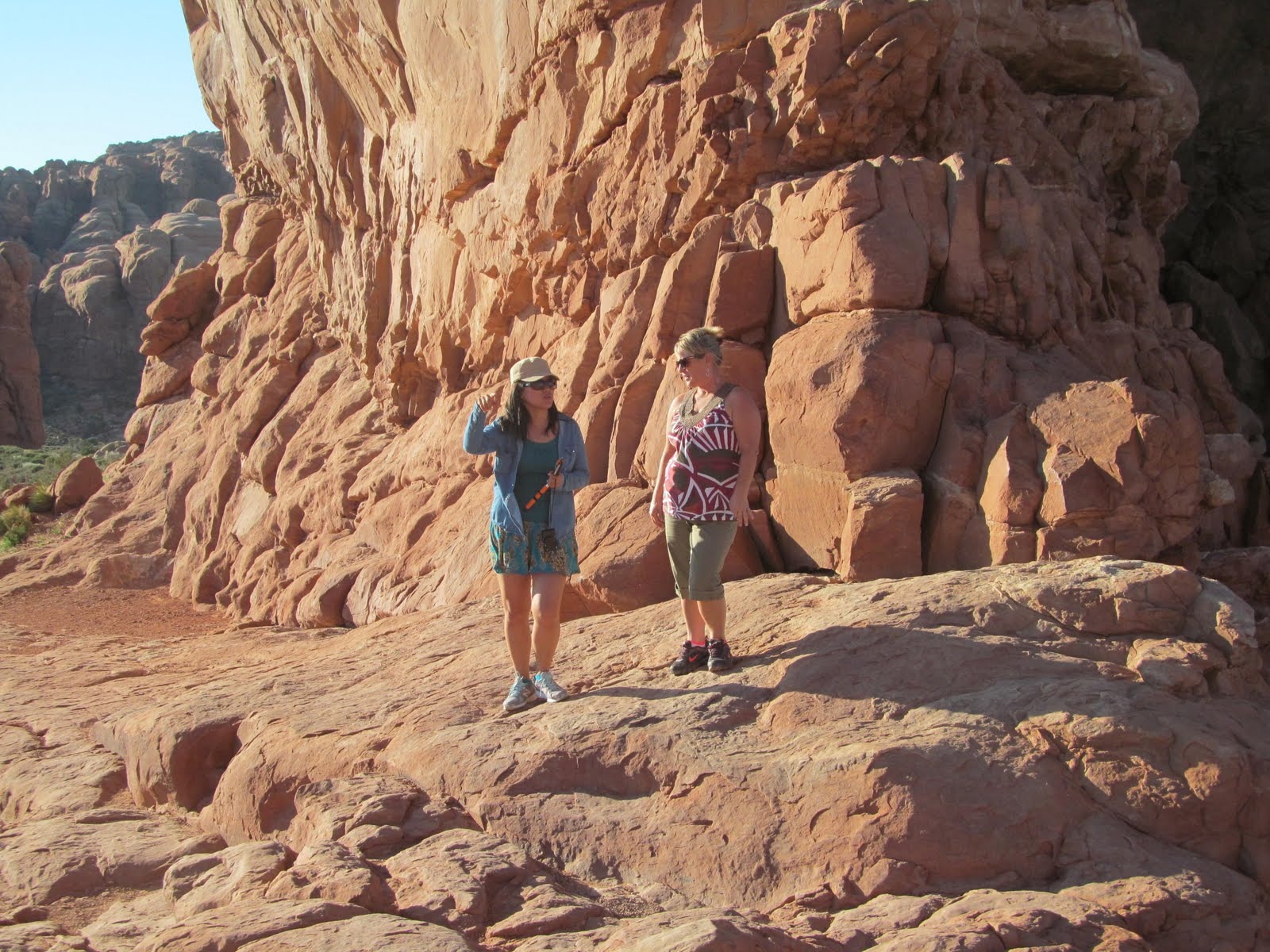
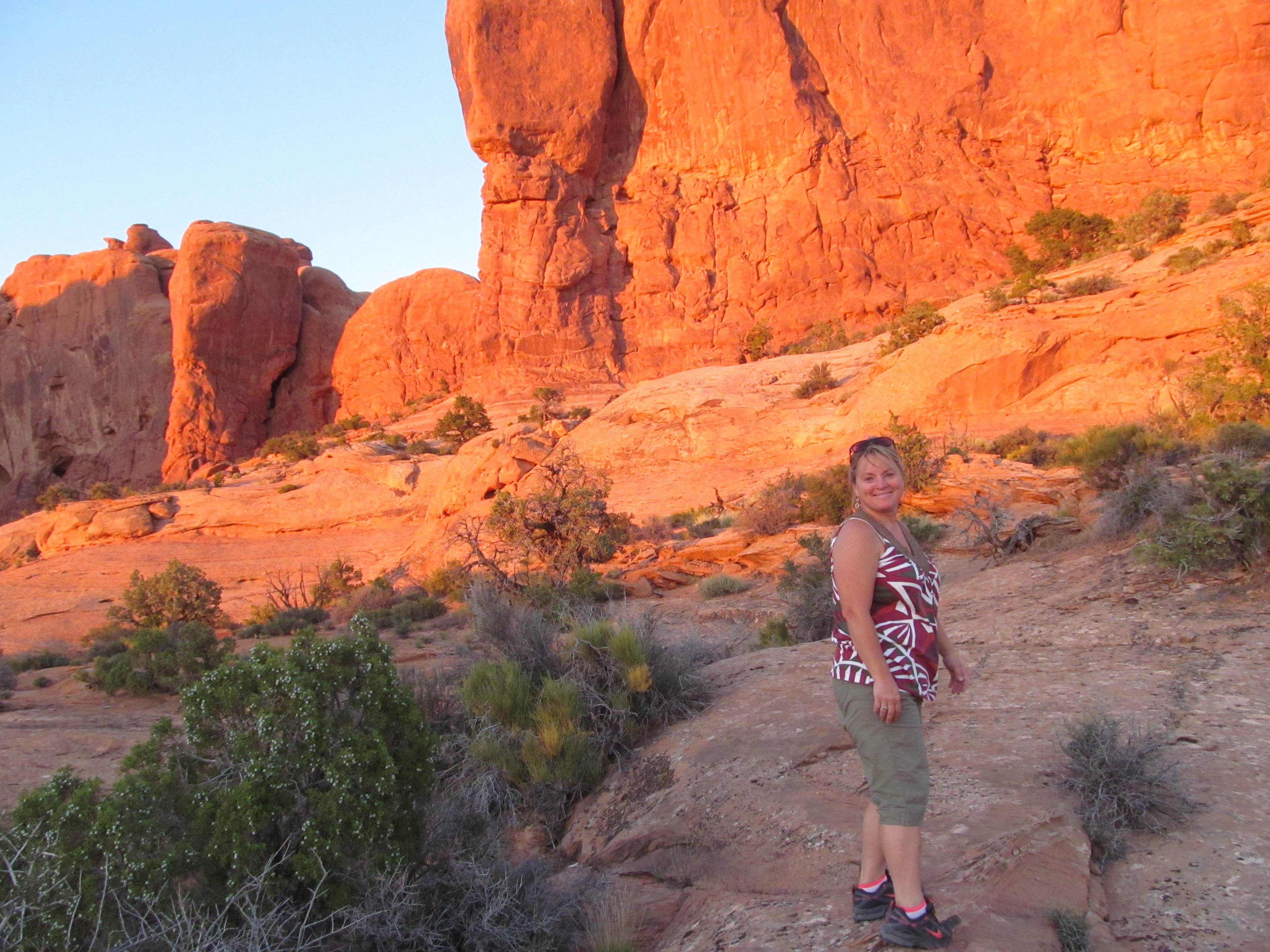
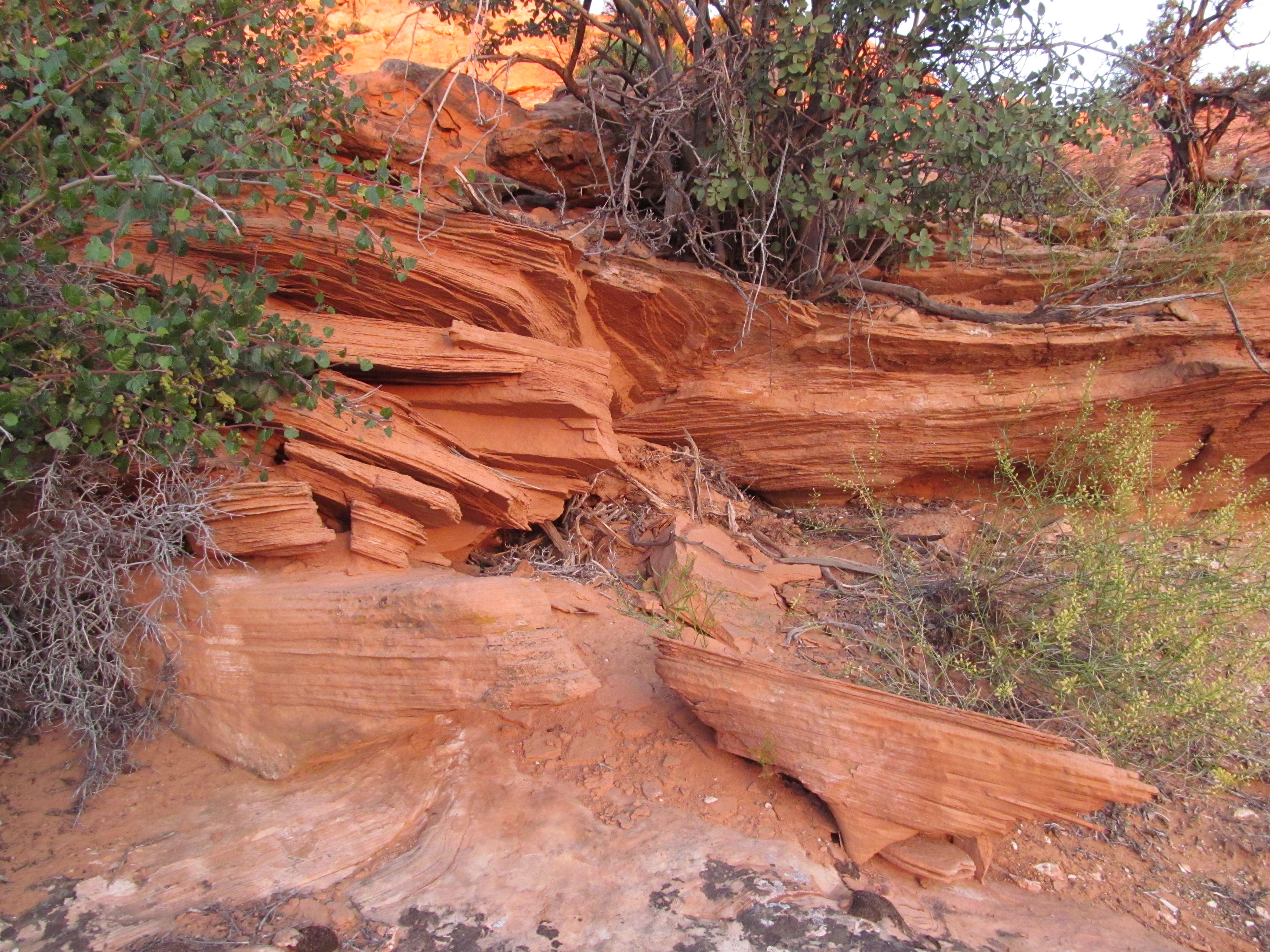
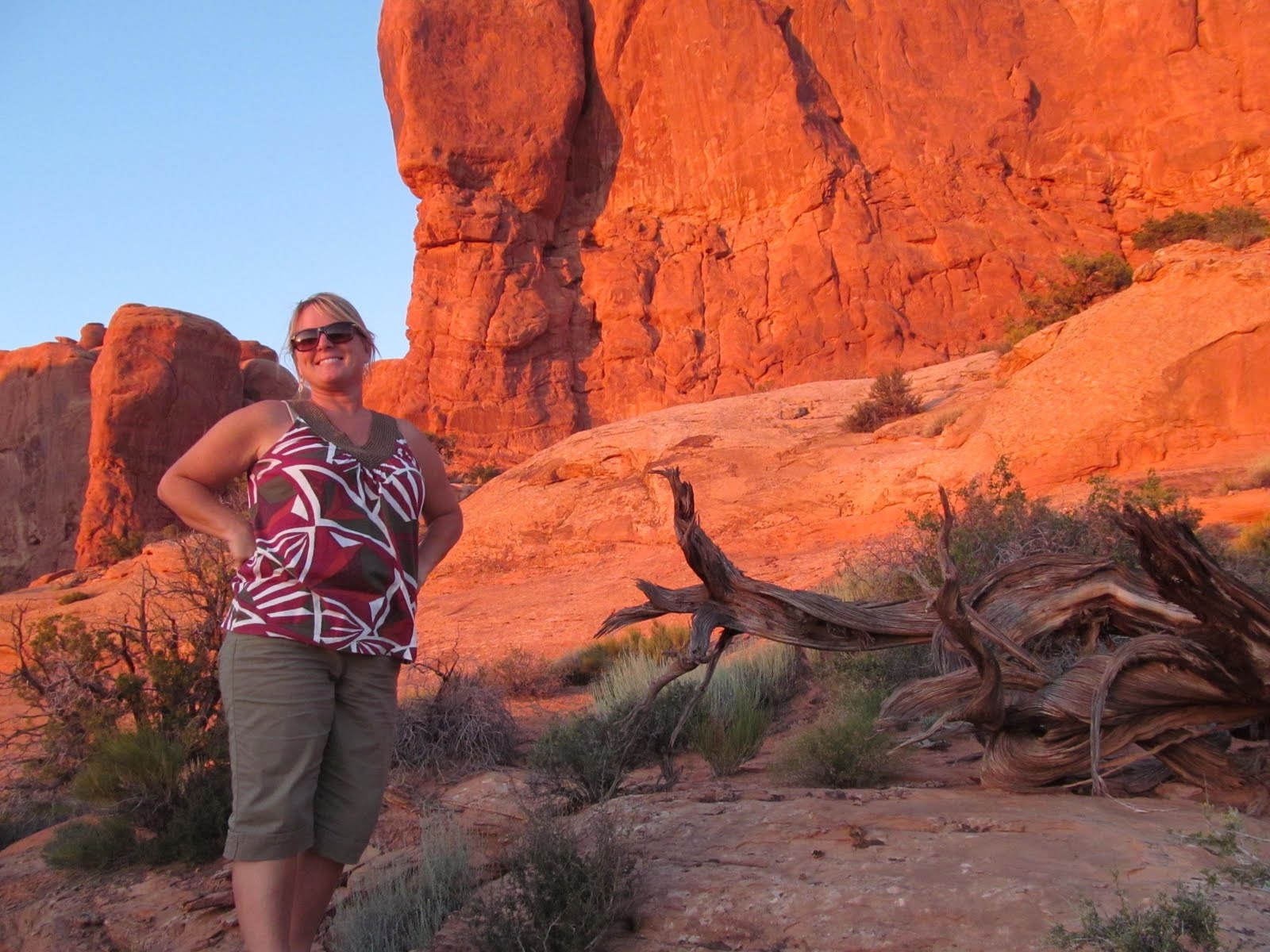
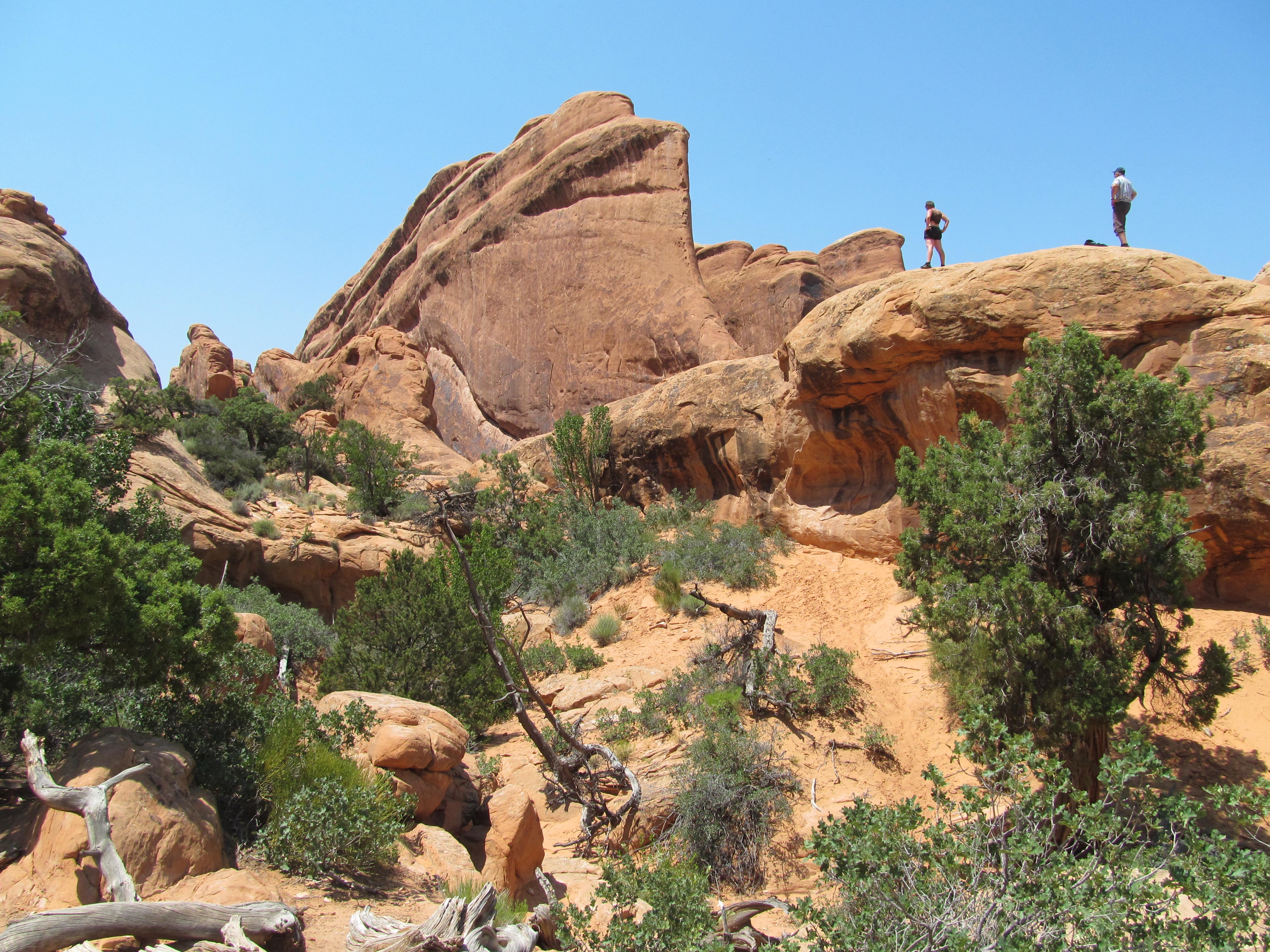
The trails around the Windows crossed broad shelves of slickrock and open desert. Junipers clung to cracks in the stone, and the clear sky made the red sandstone look even more intense.
Evenings were especially beautiful. As the sun dropped, the rock walls shifted from orange to deep red, and the formations became silhouettes against the glowing western sky.
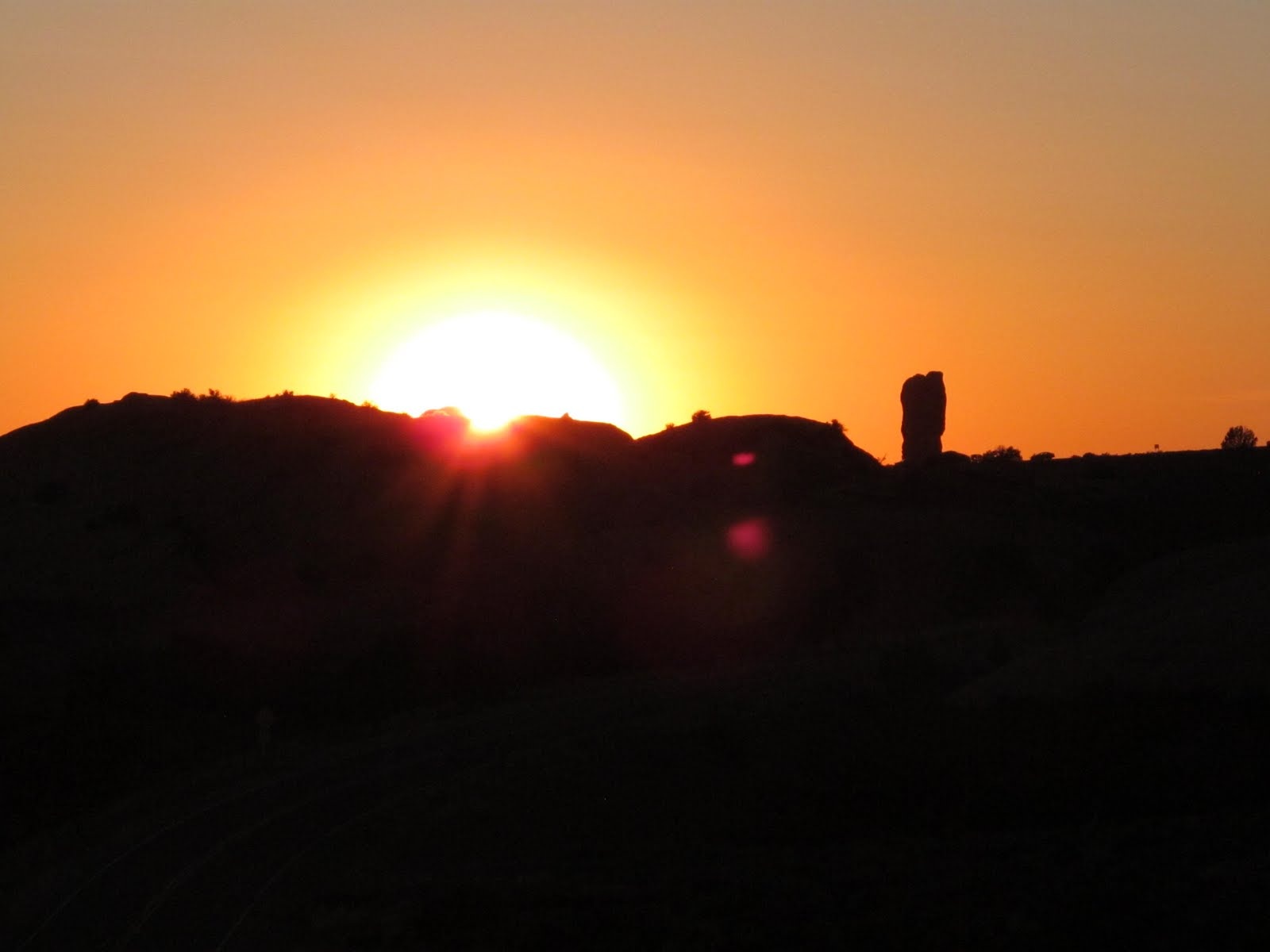
Evenings were especially beautiful. As the sun dropped, the rock walls shifted from orange to deep red, and the formations became silhouettes against the glowing western sky.
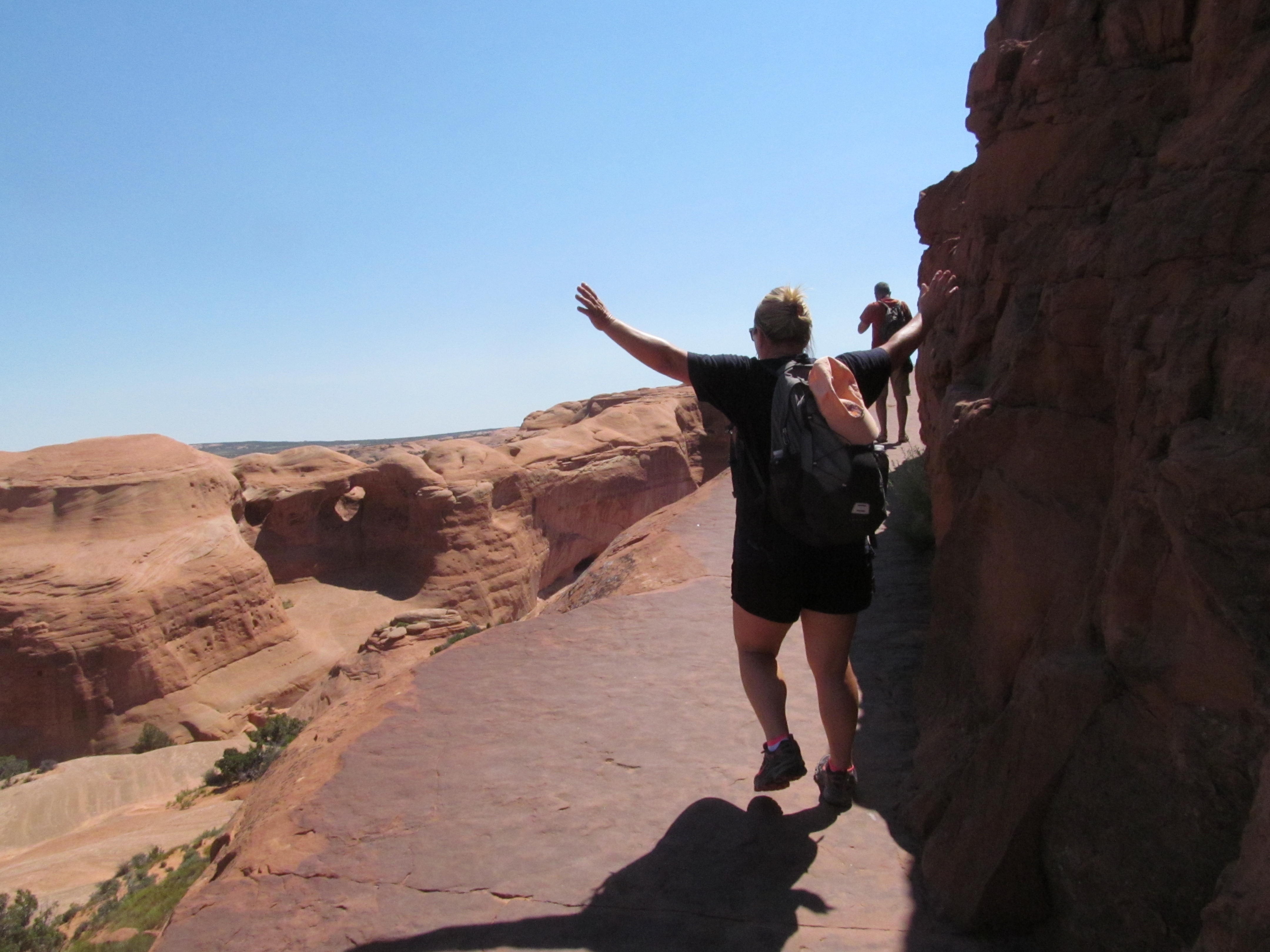
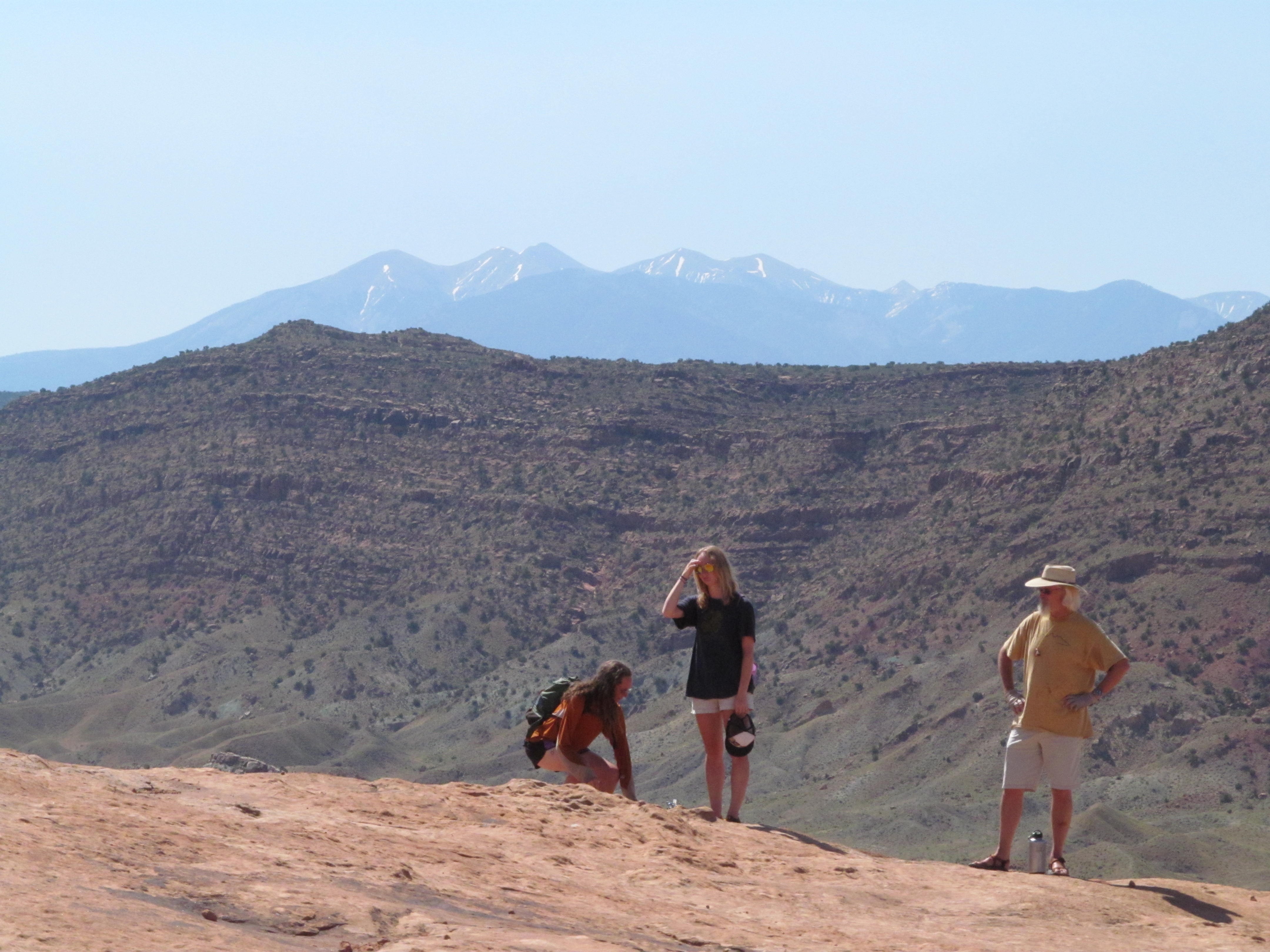
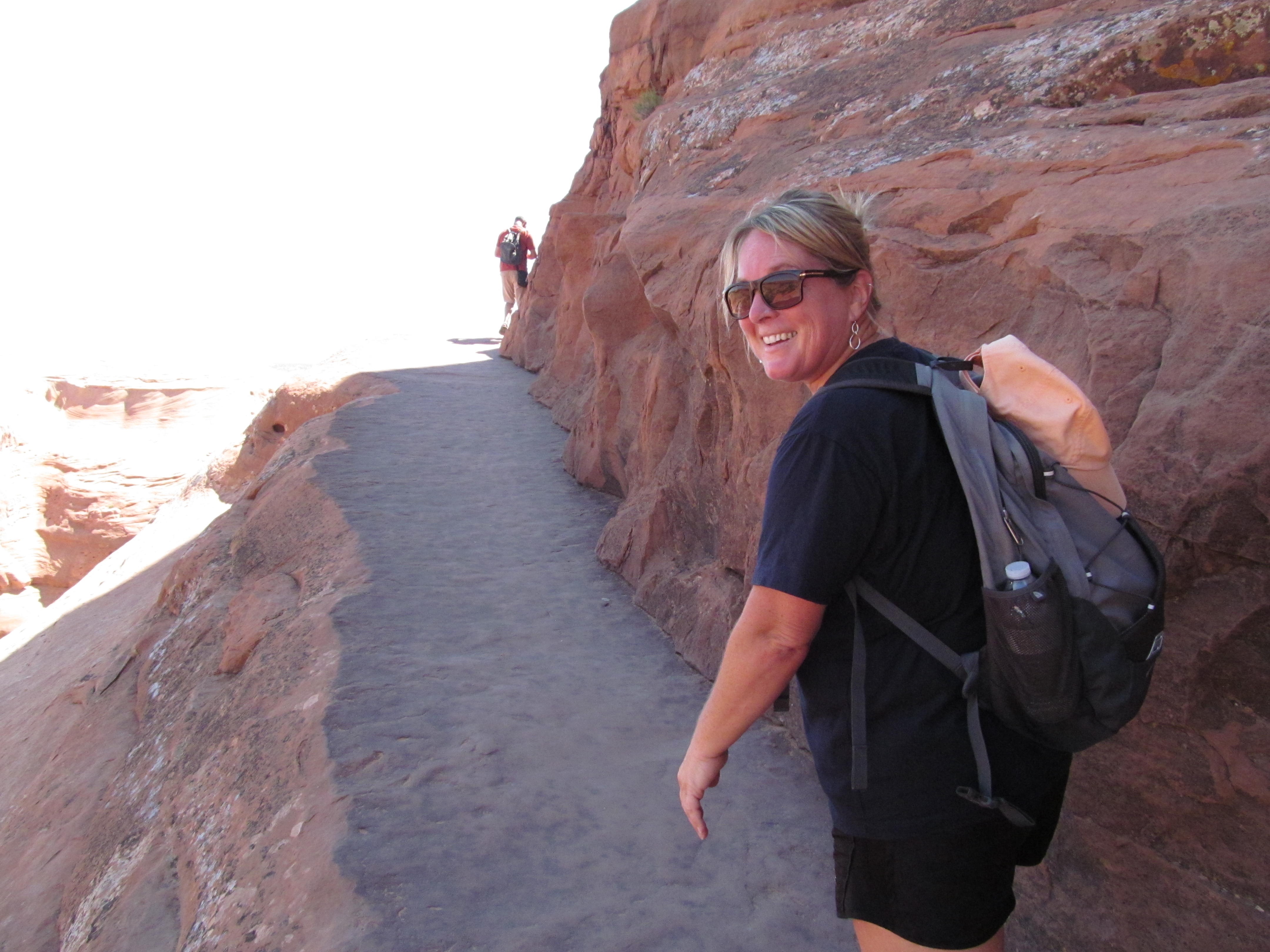
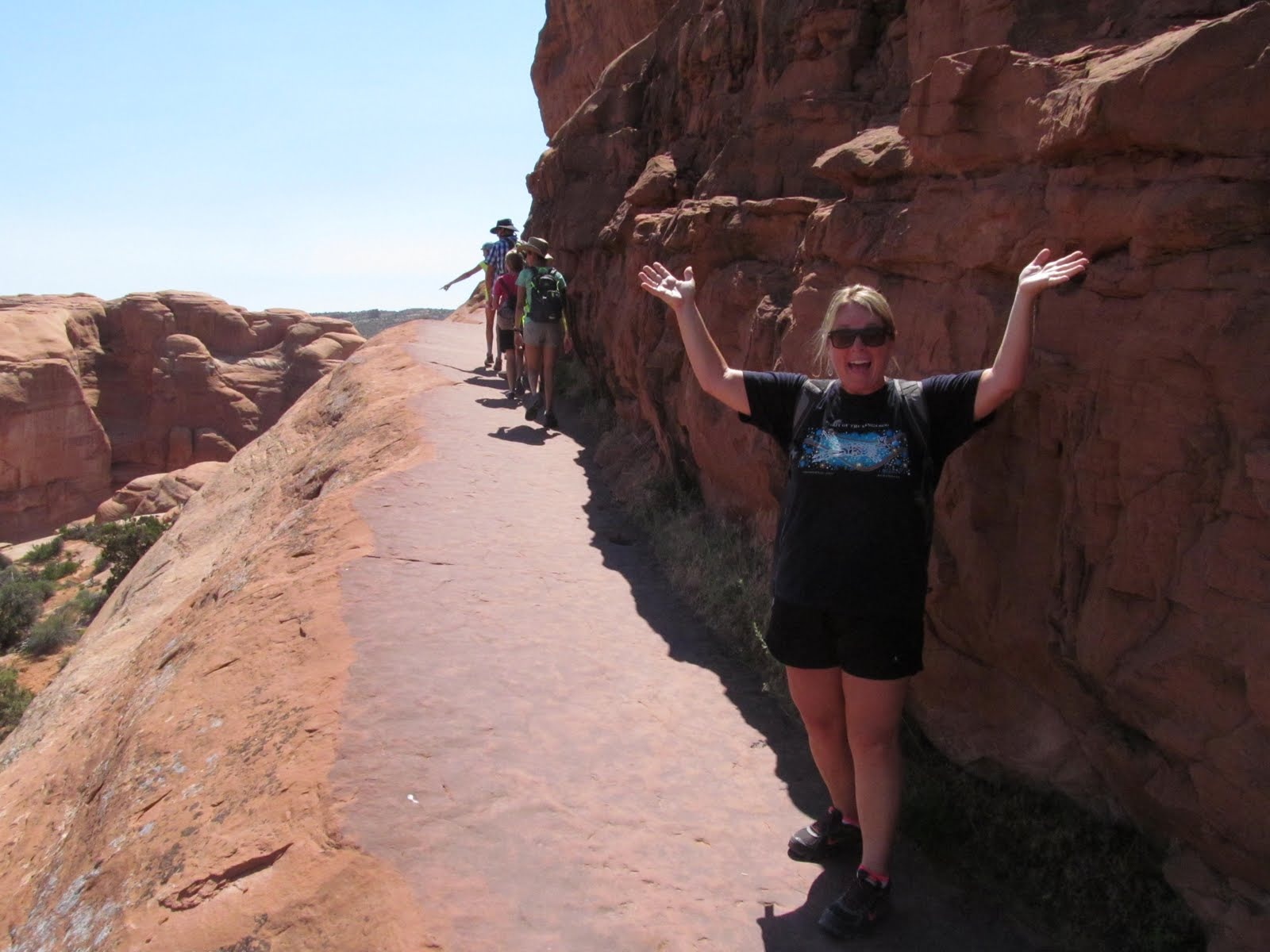
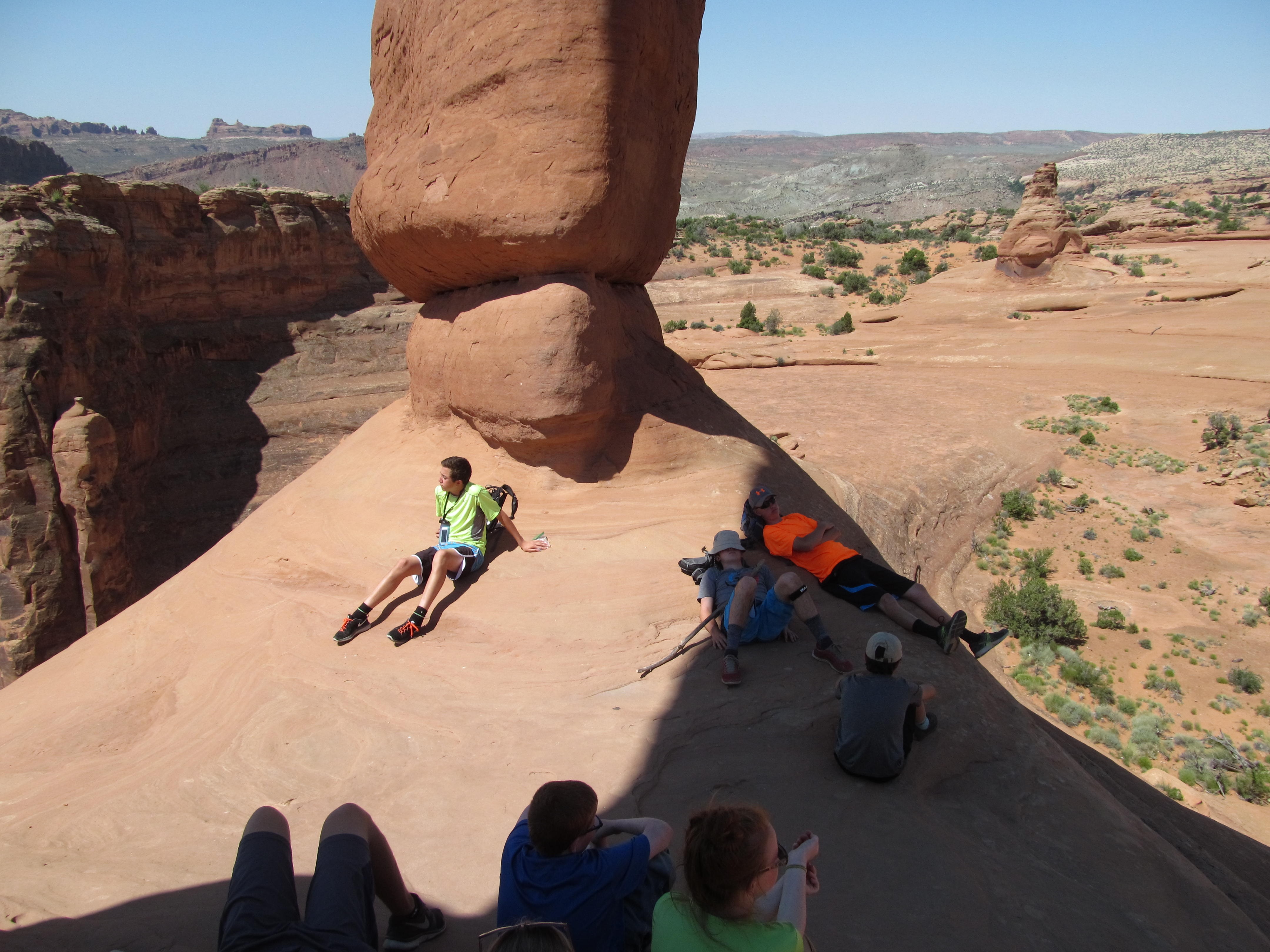
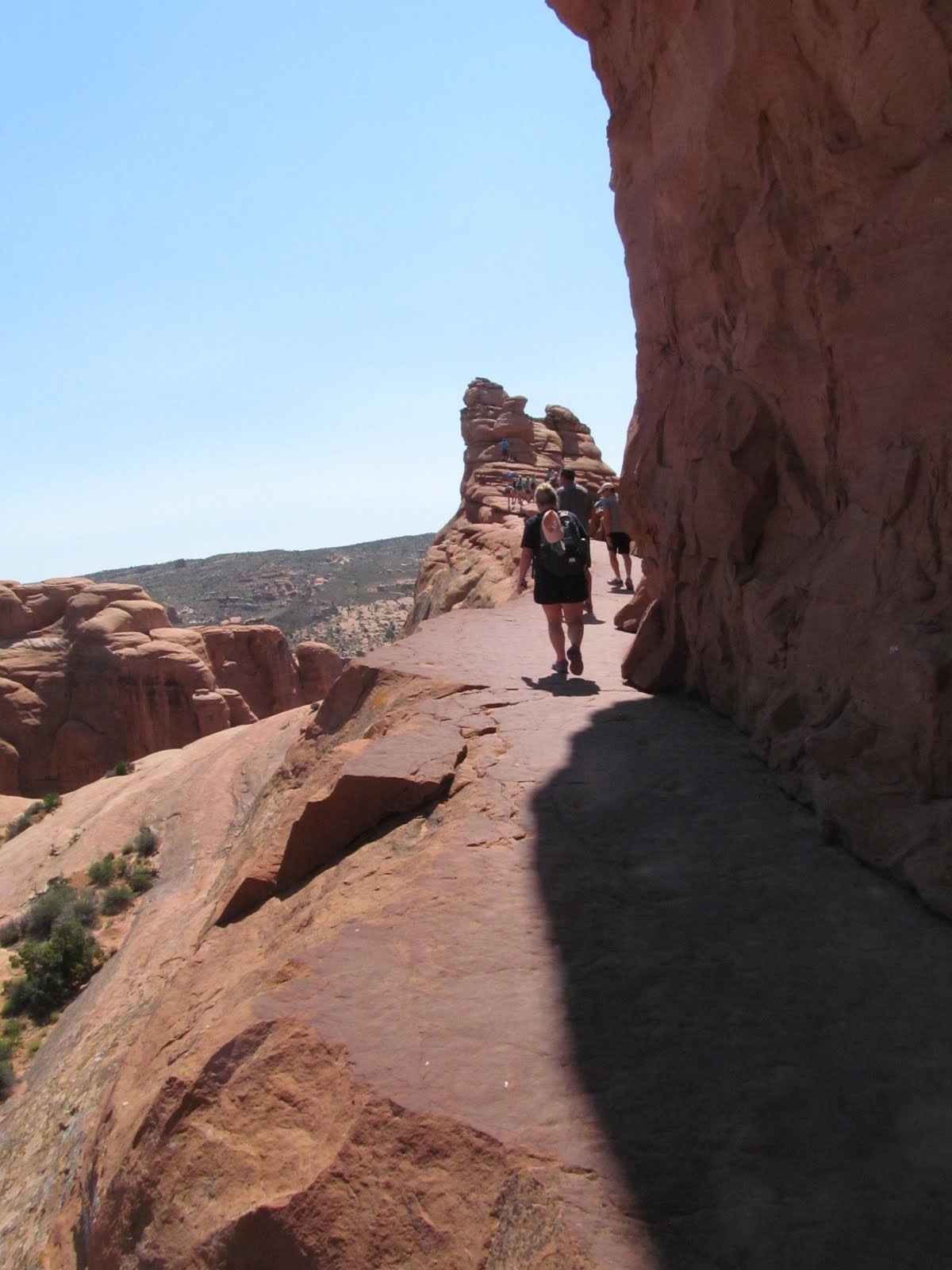
The hike to Delicate Arch was hotter and more exposed. Much of the route crosses open slickrock, and the final approach follows a ledge cut into a sandstone wall before the arch suddenly appears around the bend.
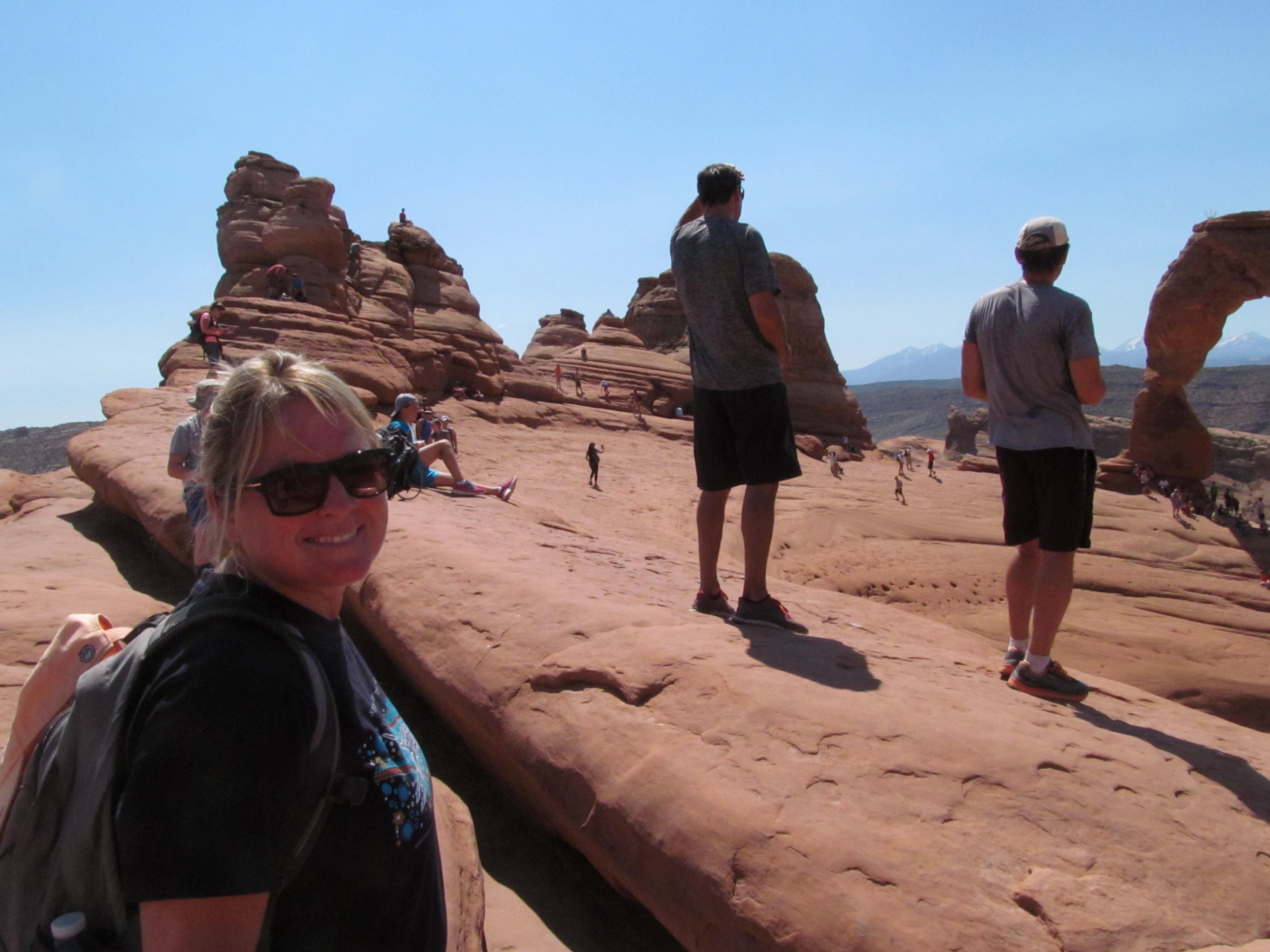
Delicate Arch deserved its reputation. It stands alone above a broad natural bowl, with the distant La Sal Mountains completing one of the most memorable views in the Southwest.
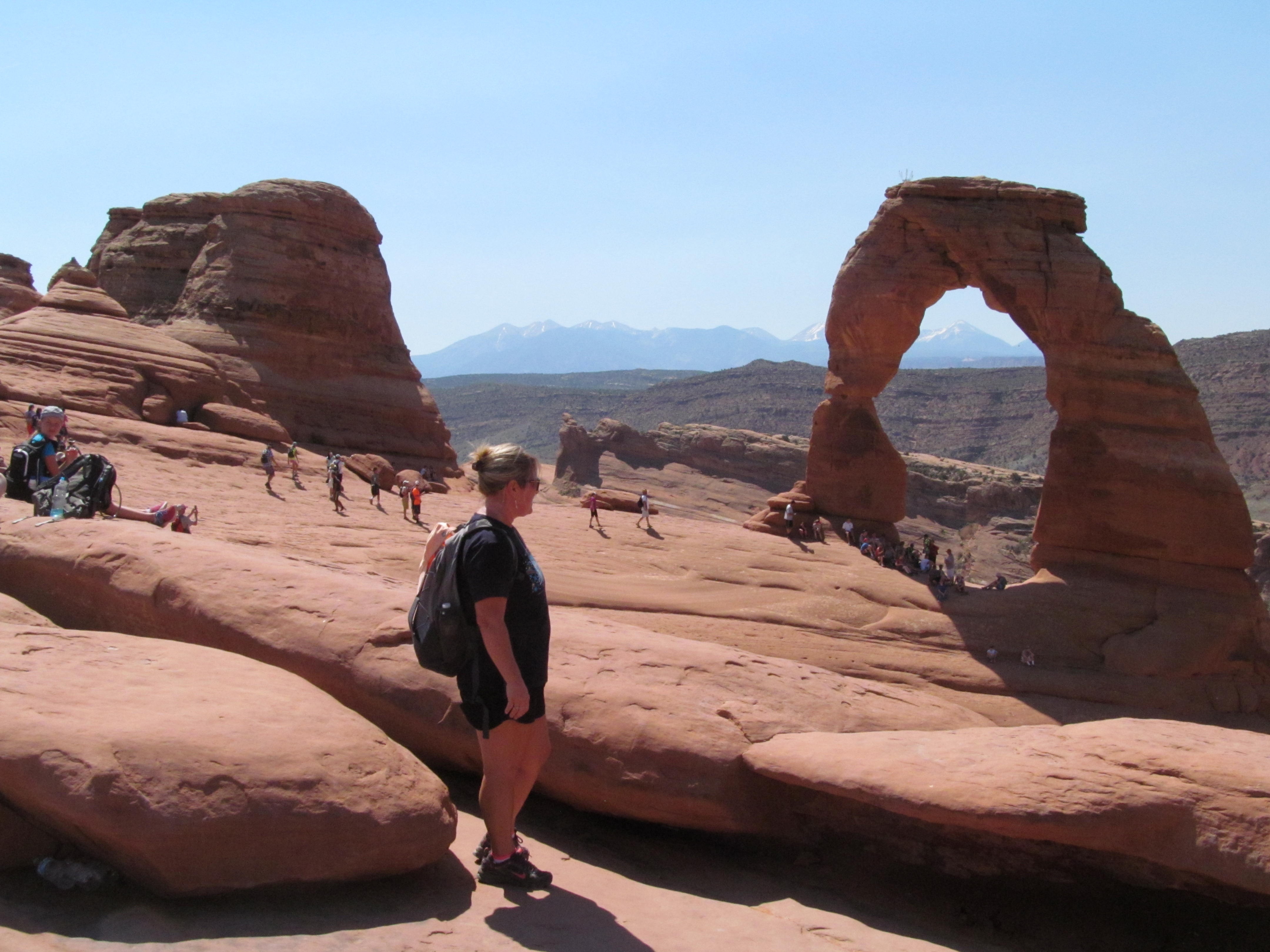
Delicate Arch deserved its reputation. It stands alone above a broad natural bowl, with the distant La Sal Mountains completing one of the most memorable views in the Southwest.
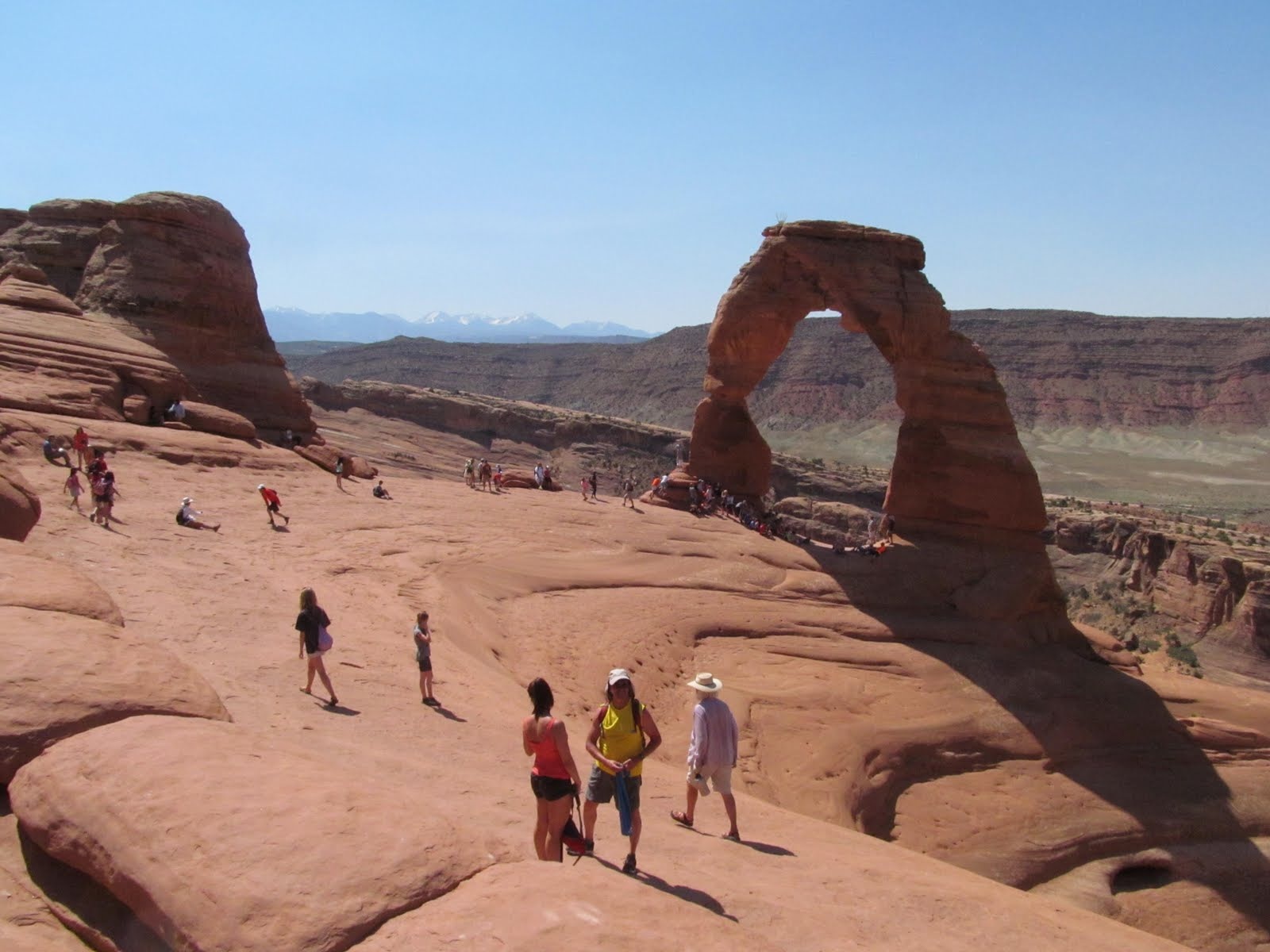
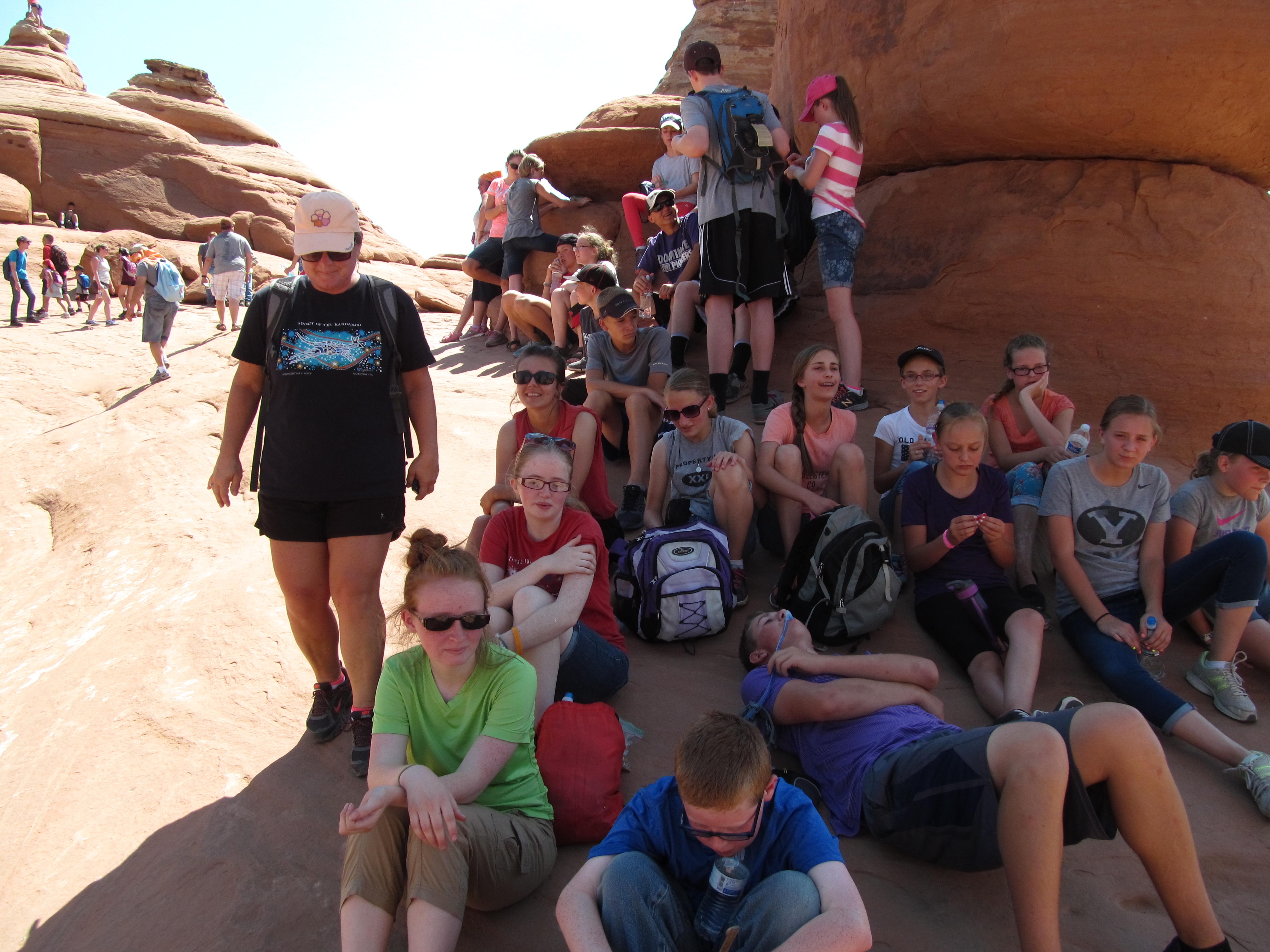
We joined the other hikers who had come to sit, rest, and photograph the arch. Even with a crowd, the setting felt immense, and everyone seemed to understand that this was a place worth slowing down for.
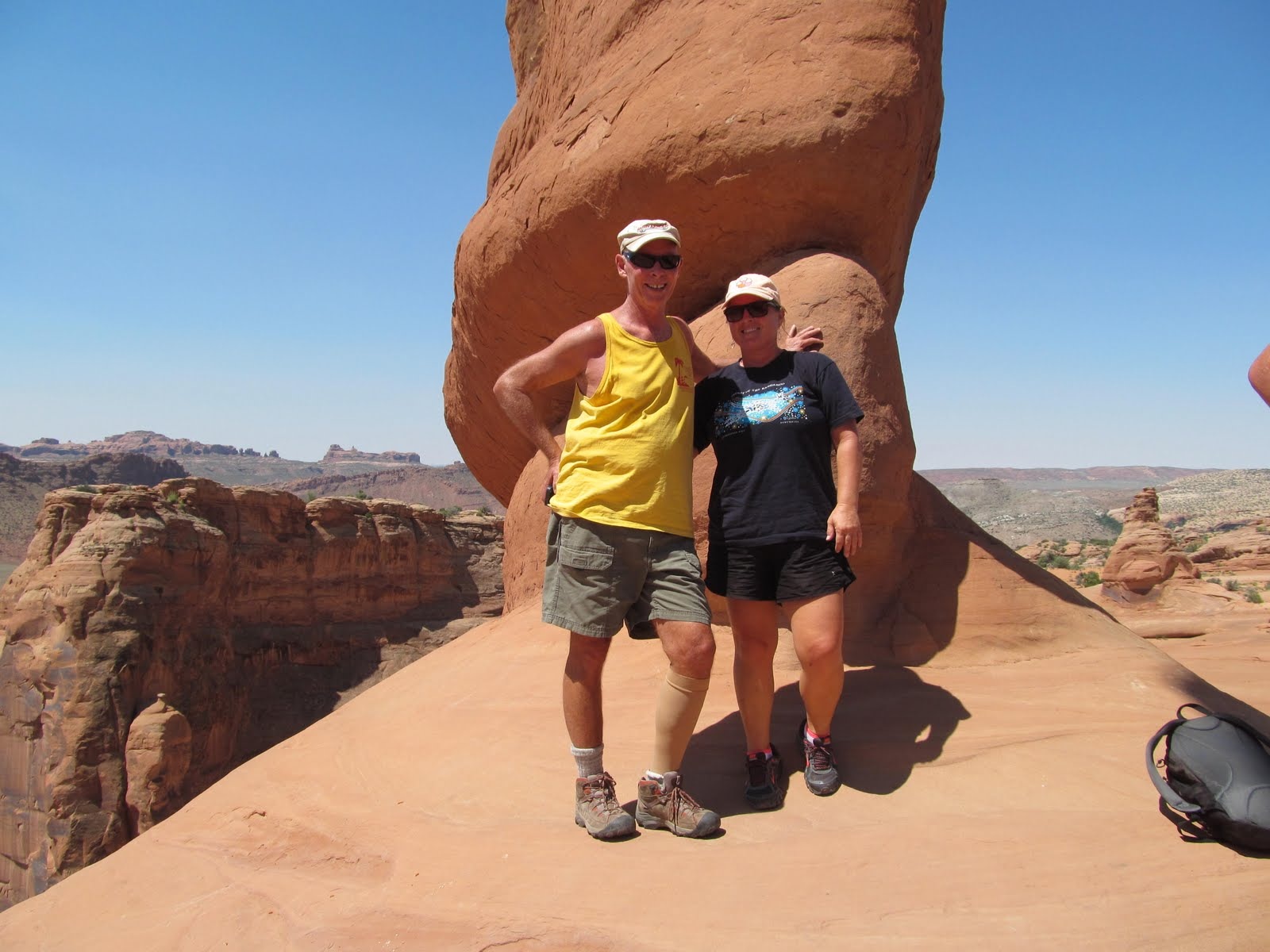
Elsewhere in the park, petroglyphs offered another reminder that these landscapes had long human histories before they became recreation destinations. The images survive on dark rock faces where travelers can still stop and look closely.
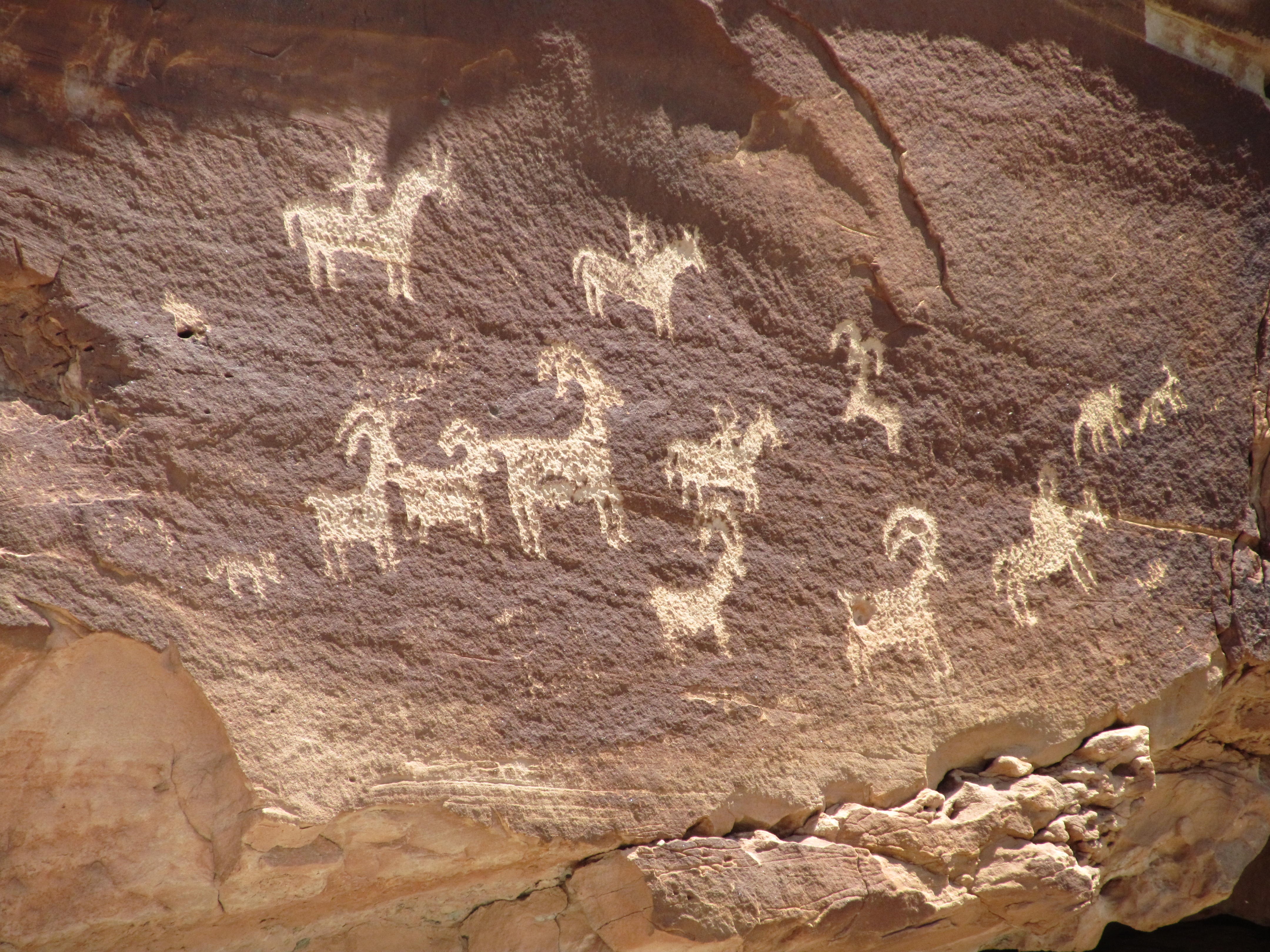
Elsewhere in the park, petroglyphs offered another reminder that these landscapes had long human histories before they became recreation destinations. The images survive on dark rock faces where travelers can still stop and look closely.
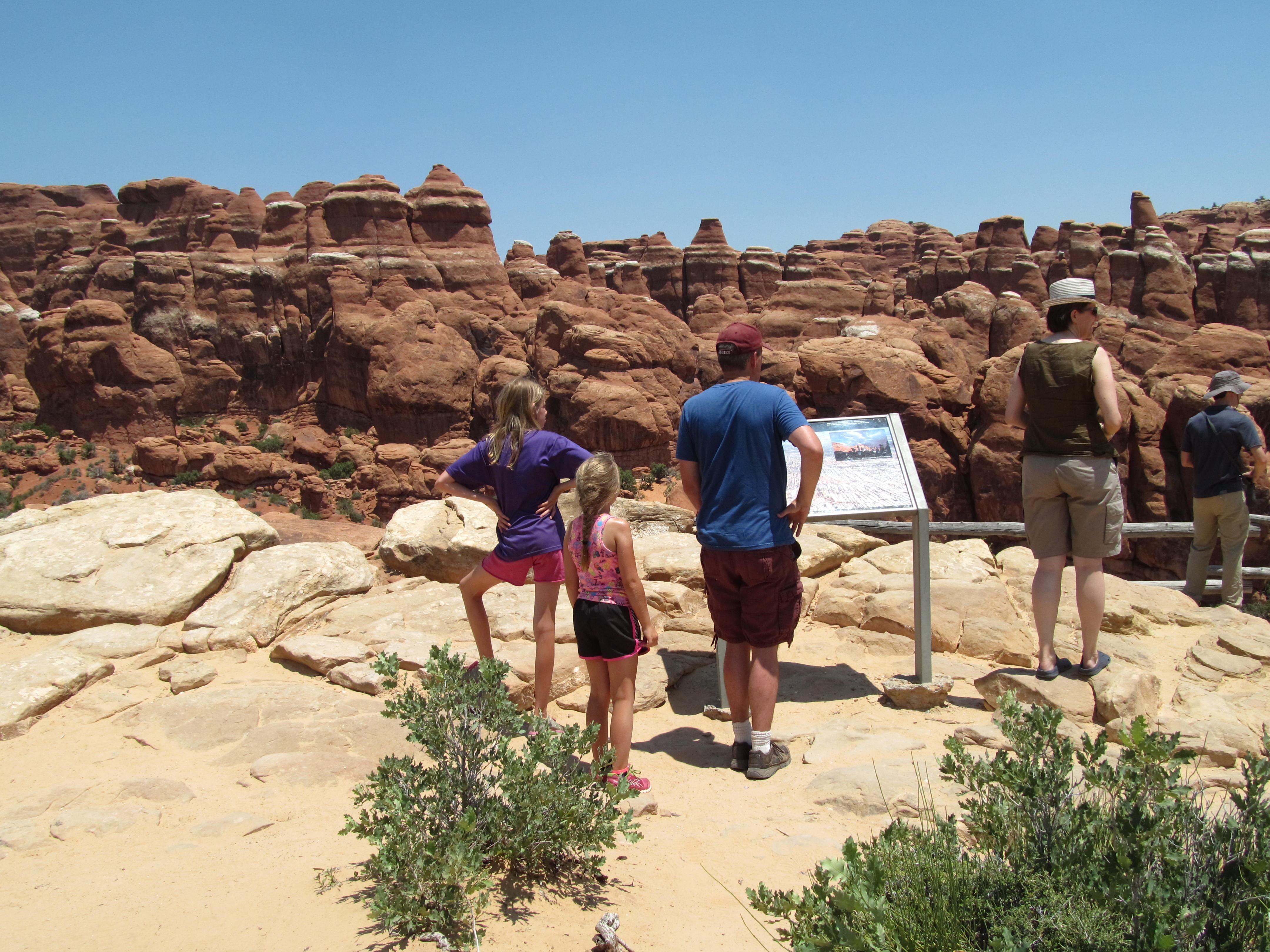
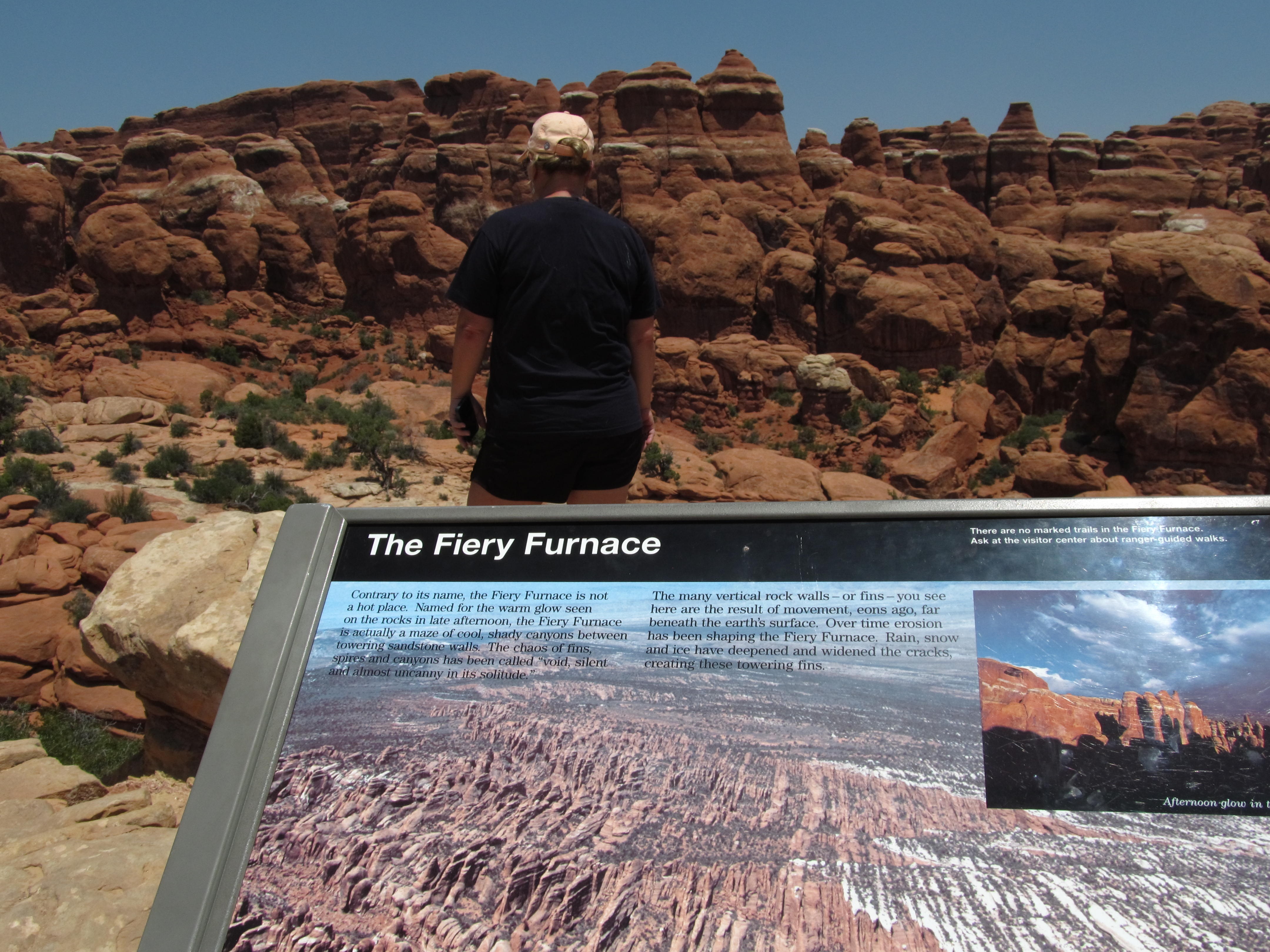
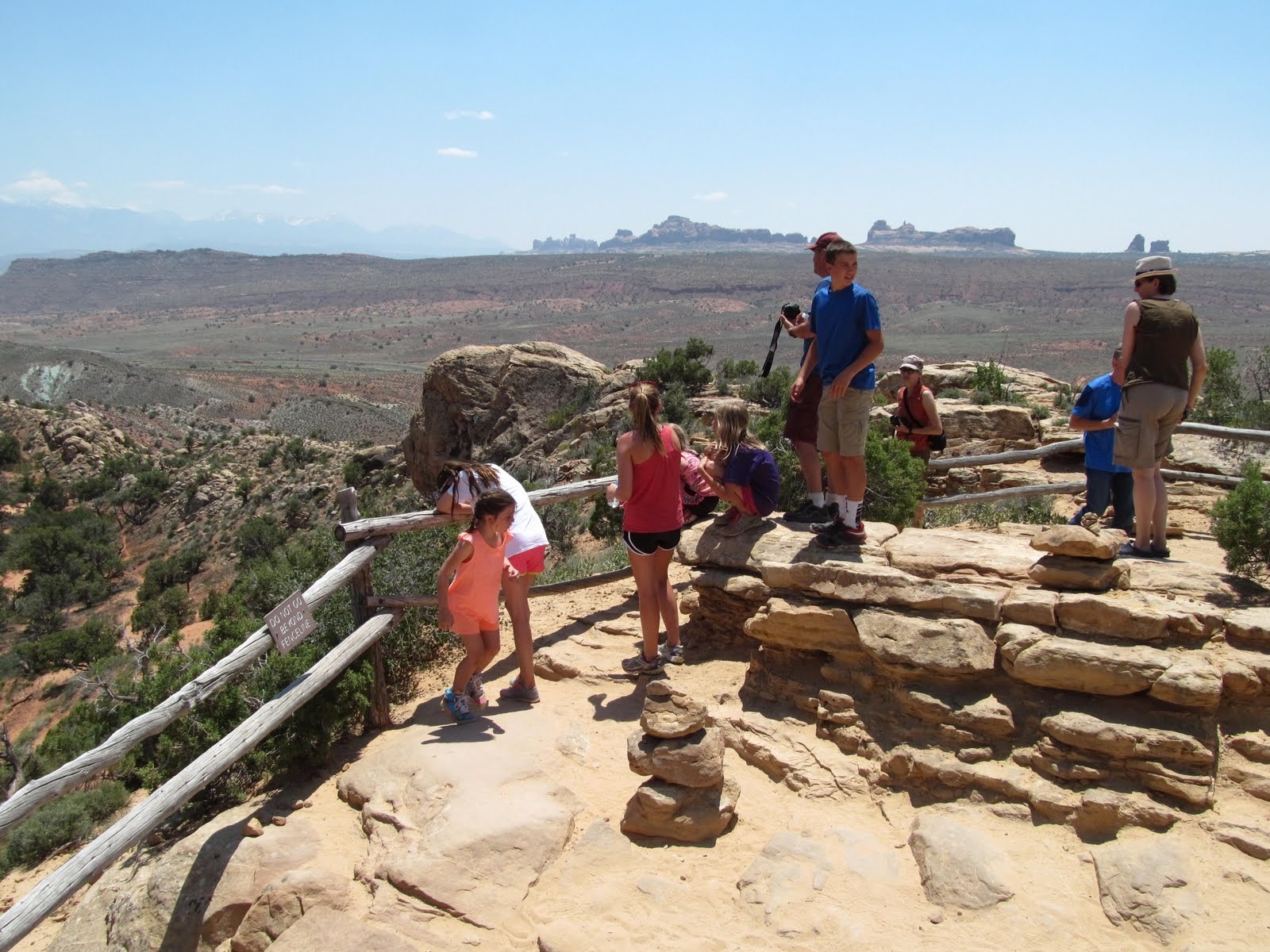
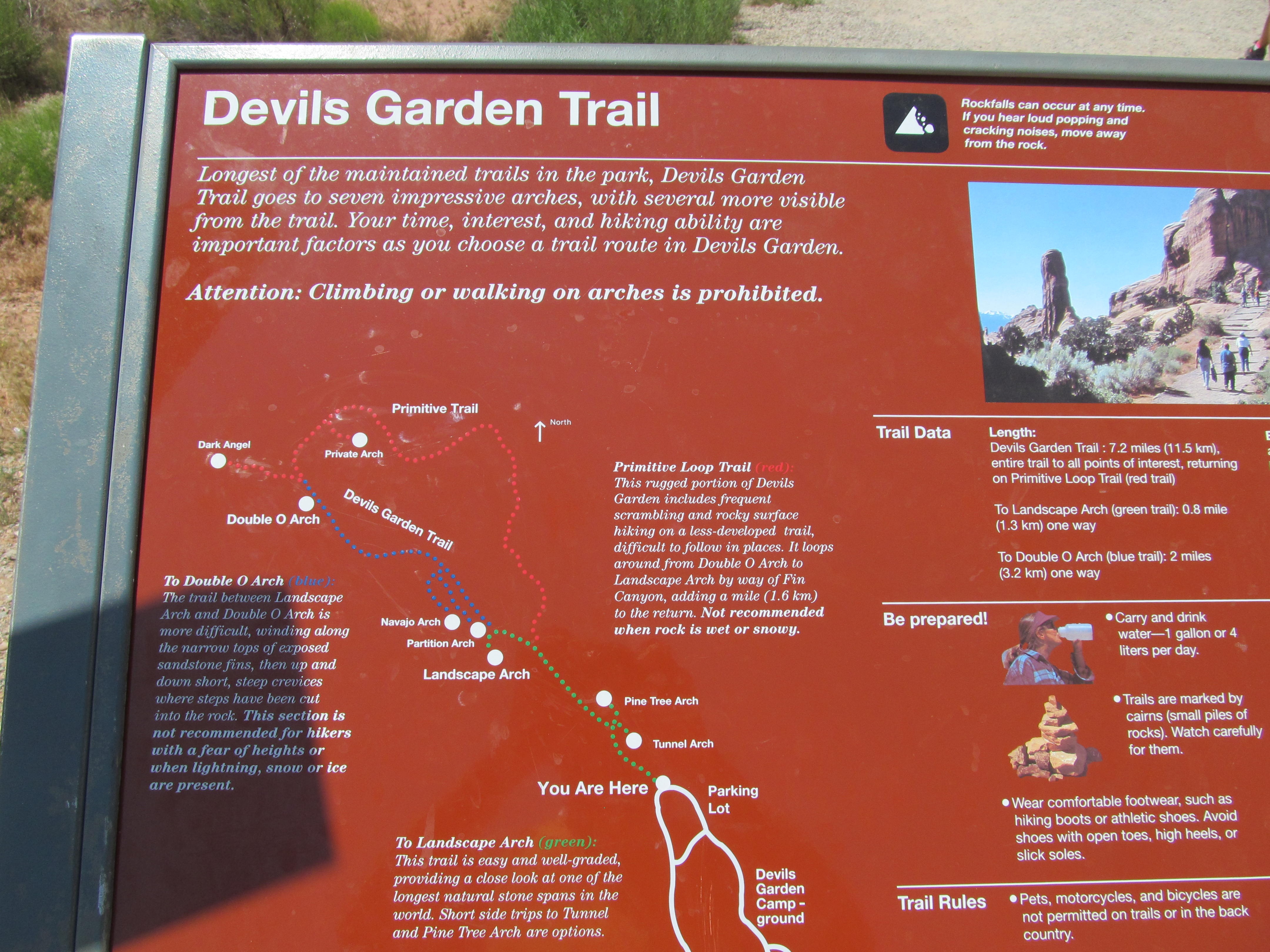
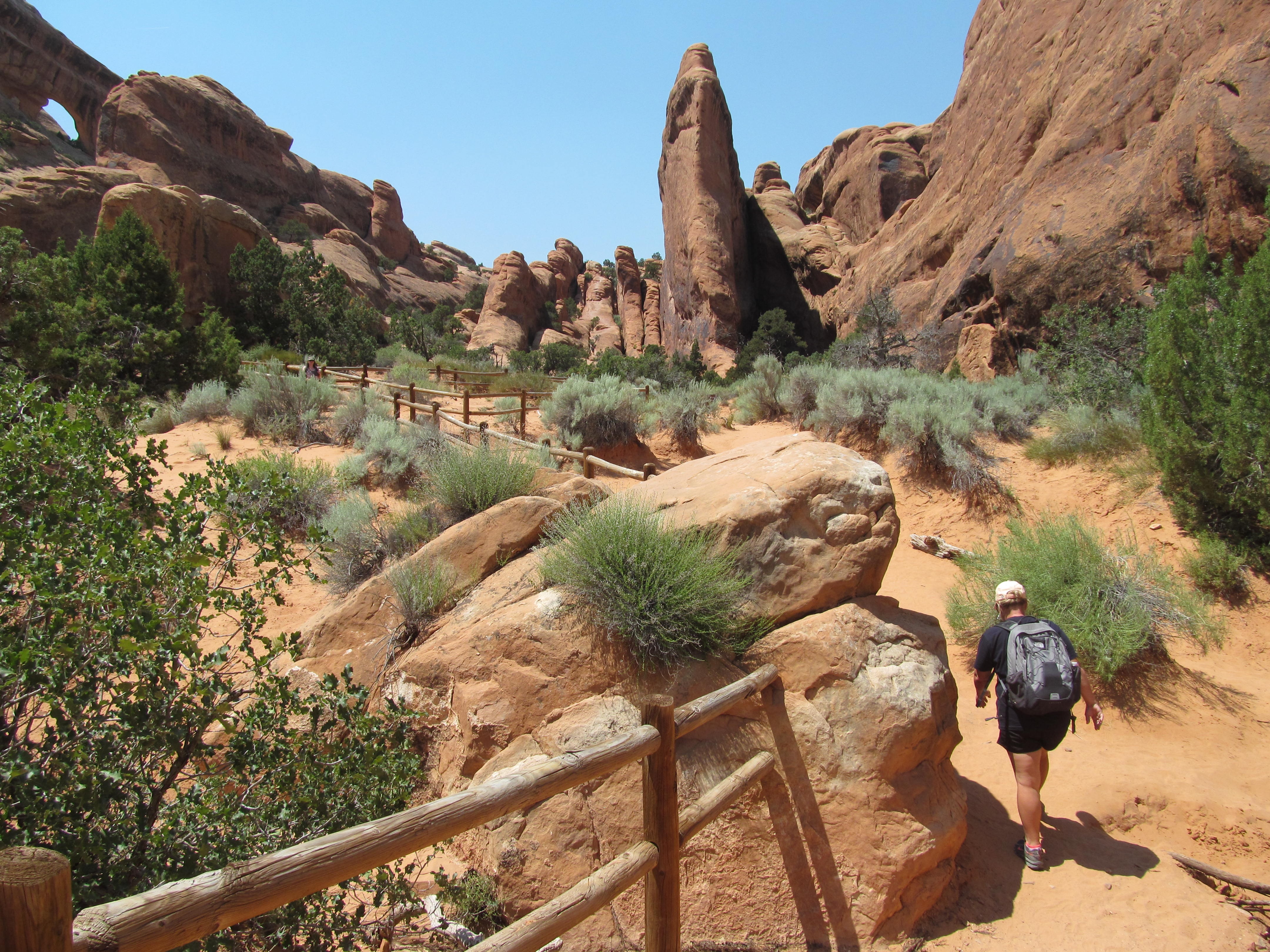
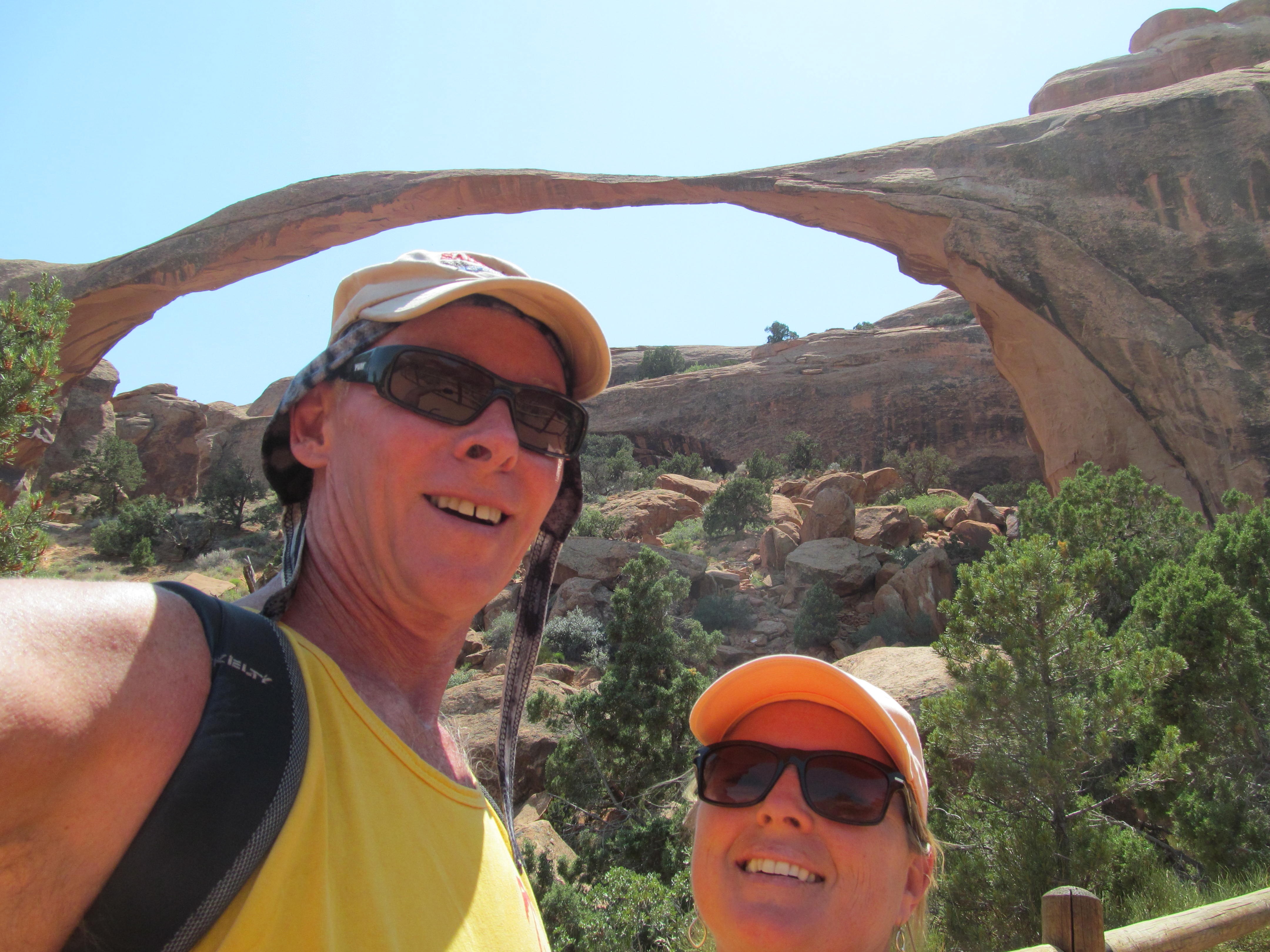
Devils Garden showed a rougher side of Arches. The trails led among long fins and open sandstone ridges toward Landscape Arch, one of the thinnest and most improbable natural spans we had ever seen.
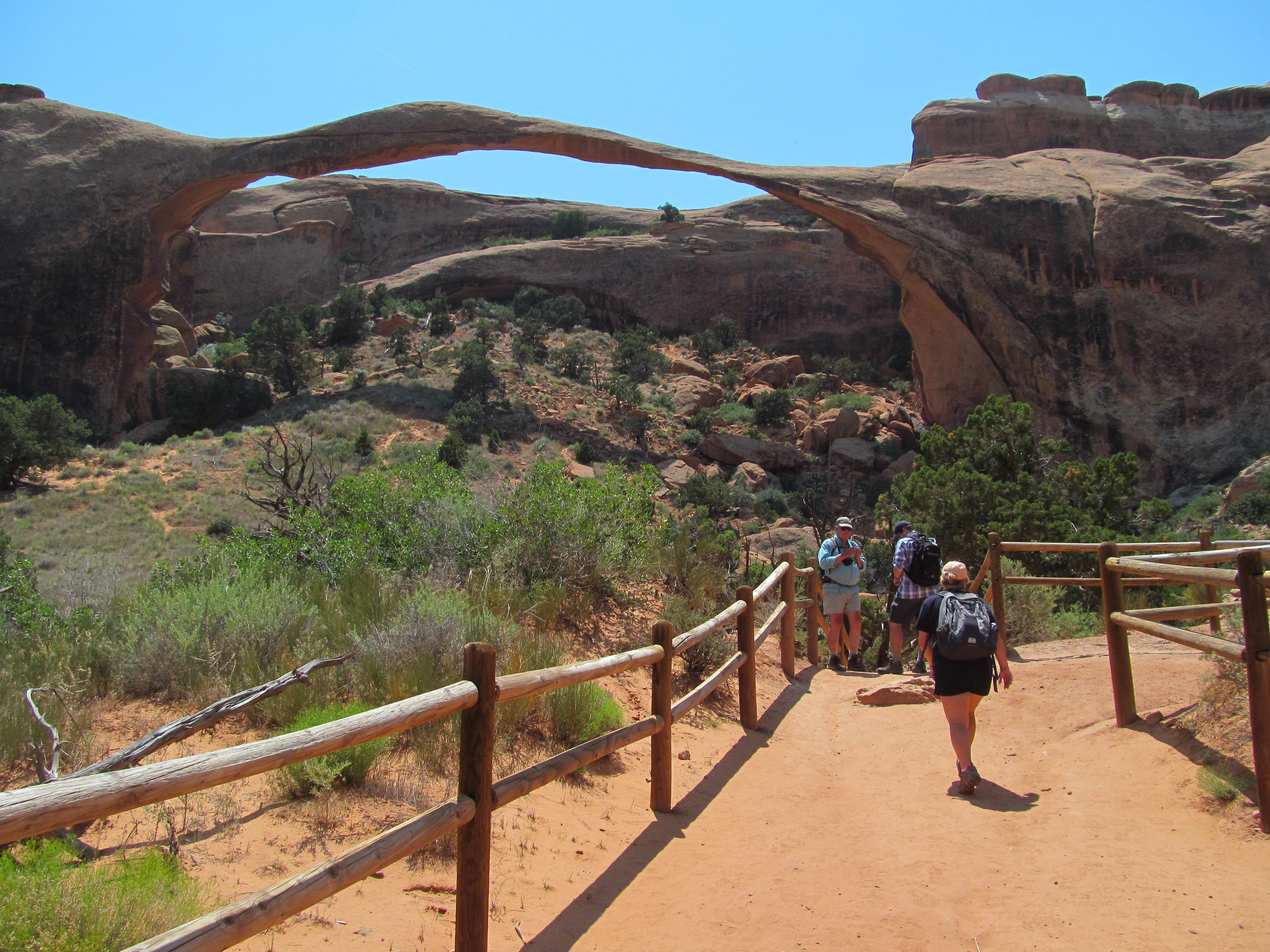
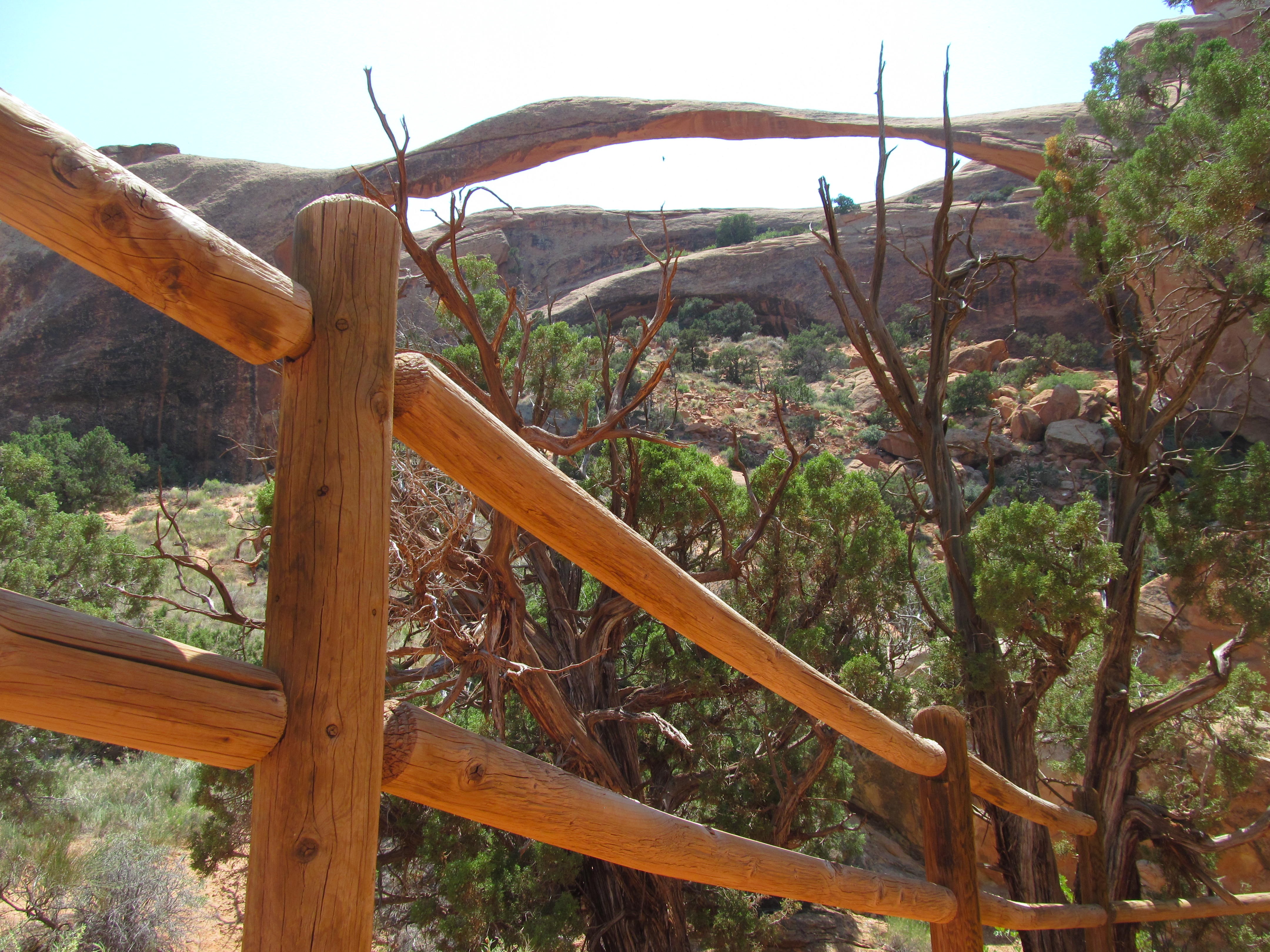
Landscape Arch stretched across the basin like a ribbon of stone. Its narrow center looks almost too delicate to remain standing, which made the view both beautiful and slightly unsettling.
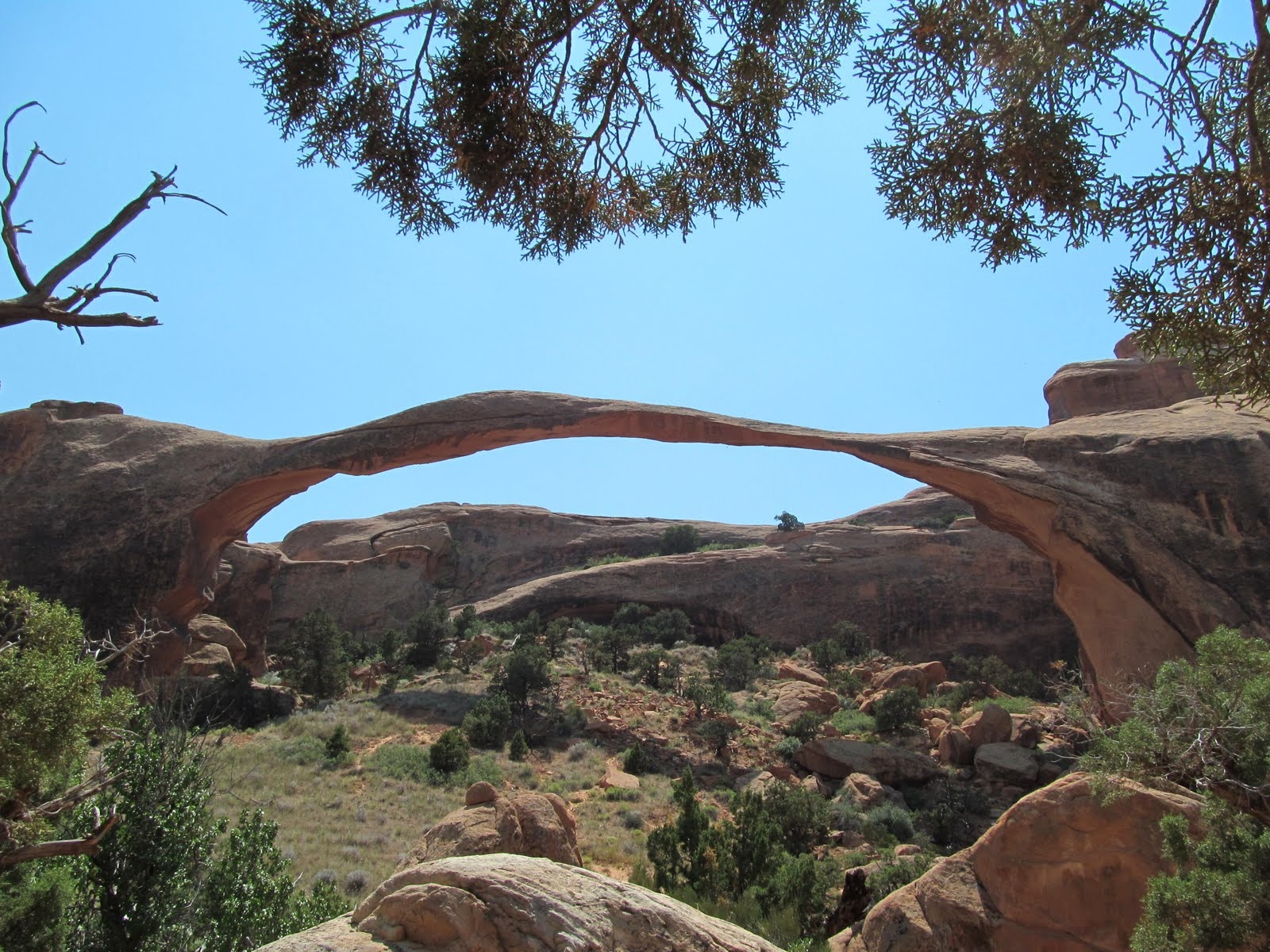
Landscape Arch stretched across the basin like a ribbon of stone. Its narrow center looks almost too delicate to remain standing, which made the view both beautiful and slightly unsettling.
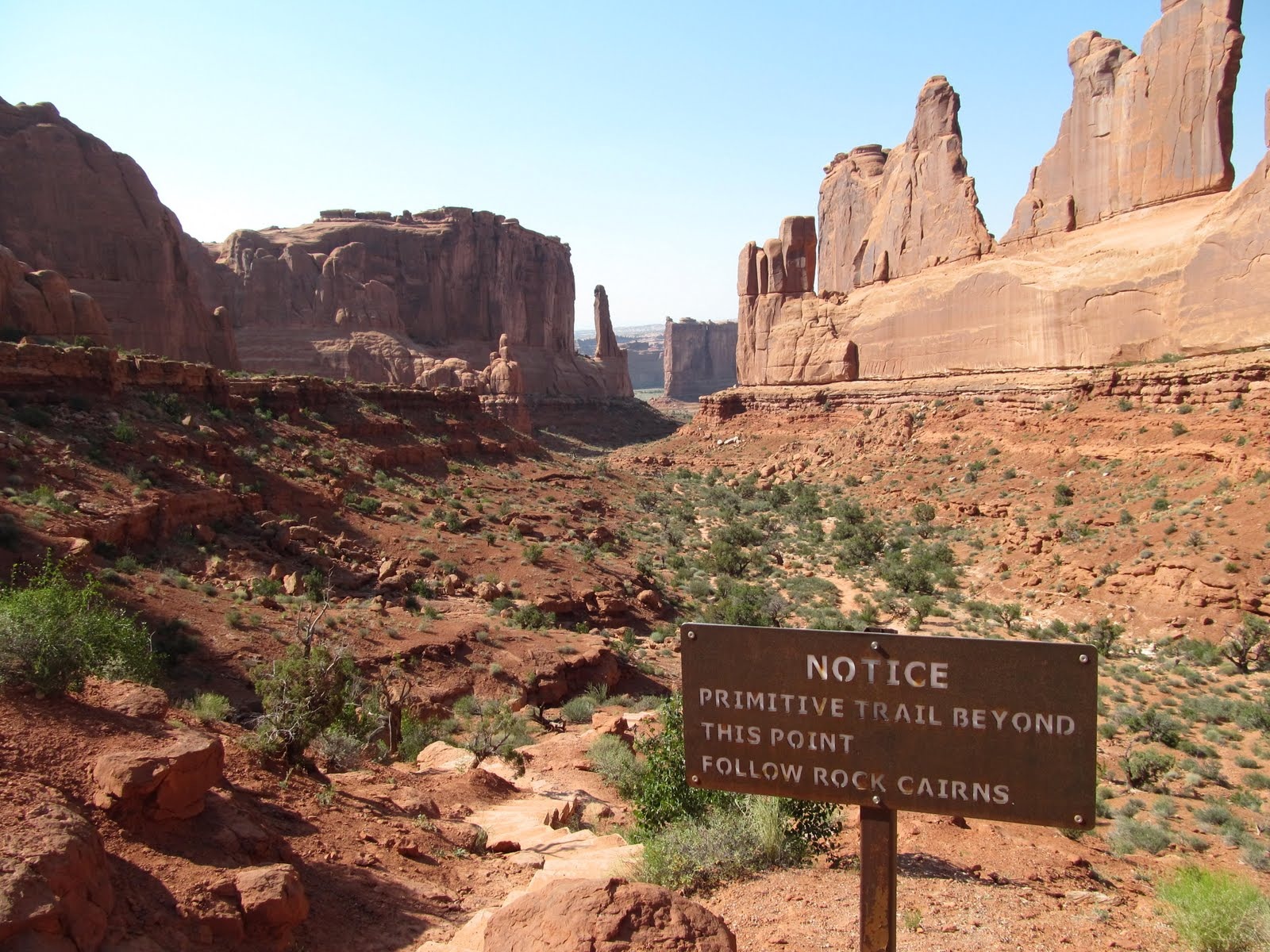
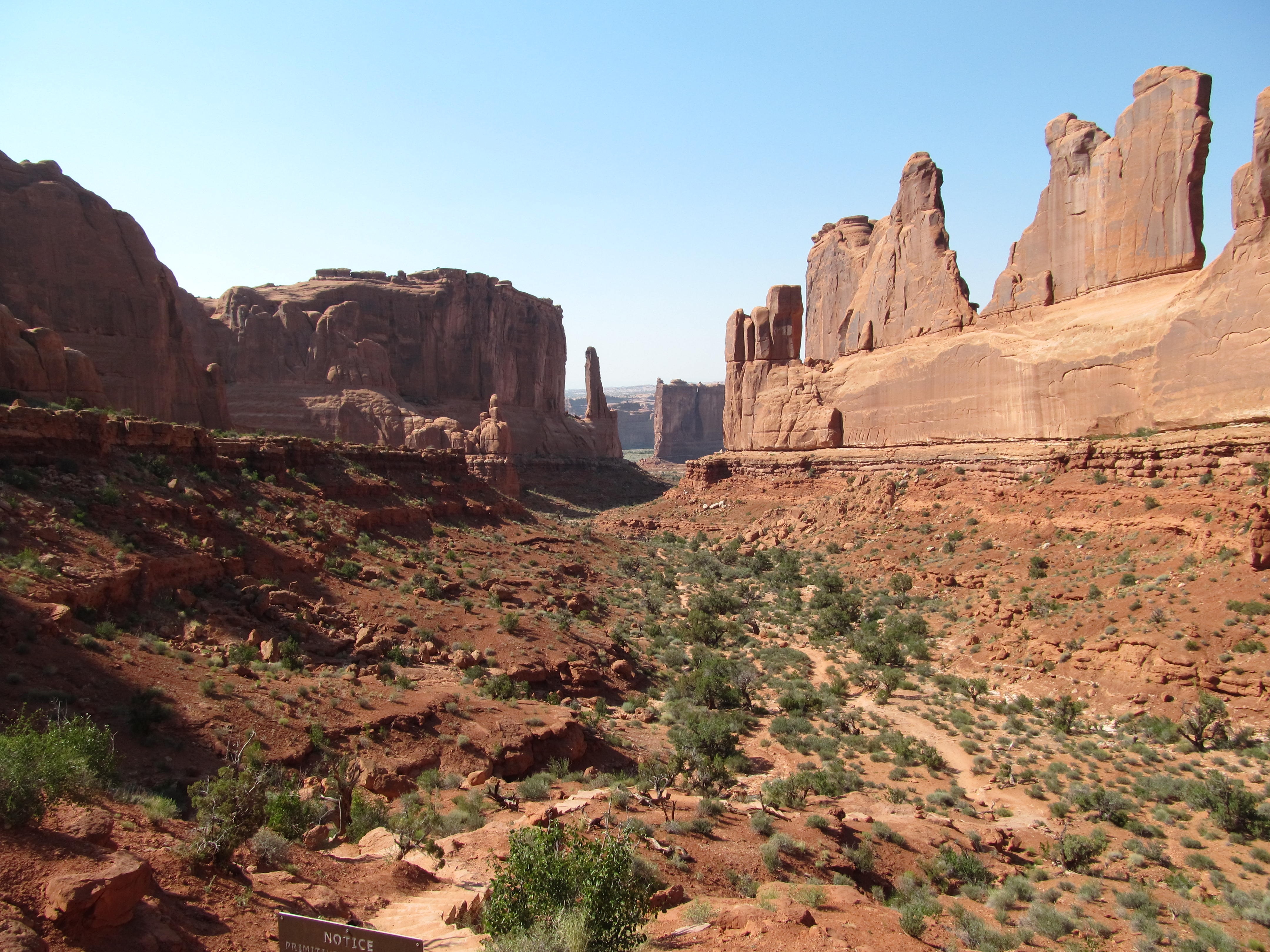
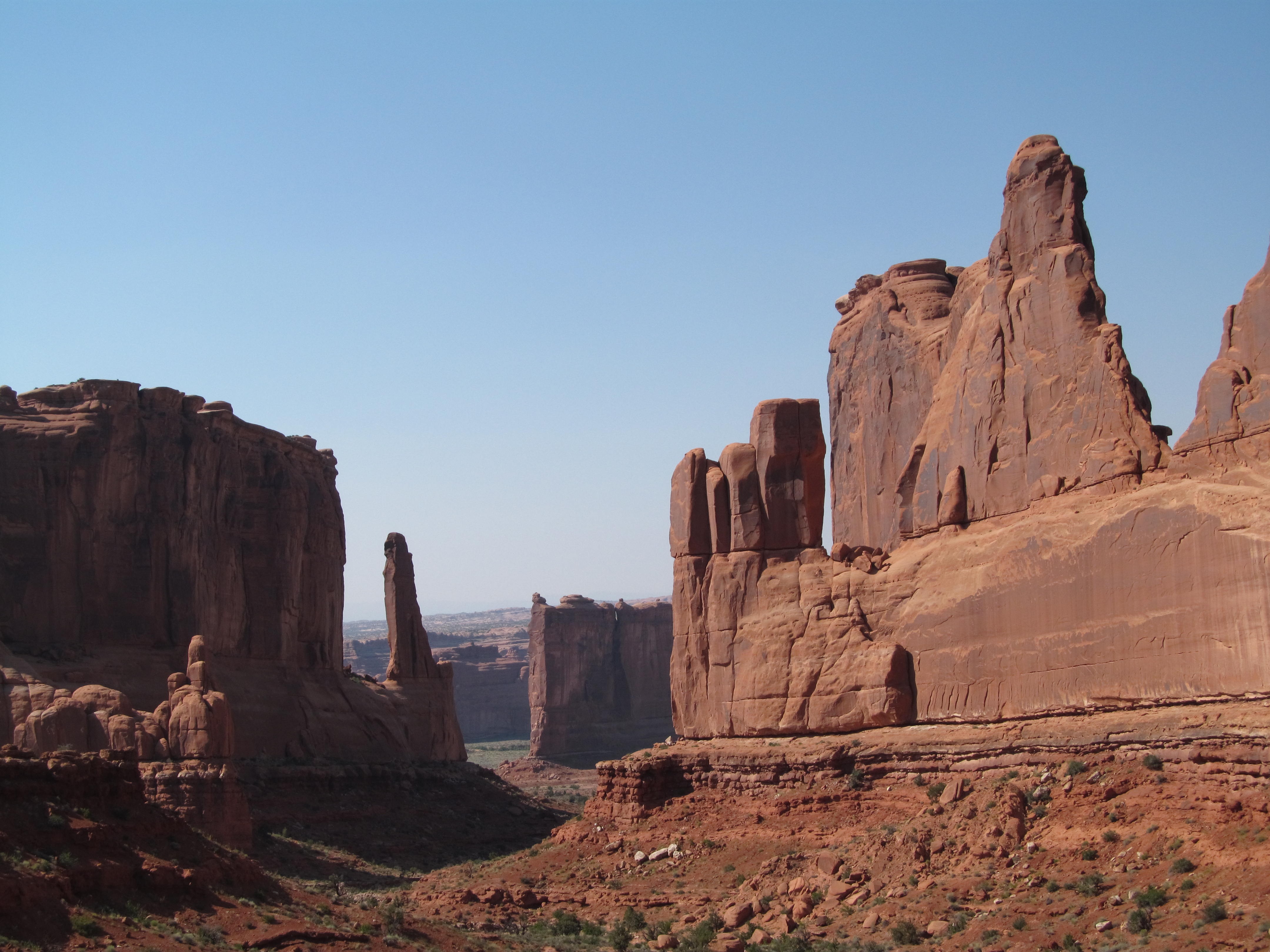
Park Avenue offered another completely different landscape. Instead of isolated arches, enormous monoliths and cliff walls formed a corridor that felt like a city street built on a geological scale.
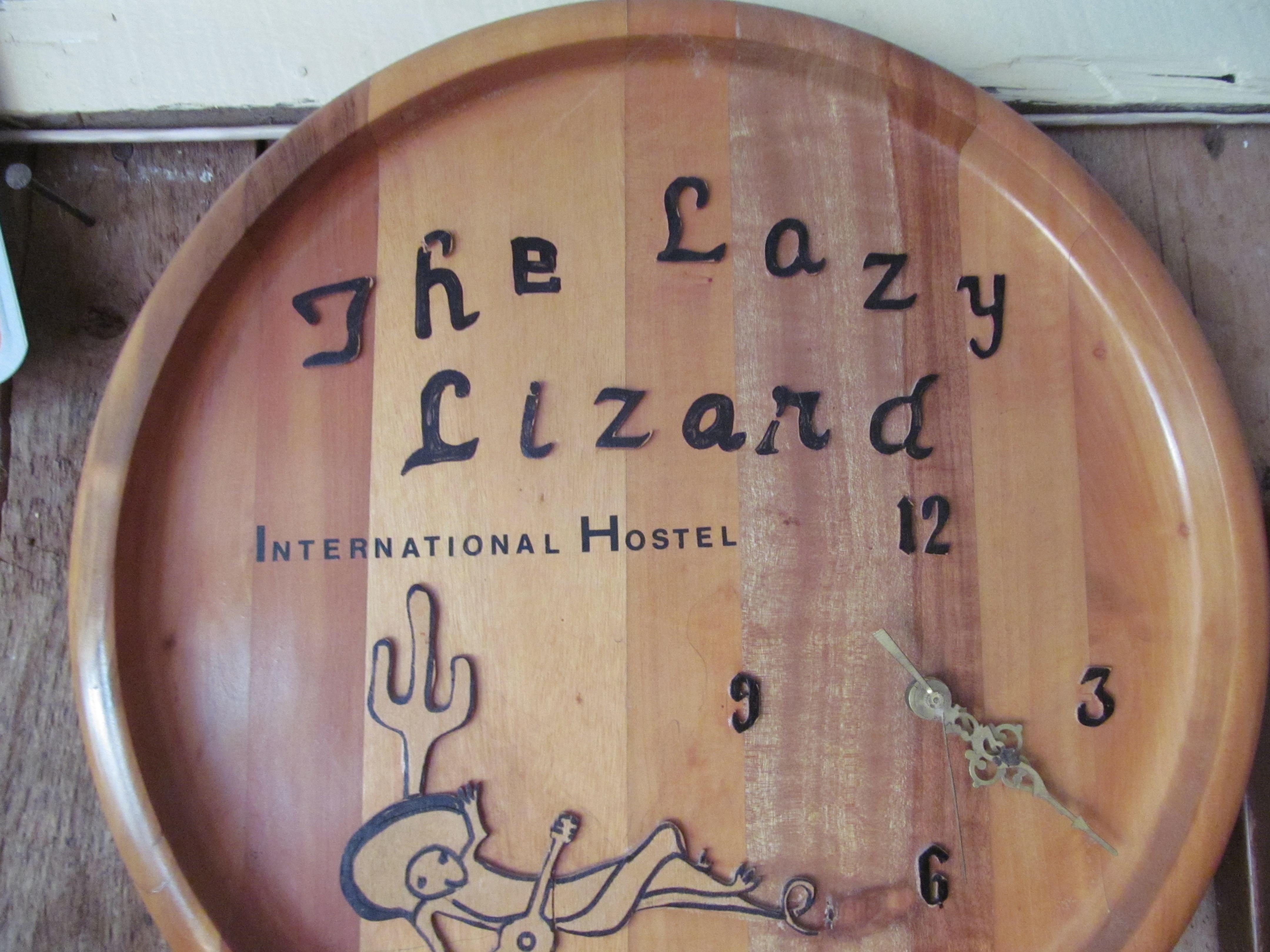
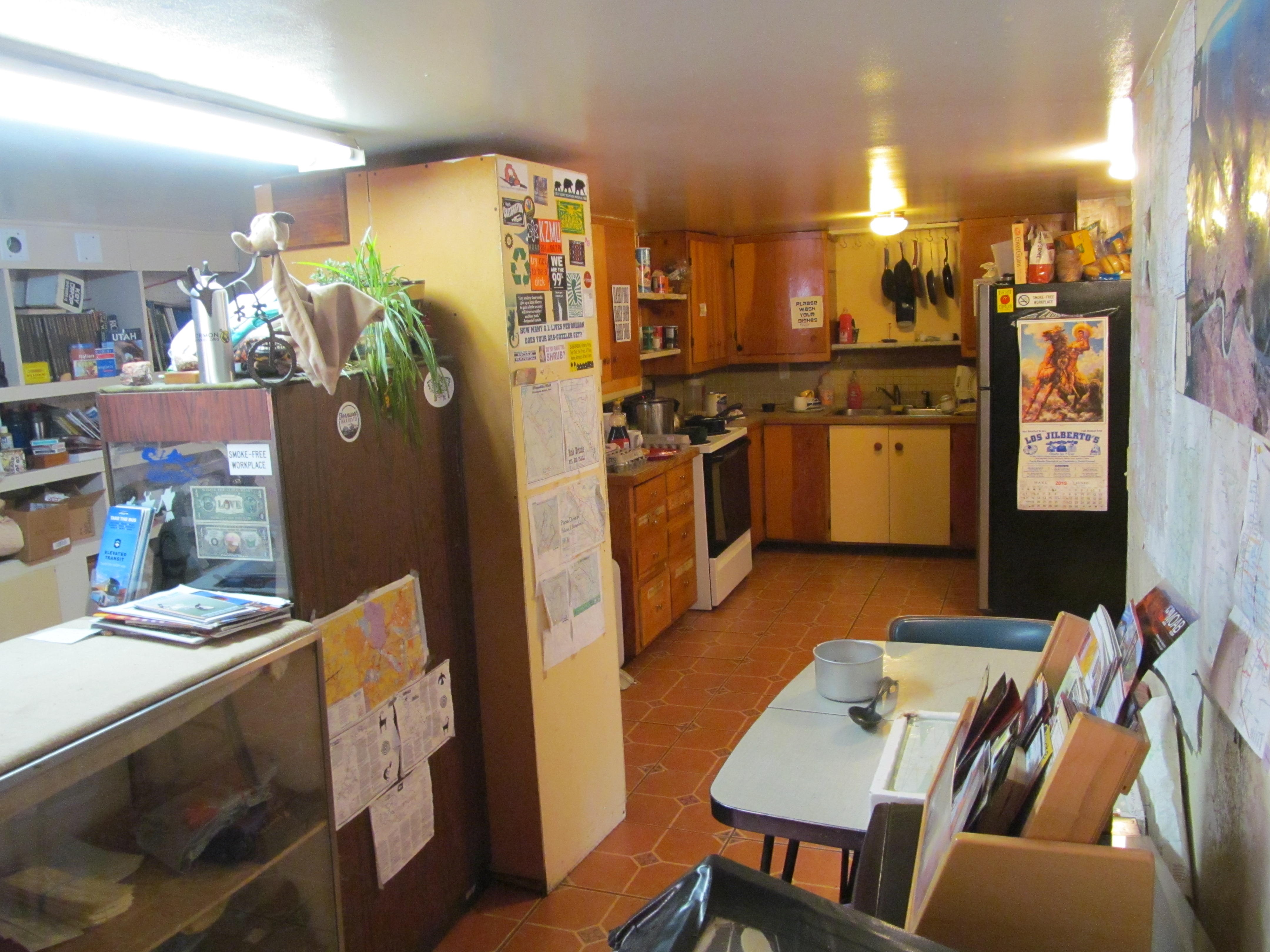
Moab gave us a practical base between hikes. Places like the Lazy Lizard hostel added color and personality to the trip and fit the way Cindy and I liked to travel—simple, social, and close to the places we wanted to explore.
Moab gave us a practical base between hikes. Places like the Lazy Lizard hostel added color and personality to the trip and fit the way Cindy and I liked to travel—simple, social, and close to the places we wanted to explore.
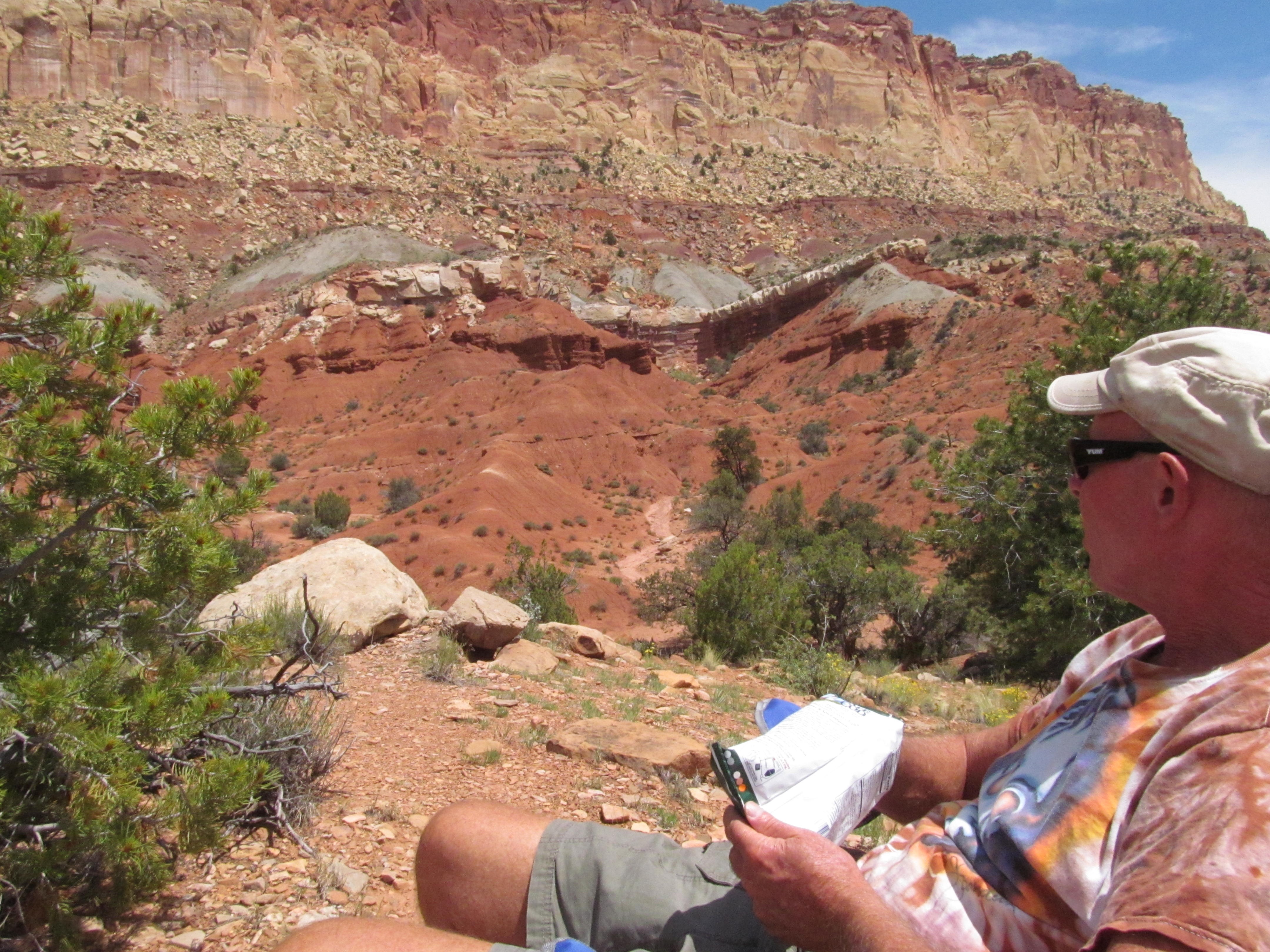
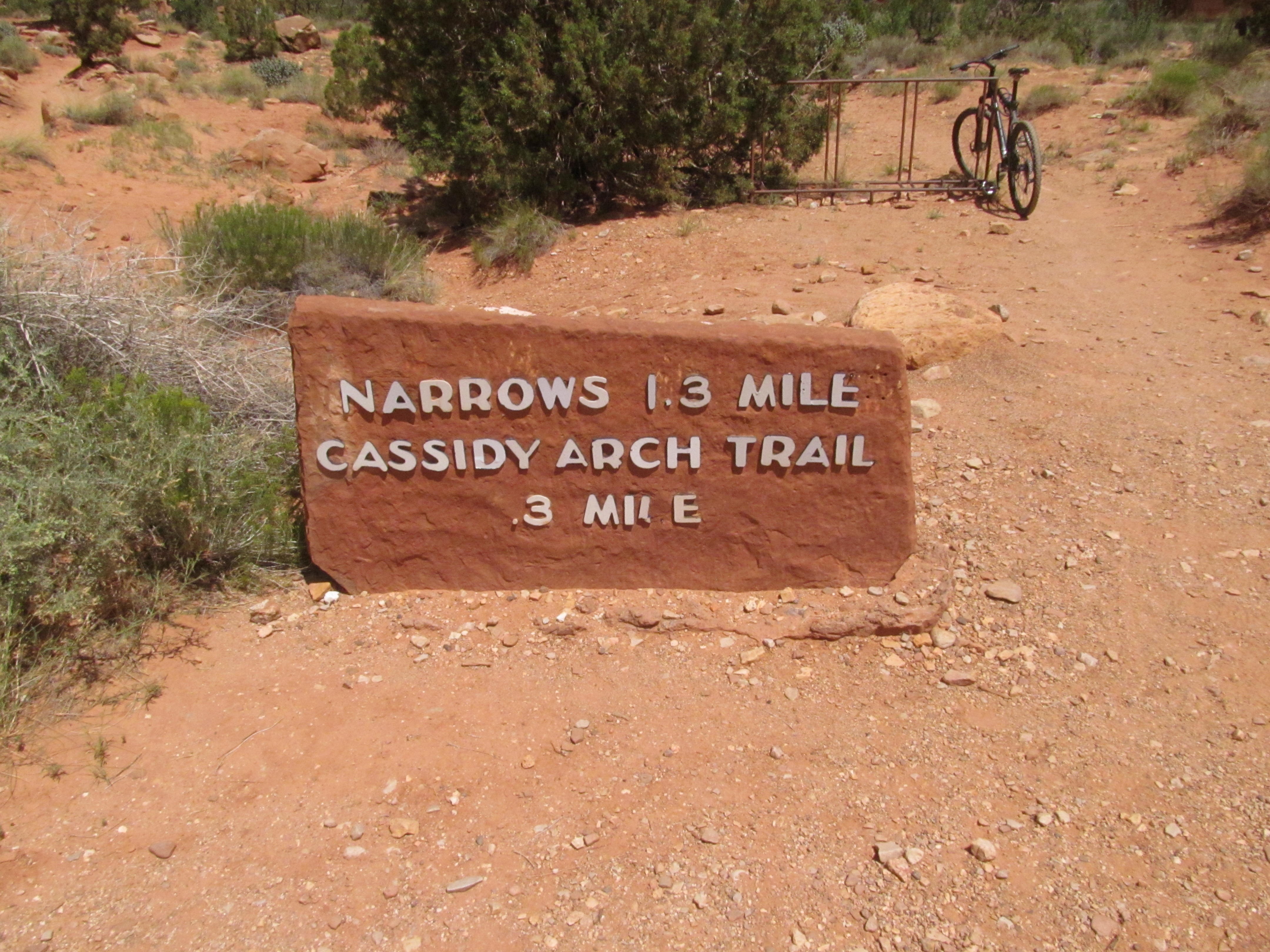
We also continued through Capitol Reef country, where long folds of rock, hidden canyons, and trails such as the route toward Cassidy Arch opened another chapter in the journey.
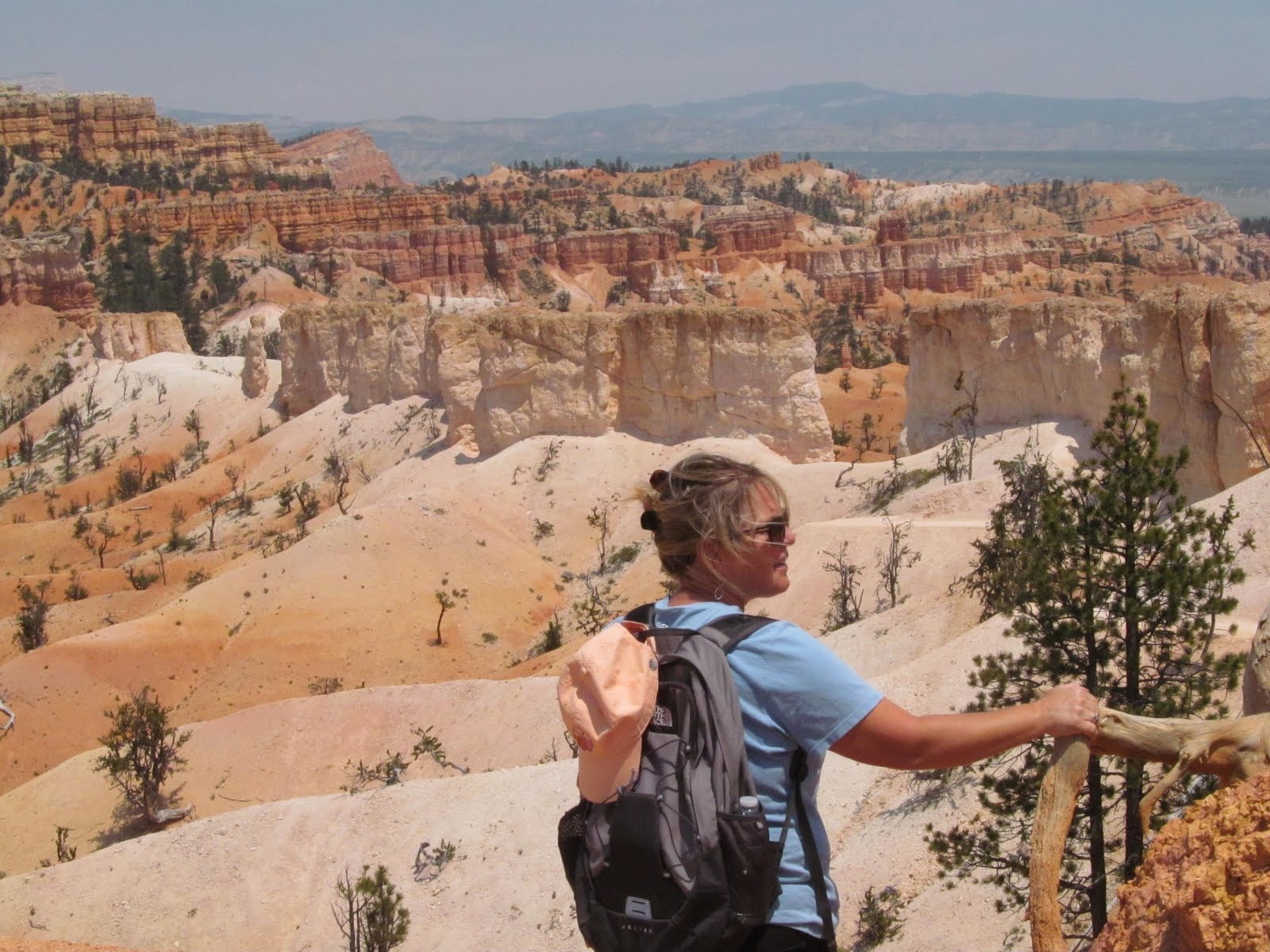
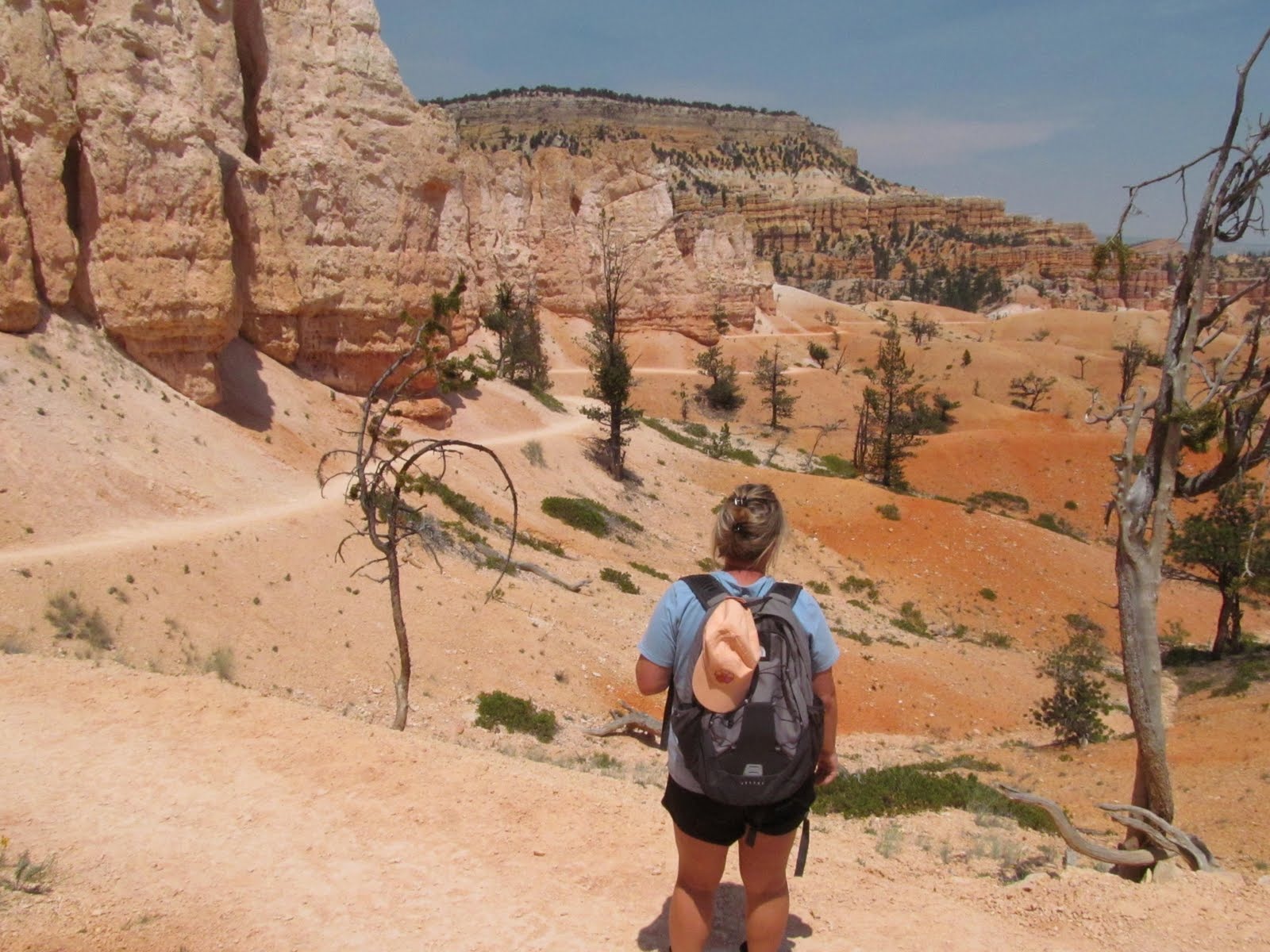
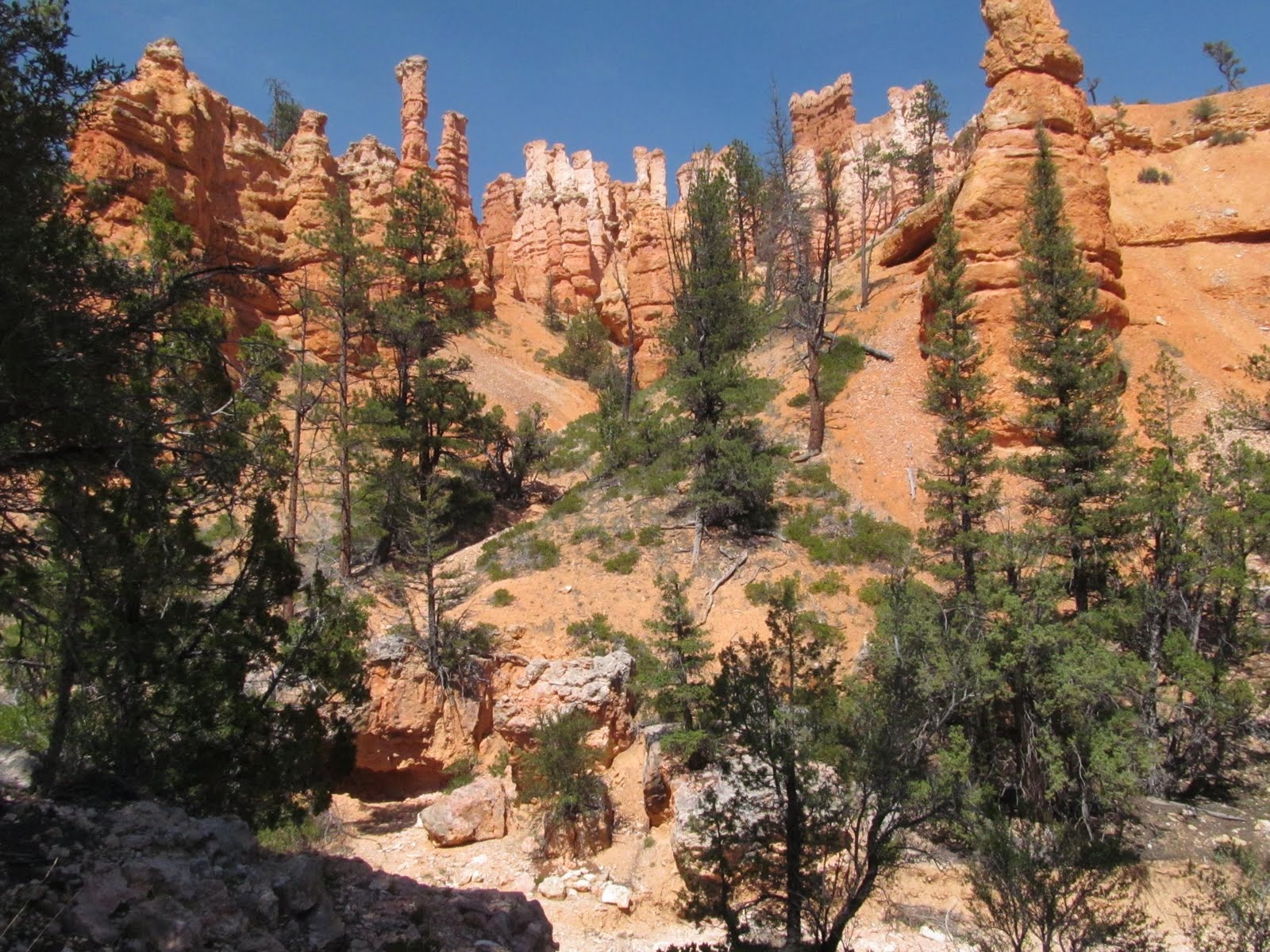
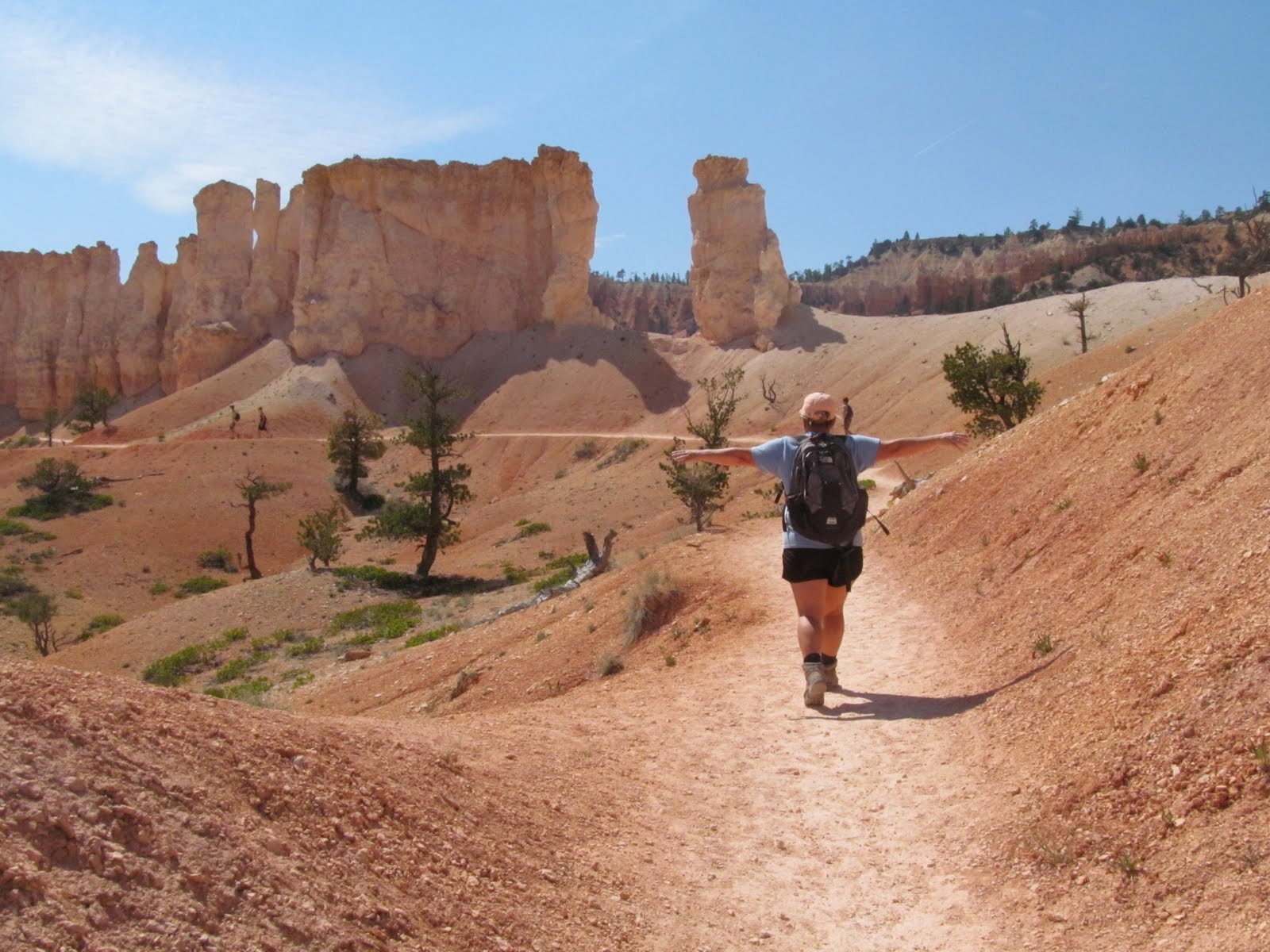
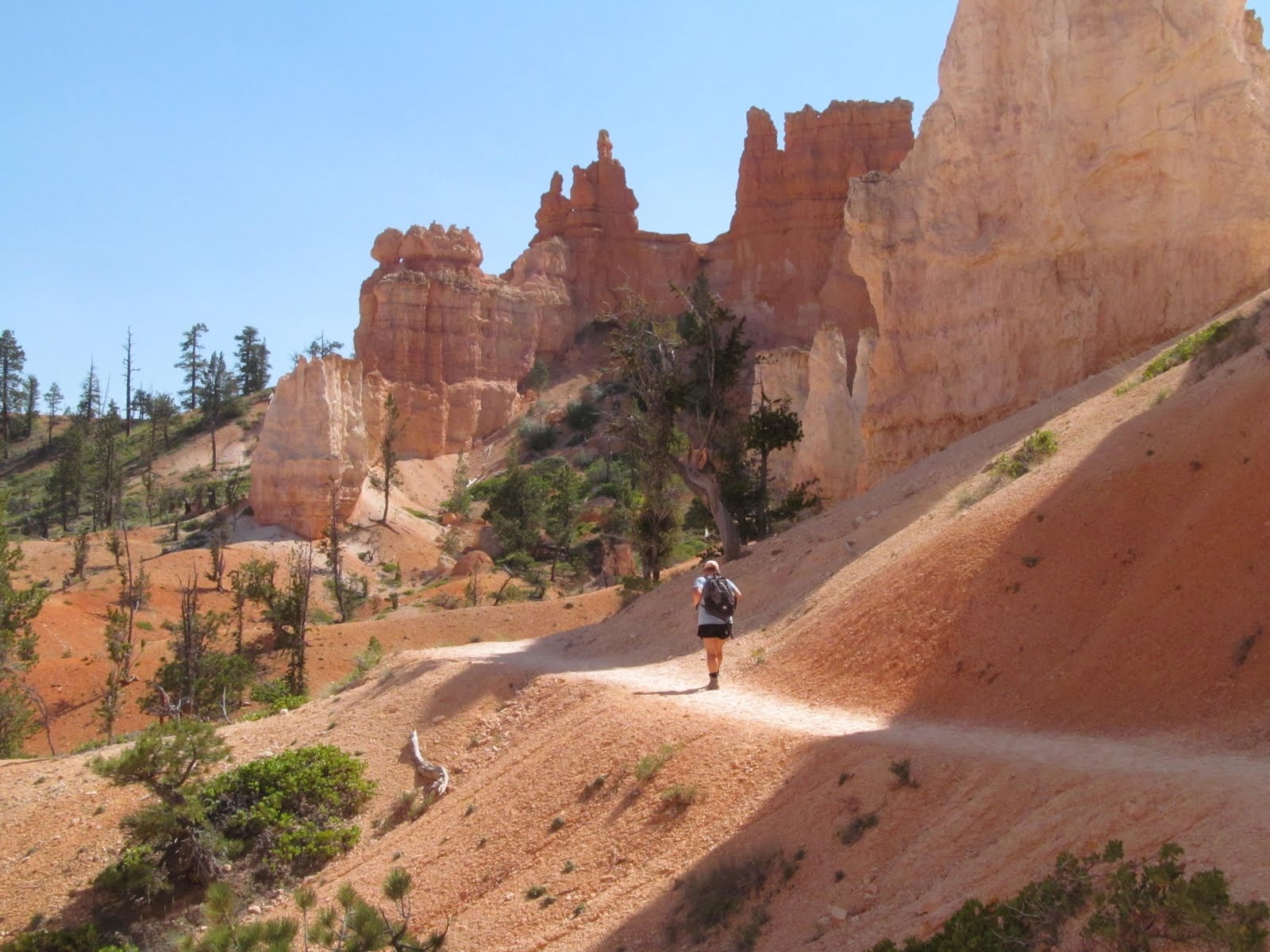
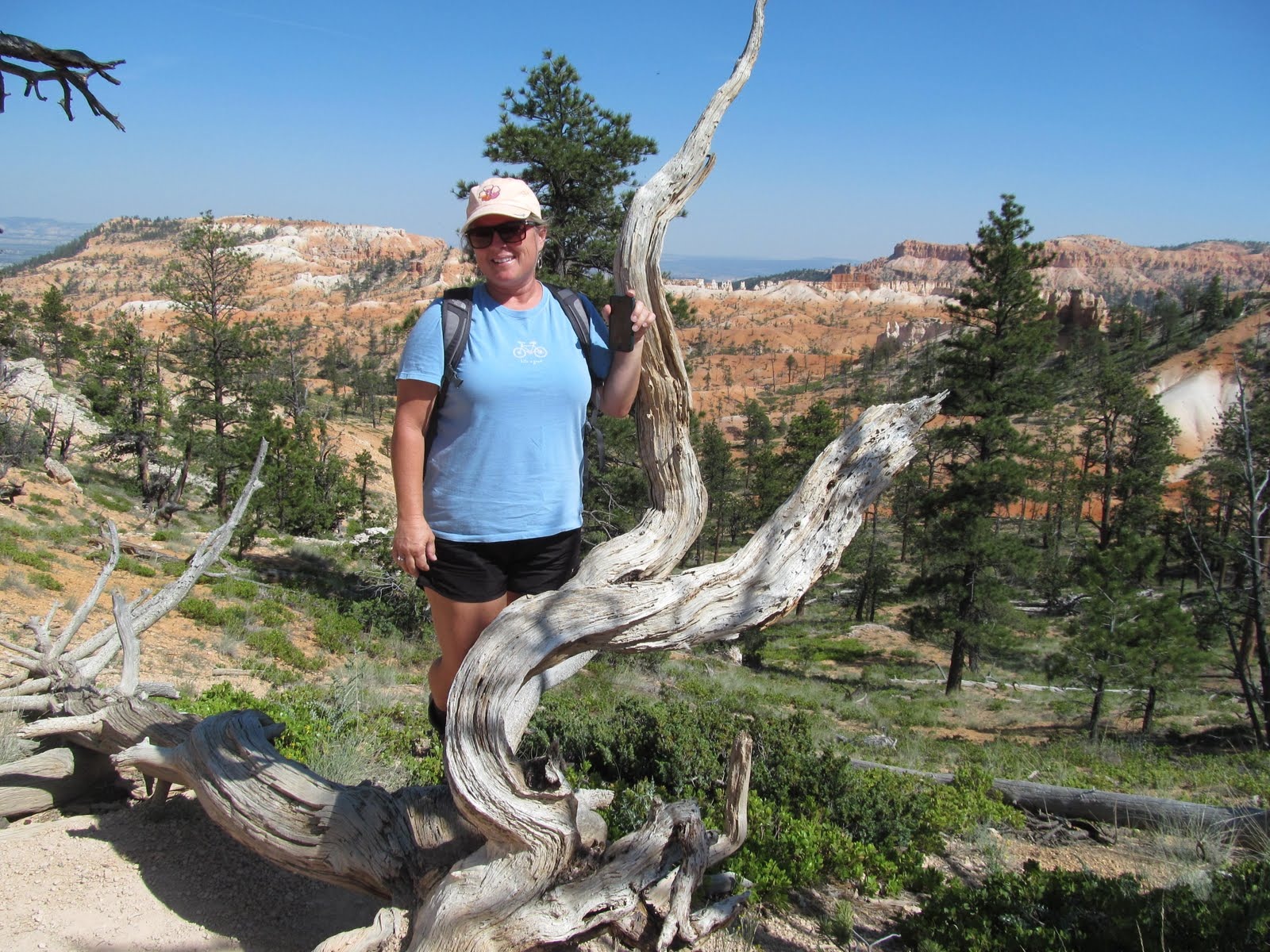
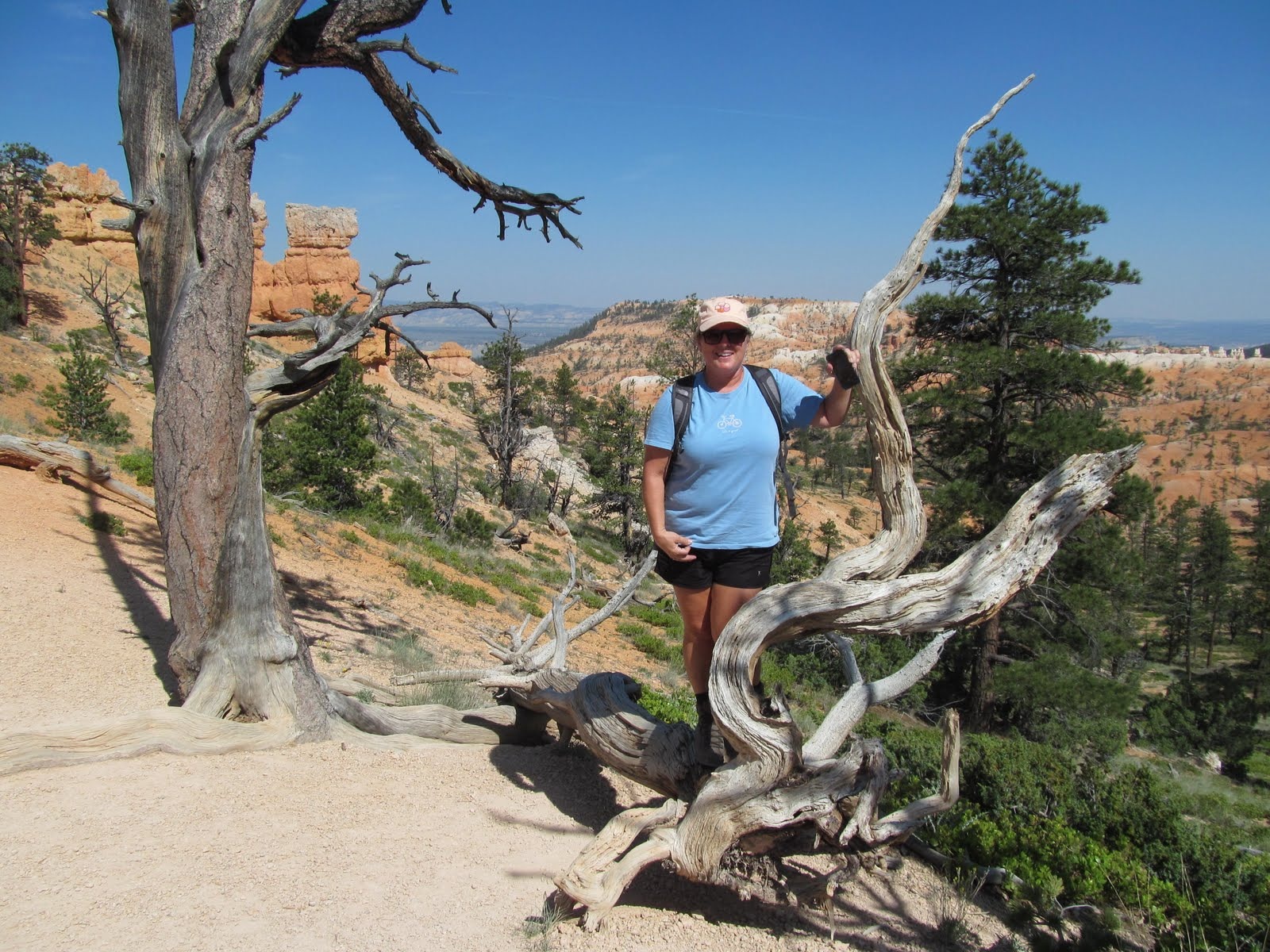
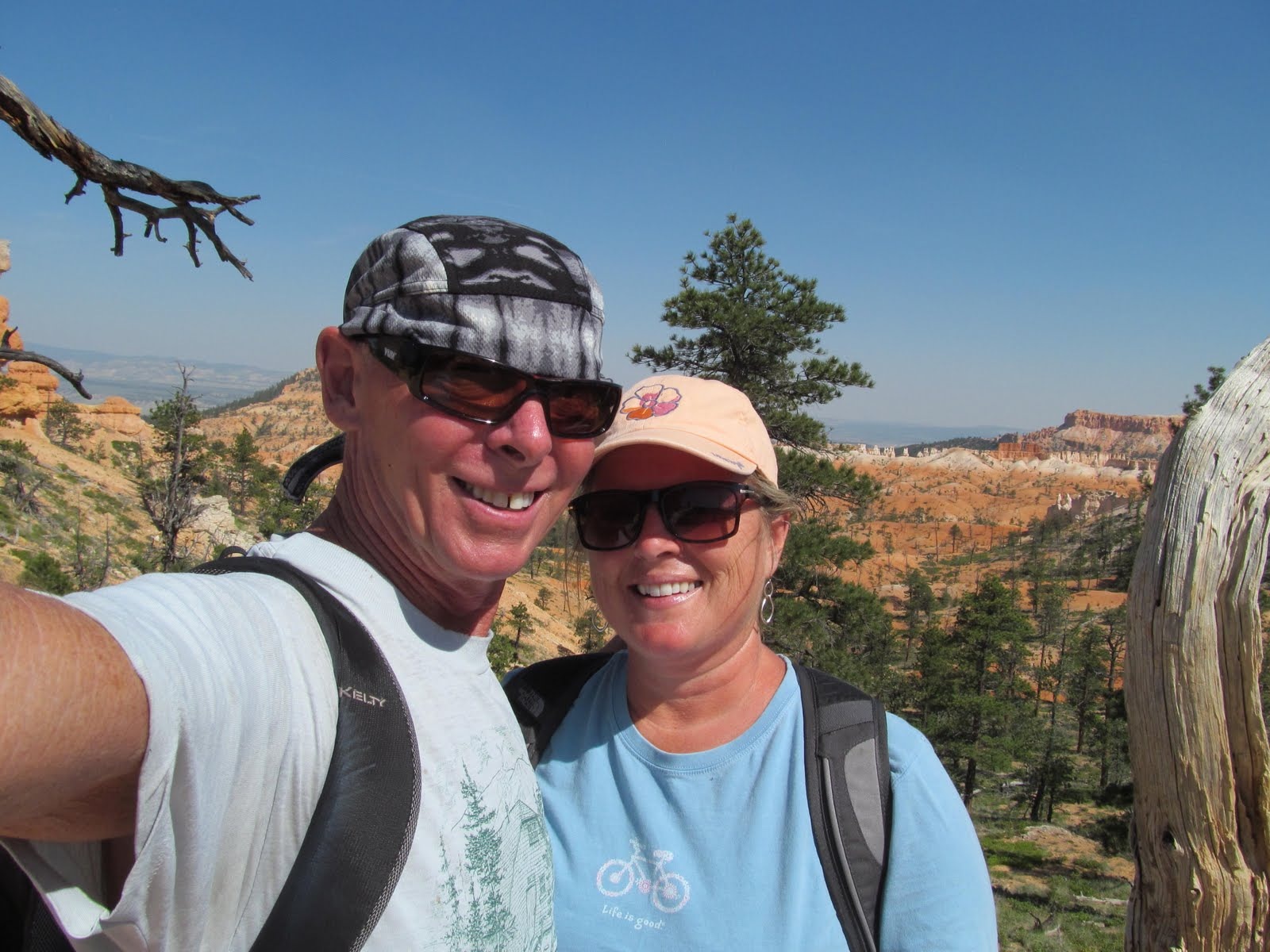
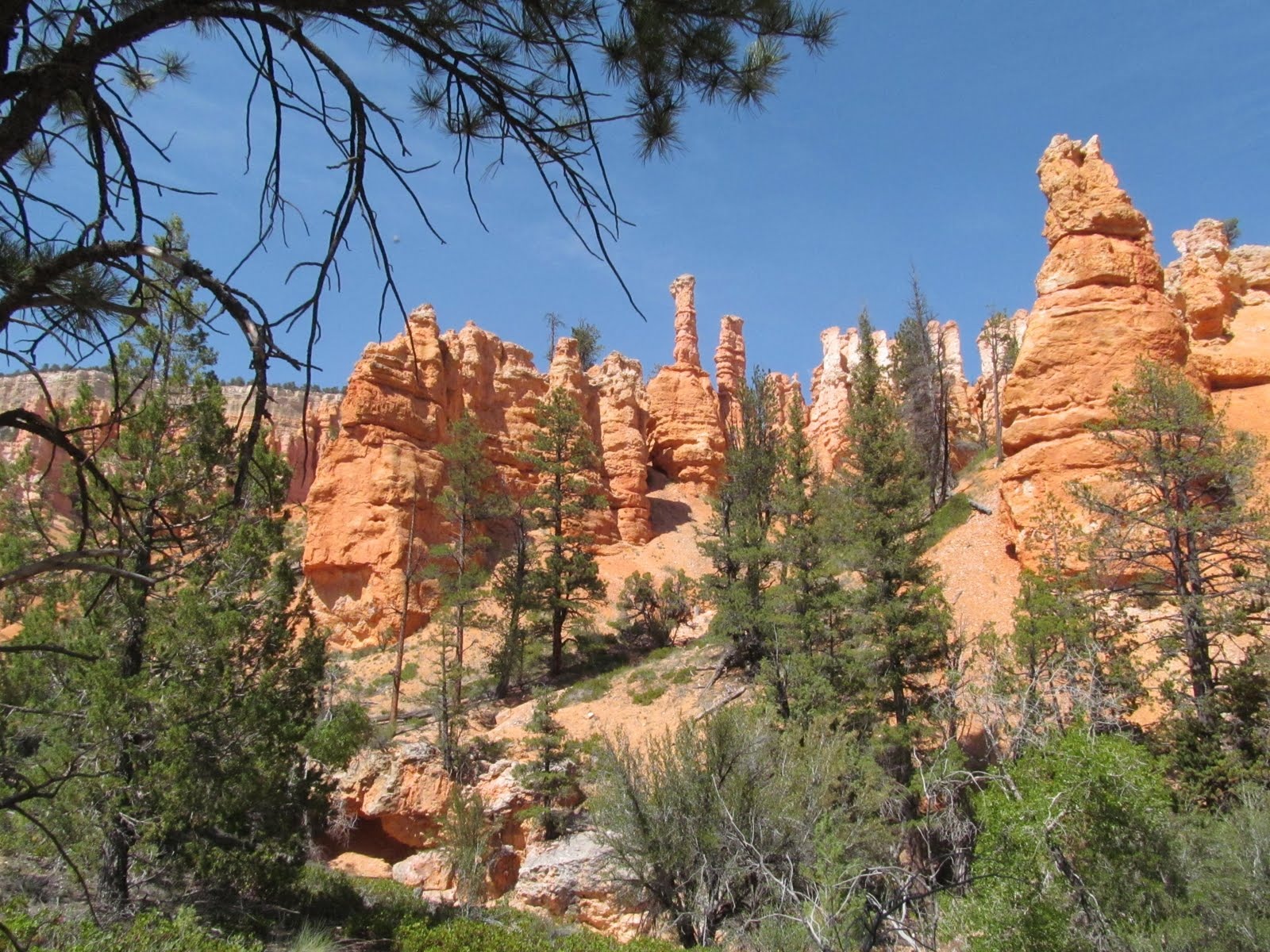
Bryce Canyon was unmistakably different from the broad arches and cliffs around Moab. Here, erosion had carved thousands of narrow hoodoos into a giant amphitheater of orange, white, and pink stone.
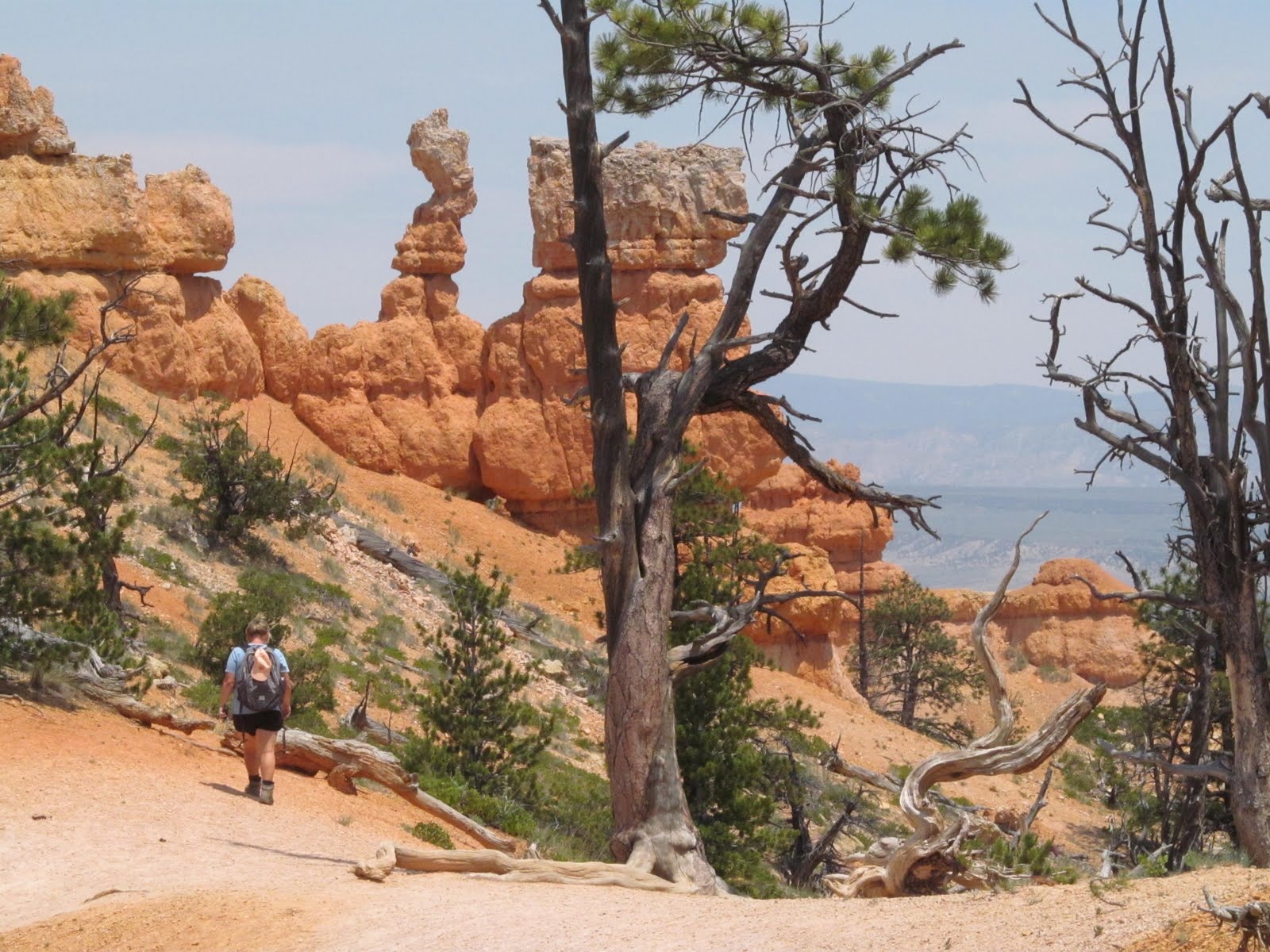
Bryce Canyon was unmistakably different from the broad arches and cliffs around Moab. Here, erosion had carved thousands of narrow hoodoos into a giant amphitheater of orange, white, and pink stone.
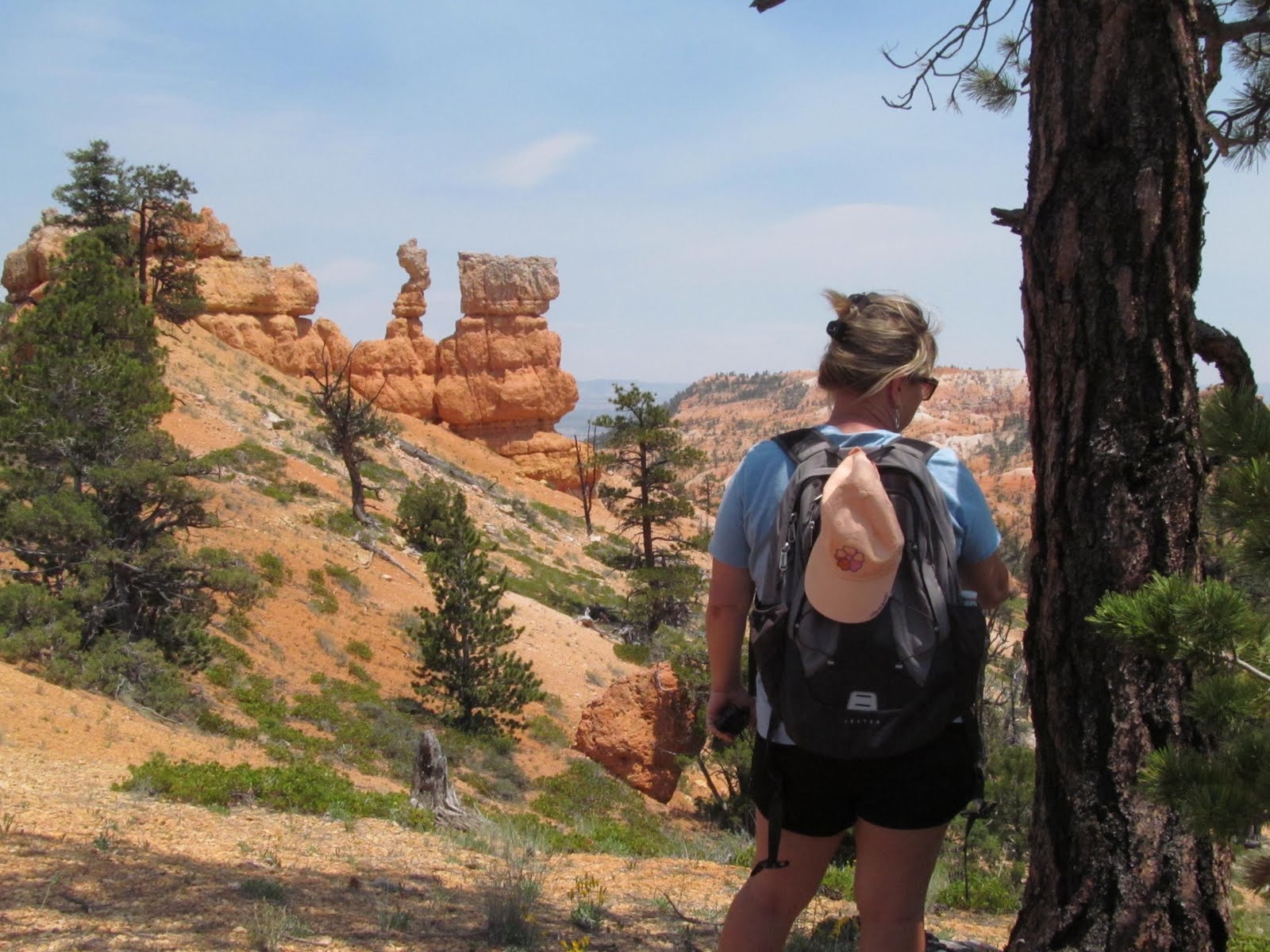
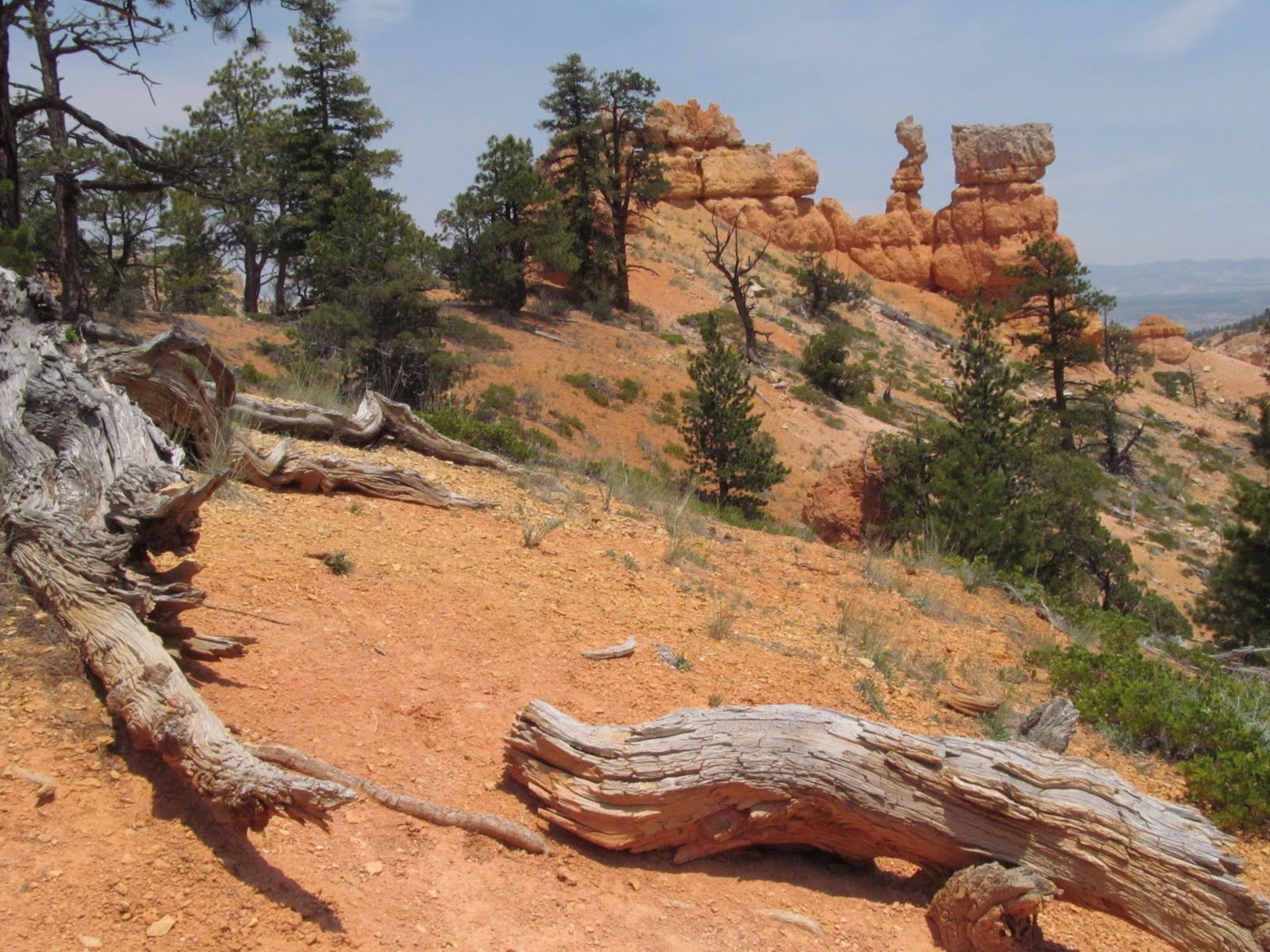
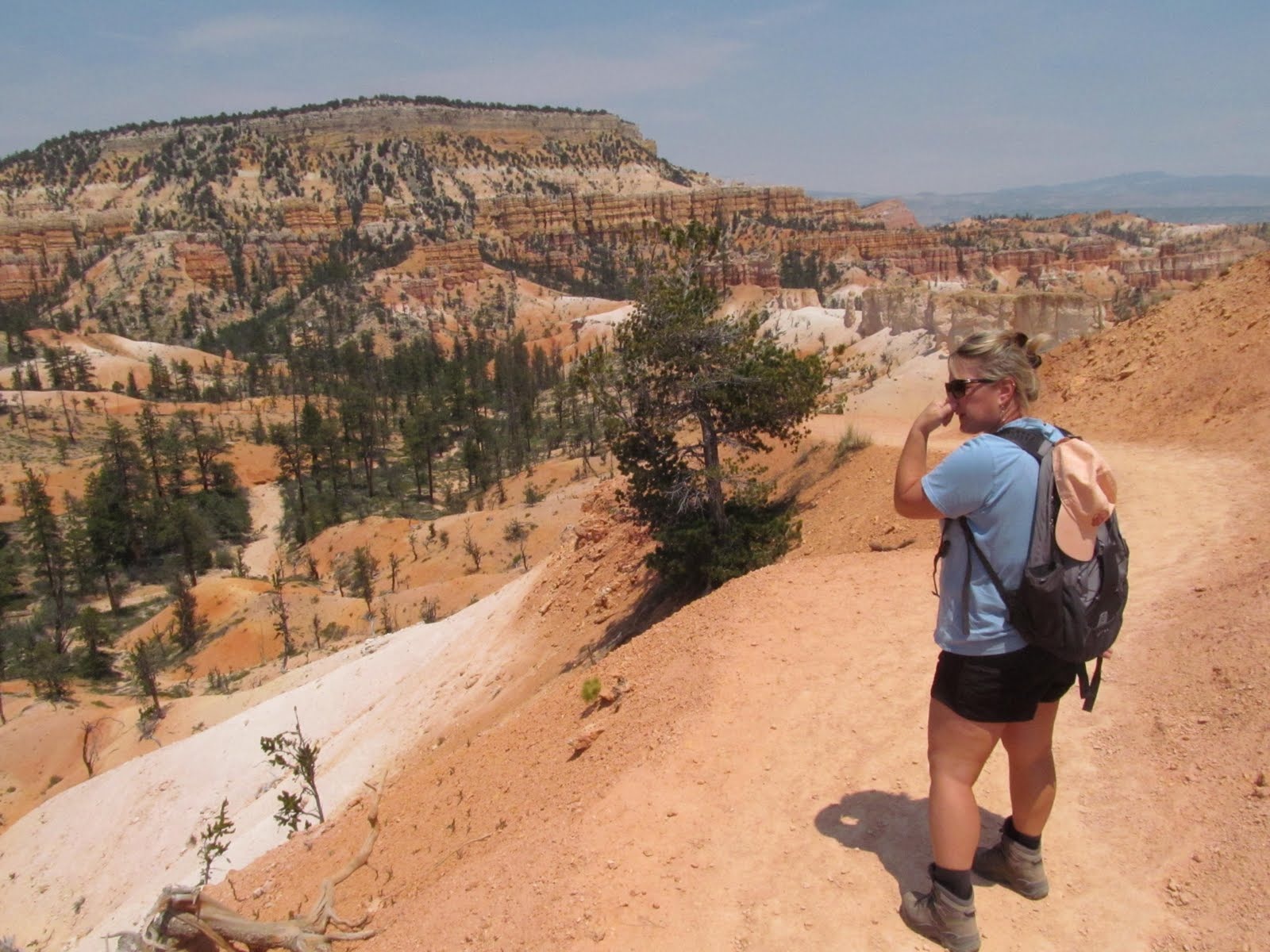
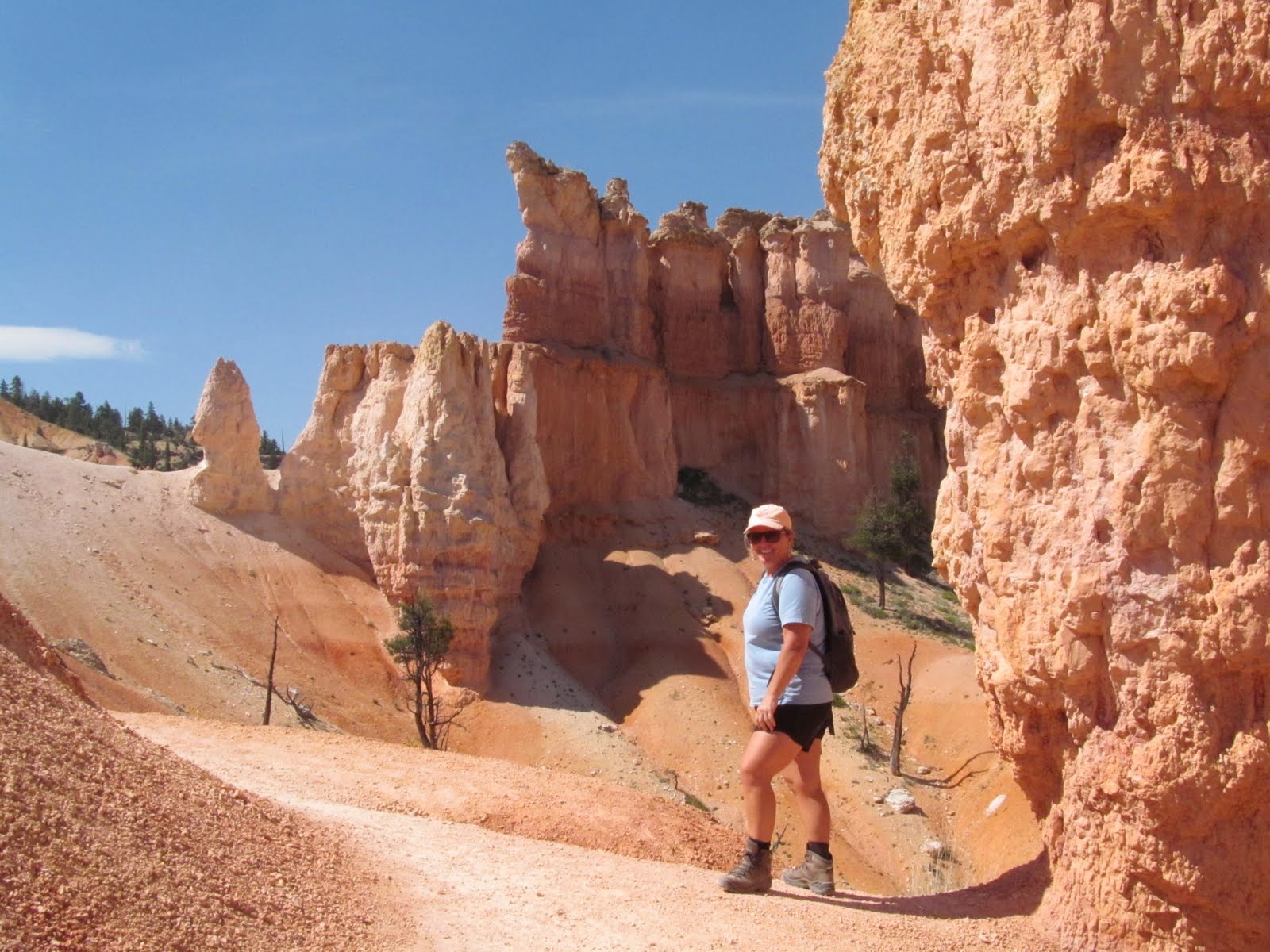
Walking down among the hoodoos changed the perspective completely. From above they looked like a dense stone forest; from the trail they became individual towers, walls, windows, and narrow passages.
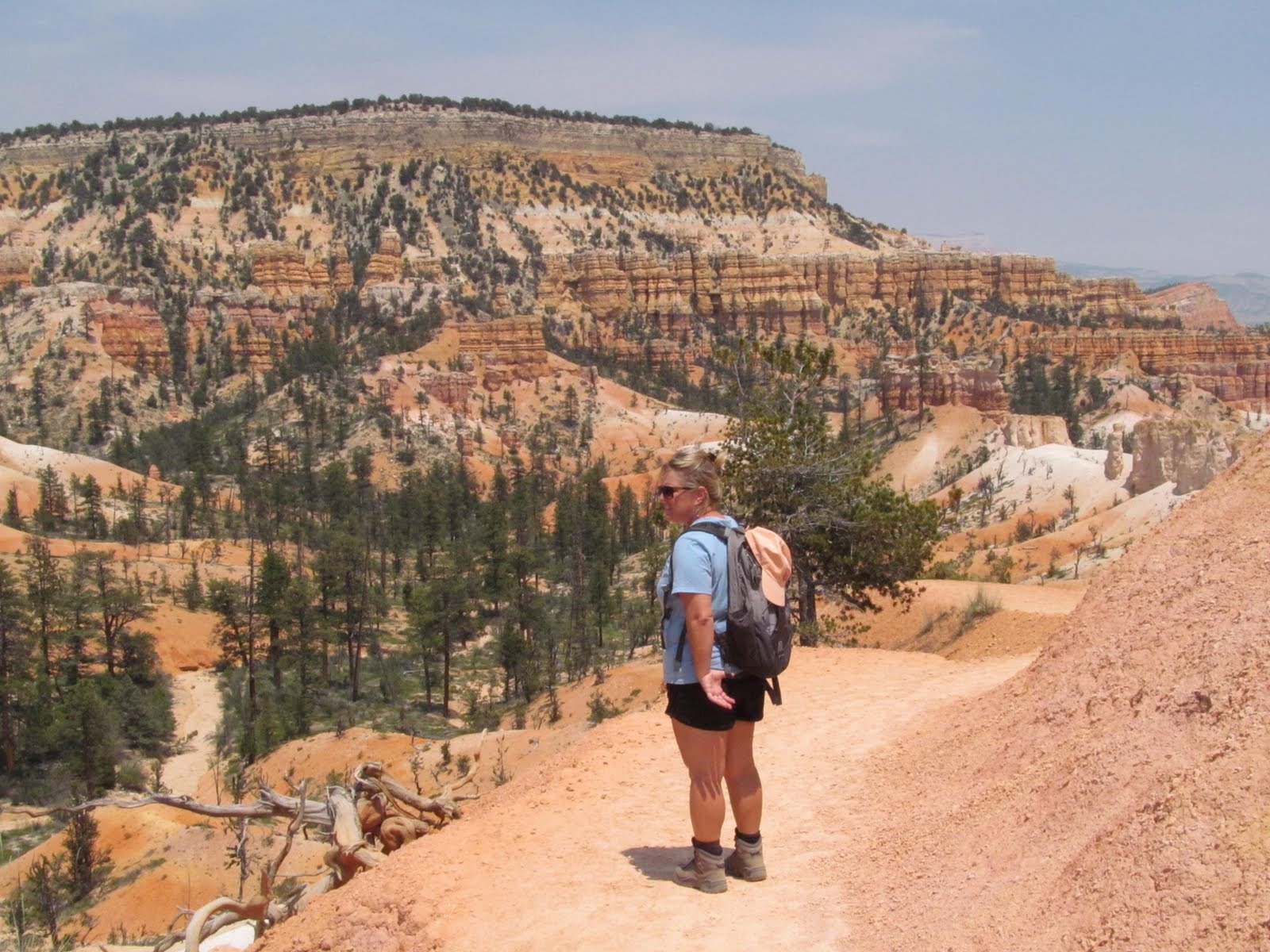
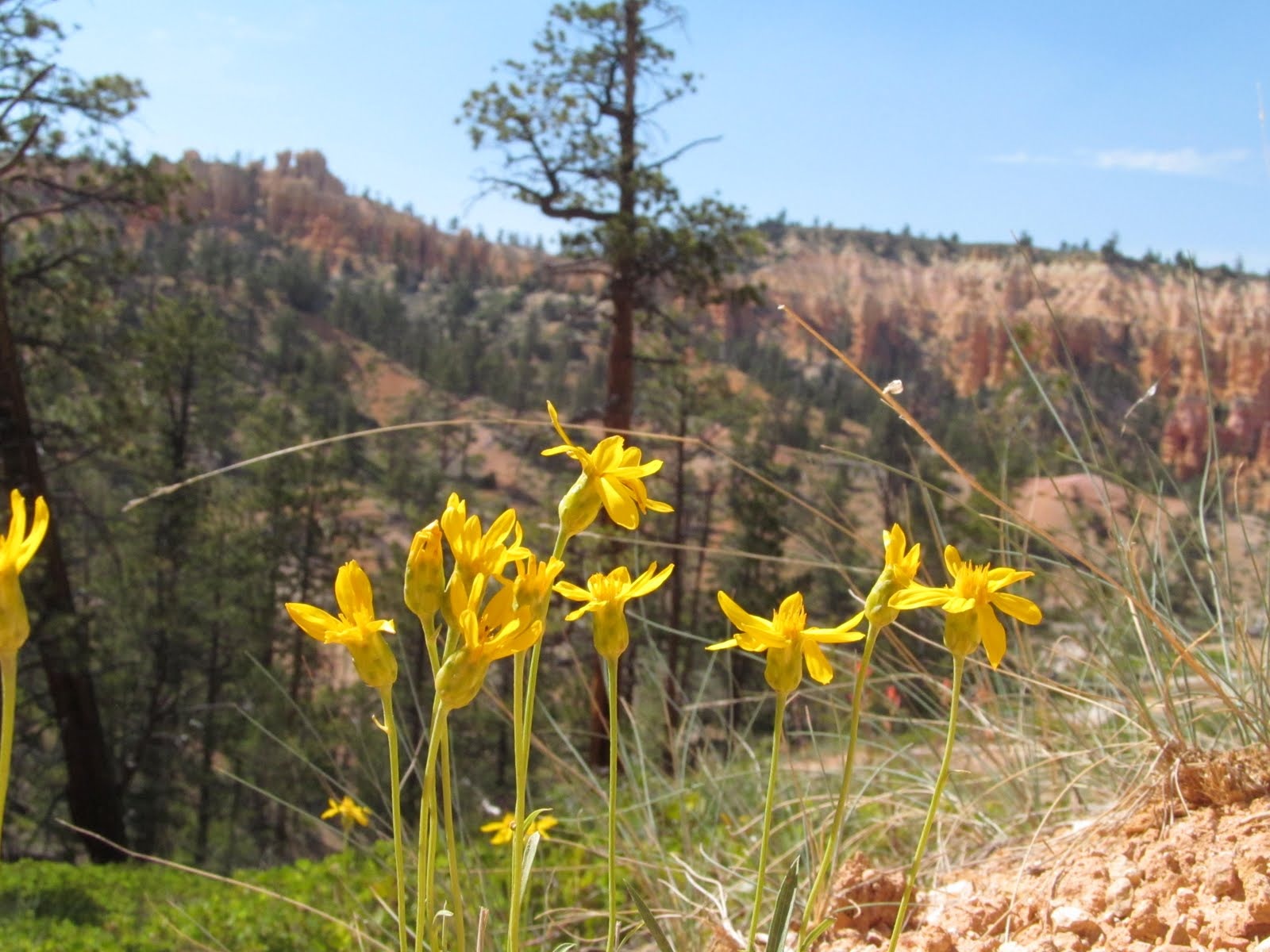
Pines and wildflowers softened the landscape and provided occasional shade. Even in the heat of June, the higher elevation made Bryce feel different from the open desert parks farther east.
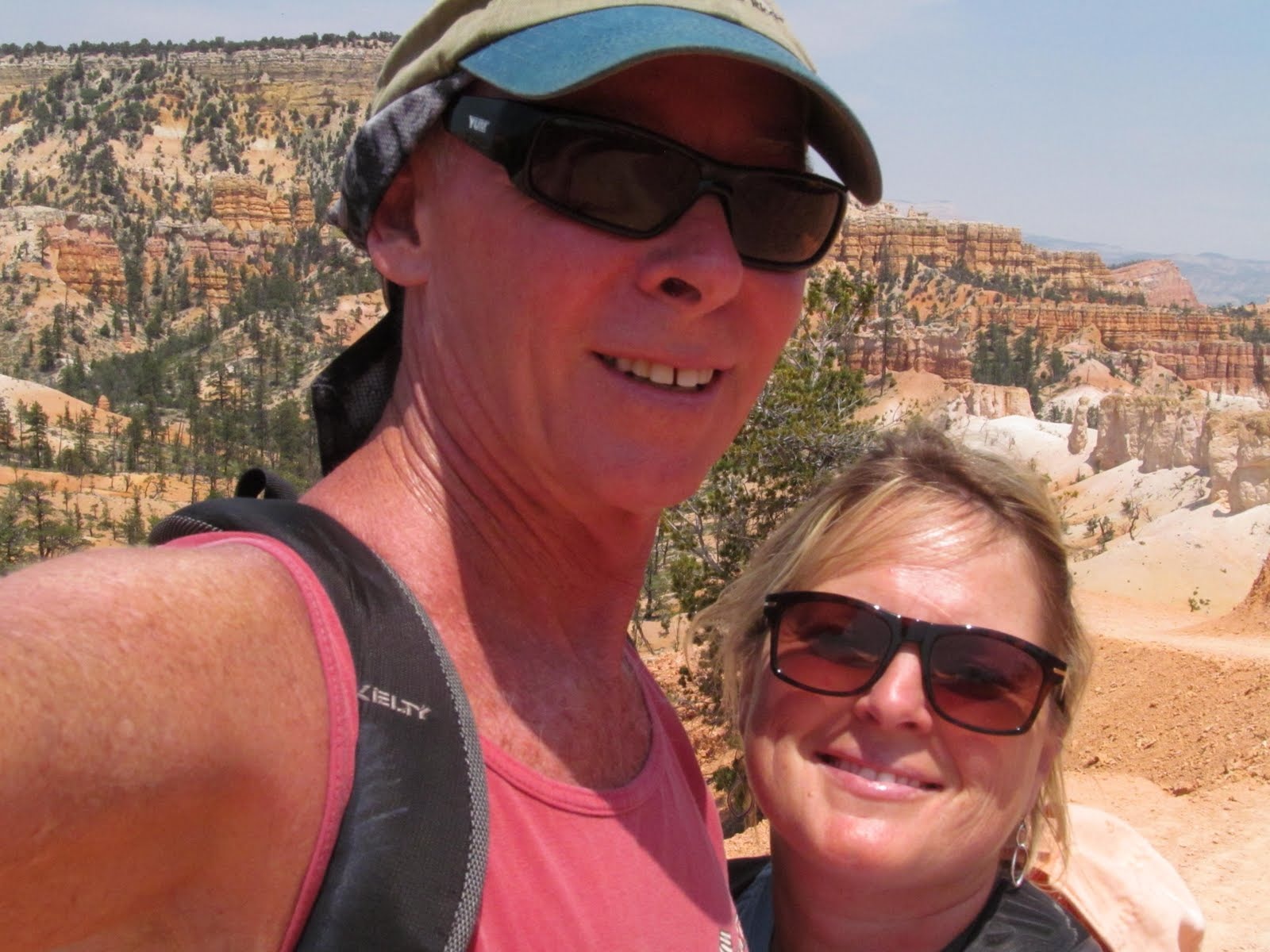
Pines and wildflowers softened the landscape and provided occasional shade. Even in the heat of June, the higher elevation made Bryce feel different from the open desert parks farther east.
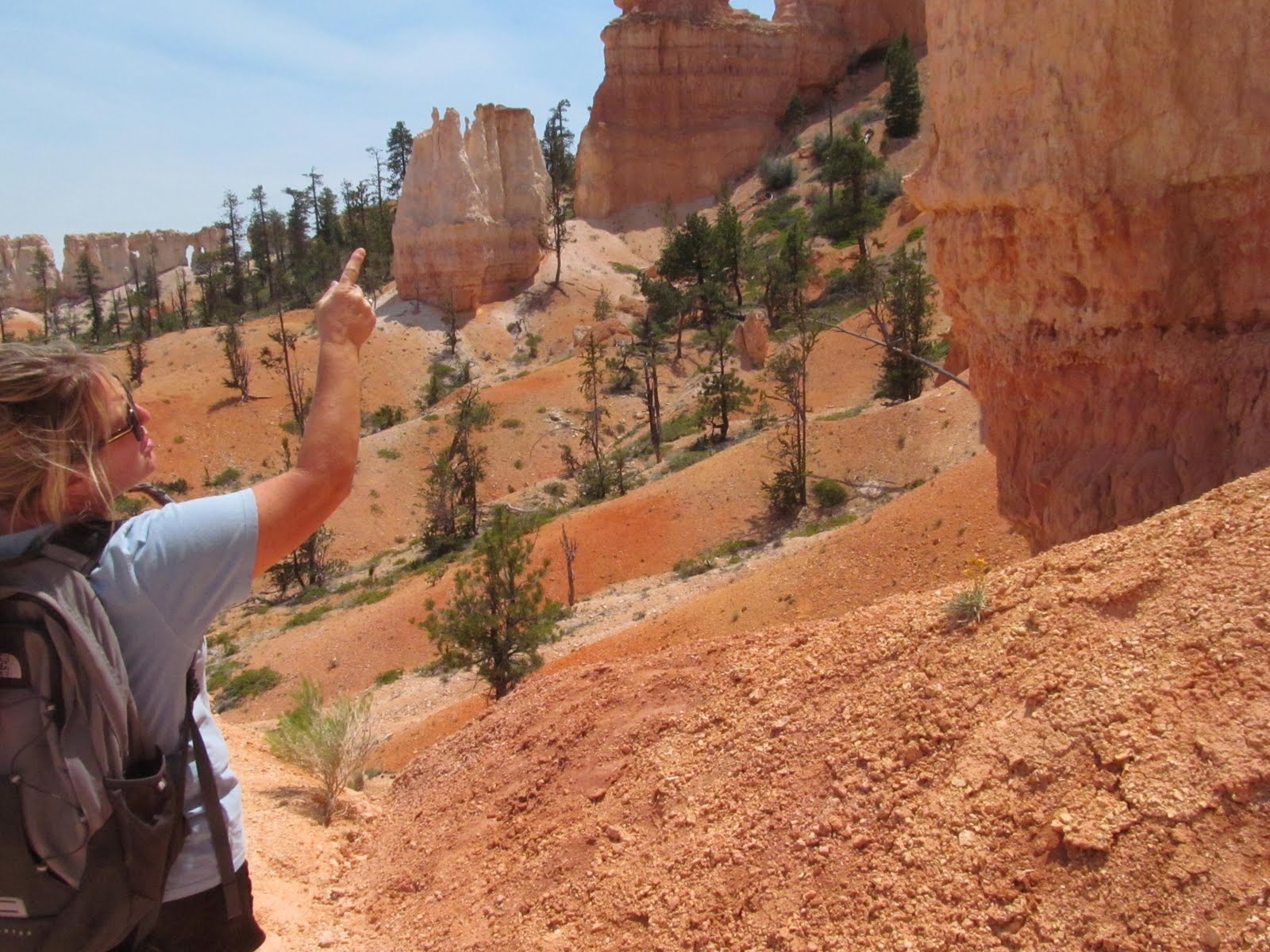
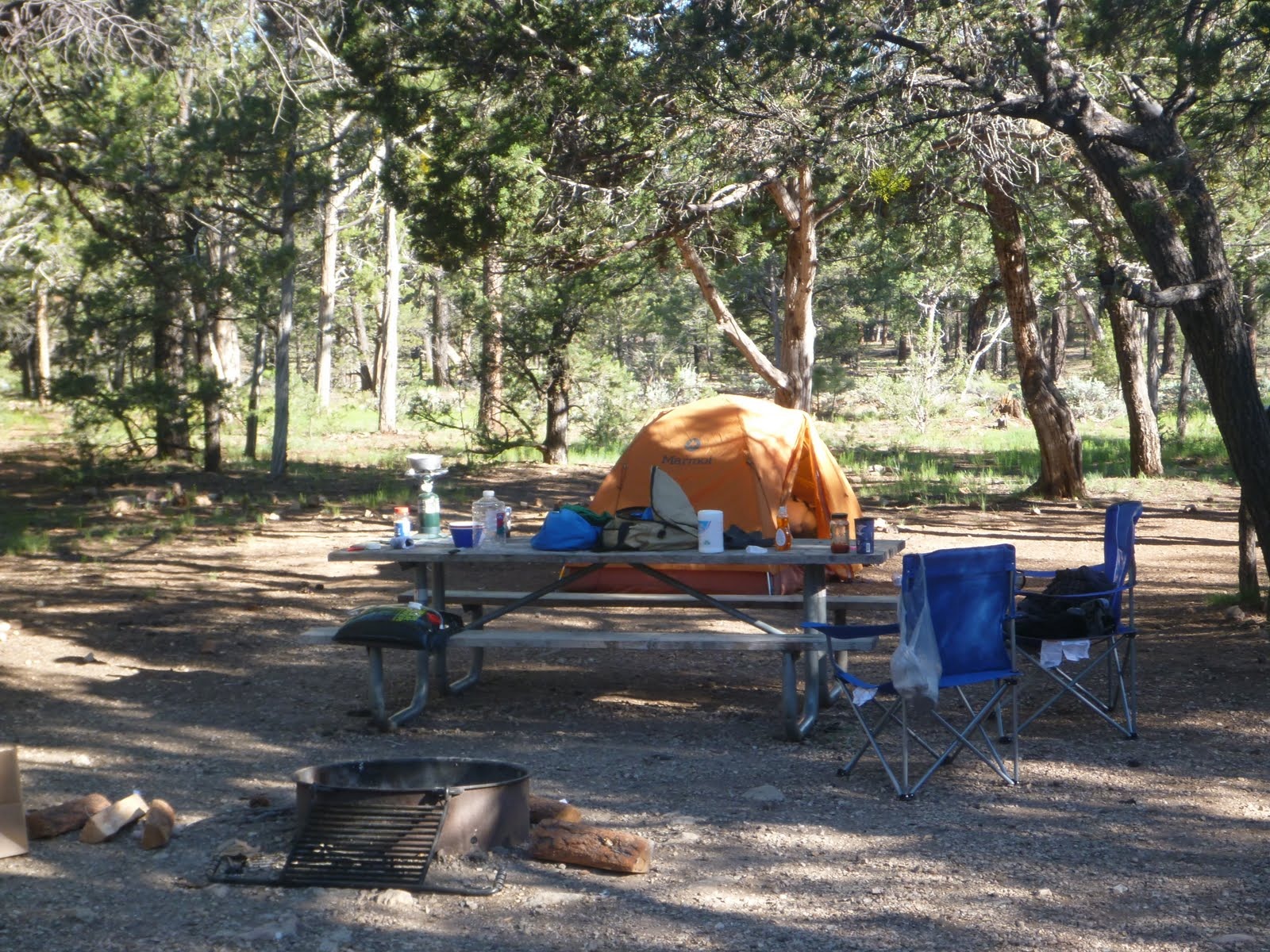
We ended many days tired, dusty, and happy to return to a simple campsite. Traveling this way gave us the freedom to change plans, stay longer when a place captured us, and keep moving when another canyon or trail was waiting down the road.
Those extra two weeks after the wedding became a journey of their own. Mesa Verde connected us with the deep human history of the region, while Arches, Capitol Reef, Bryce, Zion, and the surrounding desert reminded us how much variety can exist within canyon country.
Those extra two weeks after the wedding became a journey of their own. Mesa Verde connected us with the deep human history of the region, while Arches, Capitol Reef, Bryce, Zion, and the surrounding desert reminded us how much variety can exist within canyon country.
Looking back, what I remember most is the rhythm of the trip: drive, hike, stop, explore, find a place to sleep, and begin again the next morning. Cindy and I had nowhere we had to be except the next landscape, and that freedom made Utah 2015 one of those trips that remains vivid years later.
Other Photos From This Trip
These remaining photographs fill in more of the cliff dwellings, trails, arches, hoodoos, camps, and roadside moments from our 2015 journey through canyon country.