Getting Back to the Mountains
In 2003, I was near the peak of my mountaineering days, but I was also still rebuilding my life after the serious car accident I had suffered about a year earlier. I spent month after month at the gym and in physical therapy, working toward the functional test I needed to pass before returning to my regular field position with the USGS.
My employer suggested computer or office work that would not require physical strength, but I wanted no part of spending my days fixing other people’s computer problems. I wanted to return to the outdoor work I loved. After finally becoming strong enough, I had been back at work for only about a month when a message appeared on a Mount Washington listserv.
The volunteer scheduled for the following week had a family emergency. The observatory needed someone immediately who could spend seven full days on the summit, primarily cooking for the crew and helping wherever needed. I prepared a résumé emphasizing my winter camping, mountaineering, high-altitude travel, and volcano climbs in Peru. Although they normally preferred volunteers with previous summer experience, I was selected.
The Snowcat Ride
The commitment began on Wednesday morning. The snowcat crawled slowly up the mountain on its tracks. About halfway up, the road disappeared completely beneath the snow. The driver followed tall marker poles installed before winter, some roughly twenty-five feet high.
Several hairpin turns looked as though one mistake could send the machine tumbling down the mountain. Everyone carried only essential personal equipment, but each of us still had to be prepared to survive in true alpine winter conditions.
Home for Seven Days
My bunkroom was tiny—almost nothing more than a bed, with extra bunks available in case stranded climbers needed shelter. At night, the wind made the whole building shake, and the sound could resemble a freight train roaring outside. After a couple of nights, the noise became strangely comforting because I knew I was warm inside while the mountain raged beyond the walls.
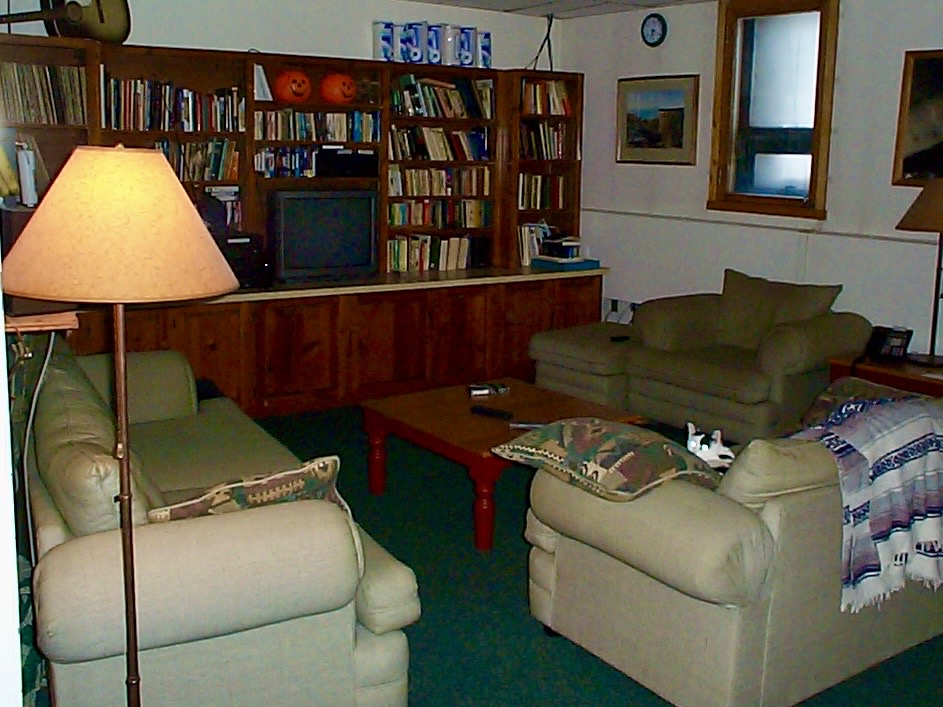
The observatory also had a small living room with couches, books, a television, videos, and DVDs. The summit cat wandered around and often slept in someone’s lap, adding an unexpected feeling of home to such an extreme place.
Learning to Cook at 6,288 Feet
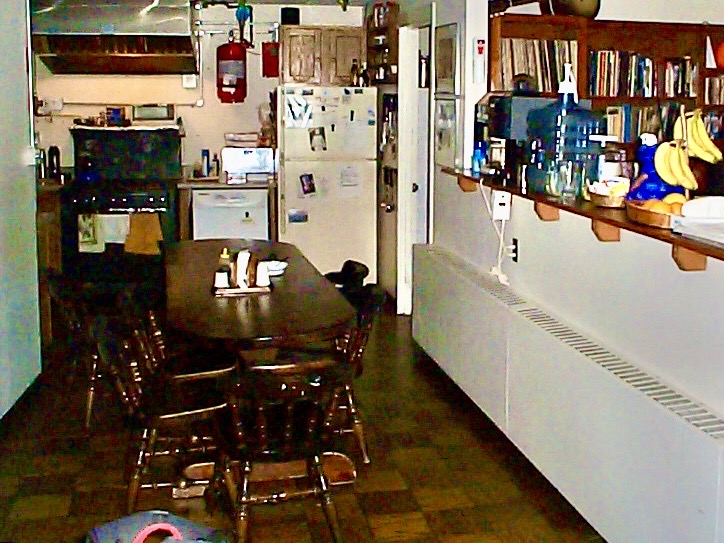
My main job was preparing breakfast and dinner. Lunch was usually leftovers that the crew handled on their own. The kitchen and freezer were well stocked because people working long summit shifts insisted on having good food.
Every evening, the crew decided what they wanted the next day: pot roast, turkey dinner, lasagna, biscuits, pineapple upside-down cake, or something equally ambitious. I had almost no experience cooking large meals and knew very little about baking.
Fortunately, there was a thick recipe book filled with traditional summit favorites. I followed the instructions carefully and learned quickly. Some meals turned out better than others. I knew the crew remembered volunteers who were legendary cooks, filling the week with brownies, snacks, and remarkable dinners. I was definitely not one of those legendary cooks—but everyone was fed, and I learned more about cooking that week than I had in years.
The Mountain Was Mine
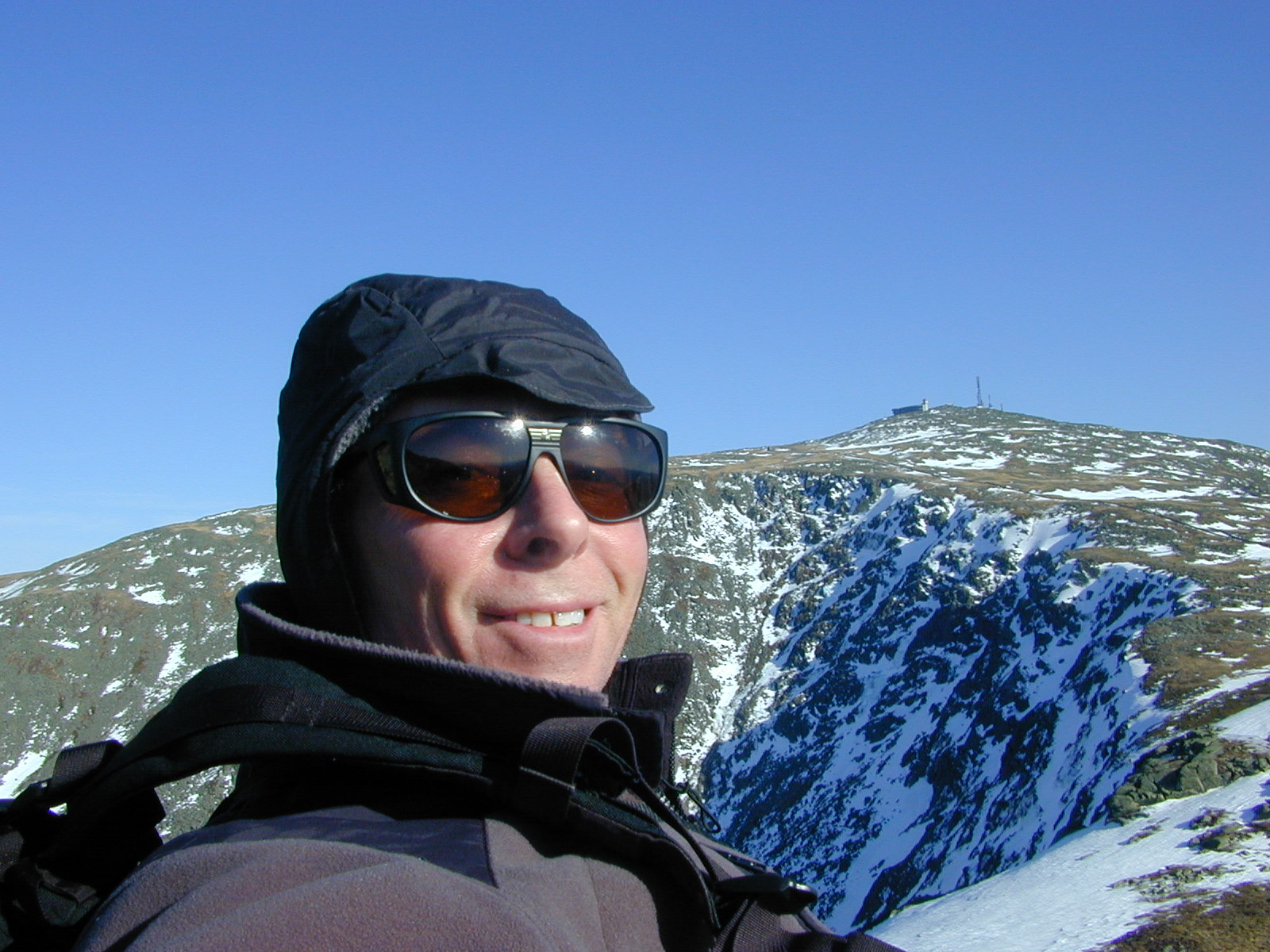
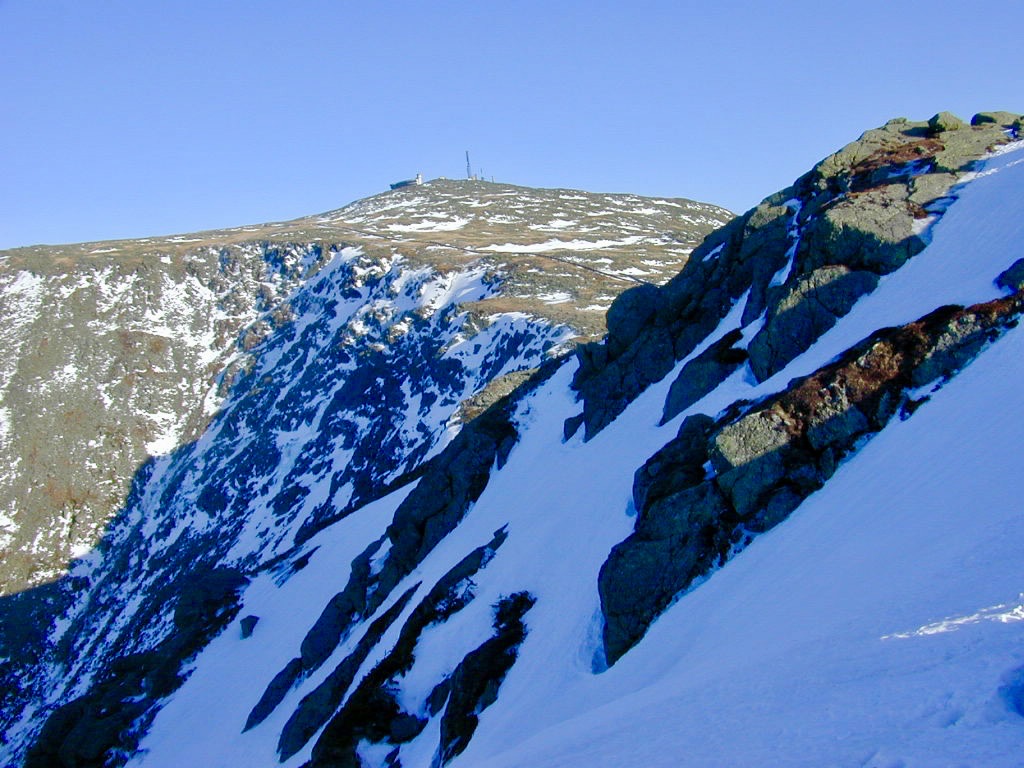
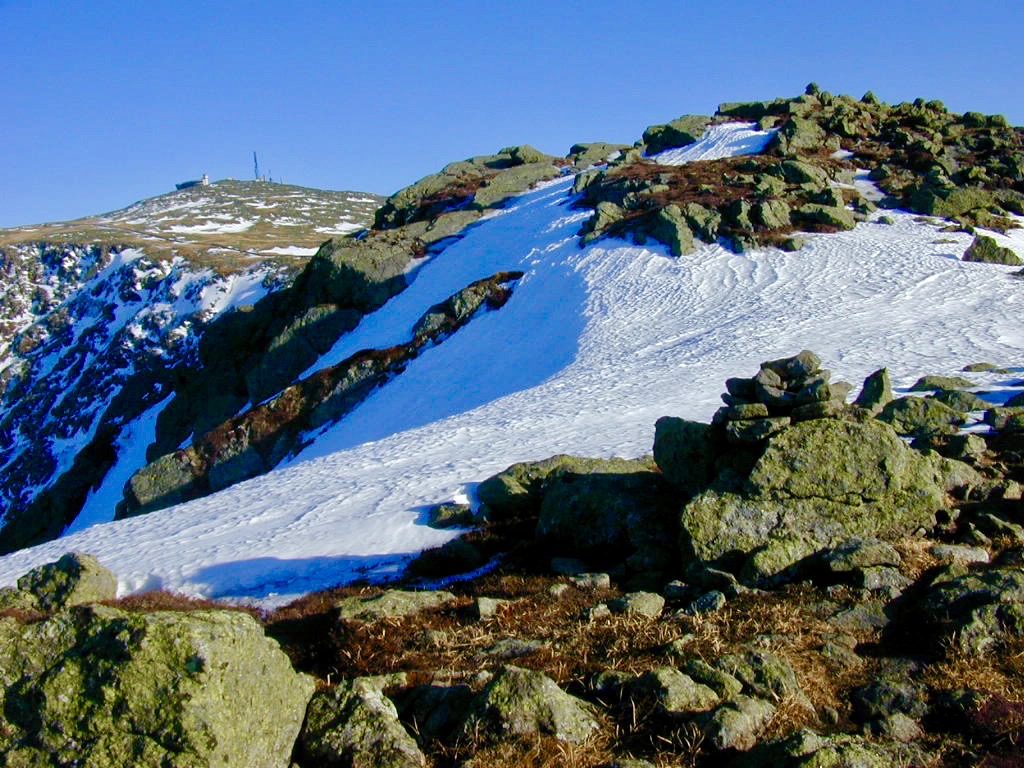
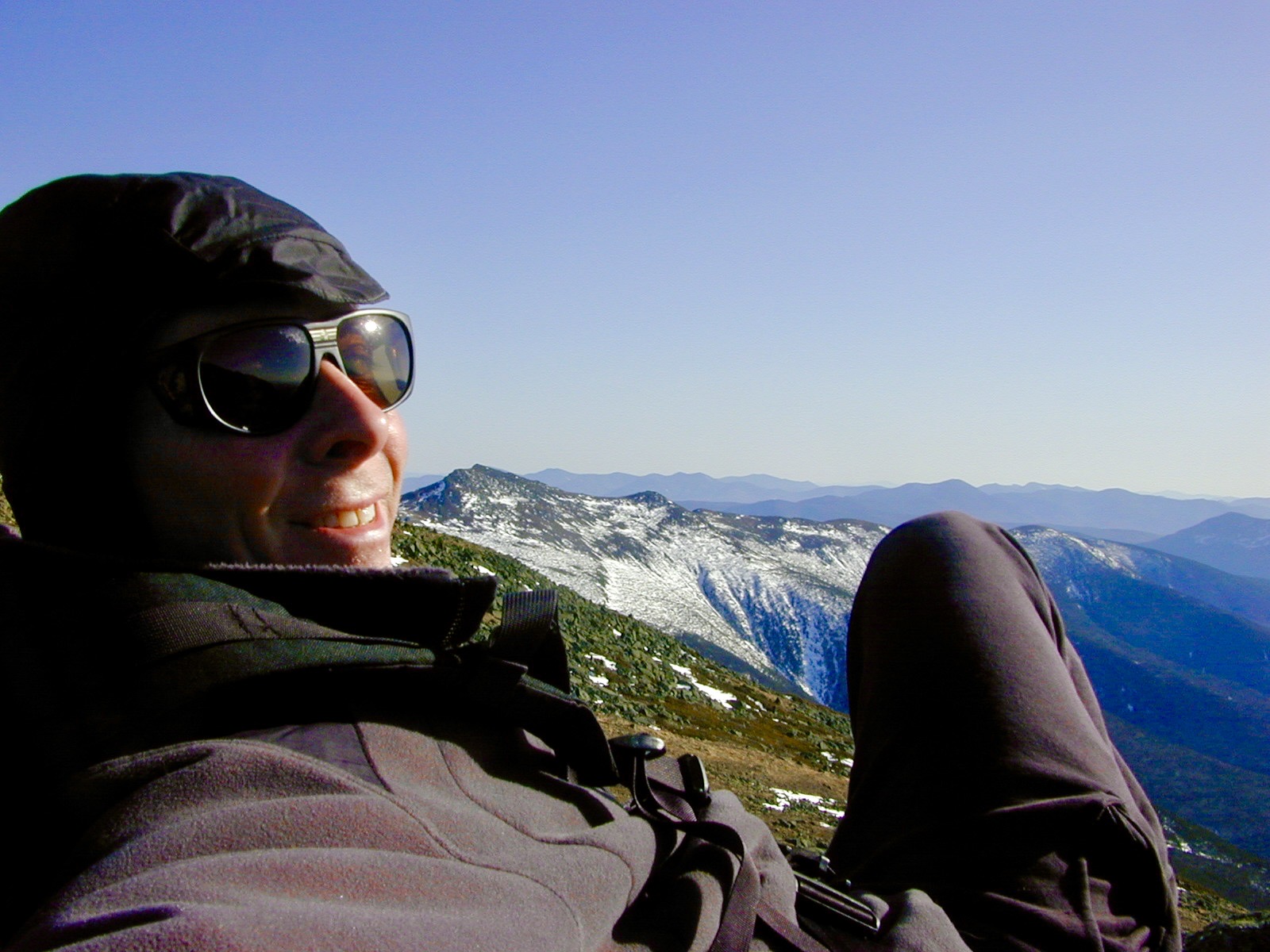
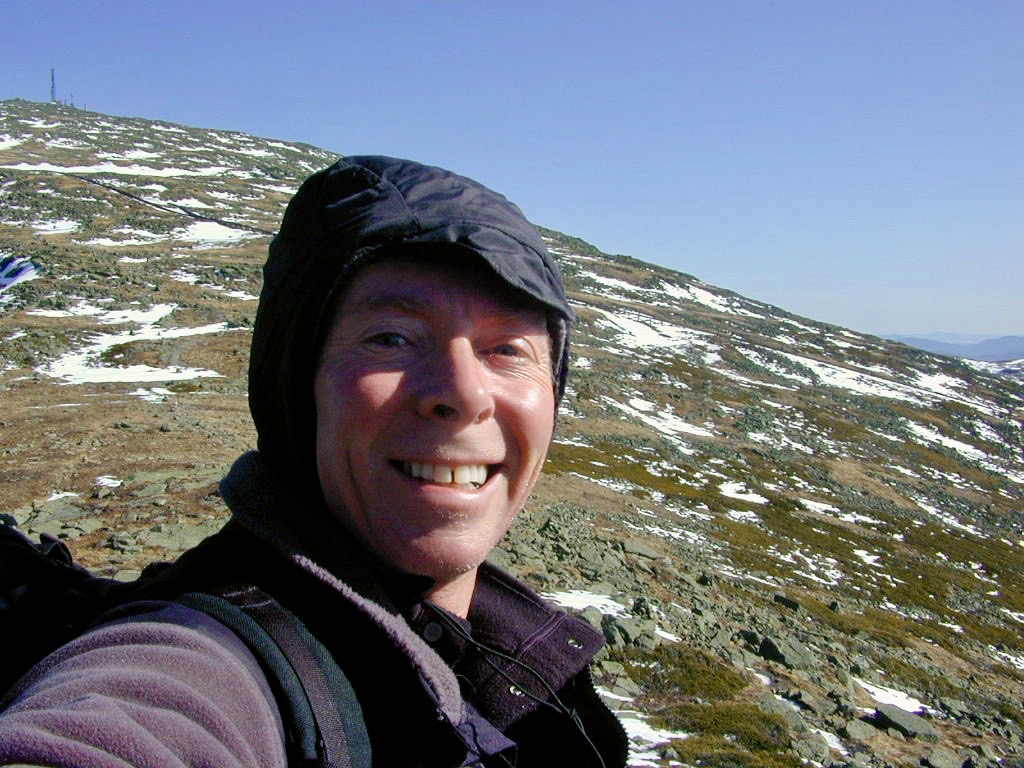
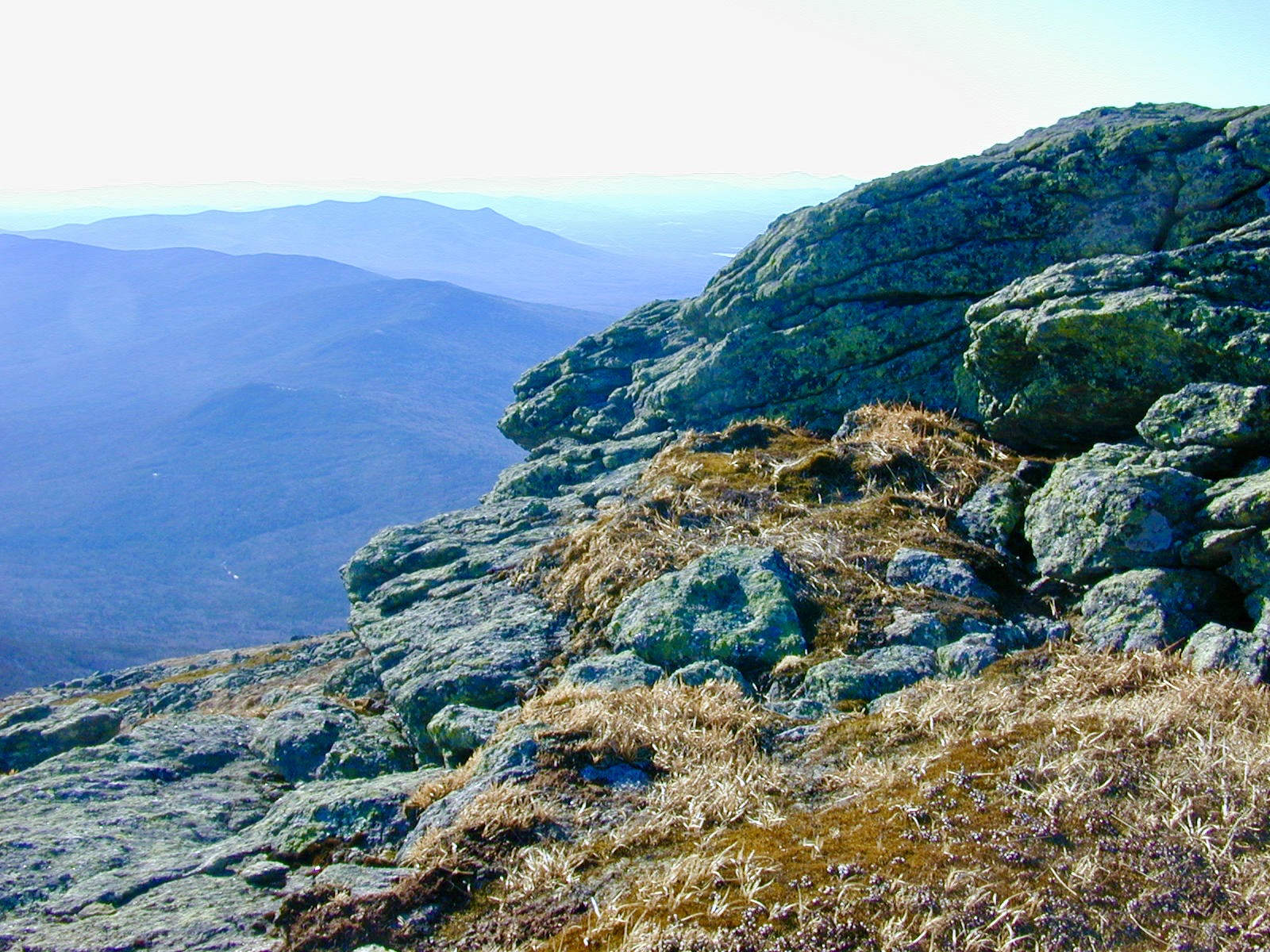
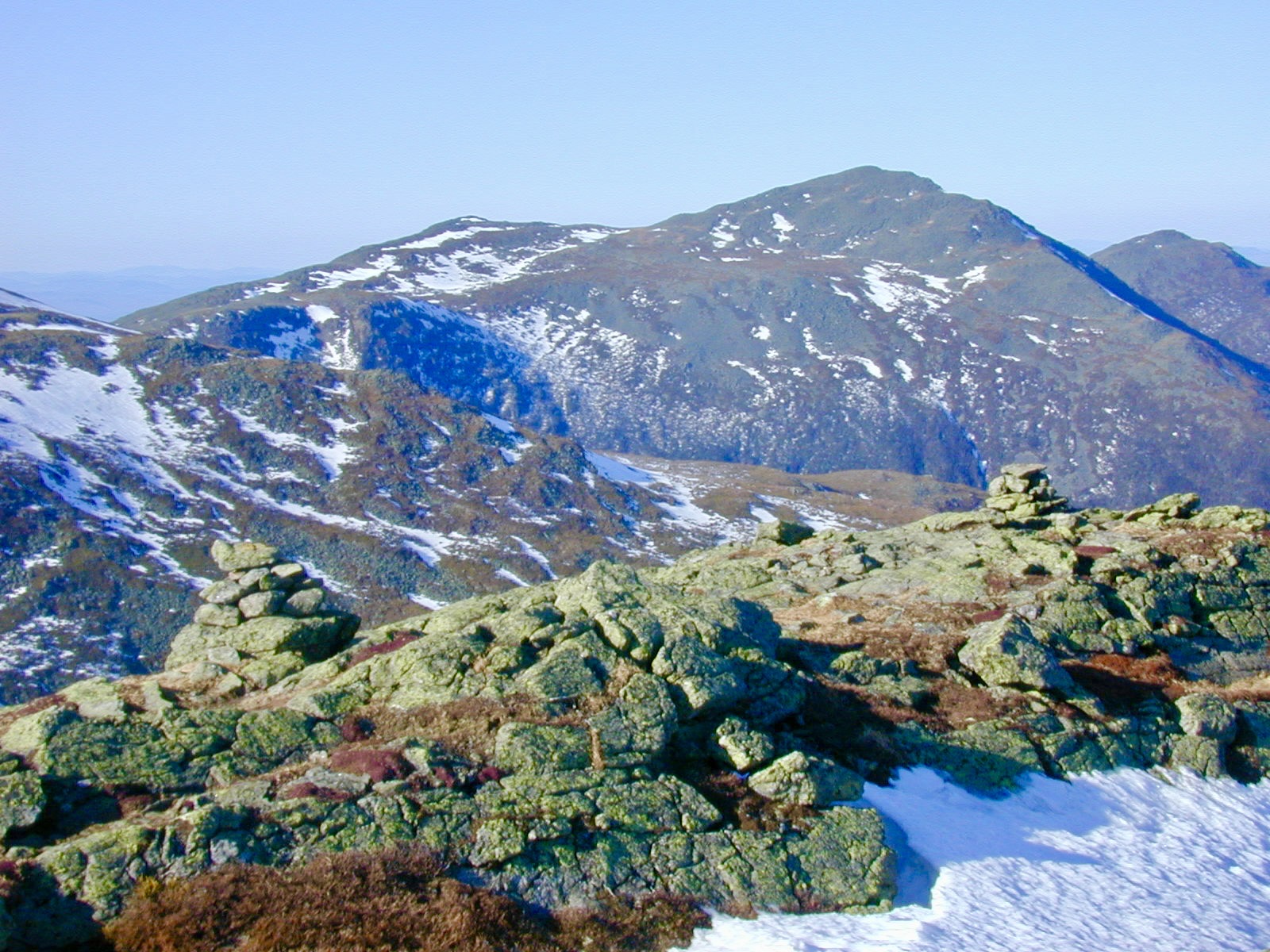
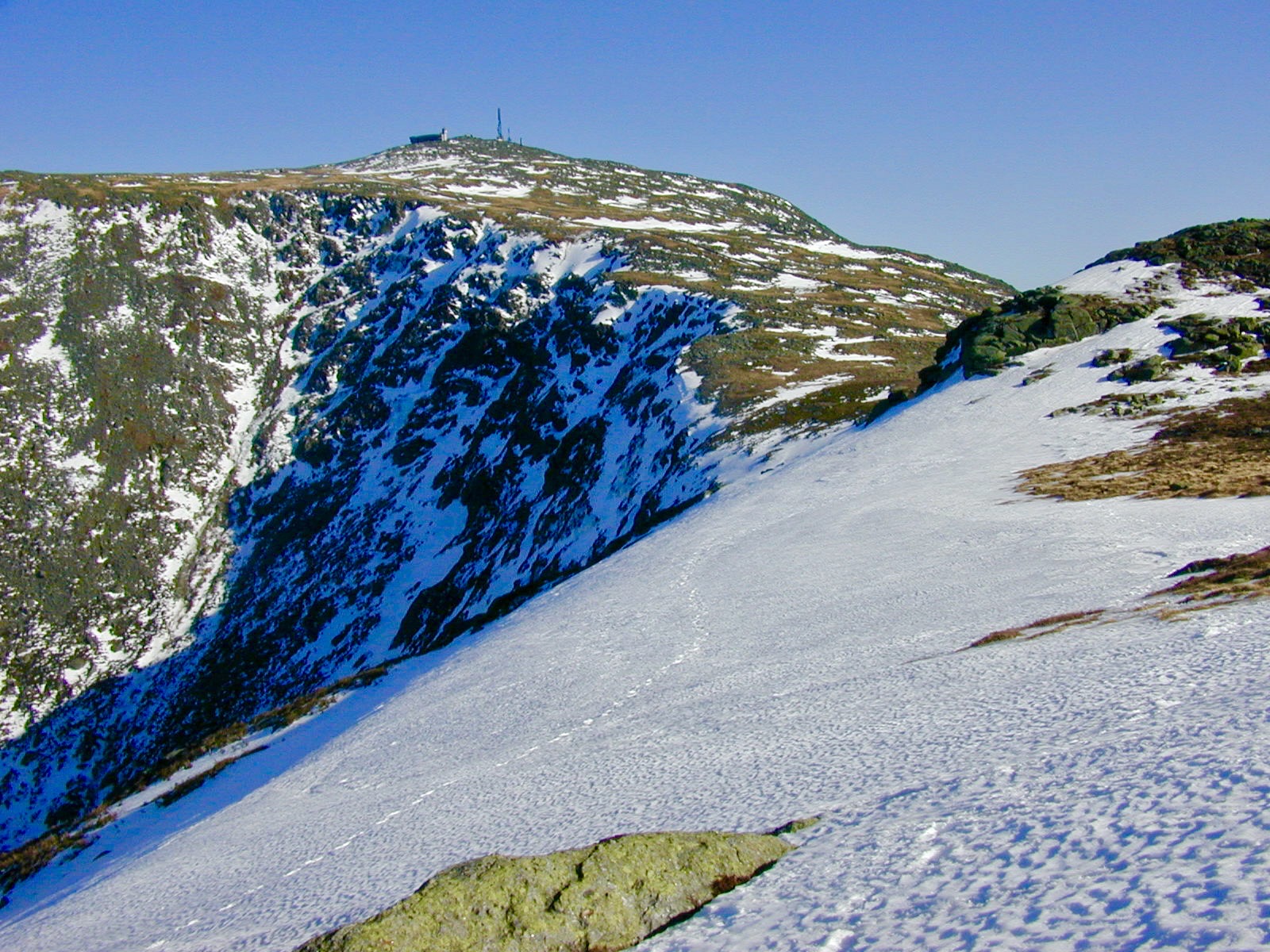
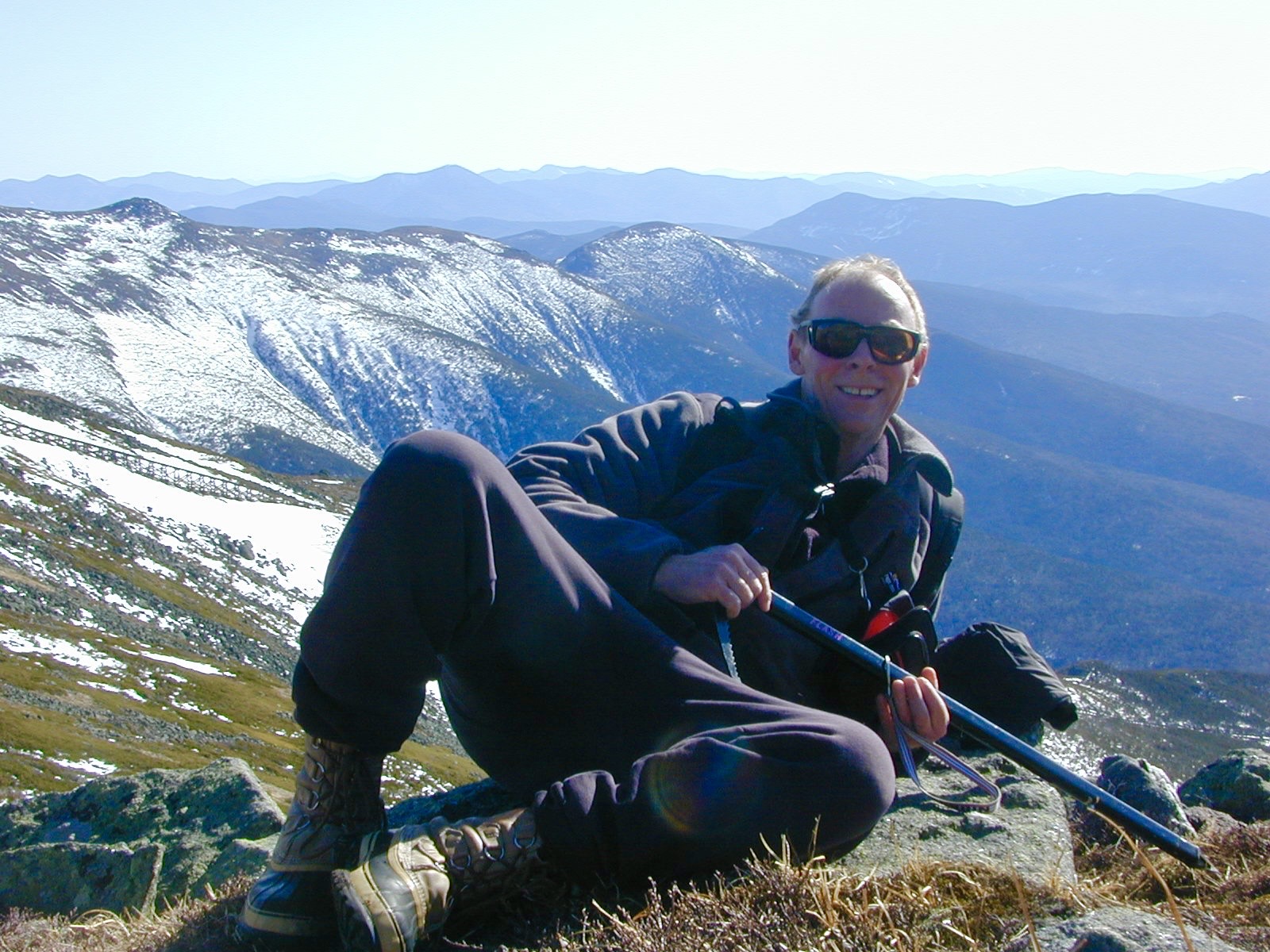
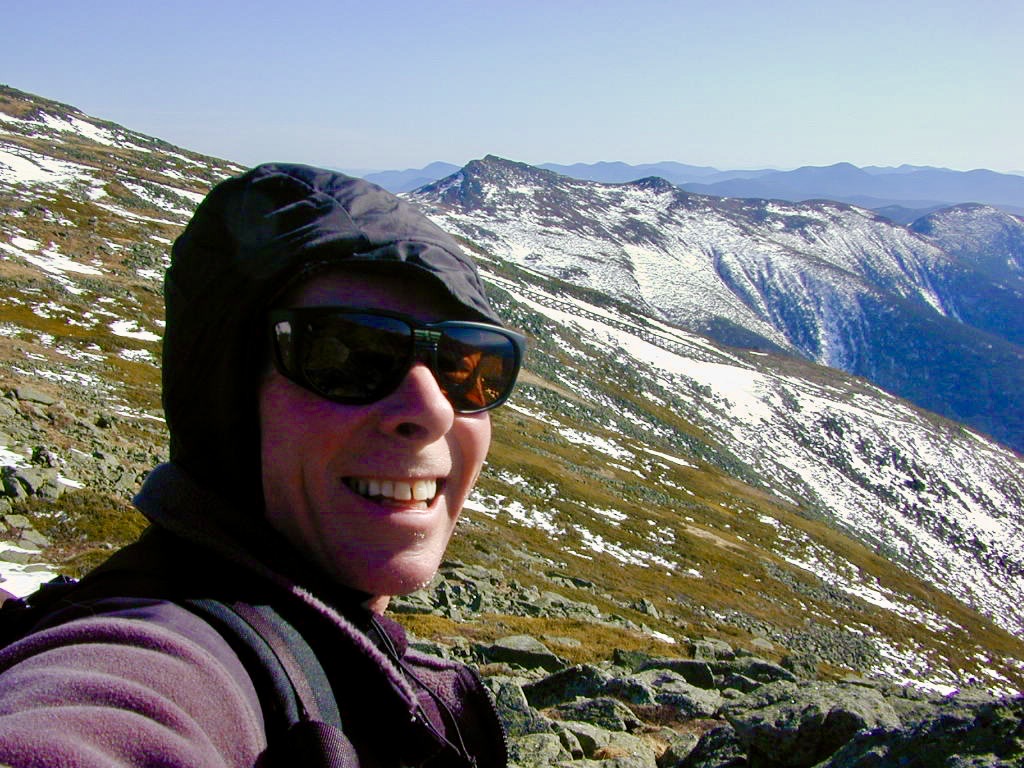
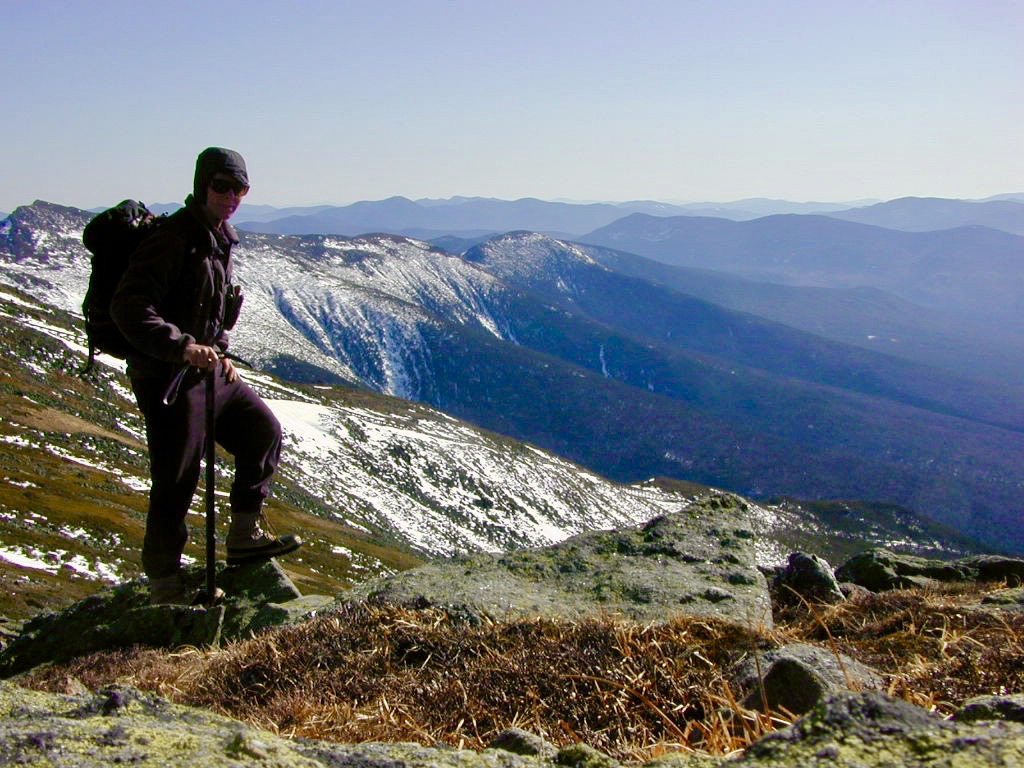
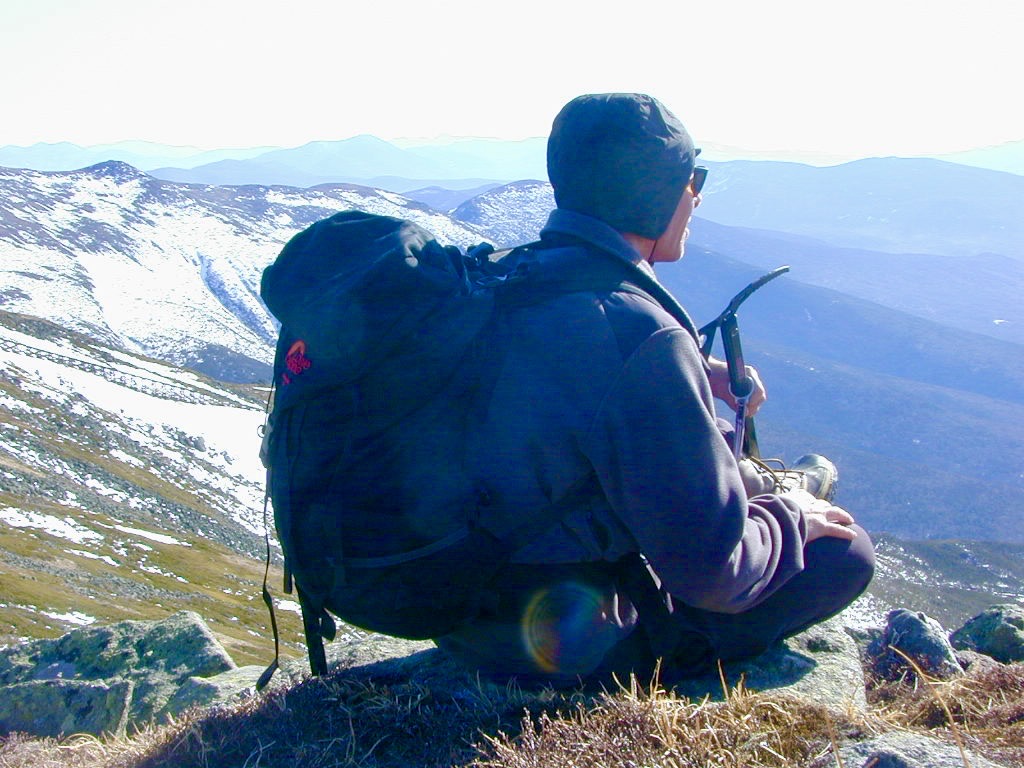
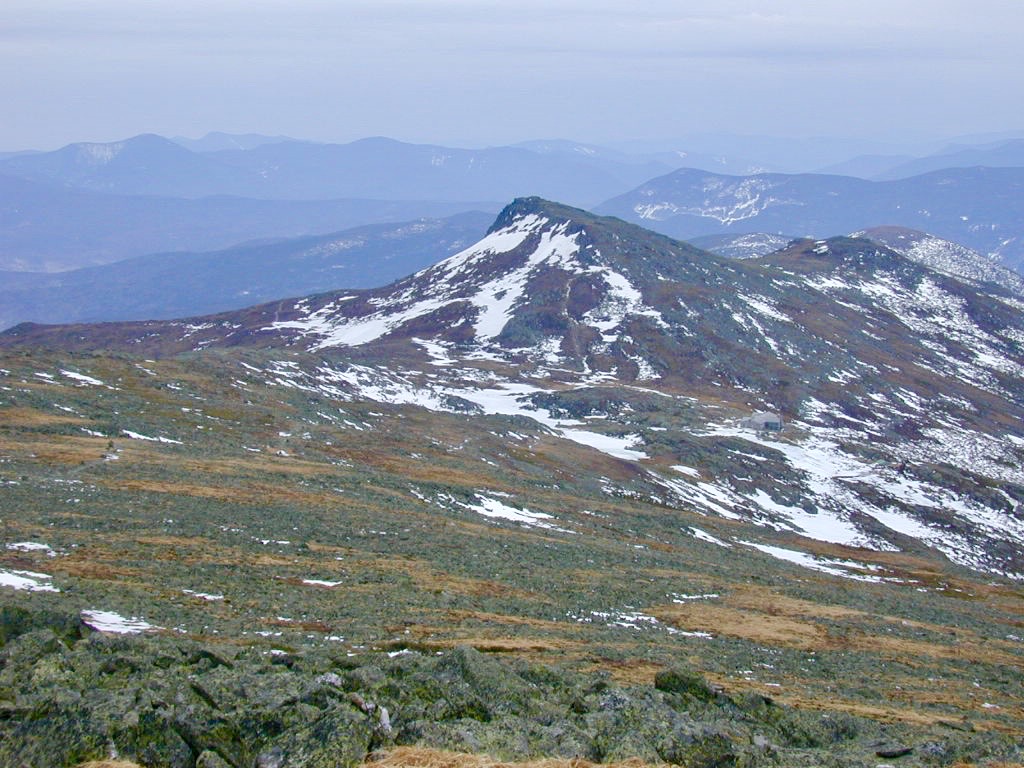
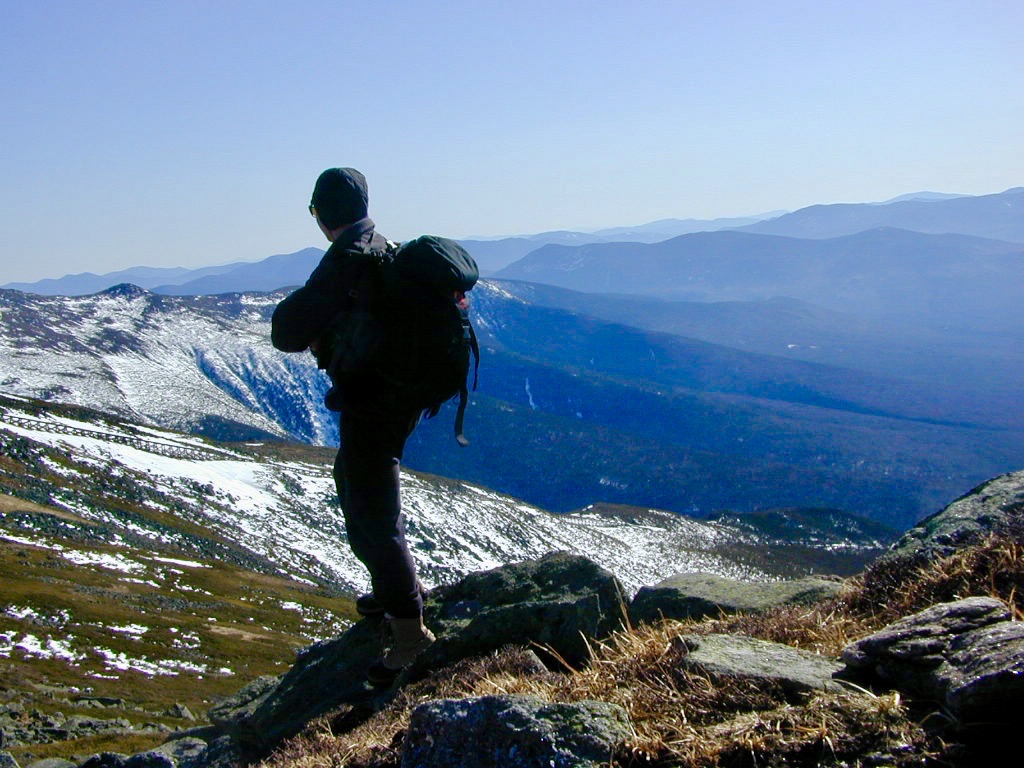
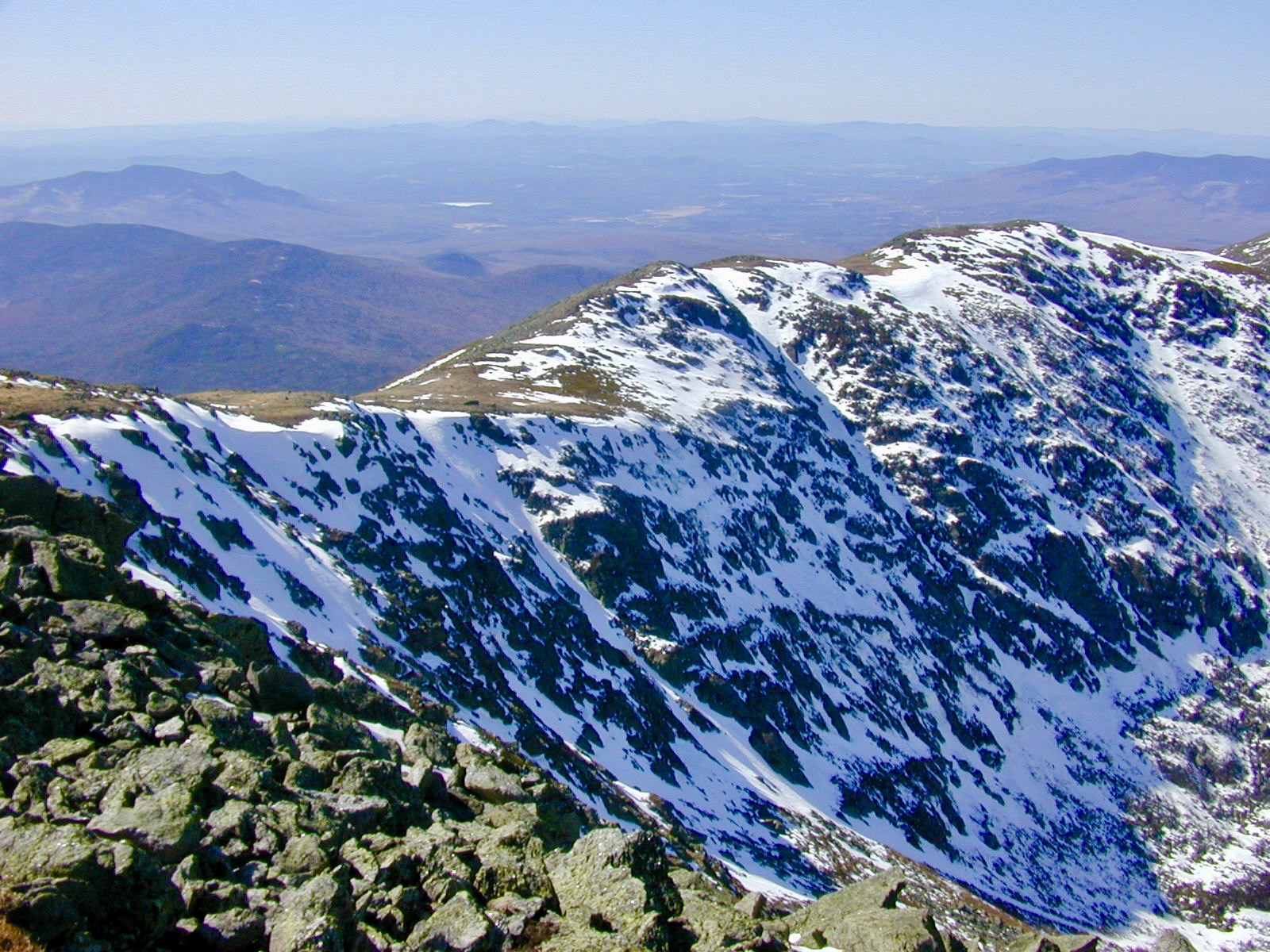
I hiked toward Lakes of the Clouds, crossed the open alpine tundra, wandered above Tuckerman Ravine and the Great Gulf, and explored in the direction of Mount Jefferson and Mount Madison. I carried winter boots, crampons, an ice axe, and everything needed for sudden changes in weather.
I had climbed Mount Washington dozens of times in summer and several times in winter, including earlier climbs with Ricky. Living on the summit was different. I did not have to struggle upward, take a quick summit photograph, and immediately retreat. I could spend the whole day moving through the alpine landscape and still return to a warm building before dinner.
Ravines, Ridges, and Silence
Most days I saw nobody, or perhaps one or two climbers who reached the summit, took a quick picture, and headed back down. It was not a place where anyone casually removed a glove to operate a camera. I had learned before that bare hands could become painfully cold almost instantly.
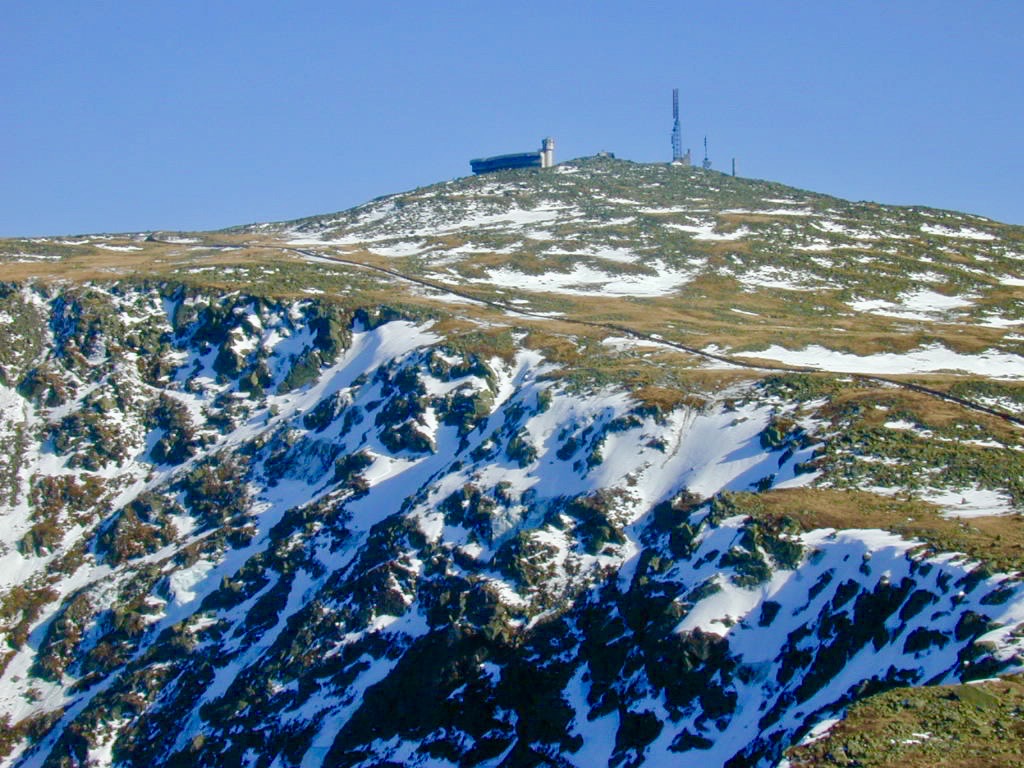
The great ravines were especially dramatic in winter. Snow clung to their walls while the exposed ridges above were stripped bare by wind. Tuckerman Ravine, the Great Gulf, the Alpine Garden, and the northern Presidential peaks were all part of the landscape I explored during those long afternoons.
Science on the Summit
When I was indoors, I spent as much time as possible with the meteorologists. I asked about the instruments, observations, forecasts, and the challenges of collecting reliable data in such extreme conditions. I had studied meteorology and remote sensing in graduate school, so being surrounded by scientists actually doing the work was fascinating.
The crew generally worked twelve-hour shifts. Breakfast and dinner were the brief times when everyone gathered around the same table and talked. The rest of the day was dominated by observations, maintenance, forecasting, sleeping, and preparing for the next shift.
Rime Ice and Hurricane-Force Wind
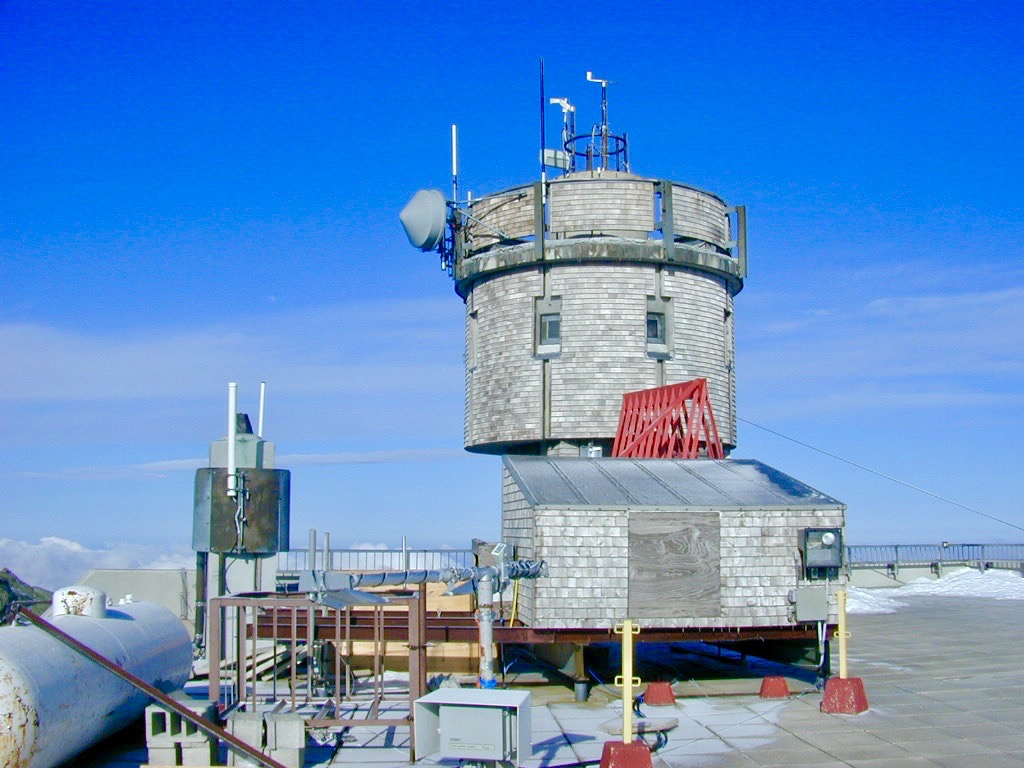
One of the wildest experiences was watching the crew remove rime ice from the antennas and instruments. Freezing fog and wind continually coated exposed equipment. Crew members went outside and chipped away at the ice while pieces flew vertically or sideways and smashed into other parts of the building.
The tower had heavy steel doors and reinforced structures. Everything made it clear that the summit facility had been engineered around the expectation that the mountain would eventually test every part of it.
Sunrise, Sunset, and the World Below
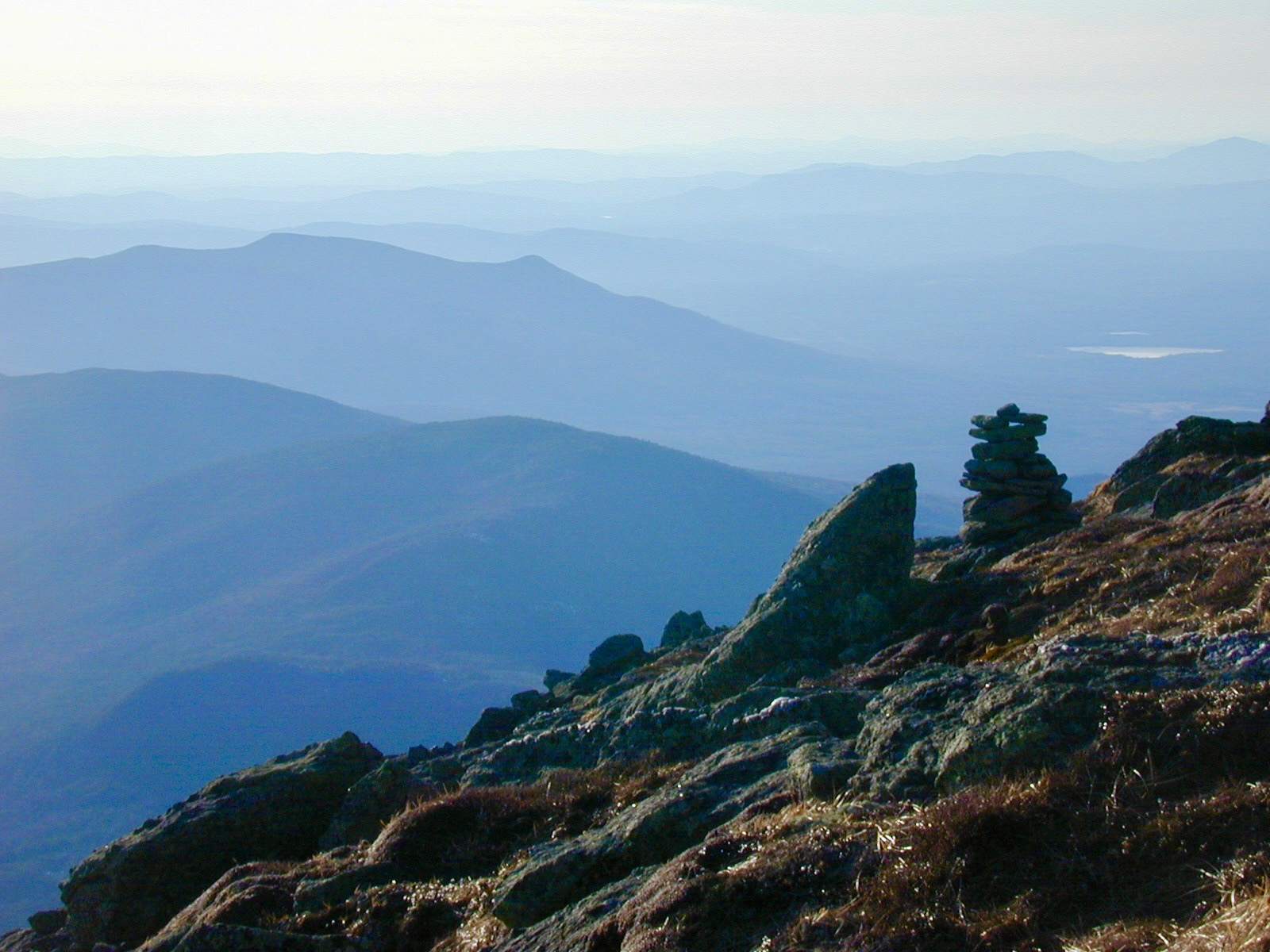
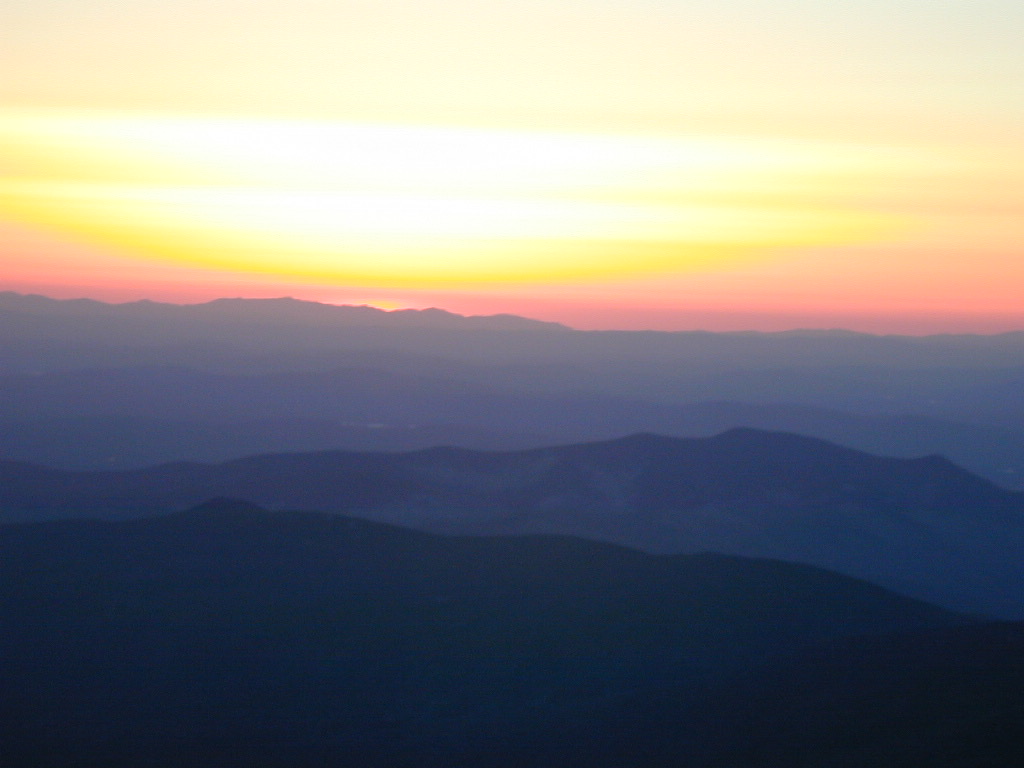
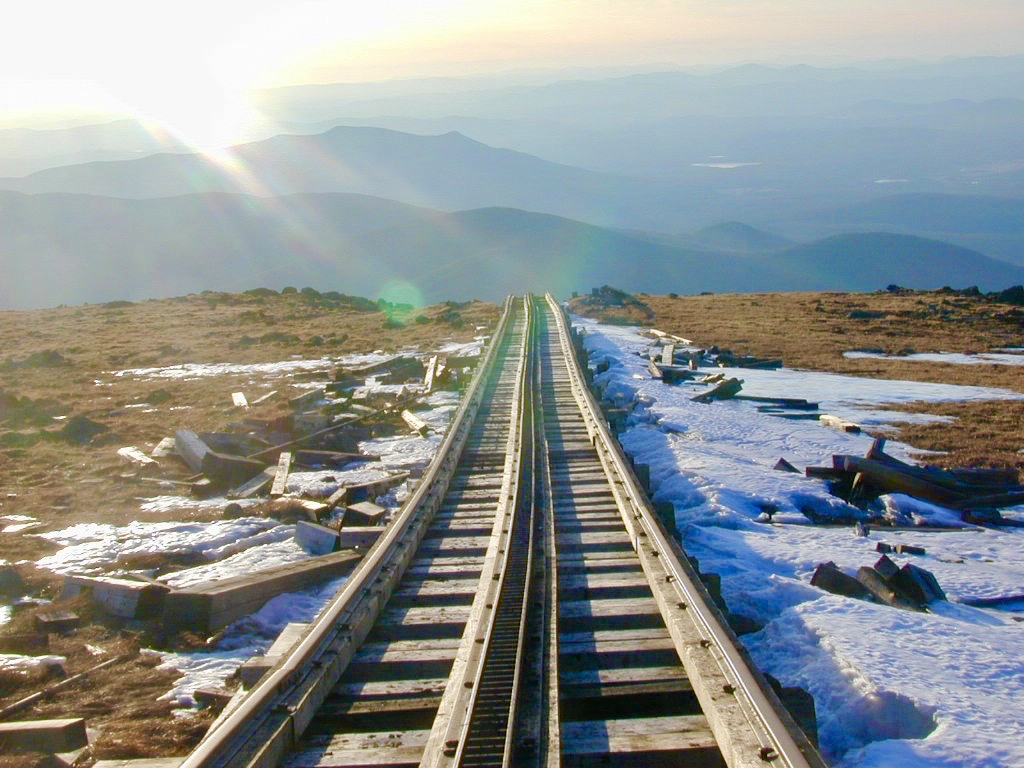
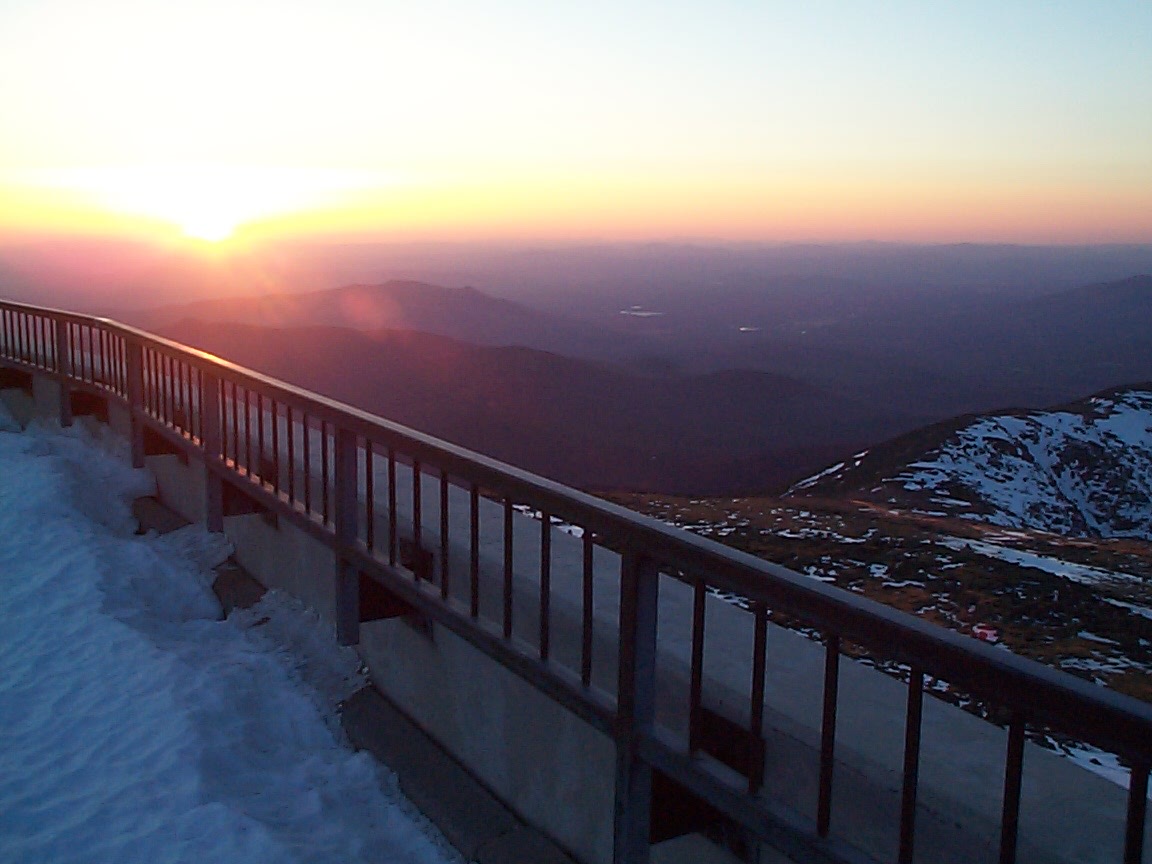
The summit rail offered views that few people ever experience in winter. At sunrise and sunset, ridge after ridge faded into the distance. The Cog Railway tracks dropped straight down the west side of the mountain, providing a striking reminder of the connection between the isolated summit and the valleys below.
Those quiet moments—before breakfast, after dinner, or at the end of a long hike—were among the best parts of the entire week.
The Cost—and the Gift
I had already used most of my sick leave and vacation time while recovering from the accident, so I took the observatory week without pay. Losing a week’s income was the one real financial cost.
Except for that unpaid leave, the entire experience was free. The observatory provided the snowcat transportation, a warm place to sleep, all the food, and the opportunity to spend seven extraordinary days living on one of the most remarkable mountaintops in North America. In return, I cooked breakfast and dinner, helped wherever I could, and filled an urgent volunteer opening.
I remain grateful that they trusted someone who was still recovering from a major accident and that my years of mountaineering had prepared me to be safe and useful there. The week brought together almost everything I loved: volunteering, winter, mountains, physical challenge, meteorology, science, solitude, and conversation with people who cared deeply about their work.
It remains one of the finest volunteer opportunities—and one of the greatest weeks—of my life.