"The Appalachian Trail stretches more than 2,100 miles through 14 states from Maine's mighty Katahdin to Georgia's forested Springer Mountain. Along its route, the A.T. crosses eight national forests, six units of the national park system, about 60 state park or game lands, and scores of small mountain and valley communities. Nearly two-thirds of the U.S. population lives within a day's drive of this continuously marked footpath." (From the Appalachian Trail Conservancy)
For me, the Appalachian Trail has never been just one continuous line on a map. It is a collection of mountains, ridges, forests, friendships, campsites, storms, views, and memories spread across some of the most beautiful country in the East.

Walking the Trail in Sections
I have hiked several large sections of this grand footpath, including all of Vermont, most of New Hampshire, and a good part of Maine. Each section has its own personality. Vermont has long green ridges, deep forests, mud, and the historic Long Trail. New Hampshire brings rugged climbs and long open ridgelines. Maine feels increasingly remote as the trail works north toward Katahdin.
I once imagined completing the entire trail in one long summer. Over time, however, I realized that what mattered most to me was not being able to say that I had finished every mile. What mattered was being fully present for the miles I was walking.
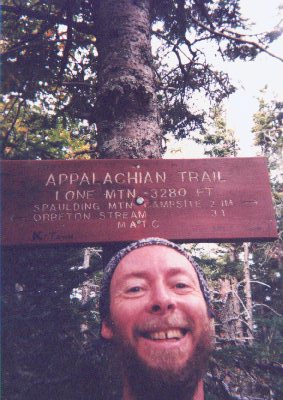
The Green Tunnel and the People Along the Way
Long-distance hikers sometimes call the Appalachian Trail the Green Tunnel. Much of it winds through a nearly continuous corridor of eastern forest, with occasional openings onto summits, cliffs, balds, farms, and small trail towns.
Over the years I met dozens of thru-hikers and section hikers. Whenever possible, I tried to turn them on to cold brews, homemade snacks, and other goodies. Trail magic can be simple, but after weeks of walking, a cold drink or an unexpected meal can feel like an incredible gift.
You can often estimate when the northbound groups will reach New England. If you visit Baxter State Park in the fall, you are likely to meet some remarkable people nearing the end of a very long and very special journey.

Lean-tos and Nights Along the Trail
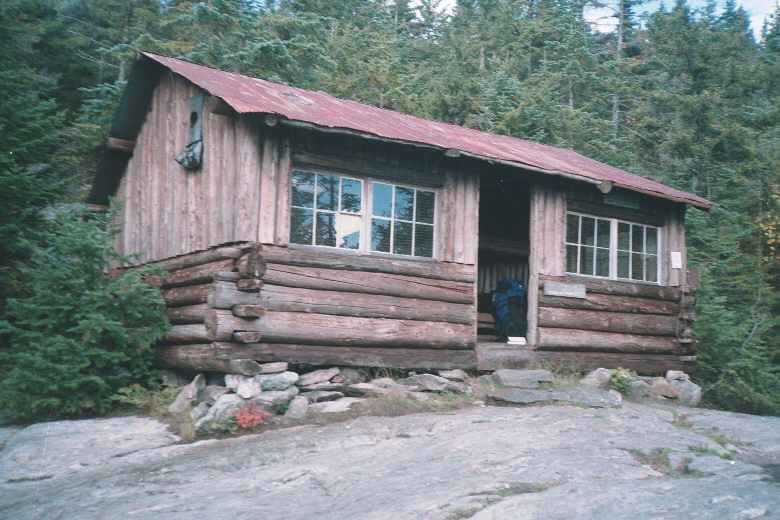
Some of the most memorable hours on the Appalachian Trail came after the walking was finished for the day. A lean-to is a wonderfully simple shelter—three walls, a roof, and a wooden sleeping platform—but after carrying a pack over mountains all day, it can feel like home.
I have spent many nights in trail shelters, sometimes sharing the space with thru-hikers and section hikers and sometimes listening to nothing but wind, rain, and the forest. Those evenings were part of the journey: cooking a simple meal, drying damp equipment, comparing routes, and hearing stories from people headed toward Georgia or Maine.
The photograph beside this story is the lean-to near Killington in Vermont, along the section where the Appalachian Trail and the Long Trail share the same route.
Many Nights in the AMC High Huts
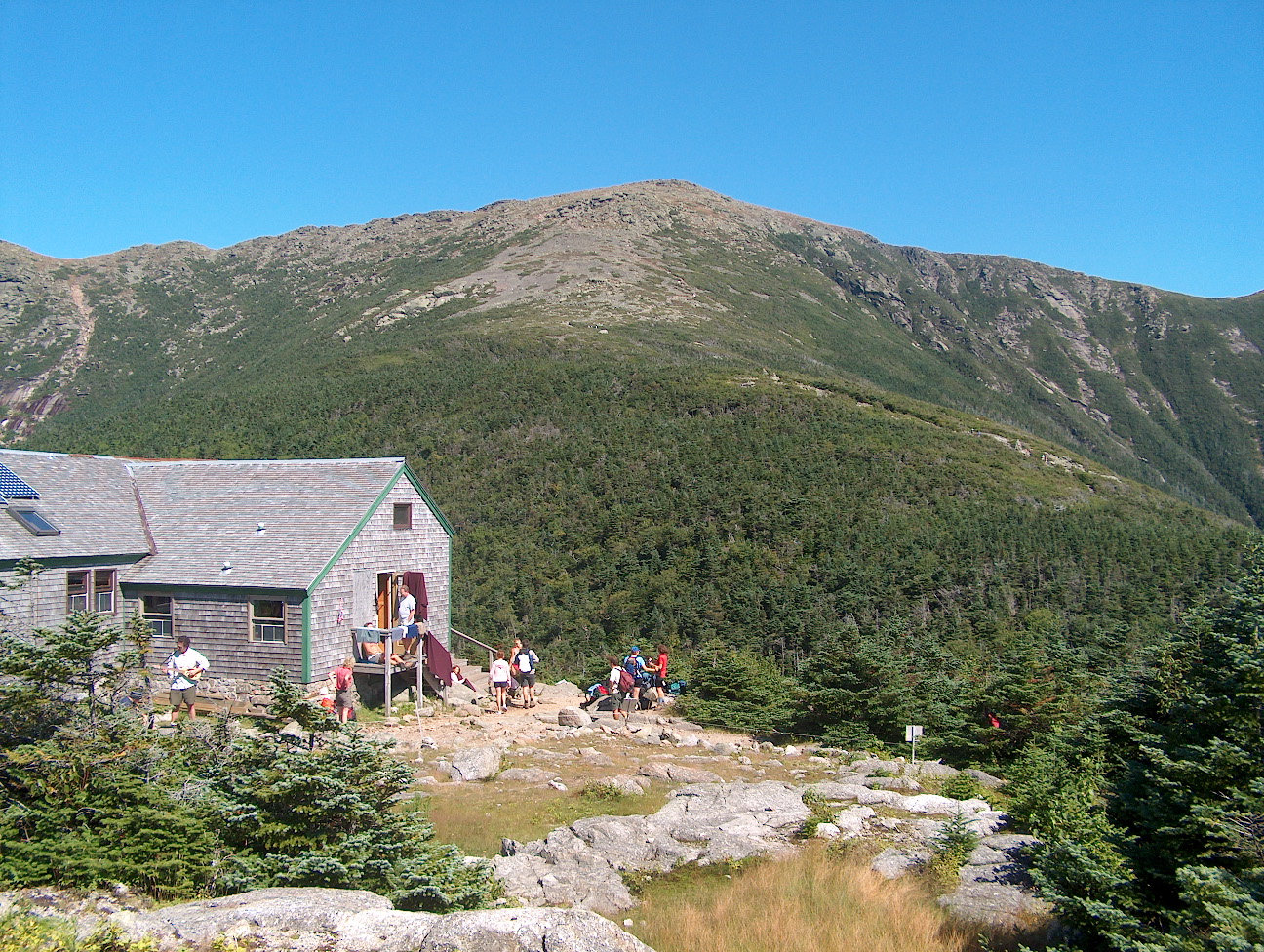
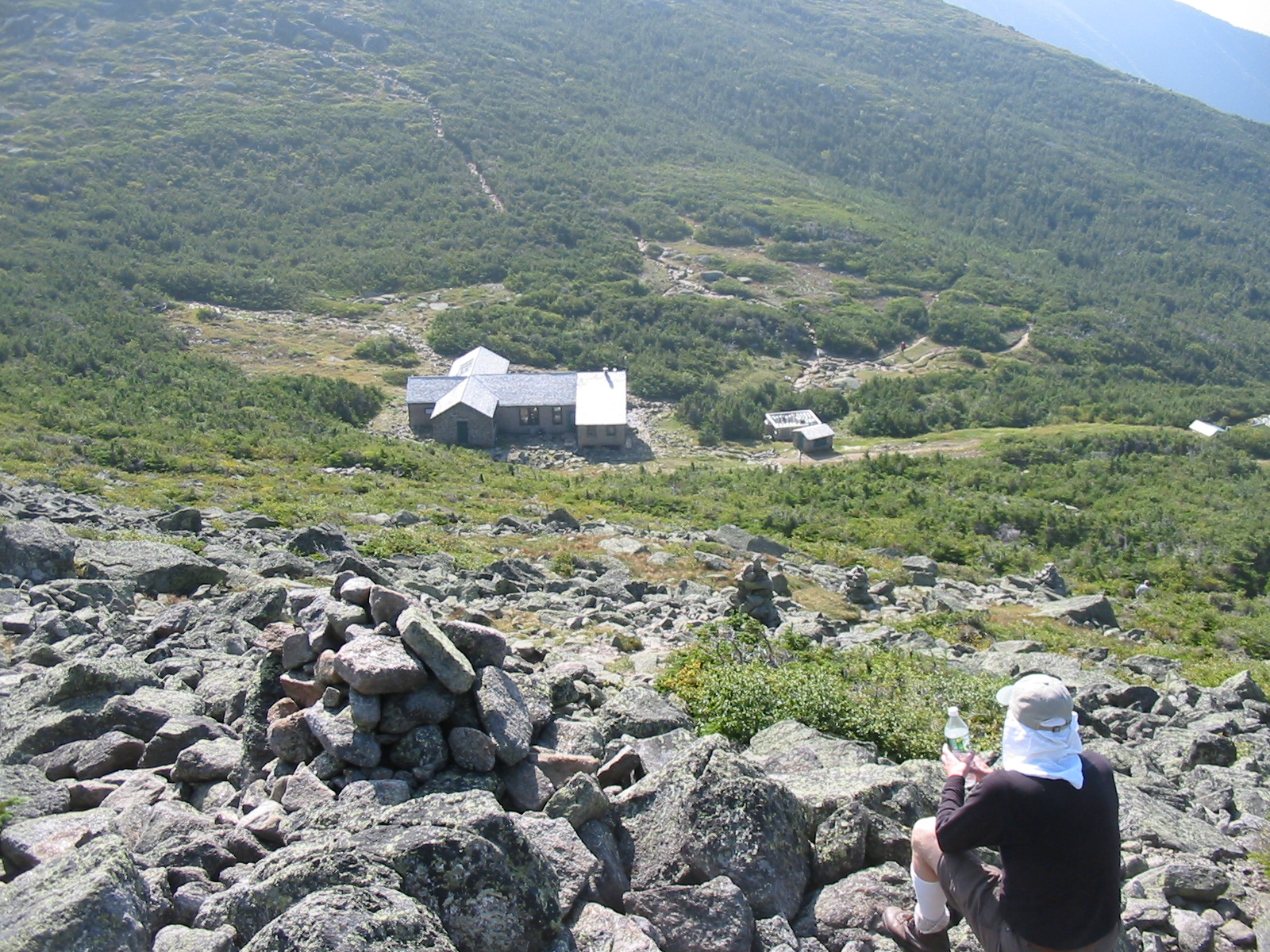
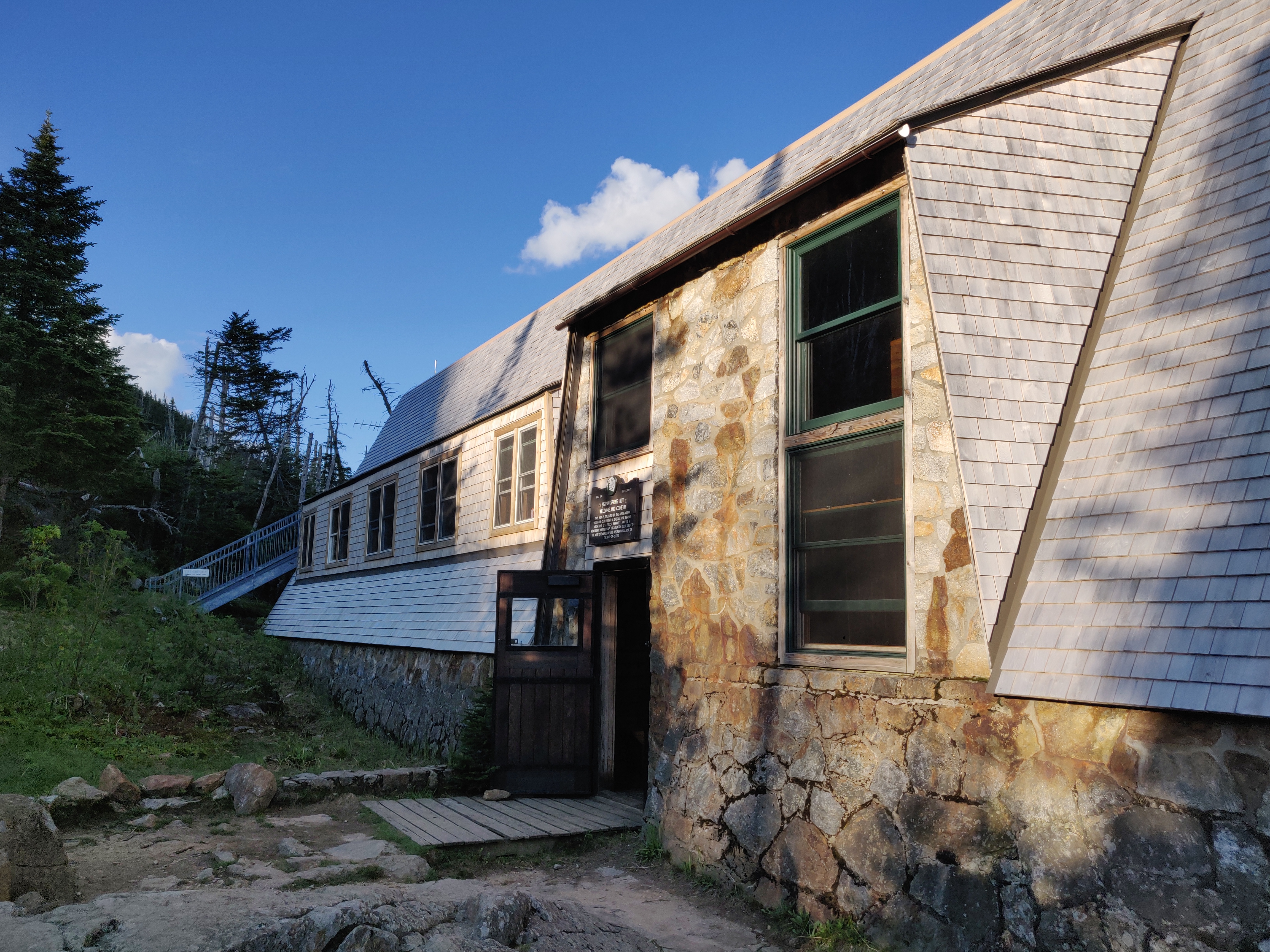
The Appalachian Mountain Club huts are a special part of hiking in the White Mountains. I have stayed at the huts many times over the years, especially during winter trips. In summer they are busy gathering places filled with hikers, meals, conversation, and trail information. In winter, when the full-service season is over and the mountains are quieter, the experience can feel completely different.
Those winter hut trips remain some of my favorite memories. Reaching a hut after a long day through snow, wind, ice, and short daylight felt like arriving at an outpost in another world. Boots and clothing could begin to dry, food tasted especially good, and conversation with the few other winter travelers became part of the adventure.
The huts also connected many of my Appalachian Trail miles with my repeated climbs and winter trips on Mount Washington and the Presidential Range. Another page, A Week on Mount Washington, includes photographs and memories from spending day after day above treeline.
Bivouacs Above Treeline
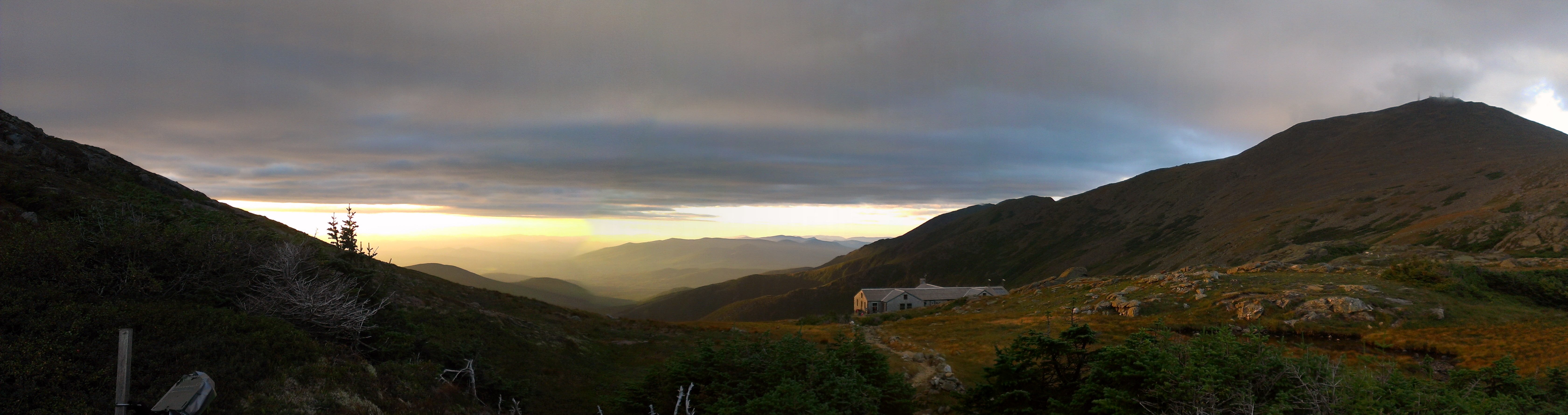
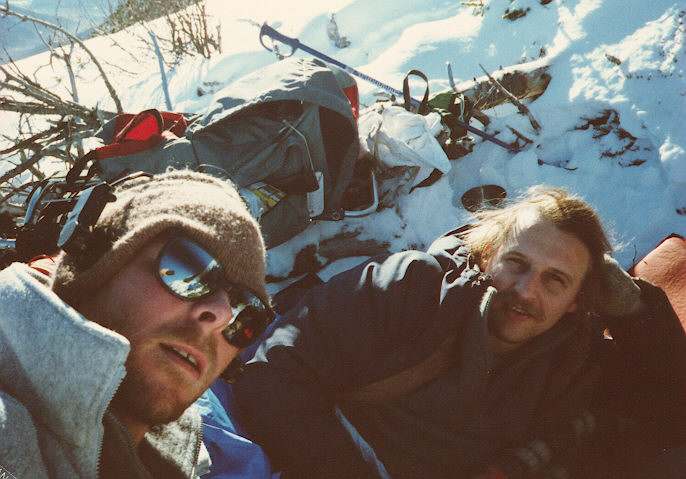
Lean-tos and huts were only part of my mountain experience. I also spent many nights in bivy sacks, sometimes as carefully planned high camps and sometimes because darkness, weather, or a long winter route changed the plan. A bivy sack brought me much closer to the mountain: wind against the fabric, rocks beneath me, stars overhead, and sunrise only inches away when I opened it in the morning.
Some of those nights were near Mount Washington, where I bivouacked high on the mountain five or six times. Others were along Vermont's Long Trail and in mountain ranges far beyond the Appalachian Trail. They taught me that minimal equipment and inadequate equipment are not the same thing, and that judgment matters more than bravado.
Read more on my High Mountain Bivouacs page.

Katahdin and Baxter State Park
At the northern end of the Appalachian Trail, Katahdin rises above one of my favorite places in the Northeast. I have returned to Baxter State Park many times—not merely to stand at the trail's northern terminus, but to hike Katahdin from different approaches, cross the Knife Edge, explore remote ponds and forests, and spend long stretches camping and moving through the park.
One October trip lasted eleven days and ten nights, and other visits included equinox and solstice weekends. Baxter always rewarded careful planning and respect for its deliberately wild character.
Visit my main Baxter State Park and Katahdin page, as well as my Baxter backcountry adventure with Angelika.
It's About the Journey
One thing I've learned over the years is that I'm probably a little different than a lot of people. I don't really have a bucket list. So many people I know paddle a river, hike a trail, or visit a famous place simply because they want to check it off a list, even if they don't enjoy it all that much. Sometimes they'll rush through two or three national parks in a single trip, spending only a few hours at each one just so they can say they've been there.
I've never really understood that.
Take the people who try to visit the highest point in every state. Some of those high points are spectacular mountains that are adventures in themselves. Others are little more than a flat field in the middle of Florida or Rhode Island. People will spend days driving there just so they can say they've checked another state off the list, even though the destination itself isn't especially memorable.
I saw the same thing in New England with some of the peak baggers. They'd race up the trail as fast as they could, eyes fixed on the ground or their watches, reach the summit, tap the cairn, push a button on their watch, and immediately race back down. Meanwhile, they'd never even look around, never really stopping to appreciate the views or enjoy being on top of the mountain.
The same thing happens on the long-distance trails. Some hikers try to complete the Appalachian Trail as quickly as possible to set a speed record. Others have hiked all three of America's great long-distance trails in a single year. I admire the athletic accomplishment, but I sometimes wonder how much of the journey they actually had time to experience.
For me, life has never been about racing through experiences so I can say I've done them. It's never been about finishing a checklist.
It's about enjoying the journey.
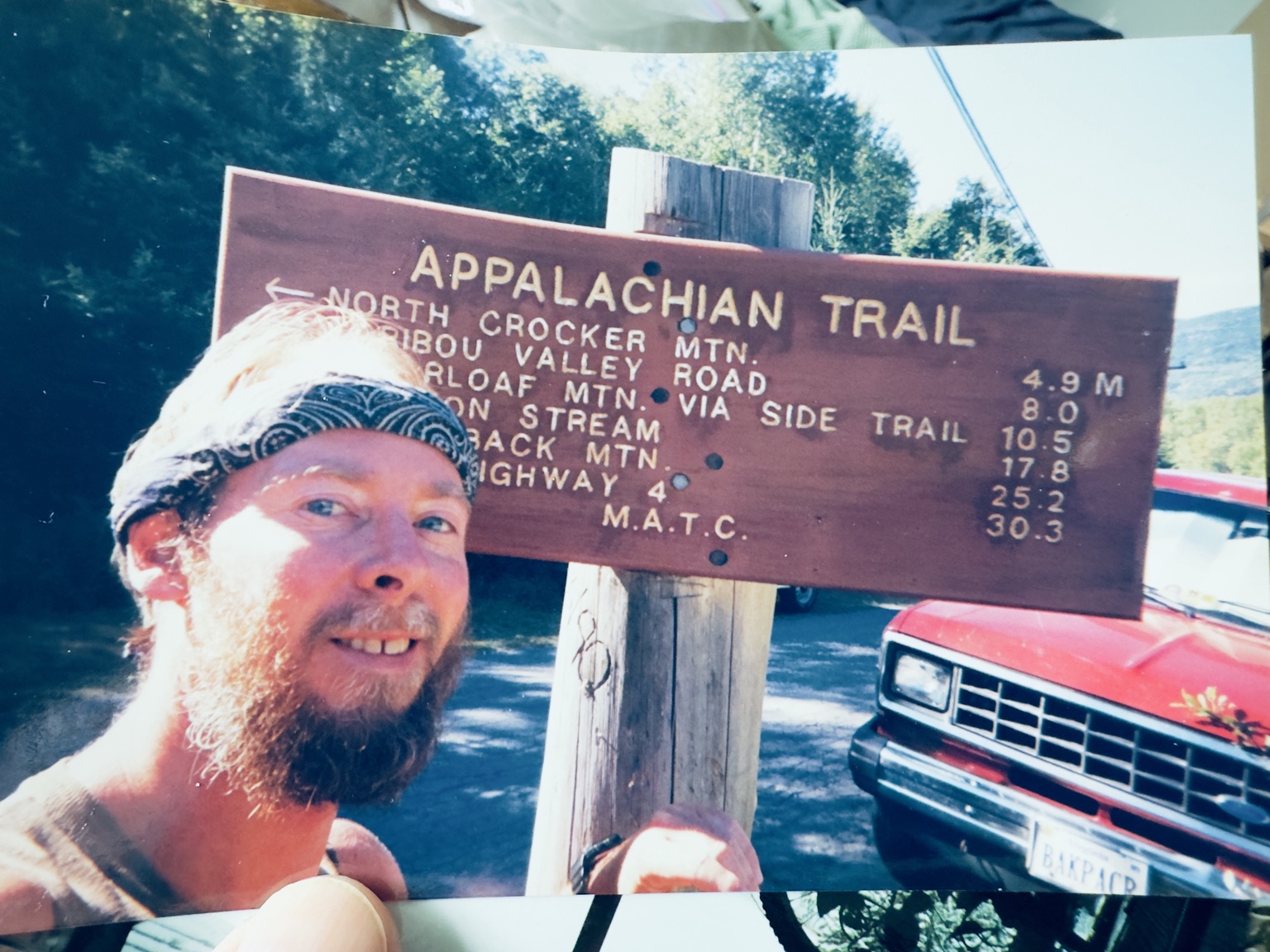
I certainly understand that everyone is different, and everyone has their own goals and motivations. There isn't a right or wrong way to experience the outdoors. But somewhere along the way—and especially after deciding not to thru-hike the Appalachian Trail—I realized what really mattered to me.
I'd rather spend three unforgettable days exploring one incredible place than rush through ten places just to say I'd been there.
That simple realization probably shaped the rest of my life. Instead of chasing accomplishments, I spent decades chasing experiences, friendships, wilderness, and adventure. Looking back now, I wouldn't change a thing.
There has been talk of extending the trail south to the farthest reaches of Florida, and North into Canada. There are many other long-distance foottrails in America, including the Pacific Crest Trail and the Continental Divide Trail. There are dozens more that currently exist, or in the planning stages. In addition, the Rails-to-Trails program is actively converting many of the nation's abandoned railroad lines into multi-use paths. Happy trails!
Explore the Entire Appalachian Trail
The Appalachian Trail follows the Appalachian Mountains for nearly 2,200 miles through fourteen states, from Springer Mountain in Georgia to Katahdin in Maine. This official National Park Service map shows the full route and the many parks, forests, towns, and protected landscapes connected by the trail.
Click the map to open the official Appalachian Trail Conservancy interactive map.



Appalachian Trail Photo Gallery
Every photograph used on this page is repeated here. Click any image to view the full-size original.